
Coleman's Melibe (Phantom Nudibranch)
Melibe colemani
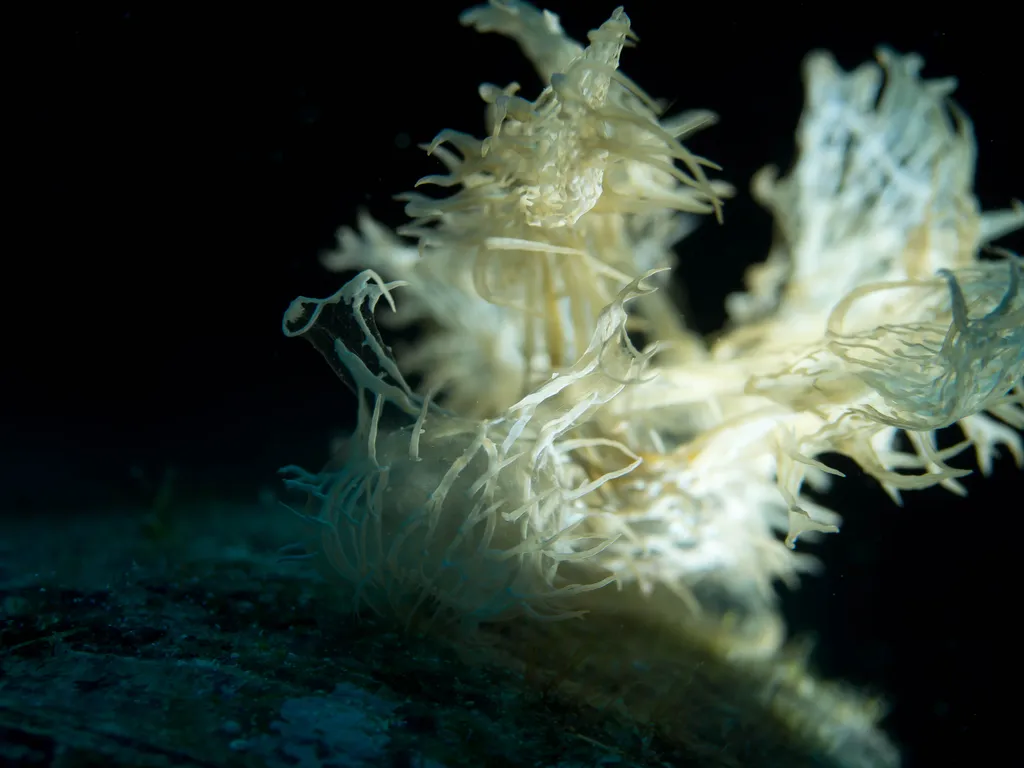
Photo by Rickard Zerpe / CC BY-SA 2.0 via Wikimedia Commons
Macro shooters call Melibe colemani the phantom or ghost nudi for a reason: the animal is barely there. A glassy body wall leaves the digestive-gland network exposed as cream-brown threads, so the silhouette reads as reef debris, stringy soft coral, or—as divers joke—a string of snot drifting over rubble. Neville Coleman photographed it at Mabul (Malaysia); Gosliner & Pola formally described it in 2012, naming it for Coleman. Unlike flashy dorids, this Melibe earns its "holy grail" reputation by being hard to spot even when you are on top of it. Reliable recreational hits stack in the Coral Triangle: Mabul (type), Lembeh, Romblon (often cited as especially rich), plus North Sulawesi soft-coral slopes near Bunaken/Manado and occasional Komodo records. Look for Xenia and Briareum first—habitat locks the search—then glass for net-like oral hood and flattened cerata.
🔬Classification
📏Physical Features
🌊Habitat Info
⚠️Safety & Conservation
Identification Guide
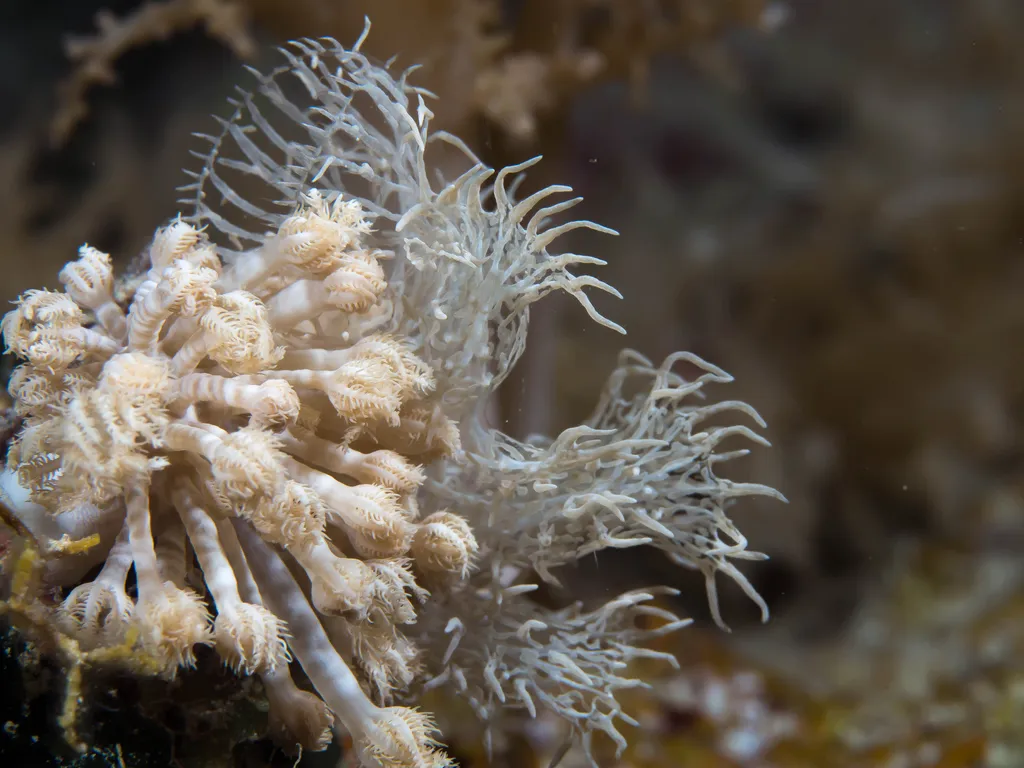
Photo by Rickard Zerpe / CC BY-SA 2.0 via Wikimedia Commons
Transparency First
- Body essentially clear; dark/cream tubule network of digestive glands is the only strong visual cue
- At a glance front vs back is ambiguous—find the net-like oral hood (anterior) to orient
Melibe Toolkit
- Oral hood: circular margin with a row of thin papillae; used to engulf prey whole (classic Tethydidae filter/sweep feeding)
- Rhinophore sheaths: cylindrical with a single apical papilla (differs from sail-shaped, multi-papilla sheaths of some relatives)
- Cerata: laterally flattened (wedge-shaped), not cylindrical—key vs M. bucephala / M. engeli
Habitat Lock
- Check soft coral (Xenia, Briareum) and adjacent rubble slopes more than open sand muck
- Holotype was embedded in Briareum with only cerata showing—scan colony surfaces, not just the sand
Size & Expectation
- Field animals often ~2–6 cm; do not expect a large colorful slug
- If you are hunting chromodorids on hard coral, you are in the wrong microhabitat
Top 10 Fun Facts about Coleman's Melibe (Phantom Nudibranch)
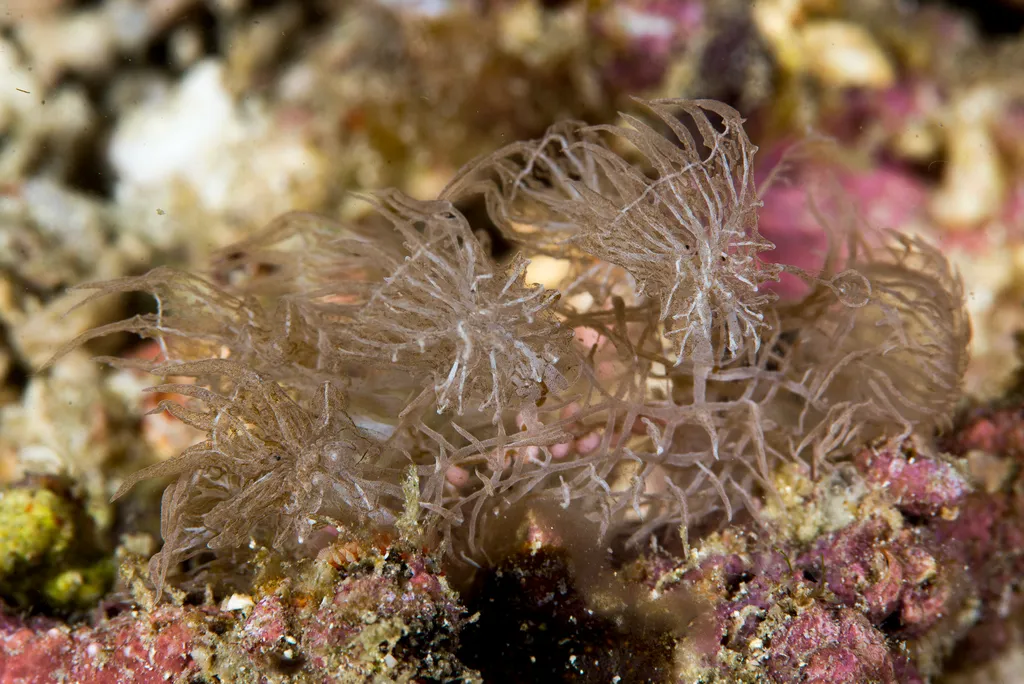
Photo by Bernard Picton / CC BY 4.0 via Wikimedia Commons
1. Named for Neville Coleman
Australian underwater naturalist Neville Coleman found and photographed the animal at Mabul; the 2012 paper commemorated him shortly after his death. Divers still use his working label Coleman's Melibe.
2. "Holy Grail" Status Is About Invisibility
Underwater photographers coined "holy grail of nudibranchs" less for rarity alone and more for the impossible silhouette—you can hover centimeters away and still mistake it for filamentous debris.
3. String-of-Snot Camouflage
The cream-brown digestive-gland reticulum shows through the transparent integument and reads as organic trash or soft-coral threads—crypsis by looking like nothing worth photographing.
4. Oral Hood Feeding
Like other Melibe, it uses an expandable oral hood to enclose small prey and swallow them whole. Gut dissections have included shelled caenogastropods; soft corals (Xenia) remain a hypothesized association/food cue in the dive literature.
5. Flattened Cerata Are the Field ID
Externally similar species (M. bucephala, M. engeli) carry more cylindrical cerata; M. colemani has laterally flattened, wedge-shaped cerata fringed with papillae—worth learning before tagging photos.
6. Type Locality Details Still Matter
Holotype habitat notes point to Mabul between old and new training jetties at 6–8 m, associated with Briareum. That specificity is gold for trip planning: ask local guides for soft-coral "ghost nudi" spots, not generic muck.
7. Romblon Reputation
Dive reports and summaries repeatedly flag Romblon (Philippines) as a hotspot where the species is comparatively abundant—useful if Mabul/Lembeh dips come up empty.
8. Coral Triangle Endemic Flavor
Confirmed recreational geography is Malaysia–Indonesia–Philippines Coral Triangle water. Do not expect Caribbean/Red Sea checklists to deliver this species.
9. Phylogeny Inside Melibe
Molecular work places M. colemani near M. engeli, M. digitata, and M. tuberculata—part of a filter-feeding Melibe radiation rather than a dorid lookalike.
10. Guide Eyes Beat Solo Hunting
Frequency logs from Lembeh call it rare. The winning tactic is soft-coral scanning with a patient local guide; random sand hunting wastes bottom time.
Diving & Observation Notes
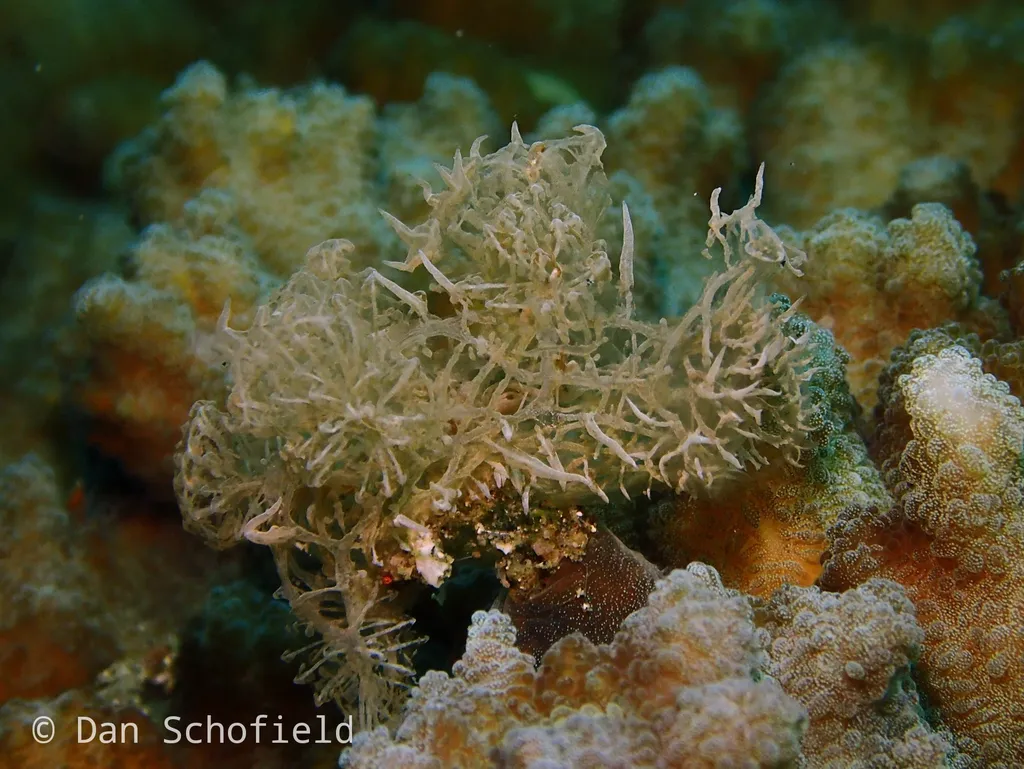
Photo by Dan Schofield / CC BY 4.0 via Wikimedia Commons
🧭 Finding the Ghost
- Brief local guides with the Latin name and "ghost / phantom / Coleman's Melibe"
- Prioritize soft-coral gardens (Xenia, Briareum) on sheltered slopes 6–25 m
- Romblon, Mabul, Lembeh, and North Sulawesi soft-coral sites are the realistic shortlist from destination data
- Once one animal is found, glass the same patch—cryptic neighbors often share the colony
Approach & Behavior
- Expect slow crawling / slight hood movements; do not fan silt—tubules disappear against haze
- Never "prod to make it move"; the body is soft and the sighting is the point
- Confirm orientation via oral hood before framing so rhinophores and cerata read correctly in the shot
Photo Tips
- Close-focus wide or short macro; push backscatter control—transparent subjects punish particle-filled water
- Side light (snoot / off-camera) can carve the tubule network without blasting white highlights through the glass body
- Include a soft-coral polyp for scale and habitat context; pure black background erases why the animal is hard to find
Ethics
- Stay off colonies; fin tips destroy the exact microhabitat you came for
- Do not detach from Briareum / Xenia for a "cleaner" frame
- Report GPS/dive-site names to local operators—helps protect known soft-coral patches from unnecessary rework
Best Places to Dive with Coleman's Melibe (Phantom Nudibranch)
Mabul
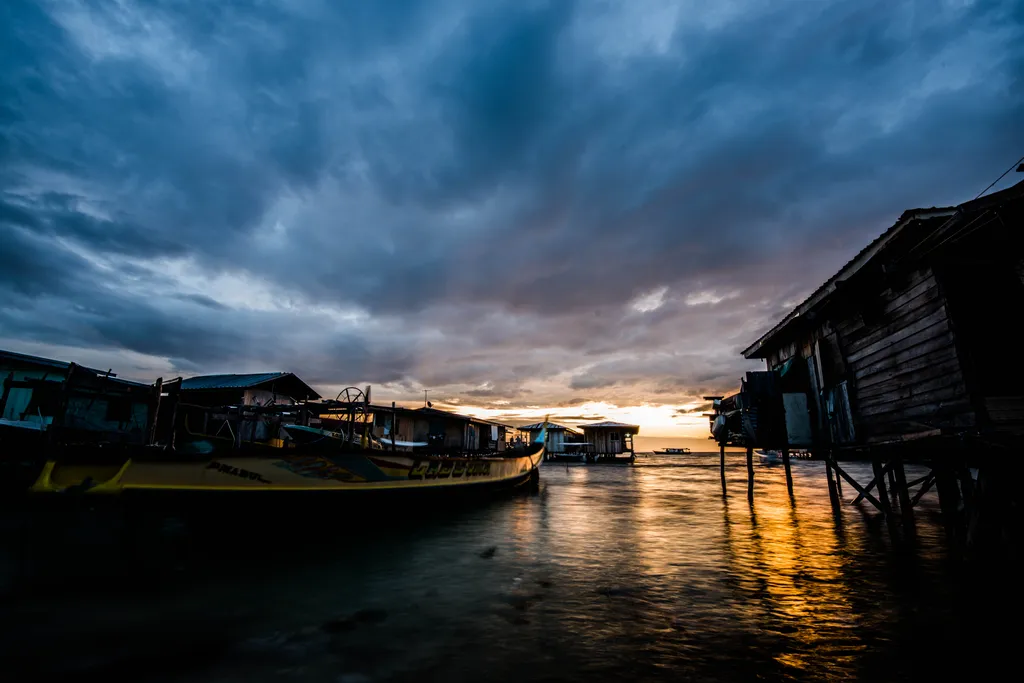
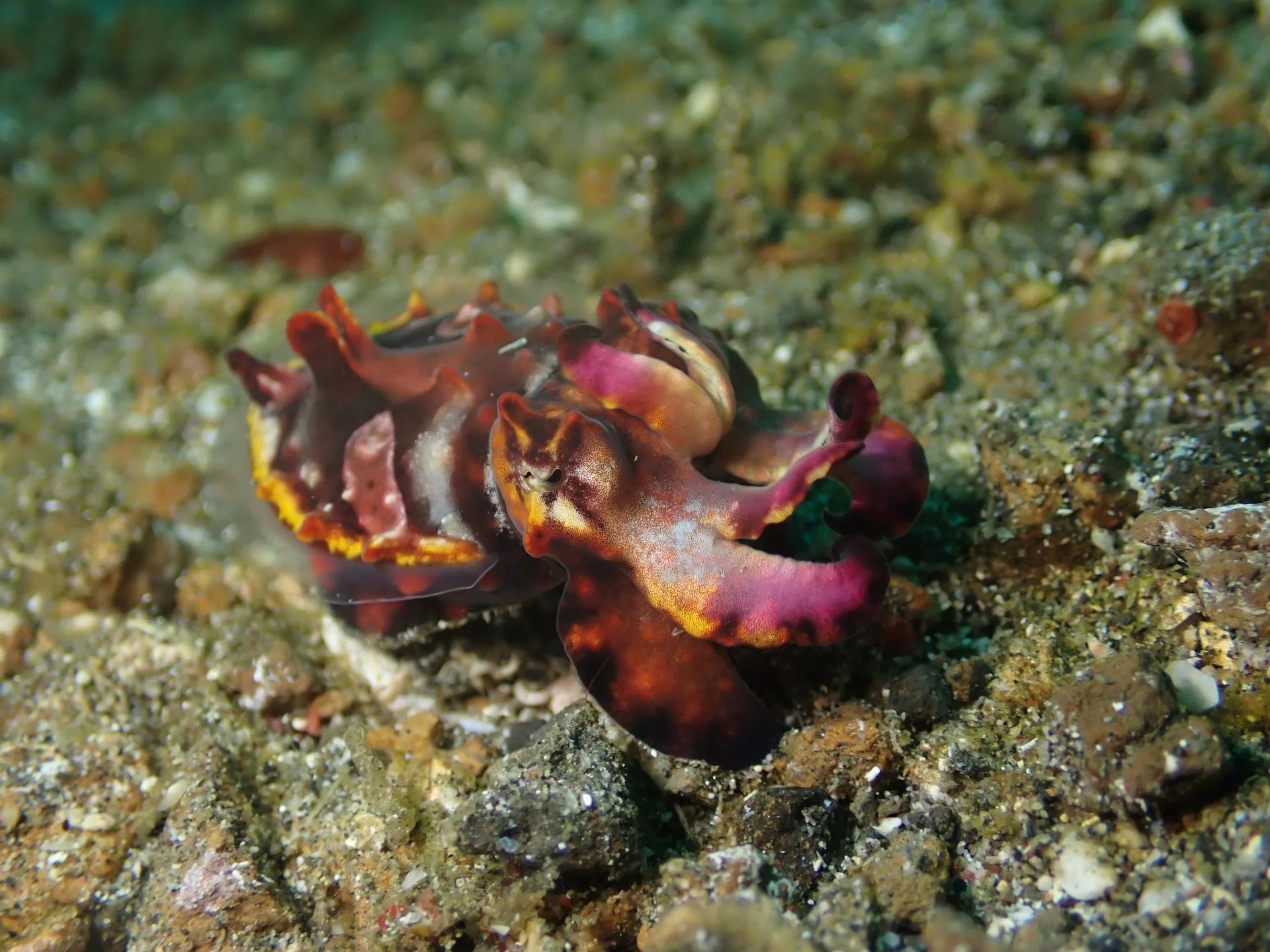
Mabul is where you come to slow down and stare at sand. The island sits in the Semporna archipelago off eastern Sabah — a flat, palm-fringed speck ringed by shallow rubble slopes, artificial reef structures, and the occasional tyre stack that macro photographers lose their minds over. Visibility rarely tops 15 m and nobody cares: frogfish the size of your thumb, flamboyant cuttlefish pulsing purple and yellow, blue-ring octopus tucked in rubble, ornate ghost pipefish, ribbon eels, pygmy seahorses in sea fans, and nudibranchs on every spare surface. This is muck diving with resort convenience — walk from your bungalow to the boat, three dives before lunch, rinse and repeat. The signature sites circle the island and nearby Seaventures rig: Froggy Lair and Crocodile Avenue for classic critter hunts, Lobster Wall and Eel Garden when you want a bit of structure, Paradise 1 & 2 for mixed reef-and-rubble variety. Night dives here are excellent — mandarinfish mating dances at dusk, bobtail squid and Spanish dancer nudibranchs after dark. Most resorts run house-reef dives and unlimited shore access between boat trips. Sipadan's barracuda tornadoes and sheer walls are 45 minutes away by speedboat, and many packages include a day or two on permit — but that's the side dish. Base yourself on Mabul for a week of macro and you won't feel cheated if the permit lottery doesn't go your way. Bring a macro lens, a patient dive guide, and low expectations for viz; bring high expectations for critters.
Lembeh
The Lembeh Strait in North Sulawesi has become famous as the muck‑diving capital of the world. At first glance its gently sloping seabed of black volcanic sand, rubble and discarded debris looks bleak. Look closer and it is teeming with weird and wonderful life: hairy and painted frogfish, flamboyant cuttlefish, mimic and blue‑ringed octopuses, ornate ghost pipefish, tiny seahorses, shrimp, crabs and a rainbow of nudibranchs. Most dives are shallow and calm with little current, making it an ideal playground for macro photographers. There are a few colourful reefs for a change of scenery, but Lembeh is all about searching the sand for critter treasures.
Romblon
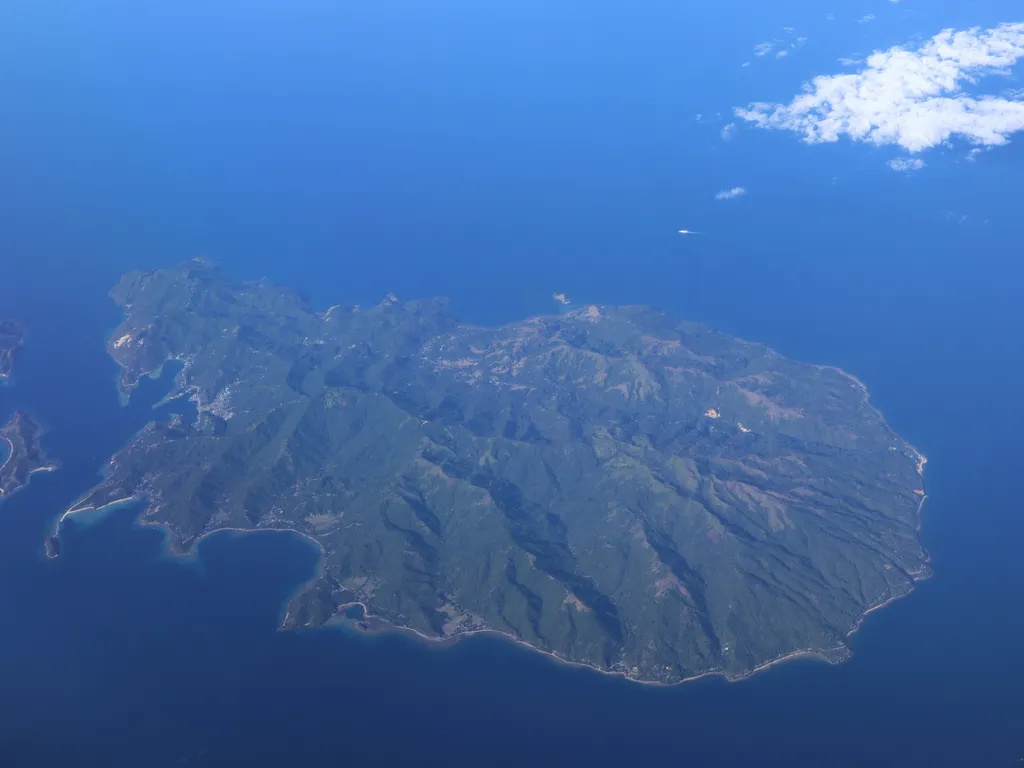
Romblon is the Philippines' quiet answer to Lembeh—a province of small islands in the Sibuyan Sea where muck slopes, fan-coral walls and marine sanctuaries stack up without the resort sprawl. Most divers base in Lonos on Romblon Island, a short hop from Tablas, and spend days hopping between black-sand critter hunts and healthier reef drops. Signature finds include wunderpus, flamboyant cuttlefish, blue-ringed octopus, four pygmy seahorse species, Melibe colemani and Cyerce nudibranchs, plus eagle rays, sea snakes and schooling fish on the outer sites. Add a chimney dive at The Blue Hole on Tablas, cavern walls at Agpanabat, and night blackwater drifts over Romblon Pass when you want something stranger than another frogfish portrait.
Komodo
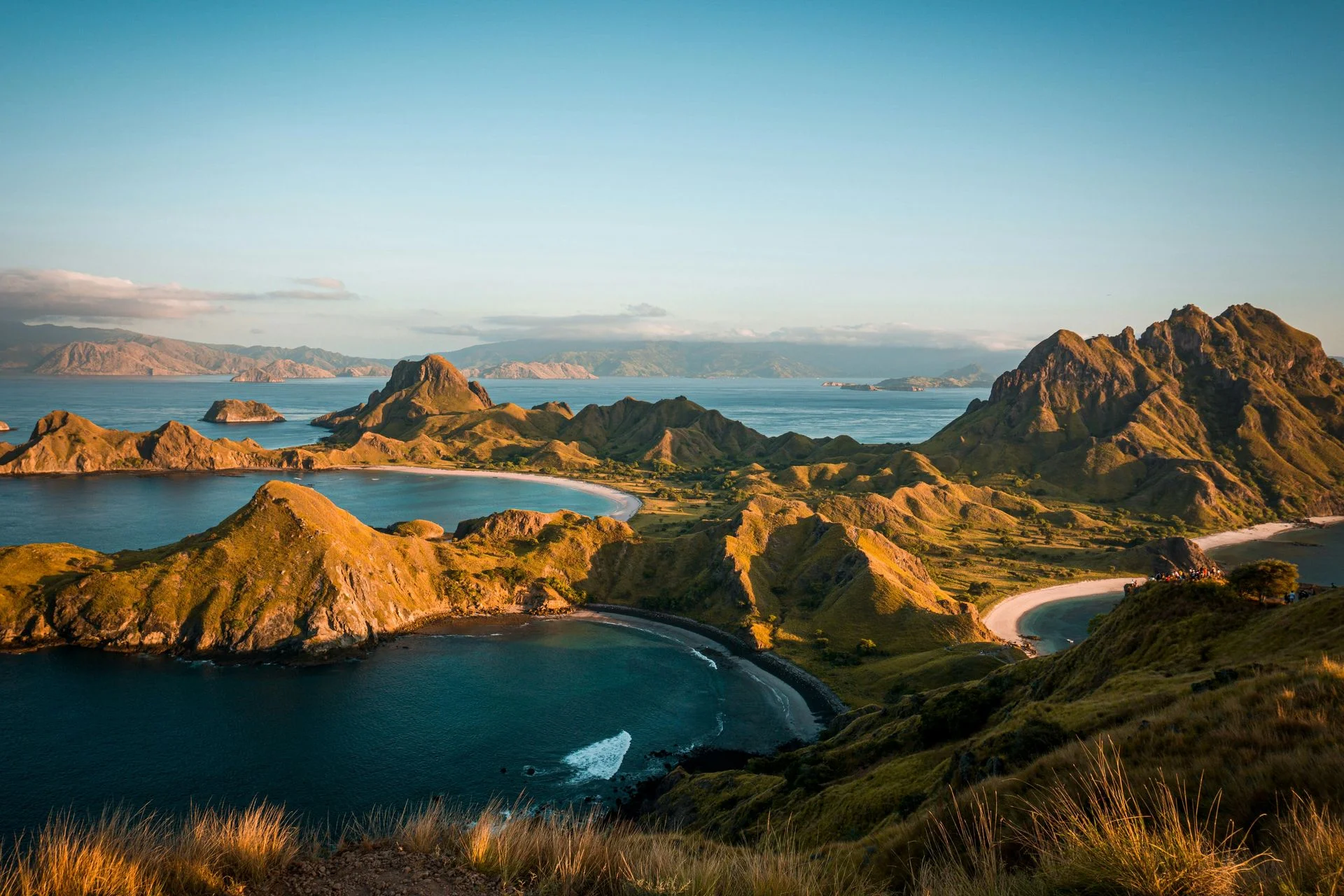
Komodo National Park is a diver’s paradise full of marine diversity: expect healthy coral gardens, reef sharks, giant trevallies, countless schools of fish, and frequent manta ray sightings at sites like Manta Point and Batu Bolong. Drift dives and dramatic reef structures add excitement, while both macro lovers and big-fish fans will find plenty to love. Above water, the wild Komodo dragons roam, giving a touch of prehistoric wonder to the whole trip.
Bunaken
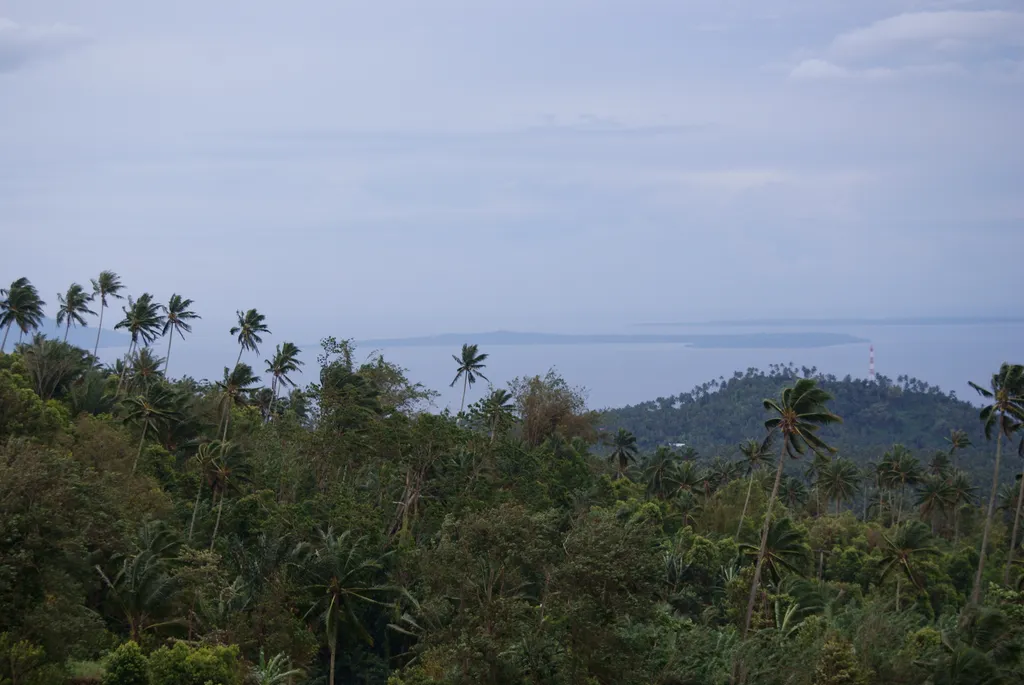
Bunaken National Park is wall-diving country: five volcanic islands—Bunaken, Manado Tua, Siladen, Mantehage, and Nain—ringed by drop-offs that fall from snorkel depth into hundreds of metres of blue. This is not the muck slopes of the Manado mainland; it is vertical reef, drift lines, and current-fed fish schools. The signature move is simple—roll off the boat at Lekuan or Muka Kampung, swim the shallow turtle flats, then hang on the wall while pyramid butterflyfish, fusiliers, and Napoleon wrasse stream past. Reef sharks patrol the corners, eagle rays cruise the blue, and barrel sponges the size of oil drums frame every wide-angle shot. Warm 27–29°C water, park protection since 1991, and island resorts that put you on the first boat at 08:00 make Bunaken the classic North Sulawesi wall trip—fly into MDC, transfer to the strait, and live on the reef for a week.
Manado
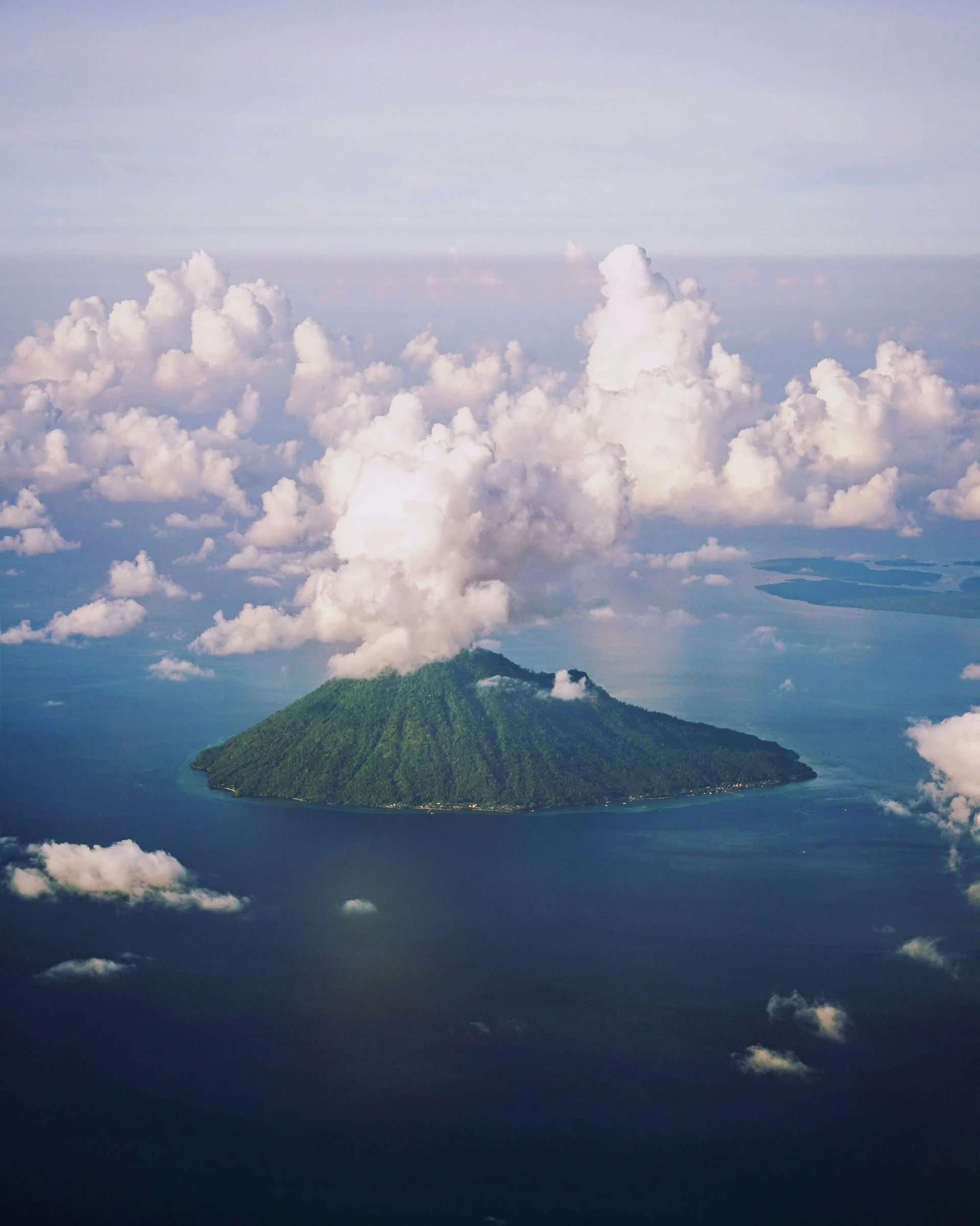
Tucked away in northern Sulawesi, Manado’s coastal waters and Bunaken National Park are a diver’s dream. Sheer coral walls plunge into the deep blue, exploding with sponges, sea fans and tropical fish, while the mainland coast hides muck‑diving gems with seahorses, ghost pipefish and mimic octopus. Dolphins and pilot whales sometimes cruise past, green turtles nap on the reef, and reef sharks and schooling jacks patrol the drop‑offs. Whether you like effortless drift dives along walls or critter hunting in sand and seagrass, Manado balances big‑fish thrills with macro treasures. Warm waters, friendly locals and laid‑back resorts make it perfect for both serious underwater photographers and casual holidaymakers.