
Stingray
Dasyatidae (family — 70+ species across Dasyatis, Hypanus, Neotrygon, Taeniura, and related genera)
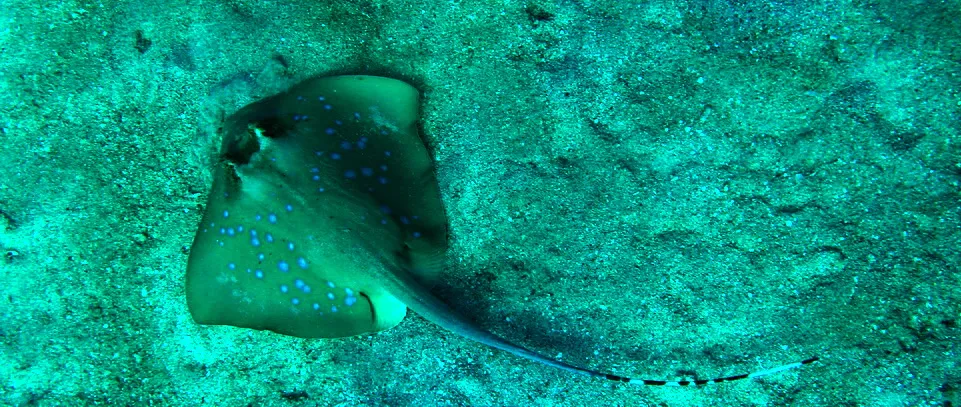
Photo by Chriswan Sungkono / CC BY-SA 3.0 via Wikimedia Commons
Stingrays are the sand flat's invisible landlords—cartilaginous fish with a rounded disc and a tail that carries one of the ocean's most infamous defensive weapons. The name covers Dasyatidae, a family of 70+ species from metre-wide giants to palm-sized reef dwellers, so your "stingray" might be a grey-brown sand ray buried in Cozumel or a blue-spotted Neotrygon on a Maldives night dive. Unlike eagle rays that glide mid-water, most stingrays hug the bottom, burying themselves until only eyes and spiracles break the surface—a habit that makes them thrilling to find and dangerous to step on. Their venomous caudal spine delivers a protein-based toxin that is heat-labile (hot water helps in first aid), but prevention beats treatment: shuffle your feet in shallow sand and never corner a ray on a dive. For photographers, a ray lifting off sand in a cloud of silt is iconic; for naturalists, they are a masterclass in camouflage and benthic ecology.
🔬Classification
📏Physical Features
🌊Habitat Info
⚠️Safety & Conservation
Identification Guide
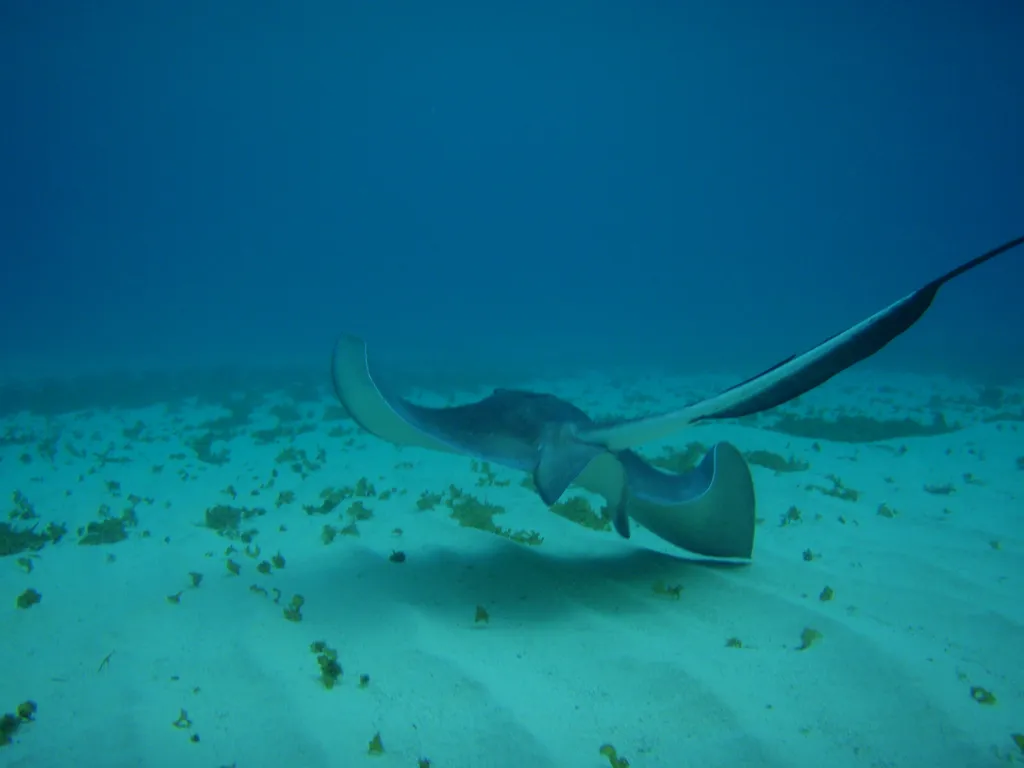
Photo by Iwillbefit1day / CC BY-SA 3.0 via Wikimedia Commons
Core Field Marks (Family-Level)
- Rounded disc: Pectoral fins form a circular to oval "pancake"—not the pointed rhomboid wings of eagle rays.
- Tail spine: One or more serrated venomous spines on the caudal fin, usually partway along the whip-like tail (species-dependent).
- Spiracles: Paired openings behind the eyes on top of the head—used to breathe while buried; often the only visible clue on sand.
- Ventral mouth: Underslung mouth and nostrils on the pale belly; eyes on dorsal surface.
- Burial posture: Classic stingray "lie"—disc flat, sand kicked over the back, eyes and spiracles protruding.
Telling Genera Apart (Where Possible)
- Neotrygon (blue-spotted stingrays): Bright blue spots on yellow-brown or grey dorsum; smaller reef species; Indo-Pacific.
- Hypanus (southern stingray and relatives): Plain uniform grey-brown; large Atlantic/Caribbean sand rays; no bold spotting.
- Taeniura (round ribbontail rays): Dark dorsum with pale rings or spots; thick tail with spine(s); often in caves or under ledges.
- Dasyatis / Pteroplatytrygon: Classic whiptail silhouette; reticulated or plain patterns; size varies widely.
Don't Confuse With
- Eagle rays (Myliobatidae): Pointed wing corners, rhomboid disc, often mid-water gliders; different tail spine placement.
- Electric rays (Torpedinidae): Thick disc, smooth skin, no prominent tail spine; can deliver electric shock.
- Skates (Rajidae): Often more angular disc; no venomous spine on tail (though some have dorsal spines); different reproductive biology.
Size & Depth Caveat
Disc width spans 18 cm to 2.6 m across the family—typical dive encounters run 30–150 cm. Always confirm local species with your guide; depth and toxicity risk scale with size and habitat.
Top 10 Fun Facts about Stingray
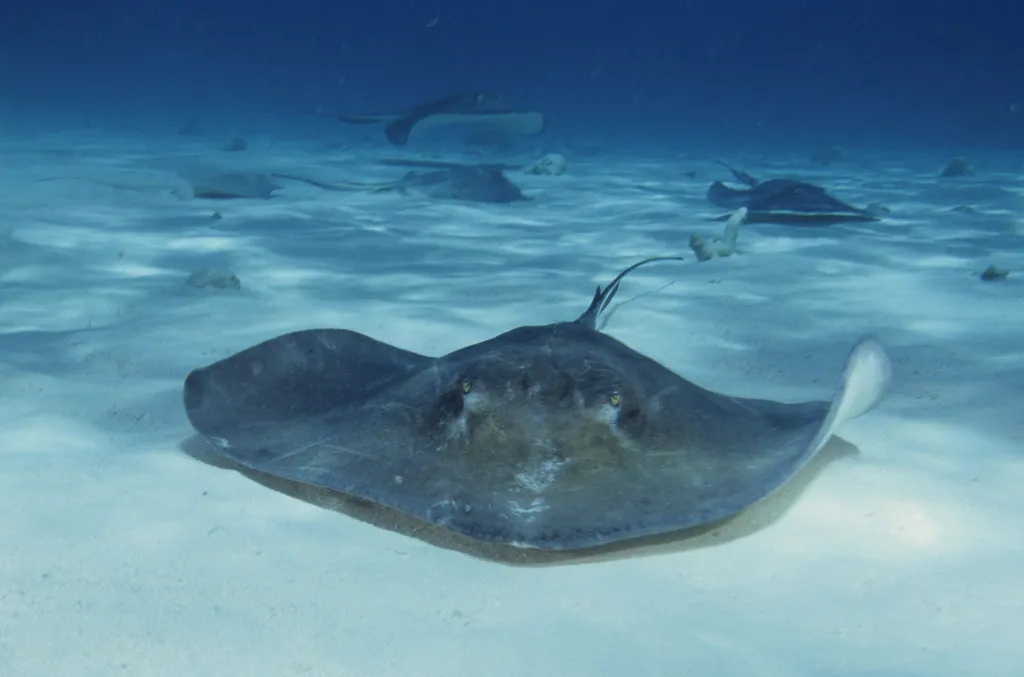
Photo by Barry Peters` from Doylestown / CC BY 2.0 via Wikimedia Commons
1. "Stingray" Is a Huge Family, Not One Species
Divers say stingray casually, but the label covers Dasyatidae—70+ species in genera like Dasyatis, Hypanus, Neotrygon, and Taeniura. A blue-spotted reef ray in the Similan Islands and a two-metre southern stingray in Belize share a family name but differ in size, pattern, depth, and conservation status. Treating them as interchangeable misses the point of reef biodiversity.
2. Masters of Sand Burial
Stingrays are famous for crypsis: they settle on sand or mud, flap pectoral fins to cover the dorsum, and leave only eyes and spiracles above the substrate. Spiracles draw water over gills while the mouth stays buried—breathing without revealing the whole animal. This is why shuffle-steps matter in waist-deep water: you are walking over invisible fish. On scuba, the thrill is spotting the "smile" of two eyes before the ray bolts.
3. The Venomous Spine—Designed for Defense, Not Hunting
The caudal spine is a modified scale with venom glands along grooves. Toxin is protein-based and heat-labile—immersion in hot water (not scalding) is standard first aid alongside medical care. Stings happen when rays are stepped on, pinned, or grabbed—almost never from unprovoked attacks on divers. The spine can break off in the wound; never assume a partial sting is harmless.
4. Hypanus and the Caribbean Sand Flat Icon
In Cancún, Cozumel, and Belize, large plain grey-brown rays—often Hypanus americanus (southern stingray)—patrol shallow sand flats and accept squid from snorkel tours at famous feed sites. These encounters look tame but the spine remains fully functional. Wild rays on scuba are shyer; fed-site behaviour is not representative of all stingrays worldwide.
5. Blue-Spotted Beauties of the Indo-Pacific
Neotrygon species—the blue-spotted stingrays—are macro favourites on reefs from the Maldives to Tulamben and Anilao. Electric-blue ocelli on a golden or grey disc make them easy to ID when exposed on rubble or under ledges. They are smaller than Caribbean sand giants but pack the same venomous tail. Night dives often reveal them foraging actively when day burial ends.
6. Crushing Teeth for Bottom Feeders
Stingrays are benthic predators and scavengers with plate-like teeth suited to crushing shellfish, worms, and crustaceans. The mouth on the underside vacuums prey from sand; feeding rays kick up distinctive sand clouds. Watching a buried ray suddenly exhale a plume of sediment as it digs for a clam is one of the best "hidden life" moments on a muck or sand-flat dive.
7. Depth From Shallow Lagoons to 200+ Metres
The family spans 3–200+ m—from knee-deep Florida Keys grass flats to deep-slope species rarely seen on recreational dives. Most holiday encounters sit in 5–40 m: seagrass meadows (Marsa Alam, Dahab), reef lagoons (Maldives, Lembongan), and sandy channels (Phuket, Koh Tao). Night dives in the Red Sea and Similan Islands often produce more active rays than midday sand sweeps.
8. Live Birth and Slow Life History
Stingrays are viviparous—pups develop inside the mother with yolk-sac or uterine milk nourishment depending on species. Litter sizes are modest, gestation long, and maturity delayed. This slow life history makes populations vulnerable to overfishing even when individual species are still listed Least Concern. Regional declines in SE Asia and the Caribbean are well documented.
9. Fisheries, Habitat Loss, and the Fin Trade
Stingrays are caught for meat, leather, and aquarium trade; shallow nurseries in estuaries and lagoons are degraded by coastal development. Several species have moved from Least Concern toward Near Threatened or Vulnerable as trawl bycatch and targeted fisheries add up. Your encounter in a marine park may depend on connectivity to unprotected sand flats used as pupping grounds.
10. Famous Aggregations and Cleaning Behaviour
Some sites host year-round or seasonal gatherings—sandy channels in the Maldives, Ningaloo's shallow bays, or Red Sea reef flats where multiple rays rest together by day. Cleaner wrasse and gobies pick parasites from ray gills and skin at stations on reef edges. A stingray hovering patiently while cleaners work is a quiet highlight—approach slowly from the front and never block escape routes toward open sand.
Diving & Observation Notes
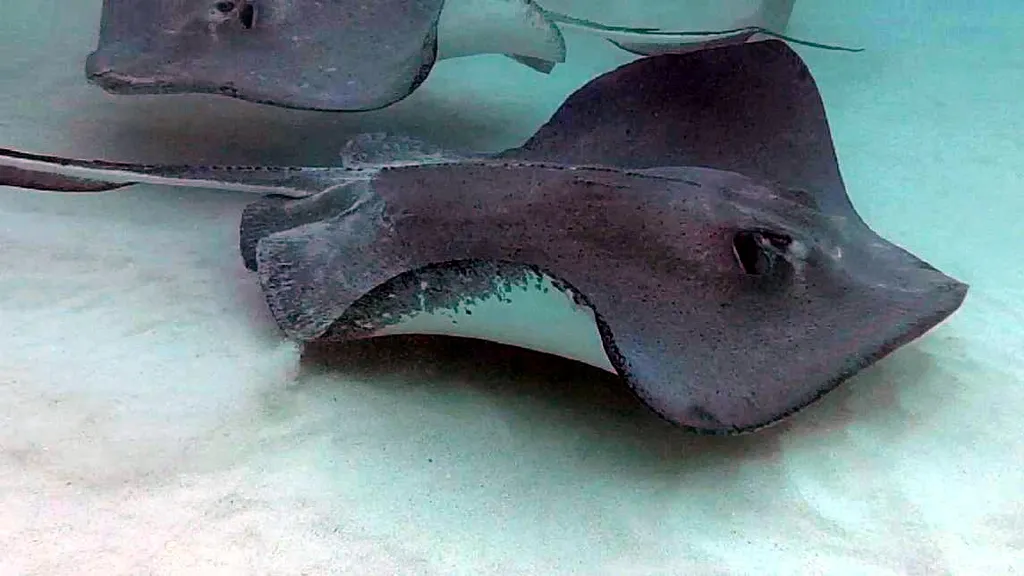
Photo by Lhb1239 / CC BY-SA 3.0 via Wikimedia Commons
🧭 Finding Stingrays
Sweep sand flats, seagrass meadows, lagoon floors, and reef rubble patches in 5–40 m—the core recreational band. Day dives: look for paired eyes and spiracle bumps on otherwise featureless sand; check under ledges and in caves for Taeniura-type ribbontail rays. Night dives (Dahab, Marsa Alam, Similan, Tulamben) often reveal rays actively foraging when burial behaviour ends. Famous sand-channel sites in the Maldives, Belize, and Cozumel can produce multiple individuals; Ningaloo and Redang offer shallow bay encounters. Shuffle or hover low—never land on unseen bottom in stingray country.
🤿 Approach & Behavior
- Buried rays bolt: Disturbing sand over a hidden ray triggers a explosive takeoff and tail whip—approach sand patches slowly and give wide berth when you spot eyes.
- Tail arc zone: Stay to the side or front of the disc; the venomous spine strikes upward and backward. Never grab the tail or pin a ray for photos.
- Fed vs wild: Tourist feed sites (some Caribbean snorkel stops) produce habituated rays—different from shy wild animals on scuba; don't expect hand-feeding behaviour on a normal dive.
- Night foraging: Active rays on night dives may ignore divers more than buried day animals—still maintain distance; foraging rays are easily startled.
📸 Photo Tips
- Eyes-on-sand reveal: A macro or mid-wide shot of just eyes and spiracles above sand tells the burial story—low angle, minimal disturbance.
- Takeoff burst: Pre-set higher ISO for the moment a ray lifts off; sand plumes backlight dramatically with a strobe from the side.
- Blue-spotted species: Neotrygon reward careful approach with snoot or video light—expose for spots without blowing highlights.
- Wide sand context: For large Hypanus-type rays, include seagrass or reef edge for scale; shoot from ahead of their path, not behind the tail.
⚠️ Ethics & Safety
- Shuffle in shallows: Mandatory in surf entries and snorkel sand flats—most stings are wading injuries, not scuba incidents.
- No touching, no riding: "Stingray city" tourism has normalised contact; on conservation-minded dives, observe without handling—spine and mucus coat both matter.
- Know heat-labile first aid: Operators in stingray-heavy regions should carry hot-water capability; divers should know sting protocol.
- Support habitat protection: Seagrass and lagoon nurseries are easily damaged by anchoring and dredging—choose operators that respect no-anchor zones and report injured rays to local authorities when safe to do so.
Best Places to Dive with Stingray
Belize
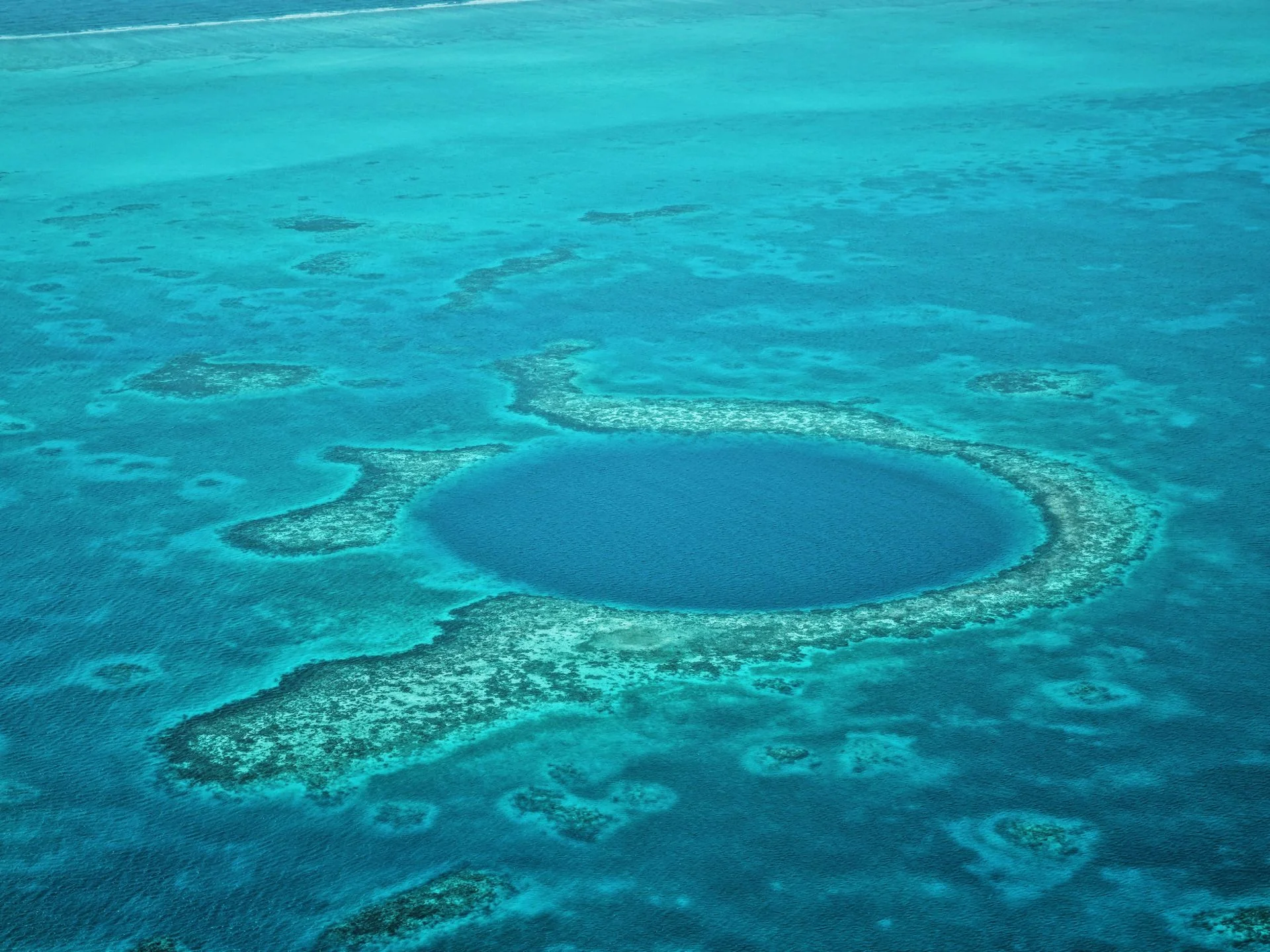
Straddling the Caribbean and Central America, Belize is home to the world’s second‑largest barrier reef and a string of offshore atolls. Warm, clear water and a relaxed tropical vibe make it a favourite with divers of all levels. The flagship attraction is the Great Blue Hole, a 300‑m‑wide limestone sinkhole plunging to 124 m, but Belize’s real magic lies in its walls and coral gardens. Turneffe Atoll and Lighthouse Reef teem with reef sharks, turtles, eagle rays and massive barrel sponges. Gladden Spit hosts whale sharks from April to June, while Hol Chan Marine Reserve and Shark Ray Alley offer easy snorkelling with nurse sharks and stingrays. Whether you’re a beginner completing your first course or an experienced diver chasing pelagics, Belize delivers with friendly people and laid‑back island life.
Maldives
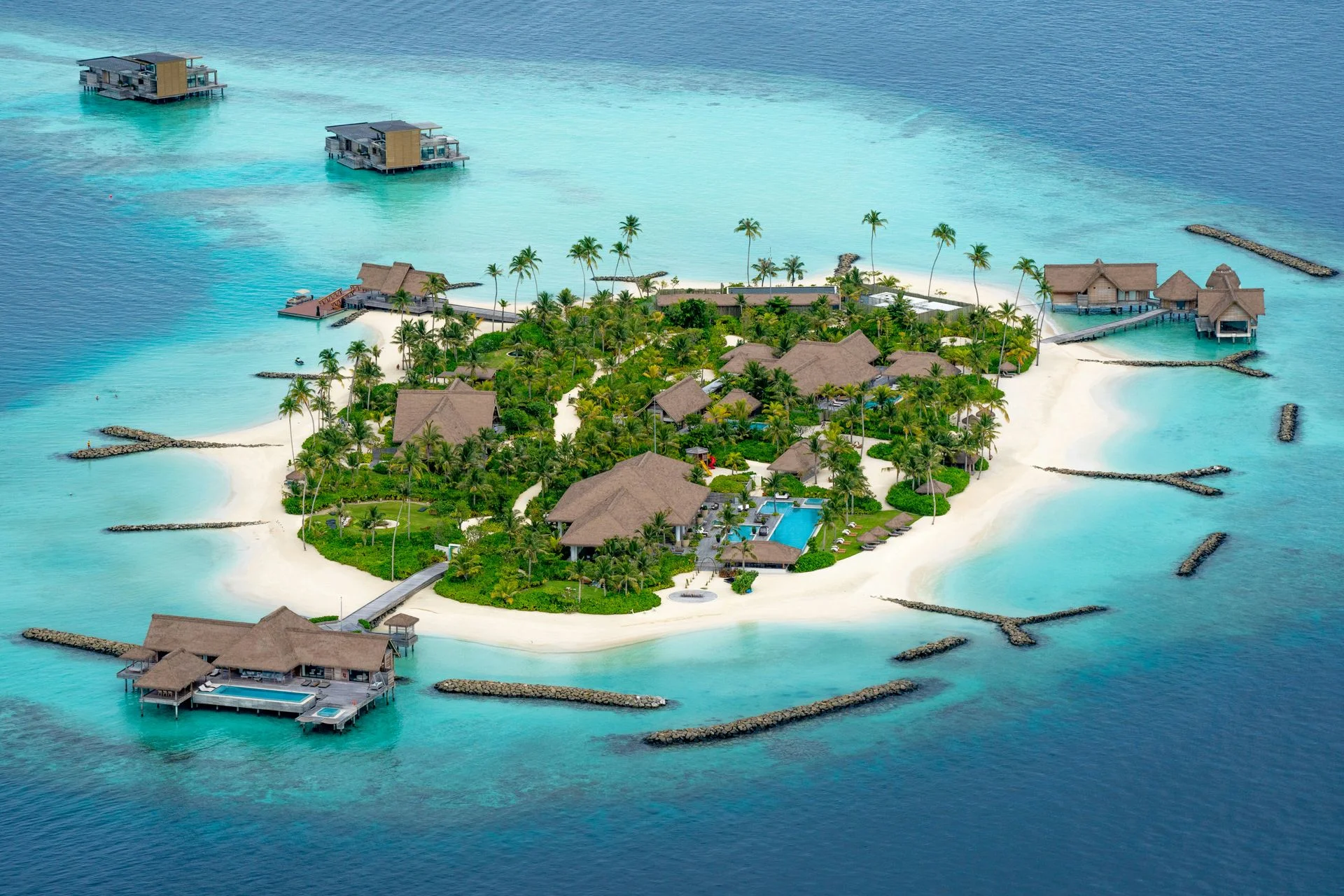
Scattered across the Indian Ocean like strings of pearls, the Maldives’ 26 atolls encompass more than a thousand low‑lying islands, reefs and sandbanks. Beneath the turquoise surface are channels (kandus), pinnacles (thilas) and lagoons where powerful ocean currents sweep past colourful coral gardens. This nutrient‑rich flow attracts manta rays, whale sharks, reef sharks, schooling jacks, barracudas and every reef fish imaginable. Liveaboards and resort dive centres explore sites such as Okobe Thila and Kandooma Thila in the central atolls, manta cleaning stations in Baa and Ari, and shark‑filled channels like Fuvahmulah in the deep south. Diving here ranges from tranquil coral slopes to adrenalin‑fuelled drifts through current‑swept passes, making the Maldives a true pelagic playground.
Cancun
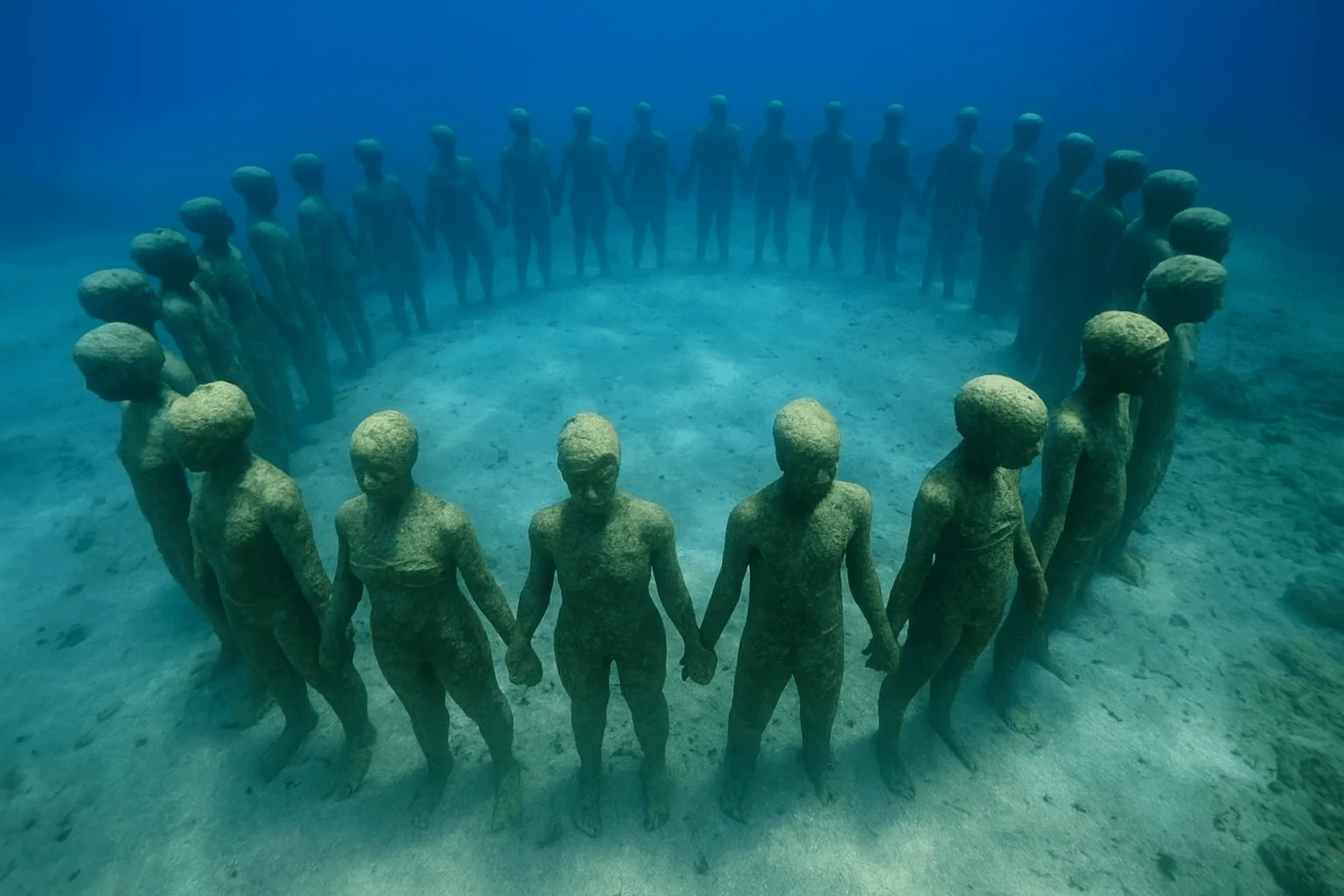
Situated on Mexico’s Caribbean coast, Cancun pairs world‑class resorts with unexpectedly rich underwater adventures. The warm, turquoise waters off the Hotel Zone and nearby Isla Mujeres host vibrant coral reefs, an underwater sculpture garden and historic wrecks. Visibility often exceeds 25 m and water temperatures rarely dip below 24 °C, so divers can explore year‑round. From calm shallow reefs teeming with tropical fish to adrenaline‑charged bull shark dives and seasonal whale shark encounters, Cancun offers something for every level of diver.
Koh Tao
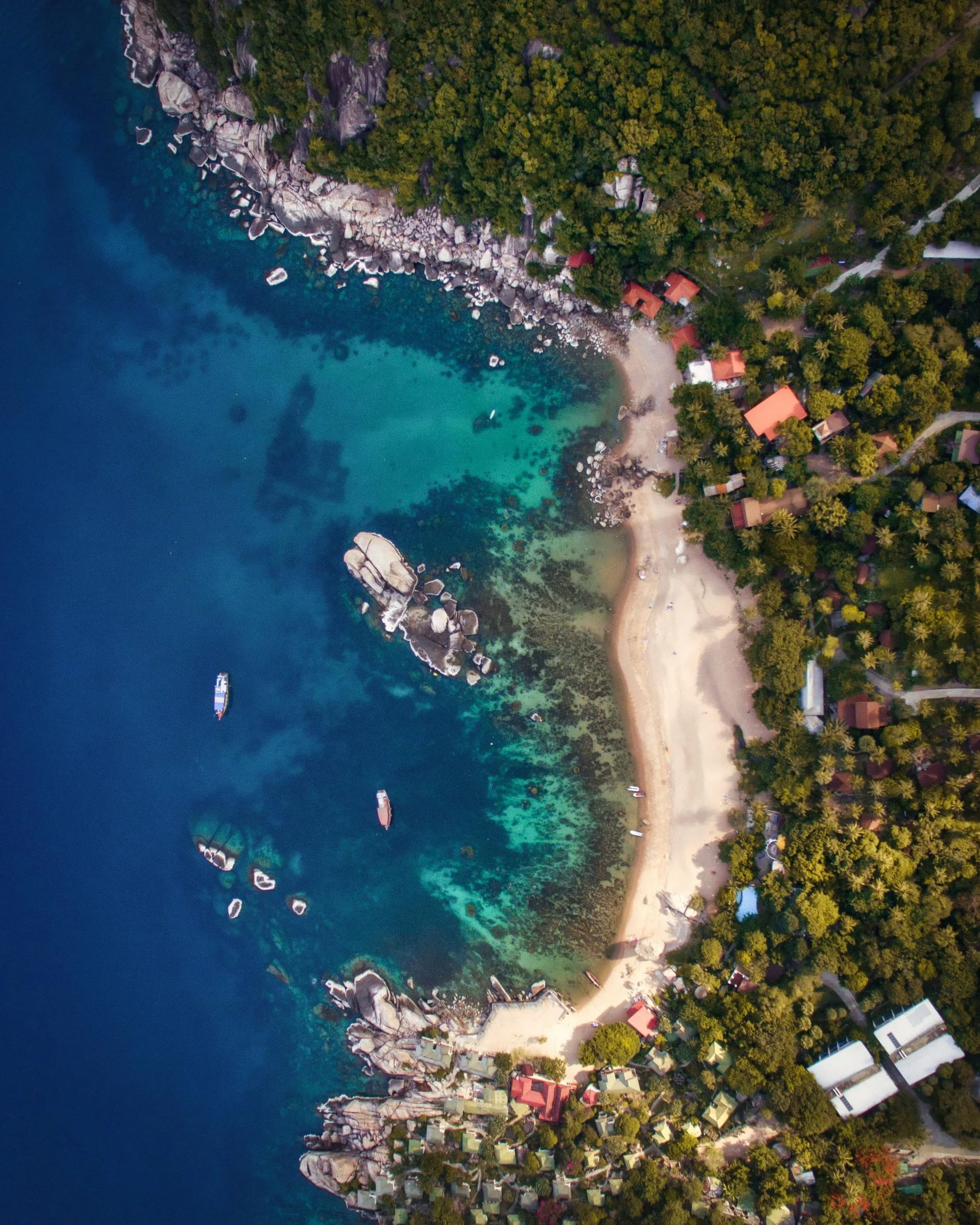
Koh Tao — literally “Turtle Island” — is a compact jewel in the Gulf of Thailand that has become Asia’s mecca for learning to dive. Its sheltered bays and offshore pinnacles host a surprising variety of marine life: coral gardens alive with parrotfish and angelfish, rocky domes where barracuda and trevally swirl, and the occasional whale shark gliding in from the blue. Warm, clear water and a laid‑back island vibe make it ideal for beginners, but seasoned divers will still find thrills at deeper sites like Chumphon and Southwest Pinnacles.
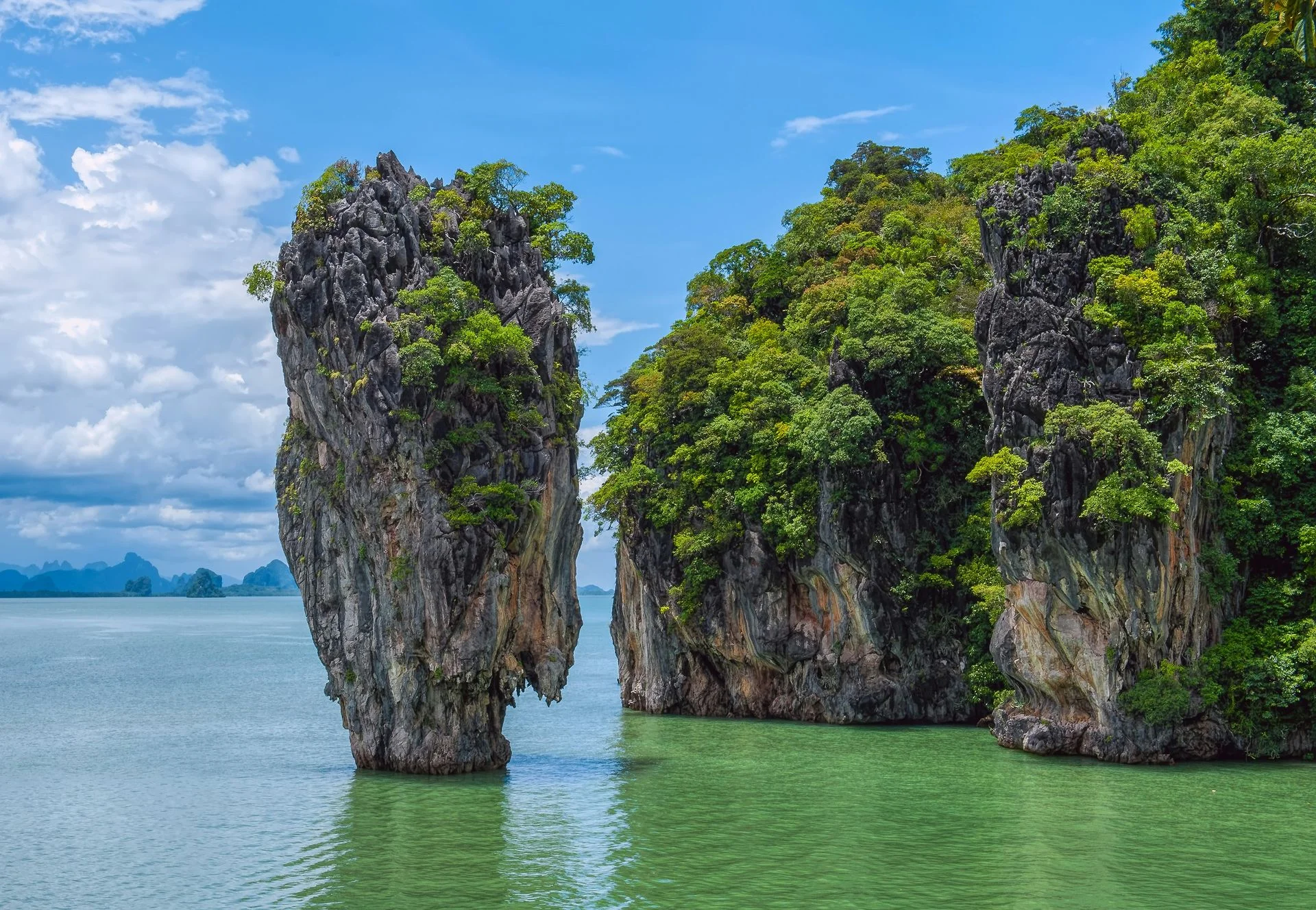
Phuket
Phuket is Thailand’s largest island and a gateway to the Andaman Sea’s best diving. While its beaches draw sun‑seekers, just offshore you’ll find coral slopes, granite pinnacles, dramatic walls and an intriguing shipwreck teeming with life. The nearby Racha islands offer year‑round clear water and easy dives, while to the east the King Cruiser ferry wreck, Shark Point, Anemone Reef and Koh Doc Mai deliver deeper currents, leopard sharks and superb soft corals. With a busy international airport and plenty of dive centres, Phuket is a convenient base for day trips and liveaboards further afield.
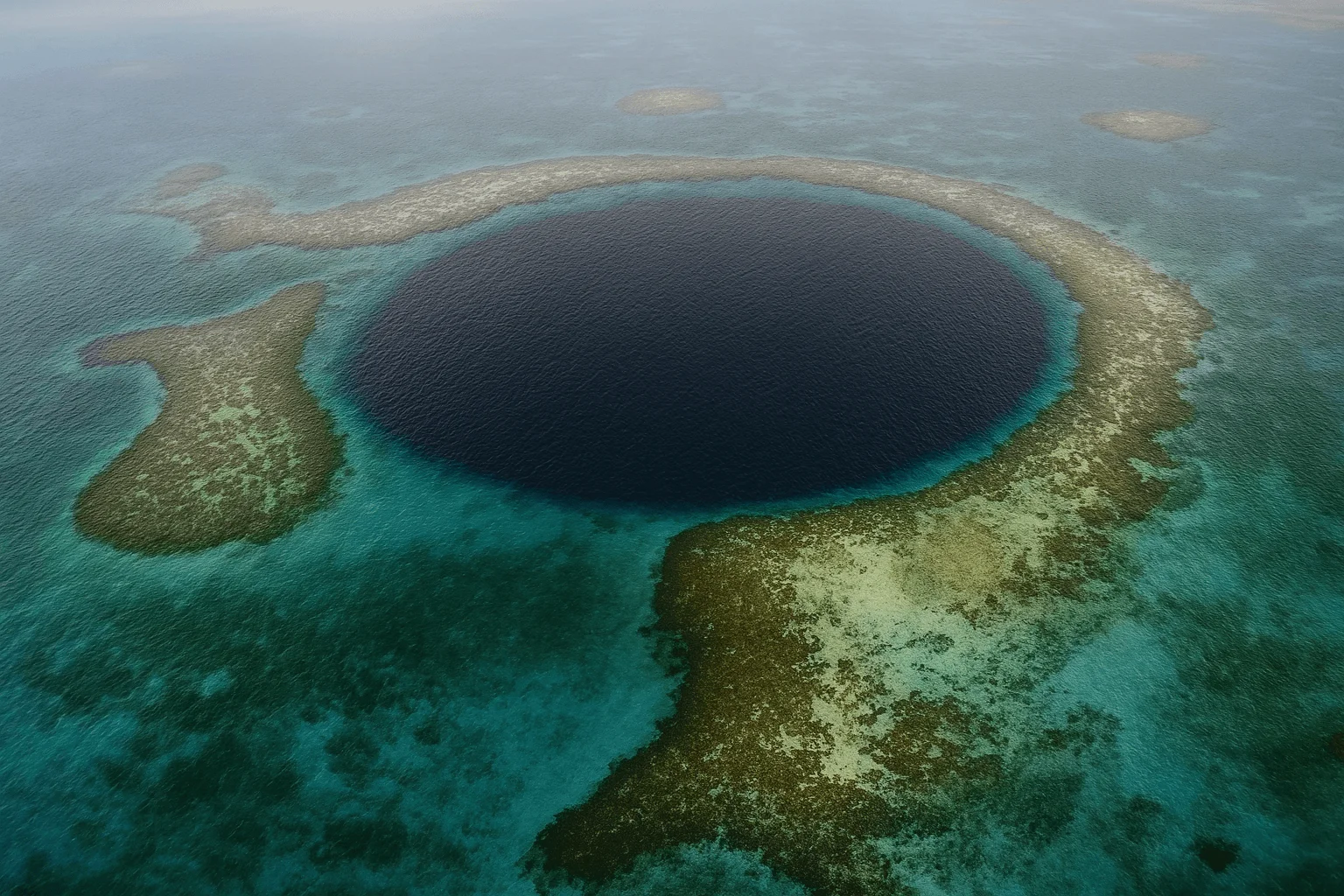
Dahab
Dahab is a laid‑back Bedouin village on Egypt’s Sinai Peninsula that has become a magnet for divers and free divers alike. The fringing reef starts just a few metres from the beach, dropping into a coral‑covered plateau and steep walls cut by canyons and chimney‑like holes. From beginner‑friendly shore entries at Lighthouse and Coral Garden to the legendary Blue Hole and Canyon, Dahab offers reef gardens full of anthias, butterflyfish and turtles as well as thrilling drift dives and deep blue walls. Year‑round sunshine, clear desert air and a bohemian vibe make it easy to spend weeks exploring the many dive sites along the shoreline and by boat.
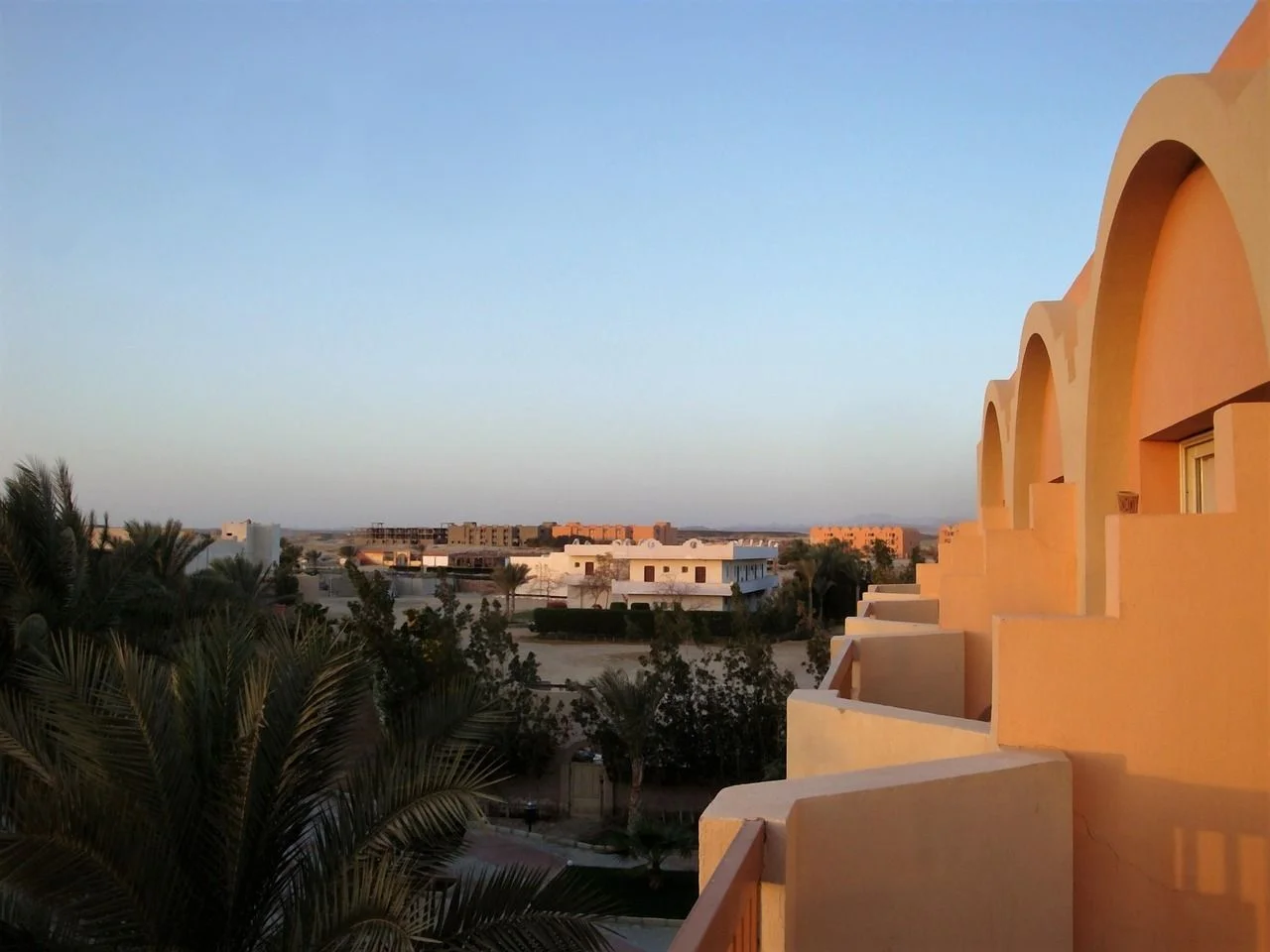
Marsa Alam
Once a sleepy fishing village on Egypt’s southern Red Sea coast, Marsa Alam is now synonymous with pristine reefs, encounters with sharks and dolphins, and long, deep walls far from the crowds. Stretching from El Quseir in the north to Wadi Lahami in the far south, the region encompasses famous offshore pinnacles such as Elphinstone and Daedalus, seagrass meadows where dugongs graze, and shallow bays sheltering green turtles. Compared to Hurghada and Sharm, the reef systems here are relatively untouched and the crowds thin, making Marsa Alam ideal for divers seeking pelagics, dramatic drop‑offs and a taste of the desert wilderness.
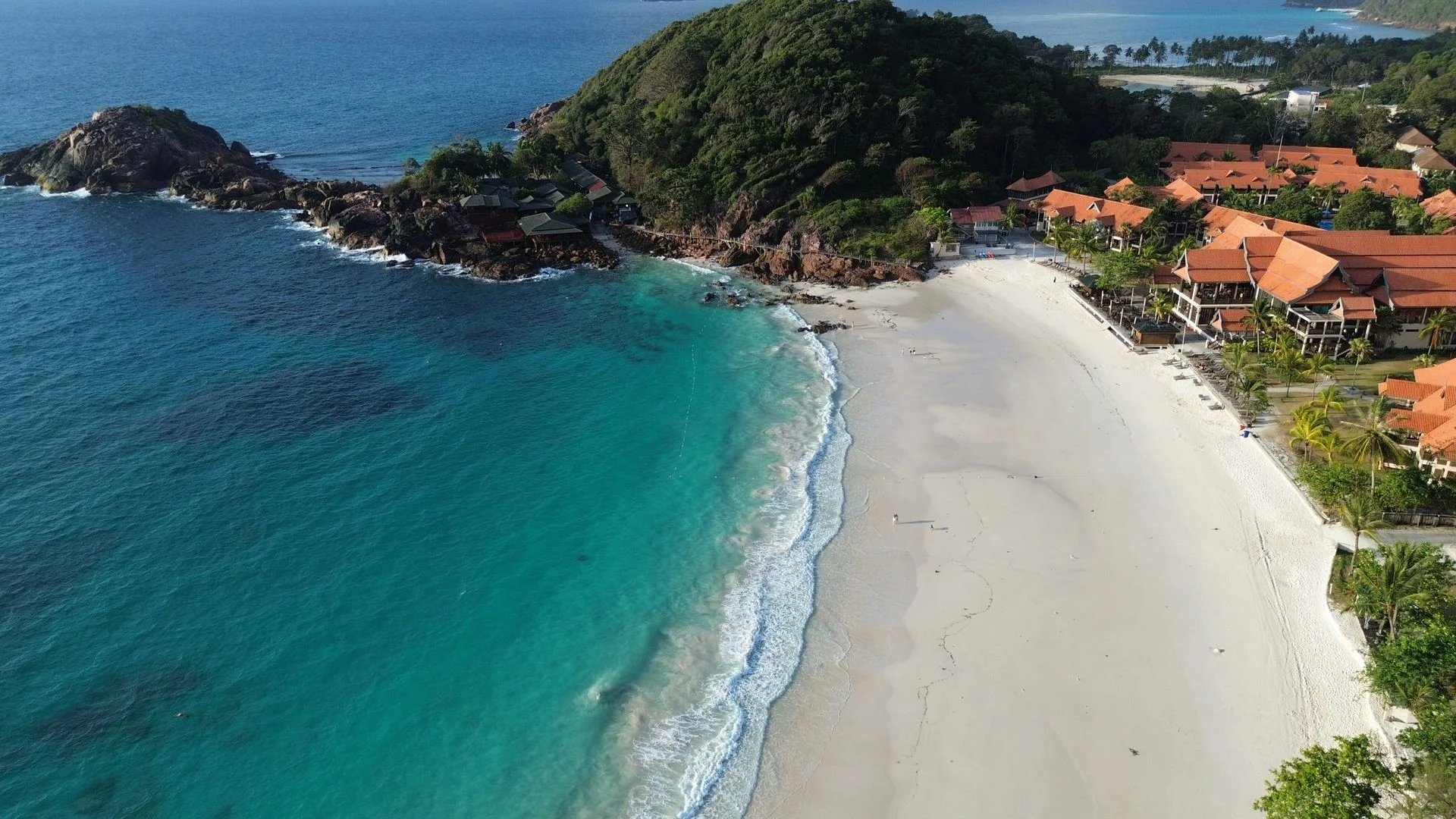
Redang
Pulau Redang is the largest island in Terengganu Marine Park and one of Malaysia’s most beautiful beach destinations. Its powder‑white sand, crystal‑clear lagoons and gently sloping reefs make it a favourite for snorkellers and divers alike. The island is ringed by more than twenty dive sites, from shallow coral gardens and turtle cleaning stations to submerged pinnacles and small wrecks. The reefs are healthy and full of life: schooling snappers and fusiliers flash over hard coral plateaus, while reef sharks, bumphead parrotfish and Napoleon wrasse patrol the edges. Redang’s relaxed atmosphere and warm, calm water make it a great place for beginners, yet experienced divers will enjoy exploring deeper seamounts and searching for macro critters among the coral heads.
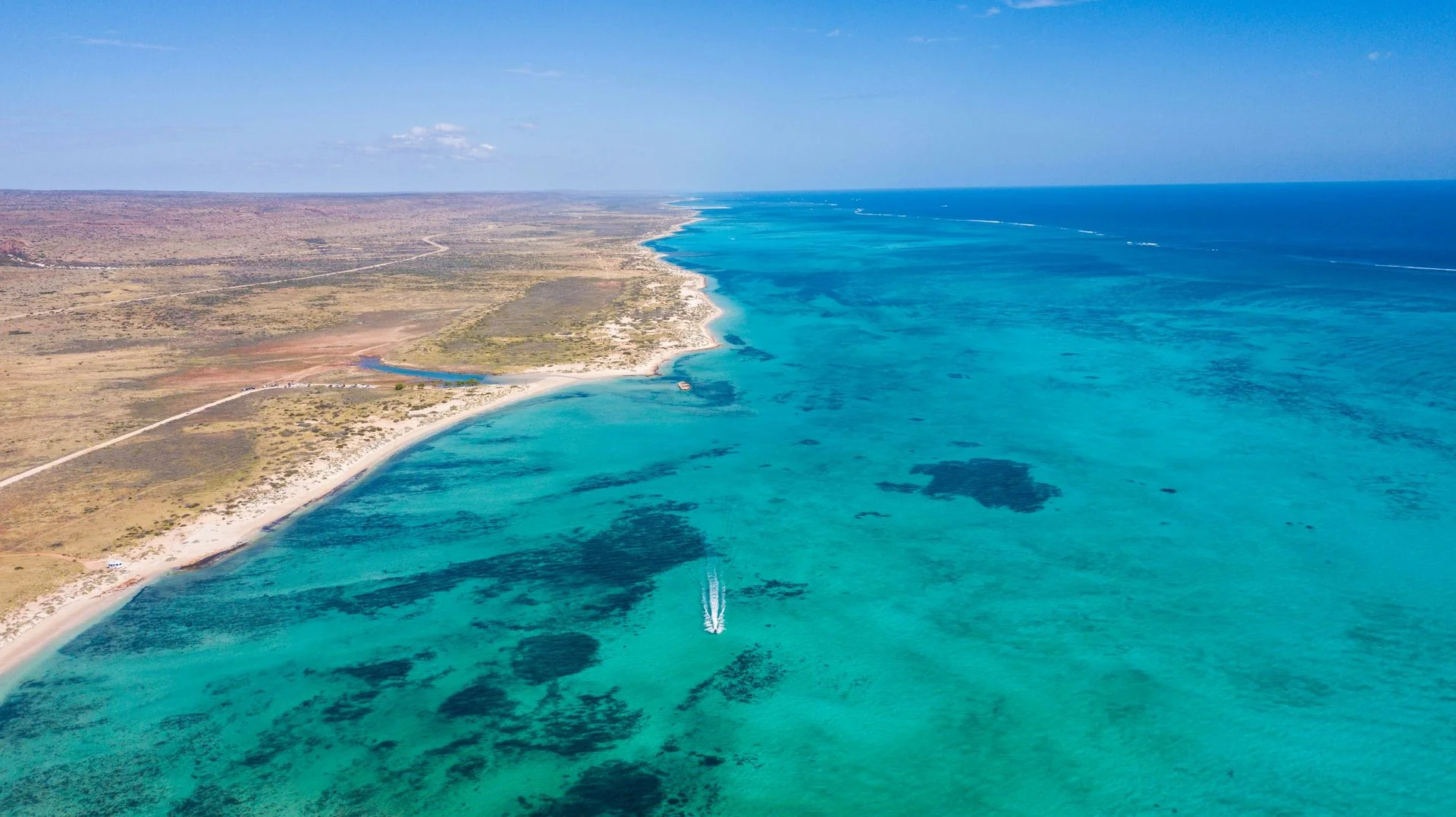
Ningaloo Reef
Stretching for over 300 km along Western Australia’s remote mid‑north coast, Ningaloo Reef is one of the world’s longest fringing reefs and a UNESCO World Heritage site. Unlike the barrier reefs further east, Ningaloo sits just off the beach—often no more than a few fin kicks from the shoreline—making its turquoise lagoons and outer drop‑offs incredibly accessible. The reef is famous for seasonal whale sharks (March–August) and migrating humpback whales (June–November), and its manta ray cleaning stations, dugongs, reef sharks, turtles and colourful coral gardens mean there’s always something to see. Dive operators based in Exmouth and Coral Bay offer day trips to sites like Central Station, The Canyon and the legendary Exmouth Navy Pier, as well as expeditions to the coral‑clad Murion Islands. With clear, warm water and gentle currents, Ningaloo is ideal for both snorkellers and divers seeking megafauna encounters without the crowds.
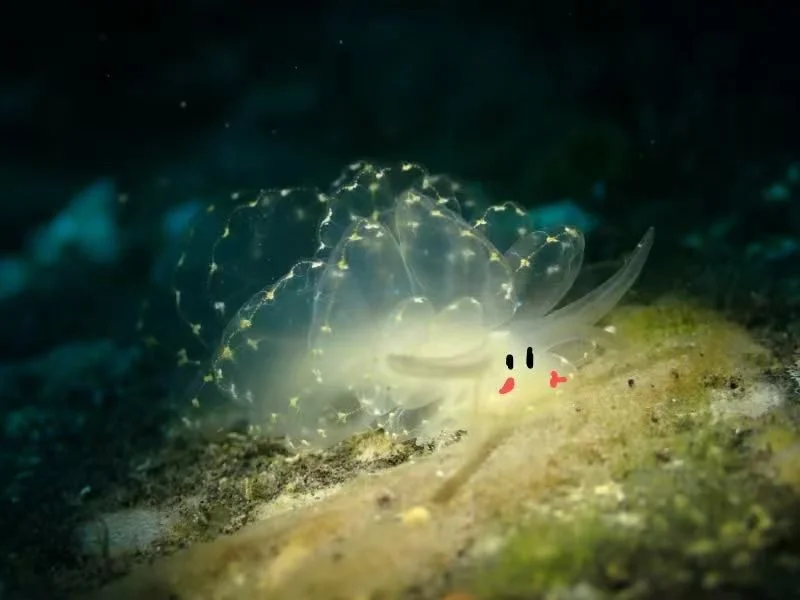
Tulamben(Bali)
Tulamben sits on Bali’s northeast coast and is best known for the USAT Liberty shipwreck – a 125‑metre cargo ship torpedoed in WWII that now lies just a short swim from shore. Warm water, mild currents and straightforward shore entries make diving here relaxed for all levels. Besides the wreck, divers can explore coral gardens, black‑sand muck sites and dramatic drop‑offs. Macro lovers will find nudibranchs, ghost pipefish, mimic octopus and pygmy seahorses, while big‑fish fans can encounter schooling jackfish, bumphead parrotfish and reef sharks. With a compact coastline packed with variety, Tulamben delivers world‑class wreck and critter diving without long boat rides.
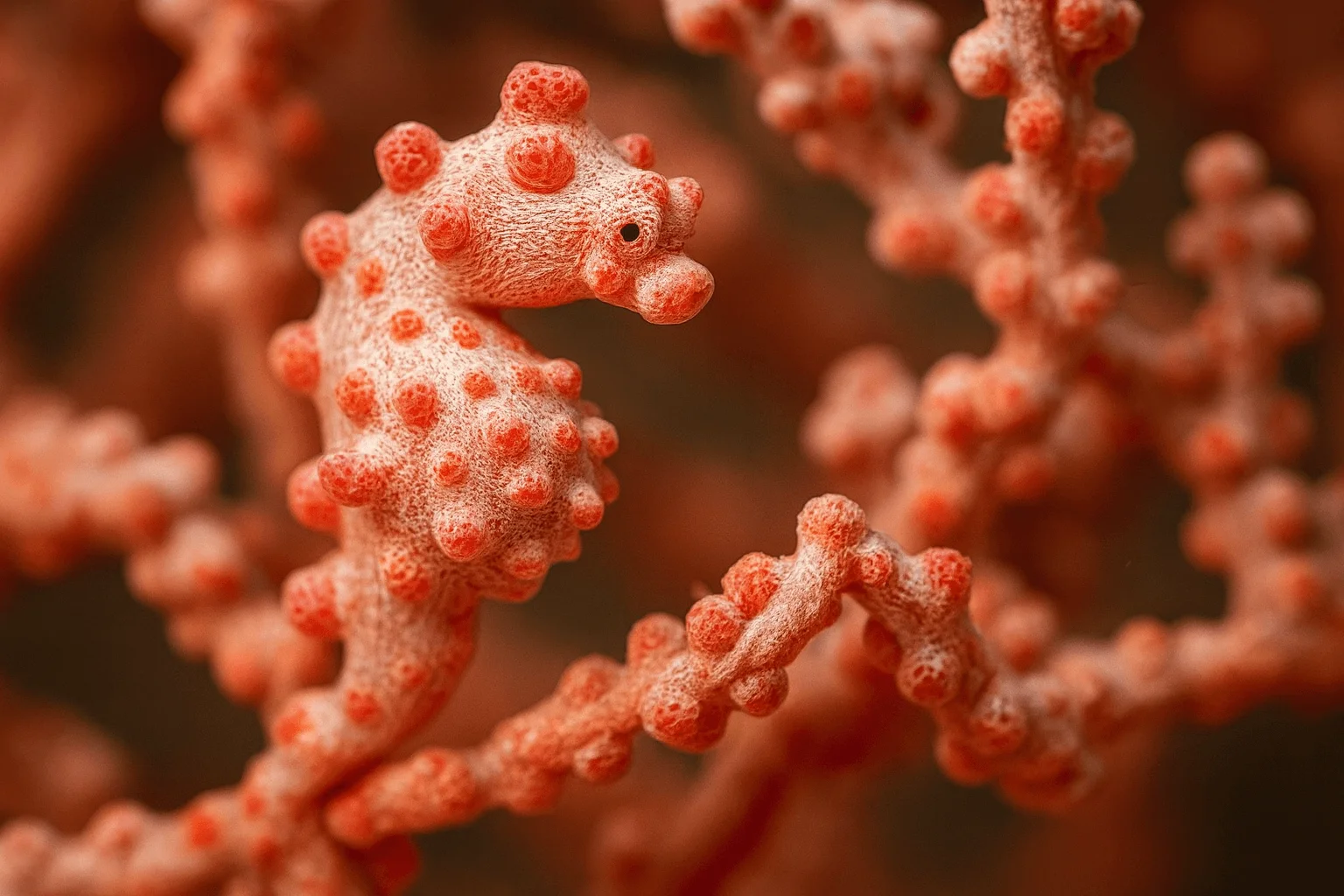
Anilao
Anilao, a small barangay in Batangas province just two hours south of Manila, is often called the macro capital of the Philippines. More than 50 dive sites fringe the coast and nearby islands, offering an intoxicating mix of coral‑covered pinnacles, muck slopes and blackwater encounters. Critter enthusiasts come for the legendary muck dives at Secret Bay and Anilao Pier, where mimic octopuses, blue‑ringed octopuses, wonderpus, seahorses, ghost pipefish, frogfish and dozens of nudibranch species lurk in the silt. Shallow reefs like Twin Rocks and Cathedral are covered in soft corals and teem with reef fish, while deeper sites such as Ligpo Island feature gorgonian‑covered walls and occasional drift. Because Anilao is so close to Manila and open year‑round, it’s the easiest place in the Philippines to squeeze in a quick diving getaway.
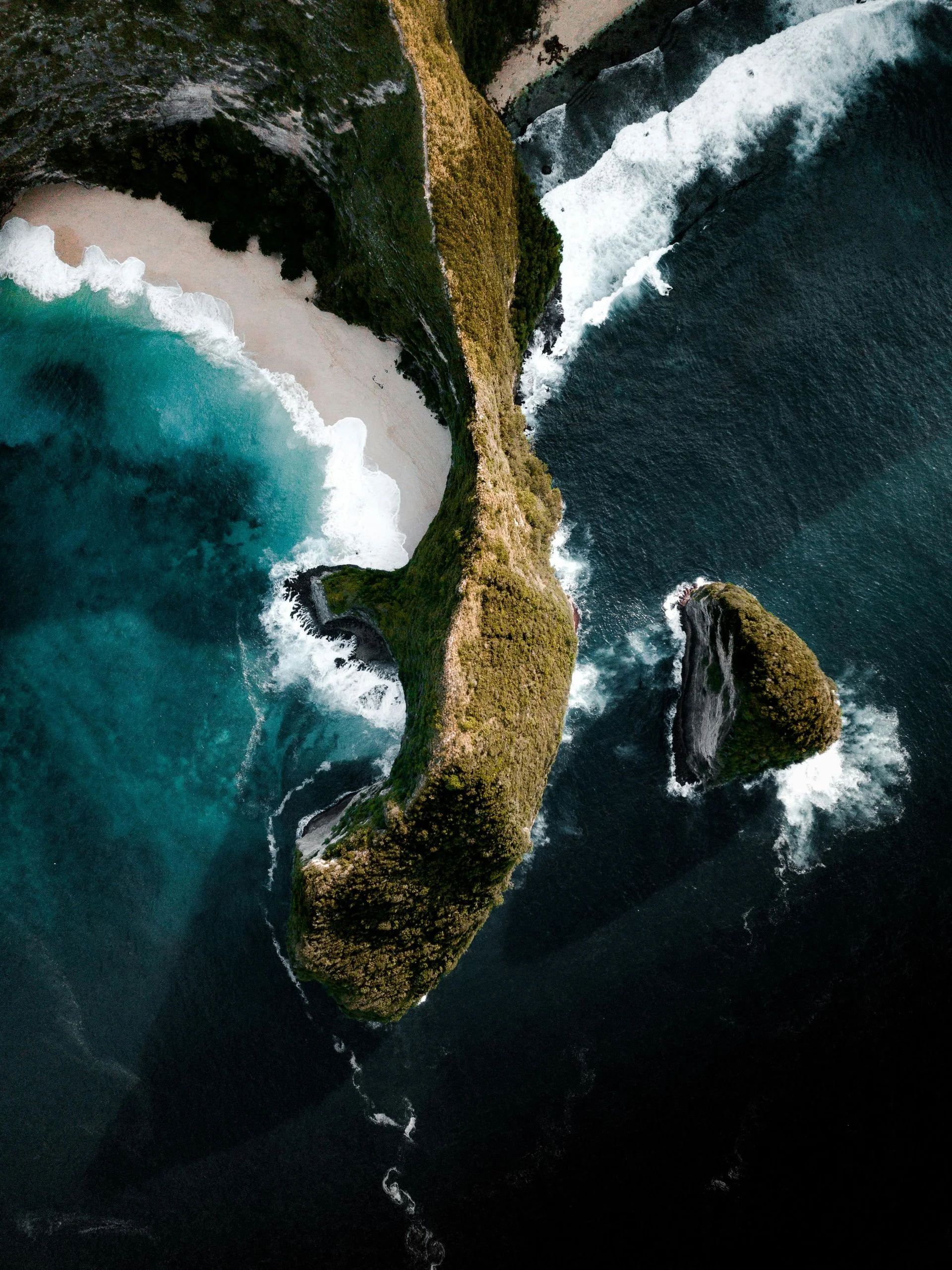
Lembongan
Nusa Lembongan and its neighbouring islands sit on the edge of the Lombok Strait, where strong currents carry nutrient‑rich water between the Pacific and Indian oceans. This constant water flow produces clear visibility and supports vibrant reefs full of reef fish, trevallies and reef sharks. The area is famous for exhilarating drift dives; experienced divers drop into channels and ride the current over coral walls and slopes. Pelagic highlights include year‑round manta rays at nearby Manta Point and Manta Bay, while the rare ocean sunfish (Mola alexandrini) visits from July–October when cold upwellings bring temperatures as low as 16 °C. Beginner divers aren’t forgotten—sheltered sites like Lembongan Bay and Mangrove offer calm conditions, sandy bottoms and colourful coral gardens. With easy access by fast boat from Bali, Lembongan provides a perfect base to explore the more than two dozen sites around the Nusa islands.
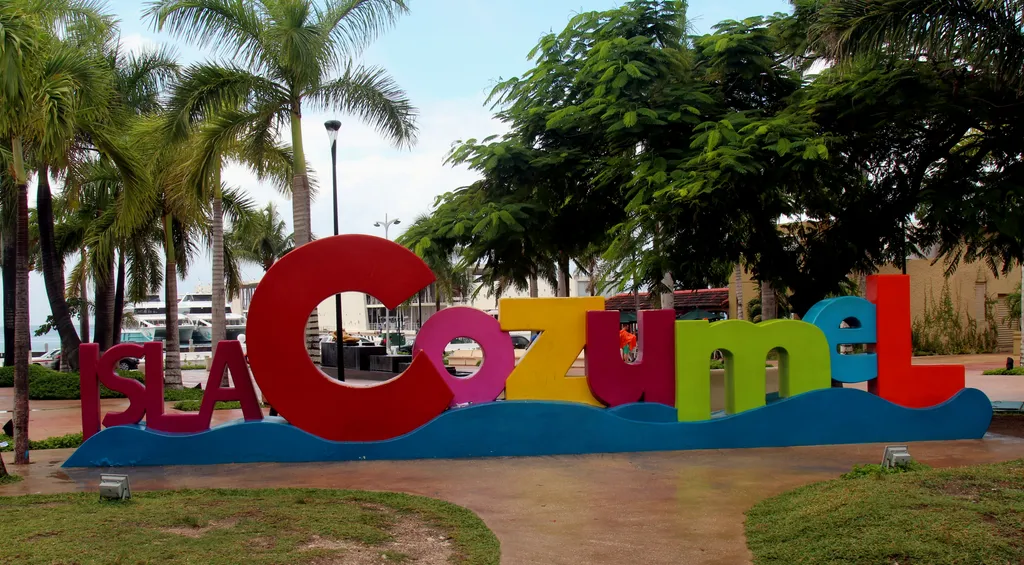
Cozumel
Cozumel sits on the Mesoamerican Barrier Reef—the second-largest reef system on the planet—and earned its place in dive history when Jacques Cousteau filmed its walls in the 1960s. Today the island is a boat-centric Caribbean classic: two-tank mornings from San Miguel, drift along coral cliffs in gin-clear water, surface for ceviche between dives. Almost everything worth diving lies inside Arrecifes de Cozumel National Marine Park, where mooring buoys, no-gloves rules, and park fees keep the reef in remarkably good shape. The signature experience is drift diving. Prevailing currents carry you along Santa Rosa, Colombia, and Palancar while you fin minimally and watch eagle rays, turtles, and schooling jacks slide past the drop-off. Walls plunge from 15 m to blue infinity; swim-throughs at Palancar Caves and the advanced cavern entry at Devil's Throat reward divers who like topography. Macro hunters scan for the splendid toadfish—an endemic bottom-dweller found almost nowhere else. Night dives on Paradise Reef and the C-53 wreck round out a week that feels busy without ever rushing. What Cozumel is not: a whale-shark island (head to Isla Mujeres or Holbox for that) or a liveaboard hub—operations are day boats from town. Watch the Norte wind in winter; it can cancel southern sites like Punta Sur. Bring cash for park fees, tip your crew, carry an SMB, and consider nitrox—you'll want the extra bottom time on these drifts.
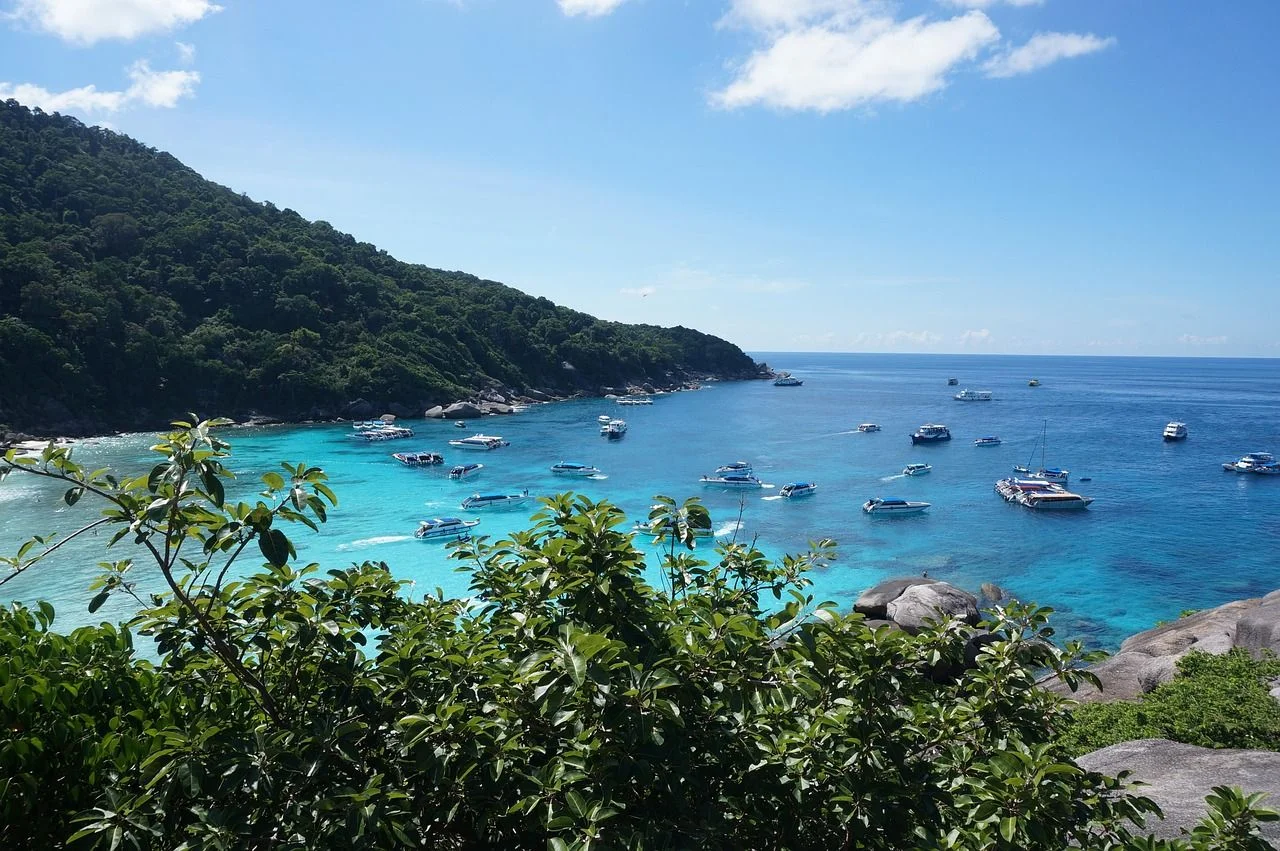
Similan
The Similan Islands are an archipelago of nine granite islands in the Andaman Sea off Thailand’s west coast, protected as part of Mu Ko Similan National Park. Underwater you’ll find dramatic boulder formations, swim‑throughs, coral gardens and drop‑offs teeming with life. Manta rays and whale sharks cruise by at sites like Richelieu Rock and Koh Tachai, while reef sharks, leopard sharks, turtles and swarming schools of fusiliers and trevally are common. The park is only open from mid‑October to mid‑May, when calm seas and clear water make for world‑class liveaboard trips or speedboat day tours.