
Pikachu Sea Slug
Thecacera pacifica
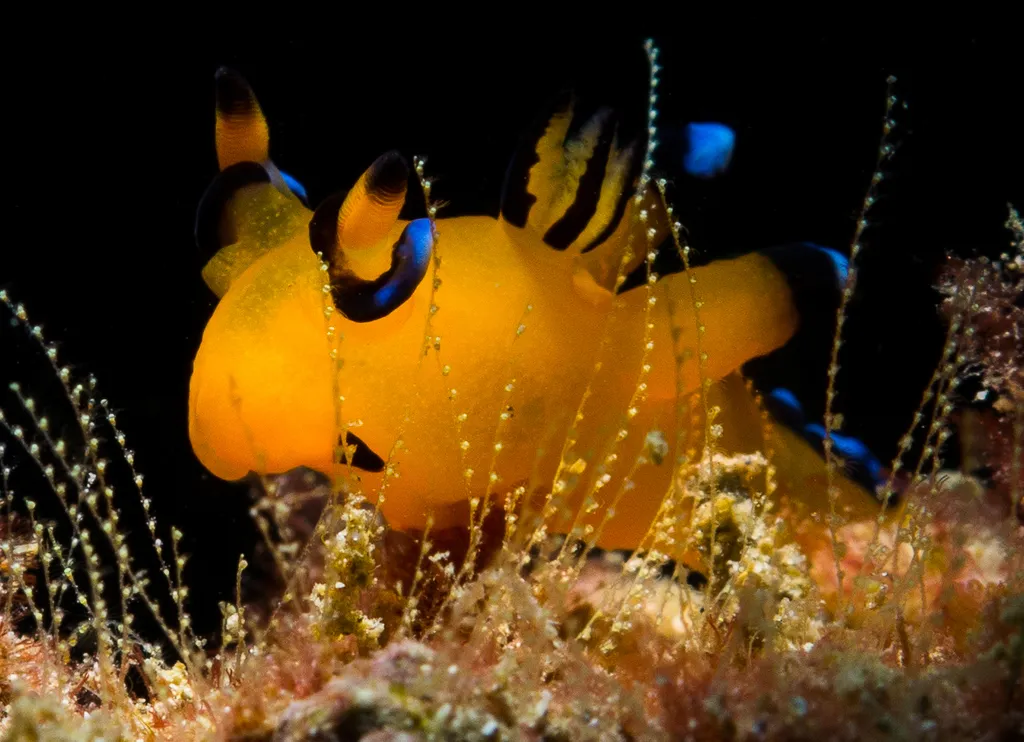
Photo by Olakhalaf / CC BY-SA 4.0 via Wikimedia Commons
Spot a translucent orange polycerid with black-tipped sensory towers and sky-blue hardware on the tail and gill flanks, and you've likely met Thecacera pacifica—the animal Japanese divers have long nicknamed the Pikachu sea slug. It is a small, soft-bodied hunter of shallow rubble and sand-edge reef, not a reef-fish chase; you find it by slow scanning of bryozoan- and hydroid-coated surfaces rather than by looking for flashy schooling fish. Field ID gets messier because overseas dive culture often applies the same "Pikachu" label to a spotted lookalike (Thecacera pikachu). Treat the nickname as a mood board, then confirm rhinophore-sheath colour and the orange-plus-blue-tip pattern before you log the species. Best odds sit in subtropical Japan and scattered Indo-Pacific macro sites—Hawaii and Mozambique records show how wide the complex's story already runs.
🔬Classification
📏Physical Features
🌊Habitat Info
⚠️Safety & Conservation
Identification Guide
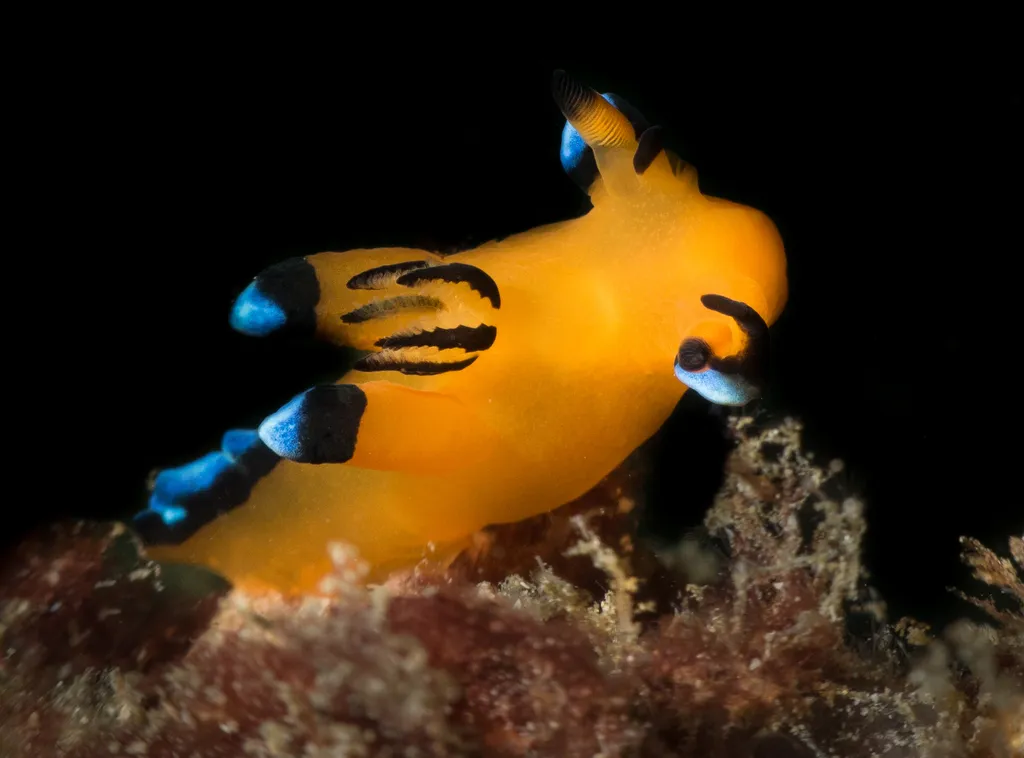
Photo by Olakhalaf / CC BY-SA 4.0 via Wikimedia Commons
Think small polycerid, not chromodorid lipstick ridges.
Silhouette
- Soft, elongate body usually under 3 cm (exceptionally to ~5 cm)
- Pair of rhinophores in raised sheaths anteriorly
- Cluster of branchial plumes mid-dorsally, flanked by finger-like lateral papillae
- Distinct tail tip often colour-banded black → blue
Colour cues
- Translucent orange to deep yellow body
- Rhinophore and gill axes black-tipped
- Rhinophore sheaths edged black with a sky-blue patch toward the widest/posterior side
- Lateral papillae and tail tip: black band then electric blue
- Some individuals show black linear body marks with blue centres
Confusions
- Thecacera pikachu: pale orange with regularly arranged black spots—the overseas "Pikachu" nickname usually points here
- Other orange polycerids / Tambja-ish shapes: check sheath colour and blue tip placement before claiming T. pacifica
Top 10 Fun Facts about Pikachu Sea Slug
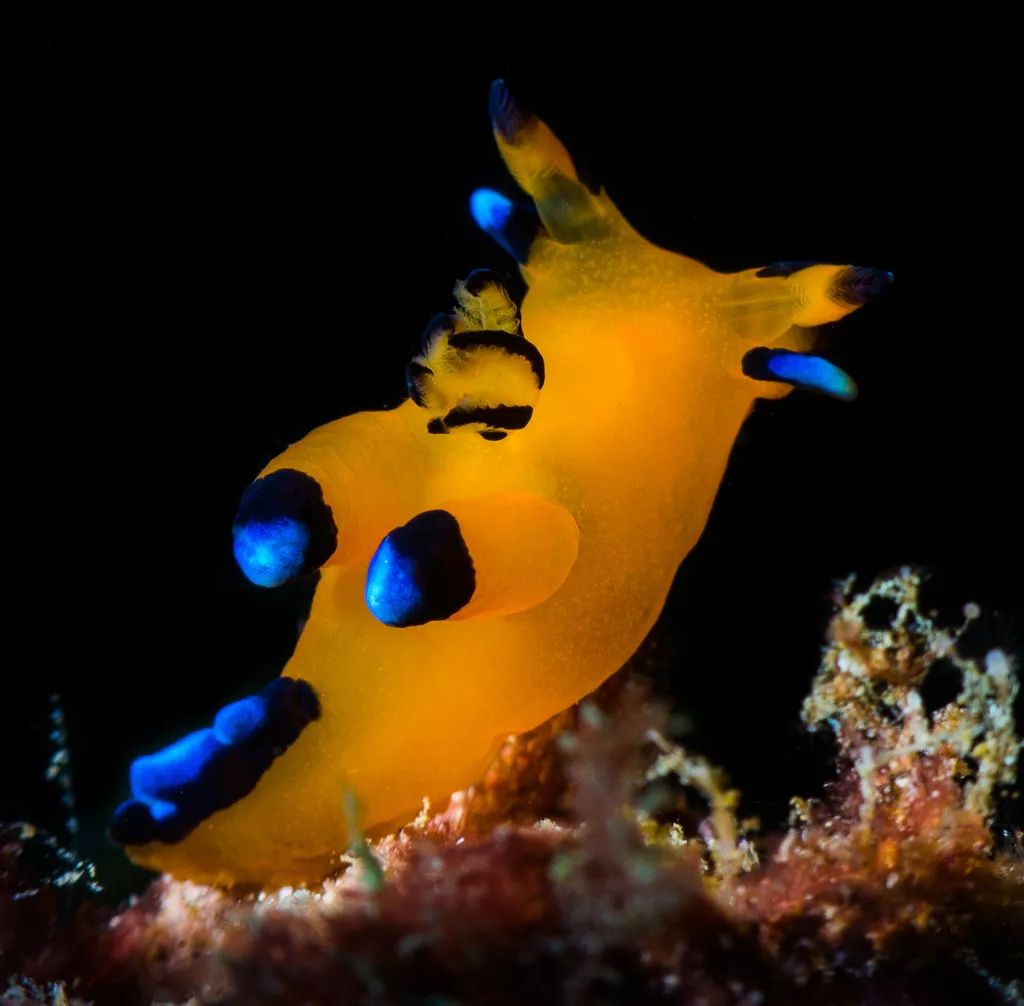
Photo by Olakhalaf / CC BY-SA 4.0 via Wikimedia Commons
1. The Pokémon Nickname Has Two Animals
Japanese divers pinned 「ピカチュウ」 on T. pacifica for the orange-black-blue kit. Overseas gallery captions often stick the same nickname on spotted T. pikachu. Logging scientific names (or clear sheath/spot notes) keeps trip reports usable for taxonomy.
2. Rhinophore Sheaths Are ID Hardware
The sheath colour pattern—black edging plus a blue patch—is one of the most practical field separators from close Thecacera morphs when you cannot measure preserved characters.
3. Electric Blue Tips Sell Aposematism
The black-then-blue accents on lateral papillae and tail tip advertise "not a snack" more loudly than bare orange would. Divers get free visual contrast under white light and even better pop under gentle artificial fill.
4. Diet Is Broader Than One Phylum Slogan
Polycerids often lean bryozoan/hydroid; Hawaiian notes also include sand, debris, Halimeda, and one brittle-star association story. Macro hunters should scan mixed microhabitats, not only obvious bryozoan mats.
5. Type Story Starts in the Arafura Sea
Described by Bergh in the 1880s from the Arafura region, the species later turned up from Mozambique across Indonesia and Vanuatu—classic Indo-West Pacific span, with Japanese coasts as the modern familiarity hotspot.
6. Japan ≠ Everywhere Encounter Rates
Seaslug databases treat T. pacifica as comparatively common in temperate–subtropical Japan and uncommon elsewhere. Guiding strategy: treat Okinawa/Miyako days as high-odds, tropical Indo sites as lottery tickets unless a macro guide already knows a colony.
7. Atlantic Reports Need a Mental Asterisk
Gulf of Mexico / Caribbean records exist in literature but are under reassessment as possible distinct cryptic taxa. Fun for biogeography chats; weak for "guaranteed Cancún Pikachu" trip planning against our destination set.
8. Size Scales the Framing Job
At 12–20 mm you are in strict 1:1 / diopter territory; rare ~50 mm adults open slight composition room around substrate context. Always leave space for the blue-tipped pedalia—they are the character.
9. Finger-Like Gill Flanks Define Polycera Vibes
The lateral processes flanking the gill plume give the animal a chunkier top silhouette than streamlined chromodorids. Train the eye on that "ears beside the chimney" shape while scanning rubble.
10. Egg Masses Mark Local Productivity
Like other nudibranchs they are hermaphrodites; finding coils near hydroid/bryozoan cover means adults may be metres away on the same microhabitat patch—search methodically in a radius rather than rushing past.
Diving & Observation Notes
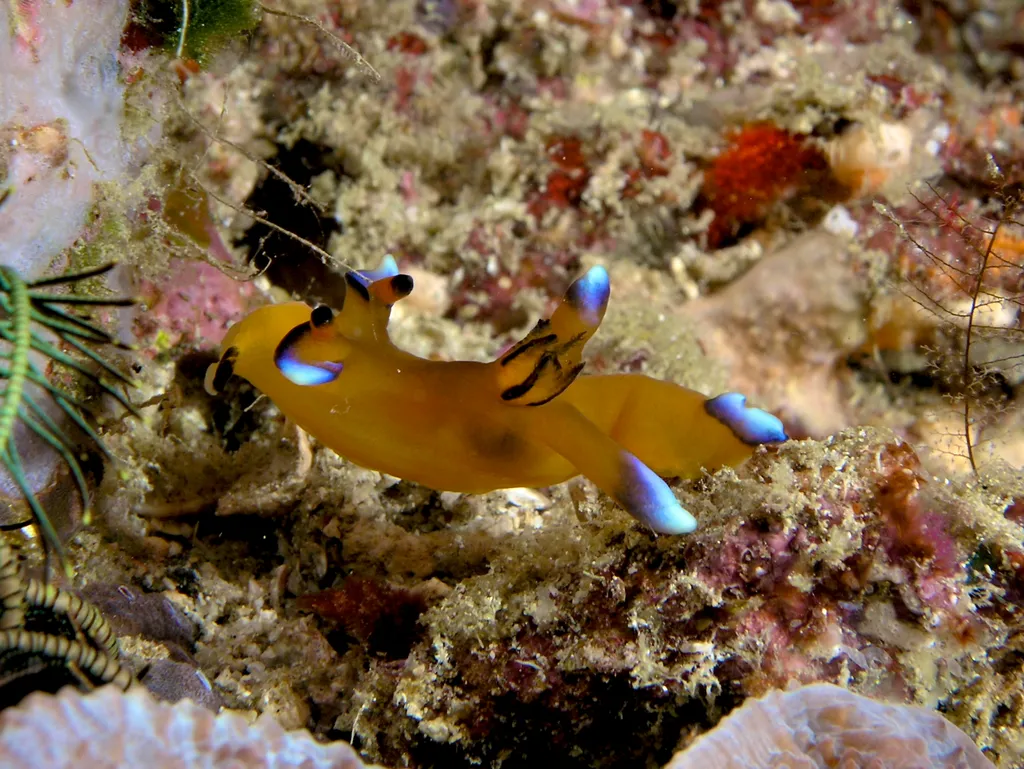
Photo by Nhobgood Nick Hobgood / CC BY-SA 3.0 via Wikimedia Commons
🧭 Finding Pikachu Hardware
Favoured windows: daylight, 5–18 m, slow motion over sand–rubble margins and hydroid/bryozoan films. In Japan, ask guides for recent Thecacera hits; elsewhere treat it as a bonus on classic macro circuits (Lembeh, Anilao, Dumaguete).
Approach & buoyancy
Tiny polycerids bolt short distances when silt blooms. Stay negative enough to hover centimetres above substrate without frog-kicking a mud cloud into your frame.
Photo recipe
- Twin strobes or snoot for the blue tips; watch specular burn on orange translucent tissue
- Slight three-quarter angle to show sheath blue + gill papillae in one plane
- Shoot ID plates: full animal, head sheath close-up, and any spotted competitor morphs for later sorting
Nickname hygiene
If a dive buddy hollers "Pikachu!" confirm whether they mean blue-tipped orange (T. pacifica) or black-spotted orange (T. pikachu) before you update your log.
Ethics
No prodding, no relocating onto prettier rocks for "hero shots." Leave egg masses and prey cover intact—your next sighting depends on that microhabitat remaining.
Best Places to Dive with Pikachu Sea Slug
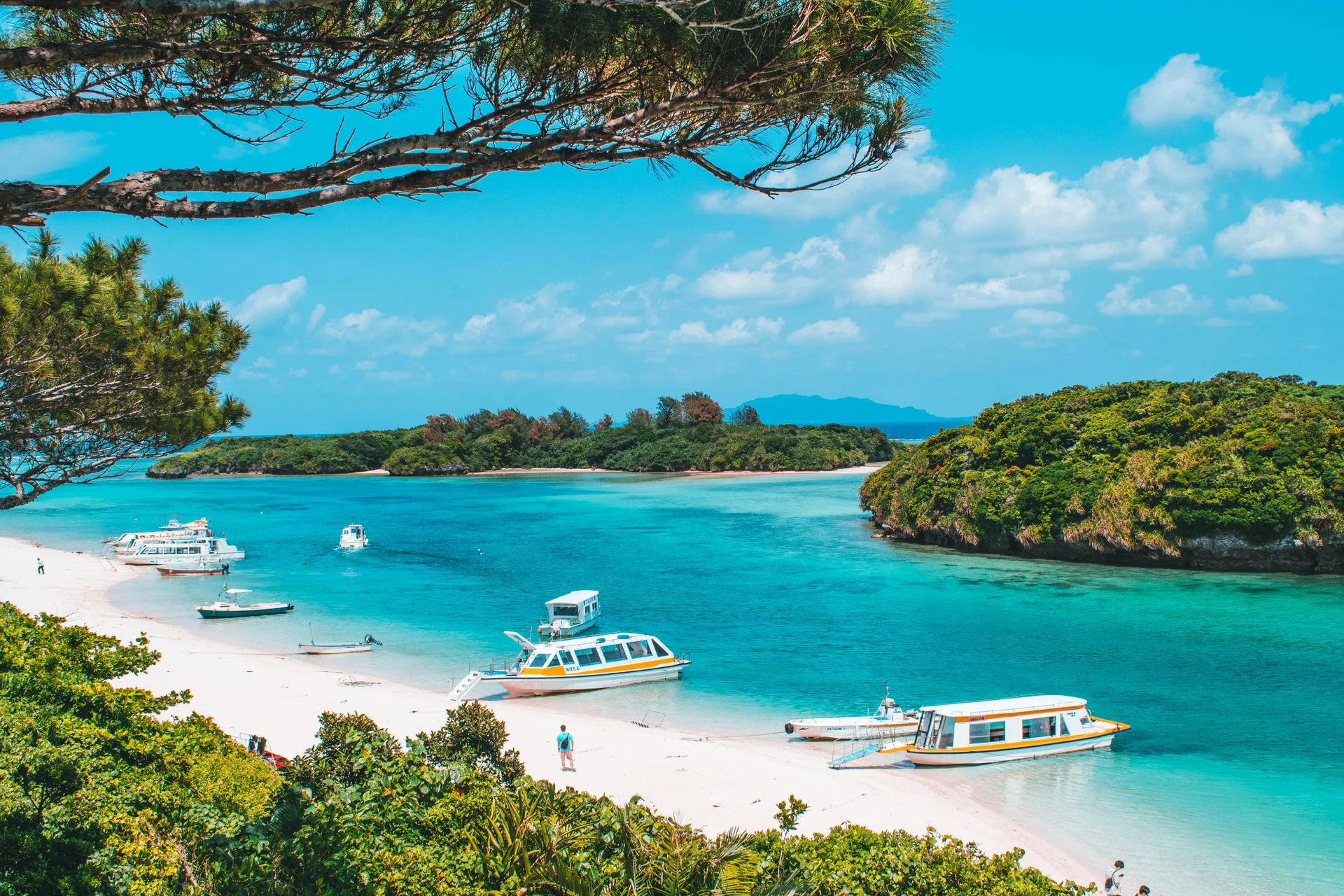
Okinawa
Straddling the subtropical Ryūkyū chain in Japan’s far south, Okinawa Prefecture is a mosaic of islands offering everything from shallow coral gardens to deep wrecks and wild drift dives. The main island provides easy access to the vibrant reefs of the Kerama National Park, where Tokashiki and Zamami Islands boast pristine hard corals, sea fans and more turtles than you can count. Just offshore, Cape Manza’s Dream Hole drops through a chimney into a colourful cavern system teeming with soldierfish, angelfish and feather stars. Further north, history buffs can dive the 100‑metre USS Emmons, a WWII destroyer resting intact at 35–40 m. Closer to shore, Cape Maeda’s Blue Cave offers an easy swim‑through with magical blue light – but expect crowds. Away from the main island, Okinawa’s outer islands extend the experience: Ishigaki’s Manta Scramble (April–Nov) promises manta ray ballets, Yonaguni’s currents bring hammerhead sharks in winter, and Miyako’s caves and tunnels deliver topography diving at its finest. Whether you crave reef fish, big pelagics, swim‑throughs or macro critters, Okinawa’s warm, clear waters offer a Japanese diving adventure for every level of diver.
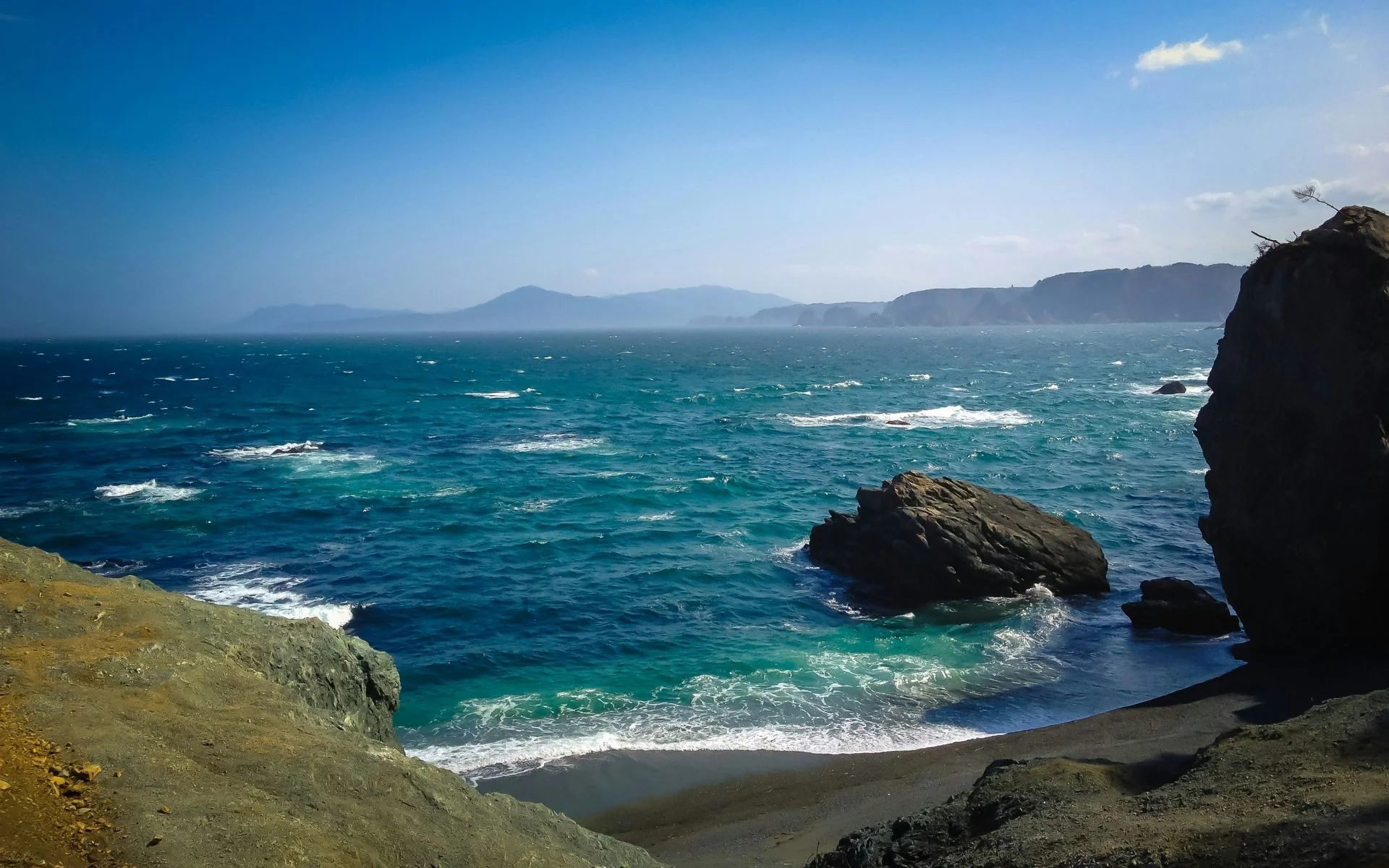
Miyako
Miyako Island sits almost halfway between Okinawa’s main island and Taiwan and is famed for its labyrinthine underwater topography. Most of its celebrated dive sites are around tiny Shimoji and Irabu islands just to the west. Here, volcanic limestone has eroded into cathedral‑like caverns, tunnels and blue holes that fill with shafts of sunlight. Iconic sites such as Devil’s Palace, Tori‑ike and Antonio Gaudi feel like underwater cathedrals where beams of light paint the stalactites and arches. Although big animals are rare, you’ll find sea turtles, schooling batfish, garden eels and colourful reef fish along the Yabiji reef to the north when conditions allow. Diving here requires good buoyancy control and torch technique, but the atmosphere is tranquil and the water is usually gin‑clear.
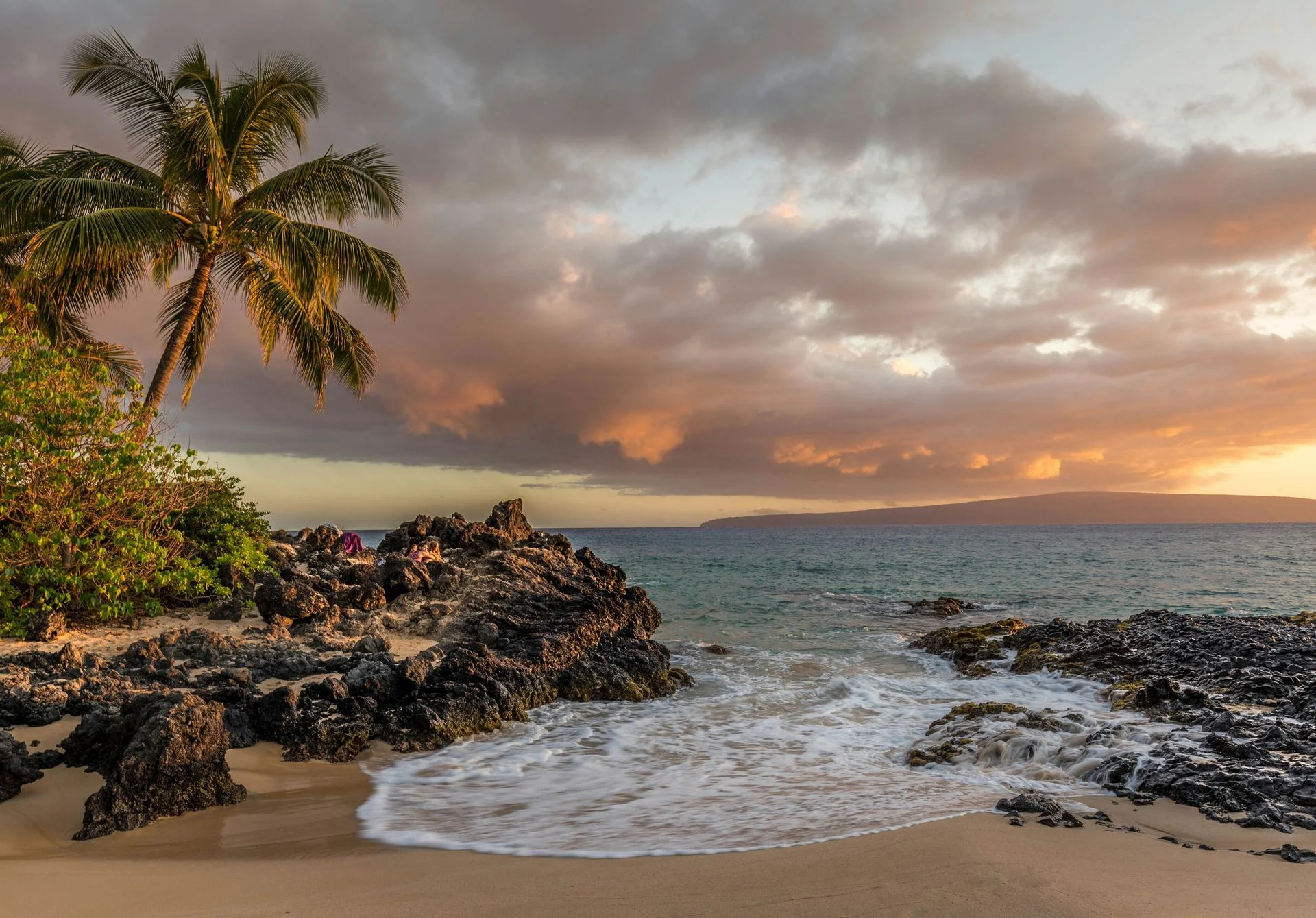
Hawaii
The Hawaiian Islands sit in the central Pacific and offer some of the United States’ most diverse diving. Each island has its own character: Oʻahu features WWII wrecks like the YO‑257 and Sea Tiger; Maui boasts the crescent‑shaped Molokini Crater and drift dives along Lānaʻi’s cathedral‑like caverns; the Big Island’s Kona coast is famed for lava tubes, black water pelagic dives and the world‑renowned manta‑ray night dive; Kauaʻi and Niʻihau offer lava arches, monk seals and dramatic drop‑offs. Water is warm year‑round and visibility regularly exceeds 25 m, making Hawaii ideal for both beginners and experienced divers. You’ll see green sea turtles, reef sharks, manta rays, dolphins and humpback whales in season, along with endemic fish found nowhere else on earth.
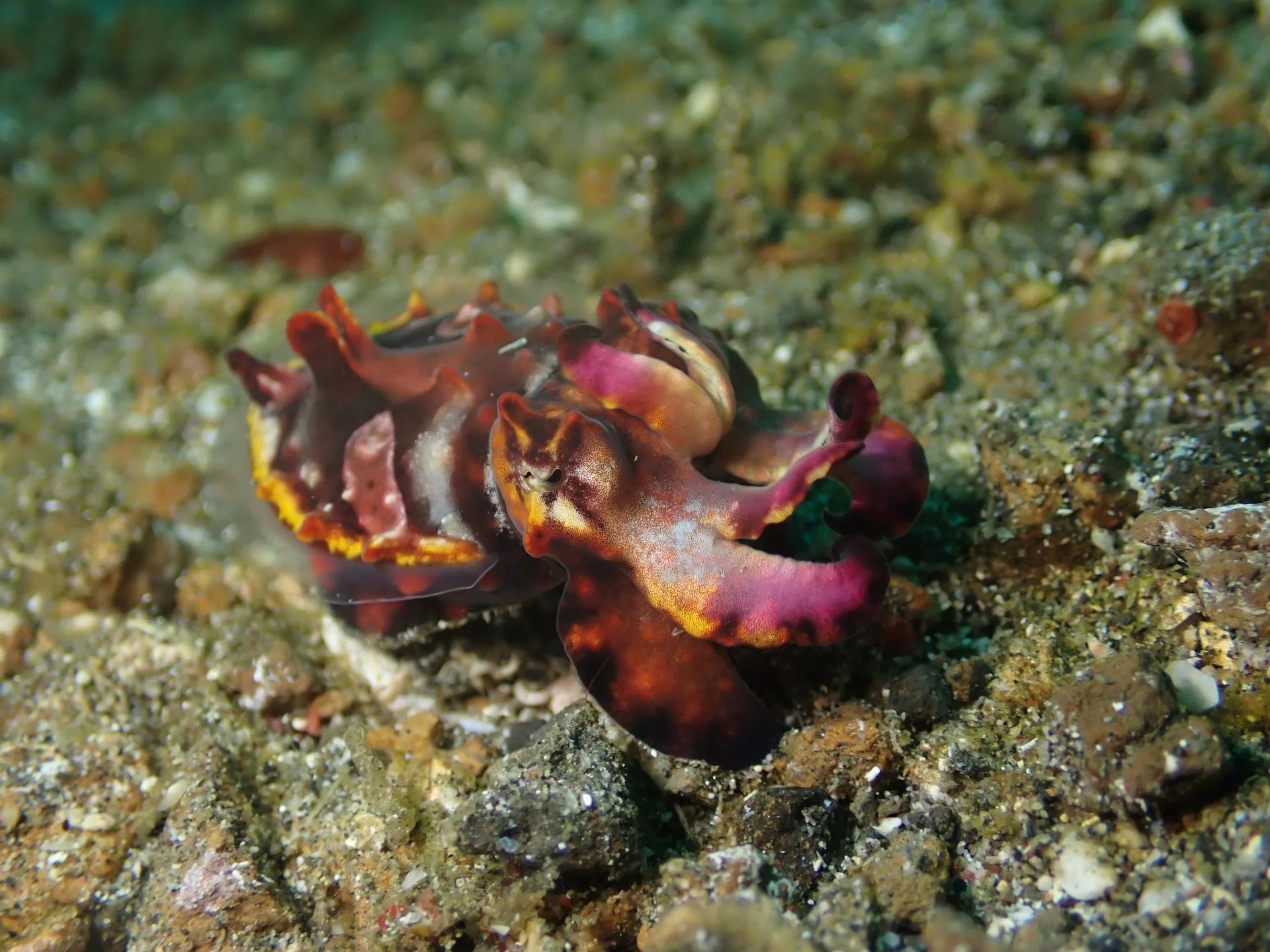
Lembeh
The Lembeh Strait in North Sulawesi has become famous as the muck‑diving capital of the world. At first glance its gently sloping seabed of black volcanic sand, rubble and discarded debris looks bleak. Look closer and it is teeming with weird and wonderful life: hairy and painted frogfish, flamboyant cuttlefish, mimic and blue‑ringed octopuses, ornate ghost pipefish, tiny seahorses, shrimp, crabs and a rainbow of nudibranchs. Most dives are shallow and calm with little current, making it an ideal playground for macro photographers. There are a few colourful reefs for a change of scenery, but Lembeh is all about searching the sand for critter treasures.
Anilao
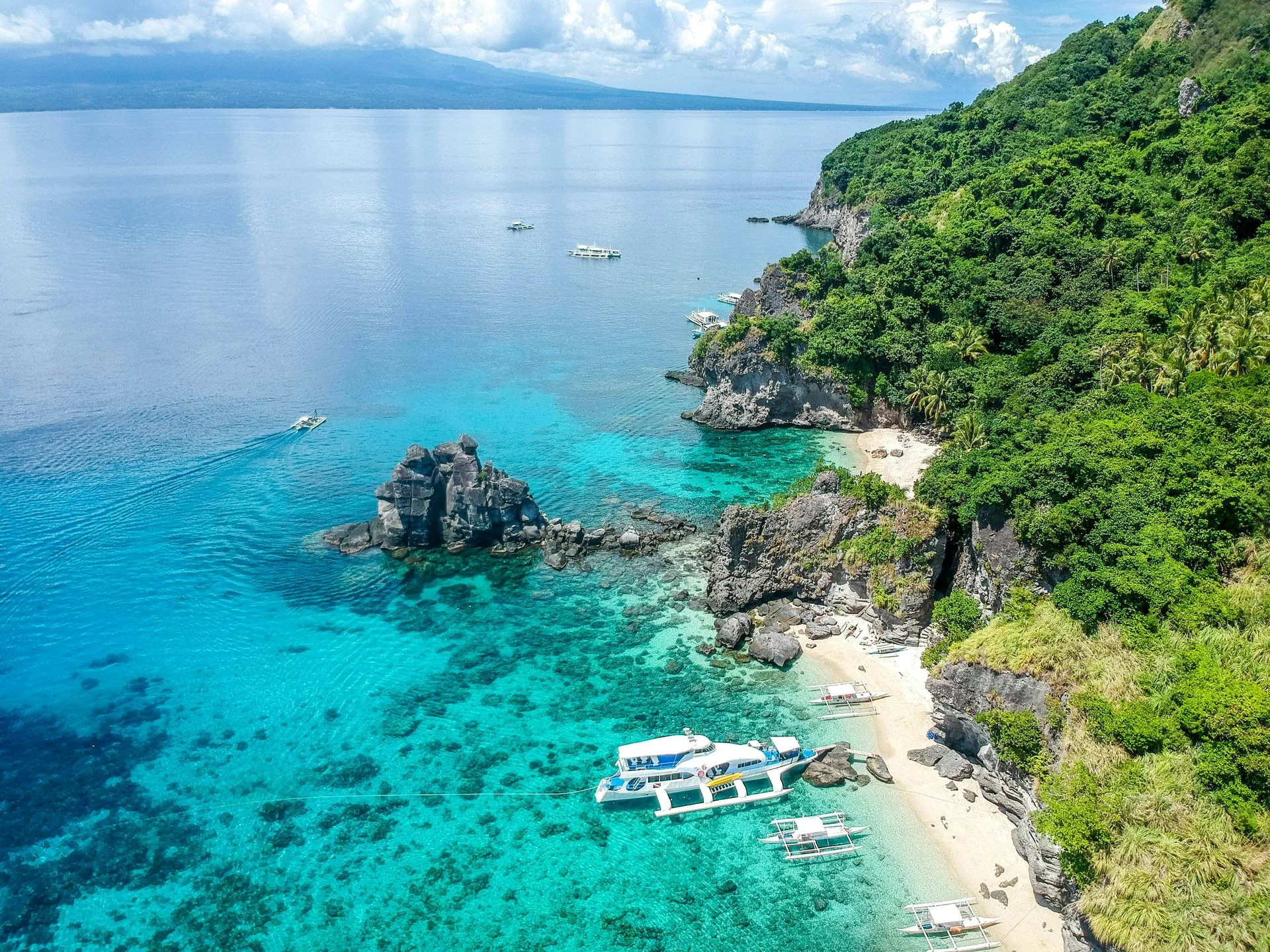
Anilao, a small barangay in Batangas province just two hours south of Manila, is often called the macro capital of the Philippines. More than 50 dive sites fringe the coast and nearby islands, offering an intoxicating mix of coral‑covered pinnacles, muck slopes and blackwater encounters. Critter enthusiasts come for the legendary muck dives at Secret Bay and Anilao Pier, where mimic octopuses, blue‑ringed octopuses, wonderpus, seahorses, ghost pipefish, frogfish and dozens of nudibranch species lurk in the silt. Shallow reefs like Twin Rocks and Cathedral are covered in soft corals and teem with reef fish, while deeper sites such as Ligpo Island feature gorgonian‑covered walls and occasional drift. Because Anilao is so close to Manila and open year‑round, it’s the easiest place in the Philippines to squeeze in a quick diving getaway.
Dumaguete
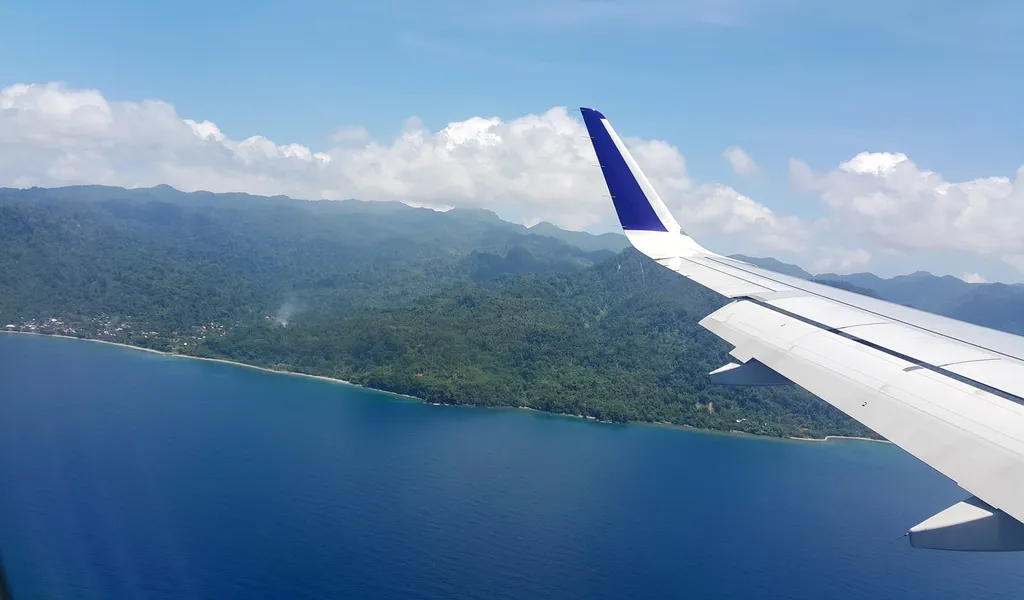
Dumaguete on the southeast coast of Negros is the jumping‑off point for some of the Philippines’ most diverse diving. Along the nearby town of Dauin, a series of shallow marine sanctuaries and black‑sand slopes hide critters galore: frogfish, flamboyant cuttlefish, mimic octopus, ghost pipefish, seahorses, pipefish and nudibranchs. Artificial reefs made from car tyres and pyramids provide extra habitat. Offshore, Apo Island’s walls and plateaus burst with hard and soft corals, schooling jacks and barracudas, and friendly green turtles. With day trips to Oslob’s whale sharks or Bais’ dolphin‑watching, and excursions to nearby Siquijor, Dumaguete offers a perfect mix of macro muck diving and classic coral reefs.
Ambon
Ambon sits in Indonesia’s Maluku (Spice Islands) and is one of the world’s elite muck destinations—often ranked alongside Lembeh for rare critters, without the crowds. The heart of the action is Ambon Bay around Laha village near the airport: black volcanic sand slopes, rubble, pier posts and discarded debris that somehow host psychedelic frogfish (endemic to Ambon waters), rhinopias, flamboyant cuttlefish, mimic and wonderpus octopuses, ghost pipefish and endless nudibranchs. Most bay dives stay 5–35 m with long bottom times that photographers love. When weather allows, the south and east coasts flip the script—healthy hard coral, walls, arches at Pintu Kota, the swim-throughs of Hukurila Cave, and the critter-coated Duke of Sparta wreck. Expect modest lodging in Laha or resort packages further around the bay; July–August monsoon often closes operators.
Tulamben(Bali)
Tulamben sits on Bali’s northeast coast and is best known for the USAT Liberty shipwreck – a 125‑metre cargo ship torpedoed in WWII that now lies just a short swim from shore. Warm water, mild currents and straightforward shore entries make diving here relaxed for all levels. Besides the wreck, divers can explore coral gardens, black‑sand muck sites and dramatic drop‑offs. Macro lovers will find nudibranchs, ghost pipefish, mimic octopus and pygmy seahorses, while big‑fish fans can encounter schooling jackfish, bumphead parrotfish and reef sharks. With a compact coastline packed with variety, Tulamben delivers world‑class wreck and critter diving without long boat rides.
Bunaken
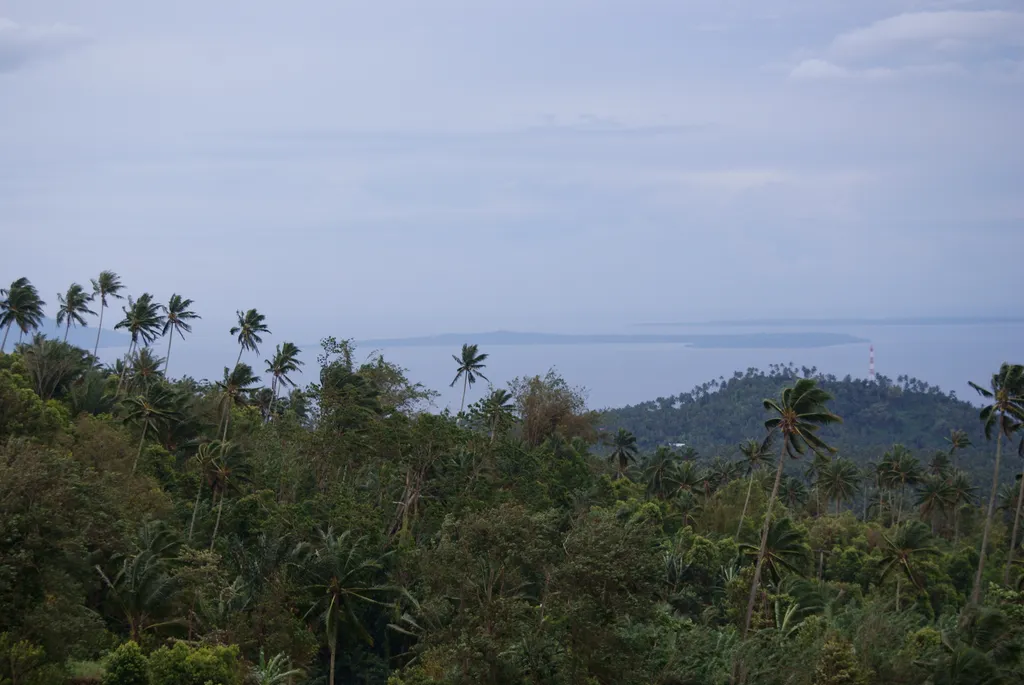
Bunaken National Park is wall-diving country: five volcanic islands—Bunaken, Manado Tua, Siladen, Mantehage, and Nain—ringed by drop-offs that fall from snorkel depth into hundreds of metres of blue. This is not the muck slopes of the Manado mainland; it is vertical reef, drift lines, and current-fed fish schools. The signature move is simple—roll off the boat at Lekuan or Muka Kampung, swim the shallow turtle flats, then hang on the wall while pyramid butterflyfish, fusiliers, and Napoleon wrasse stream past. Reef sharks patrol the corners, eagle rays cruise the blue, and barrel sponges the size of oil drums frame every wide-angle shot. Warm 27–29°C water, park protection since 1991, and island resorts that put you on the first boat at 08:00 make Bunaken the classic North Sulawesi wall trip—fly into MDC, transfer to the strait, and live on the reef for a week.
Tofo Beach
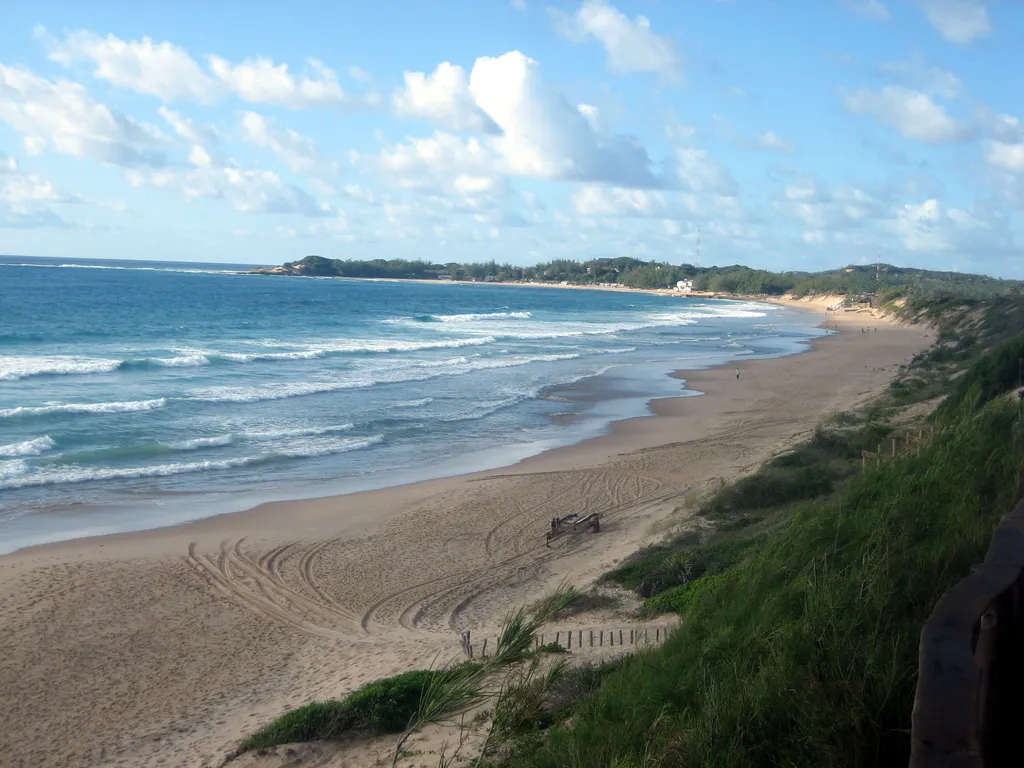
Tofo Beach sits on Mozambique's Indian Ocean coast, a dusty backpacker village that punches far above its weight for megafauna. The Mozambique Channel funnels plankton-rich water past Inhambane Bay, and the result is one of Africa's most reliable whale shark addresses — snorkel or dive alongside bus-sized filter feeders from October through March without the crowds of more famous aggregation sites. Manta rays clean at offshore reefs like Manta Reef, reef sharks patrol pinnacles at Giant's Castle, and from June to September humpback whales cruise the bay on their migration — operators run respectful surface encounters when conditions allow. Visibility swings wildly (5–30 m) with plankton blooms, but that's the trade-off for big-animal density. Dives launch from the beach on RIBs; most sites are 15–45 minutes out. The vibe is barefoot and cash-heavy — think dhow silhouettes at sunset, peri-peri prawns after a two-tank morning, and a dive community that still feels like a secret compared to the Red Sea or Maldives circuits.