
Wunderpus Octopus
Wunderpus photogenicus
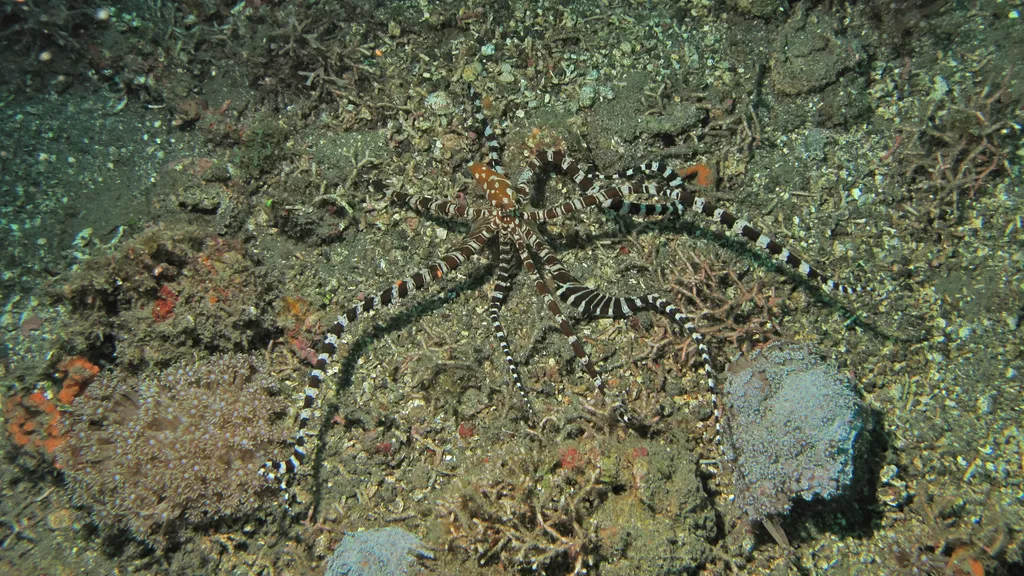
Photo by Bernard DUPONT from FRANCE / CC BY-SA 2.0 via Wikimedia Commons
The Wunderpus Octopus (Wunderpus photogenicus) is one of the signature animals of Indo-Pacific muck diving: not because it is large, but because it is unmistakable. On a plain sandy slope where everything else looks muted, a wunderpus appears like a moving barcode in rust-red and white, walking on long arms from burrow to burrow. Divers often confuse it with the mimic octopus, but wunderpus has a more fixed, high-contrast pattern and a calmer, more deliberate style of movement.
Most encounters happen on soft sediment where you would normally expect "nothing to see." That is exactly why macro divers love it. Once you learn to read the habitat and timing, spotting a wunderpus turns from luck into a repeatable hunt.
🔬Classification
📏Physical Features
🌊Habitat Info
⚠️Safety & Conservation
Identification Guide
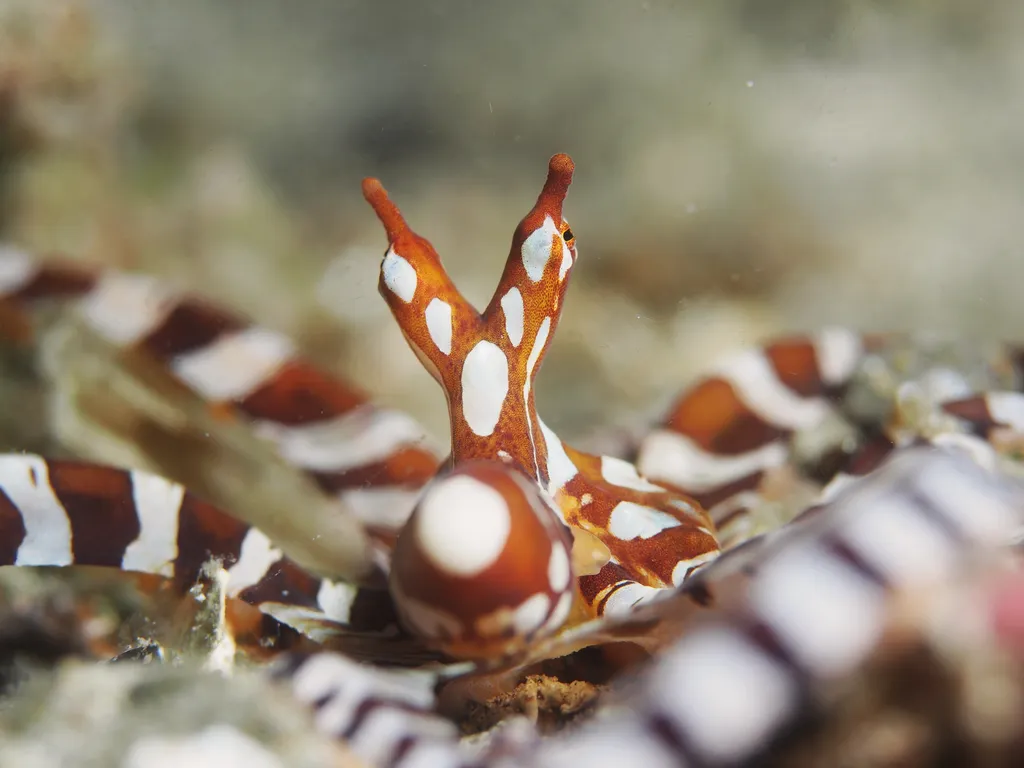
Photo by Rickard Zerpe / CC BY-SA 2.0 via Wikimedia Commons
Start by scanning open sand/rubble zones rather than coral walls. Look for a small mantle and very long, thin arms with stable white bars.
Reliable Field Marks
- Rusty red-brown base color with clean white bars and spots
- Long conical papilla above each eye; stalked-eye appearance
- Fixed pattern identity from dive to dive (unlike mimic octopus display shifts)
- Frequently associated with a burrow entrance
Distinguish from Mimic Octopus
- Wunderpus: fixed, bold striping; often crepuscular; burrow-centered behavior
- Mimic: dynamic shape-shifting displays (flatfish/lionfish/sea-snake forms), often more active in open daylight
Top 10 Fun Facts about Wunderpus Octopus
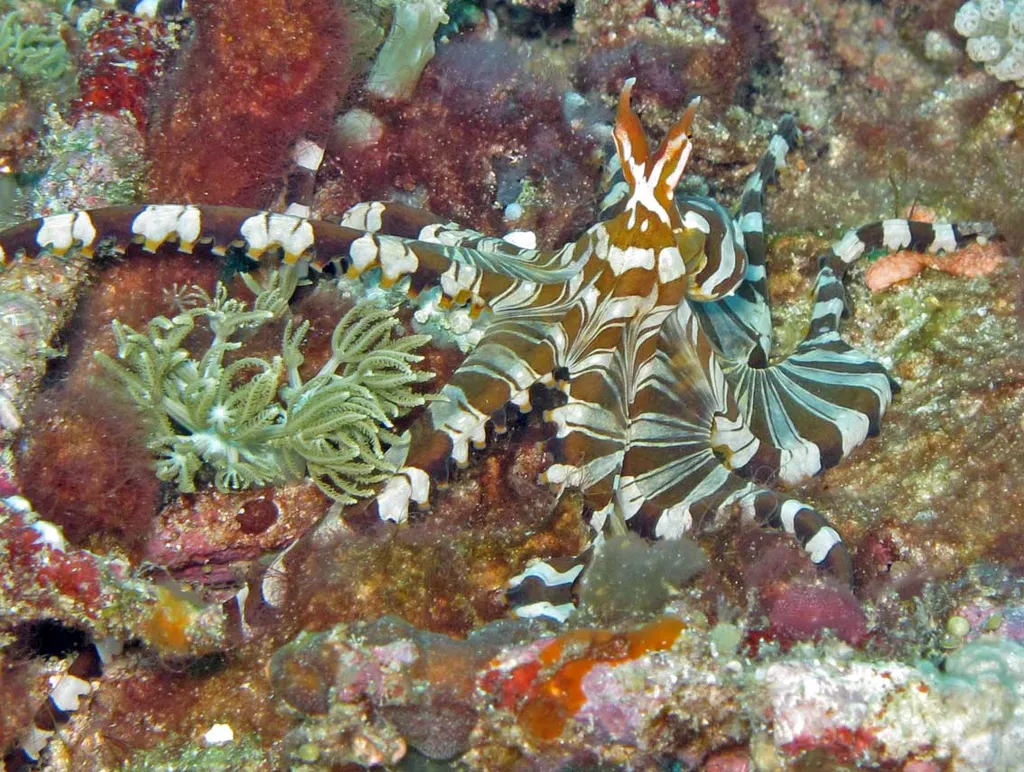
Photo by Lakshmi Sawitri / CC BY 2.0 via Wikimedia Commons
1. A Genus with a Single Species
Wunderpus is monotypic: the entire genus currently contains one recognized species, Wunderpus photogenicus. That alone makes every documented sighting biologically interesting, not just photographically attractive.
2. Officially Named Only Recently
Divers had photographed this animal for years before it was formally described in 2006. It is a modern example of underwater photography helping science catch up with what guides already knew existed.
3. "Pretty" Is in the Name
The species name photogenicus literally signals how visually distinctive it is. In practice, that means individuals are often identifiable from images by stable bar-and-spot patterns.
4. Soft-Bottom Specialist
Unlike many octopuses tied to reef cracks, wunderpus favors sand, silt, and rubble plains. This adaptation is why macro hotspots with muck habitat produce disproportionate encounter rates.
5. Burrow Fidelity Matters
Individuals may reuse the same burrow area over extended periods. For dive planning, this means local guide memory and site logs are highly valuable for repeat observations.
6. Peak Activity in Low Light
Wunderpus tends to forage most actively around dawn and dusk. Scheduling first or last dives on suitable muck sites can dramatically improve behavior-rich encounters.
7. Long Arms as a Hunting Tool
The very long, slim arms are not just visual drama. They let the octopus probe holes and spread over substrate patches to trap small crustaceans and fishes.
8. Frequently Misidentified with Mimic Octopus
Both species can share habitats, which leads to many logbook errors. Correct ID is a useful skill marker for macro divers and contributes cleaner citizen-science records.
9. High Tourism Value While Alive
In places like North Sulawesi and parts of Bali, wunderpus has become a flagship critter for dive tourism. This creates economic incentives to protect muck habitats that are often dismissed as "empty seafloor."
10. A Strong Case for Muck Diving Conservation
The species highlights an important conservation argument: biodiversity value is not limited to colorful coral scenes. Flat sediment habitats support specialized, high-value animals and deserve equal protection.
Diving & Observation Notes
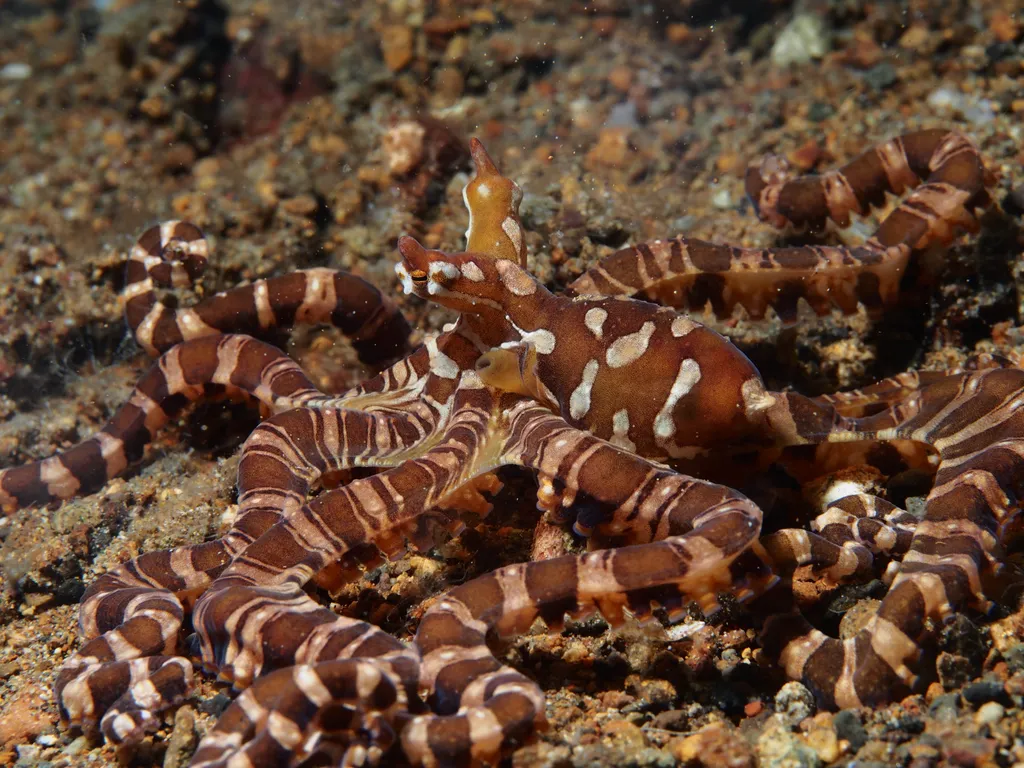
Photo by Rickard Zerpe / CC BY-SA 2.0 via Wikimedia Commons
🧭 Finding Strategy
Prioritize muck or mixed sand-rubble slopes between 5-20 m. Ask guides for known burrow zones and revisit them at low-light windows. Slow finning and long bottom time outperform fast site coverage.
🤿 Approach and Positioning
Keep a low profile and avoid crossing directly over the burrow entrance. Let the octopus resume normal movement before shooting. If it withdraws repeatedly, back off and reset.
📸 Macro Shooting Workflow
60 mm or 100 mm macro both work; 100 mm is safer for distance discipline. Shoot three sets: full-body pattern ID, eye/papilla close-up, and behavior sequence near the burrow. Continuous video is useful during foraging bursts.
⚠️ Ethics
No touching, no prodding, no blocking exits, no digging. Stressing a burrow animal for dramatic posture shots is poor practice and reduces long-term site quality for everyone.
Best Places to Dive with Wunderpus Octopus
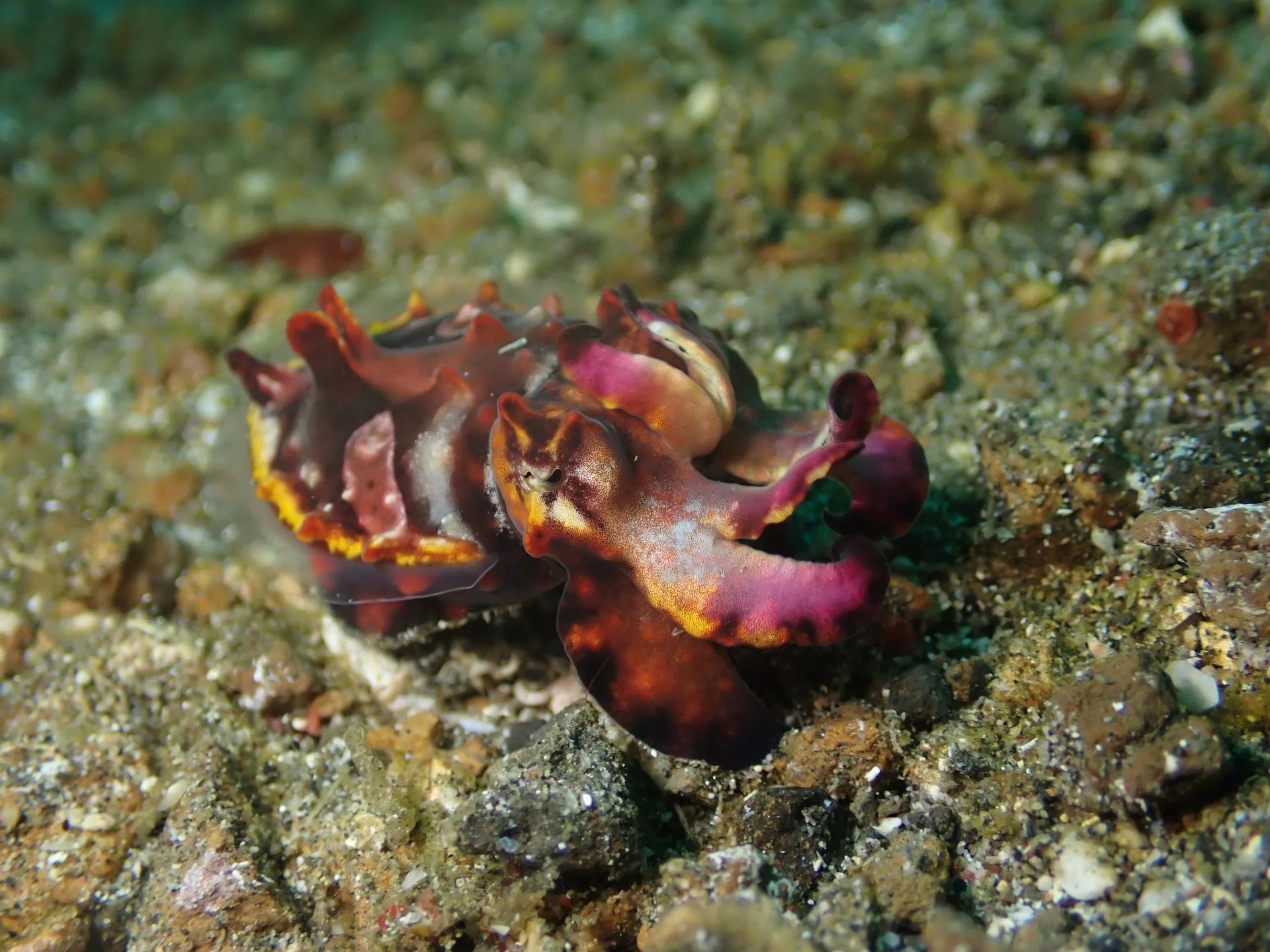
Lembeh
The Lembeh Strait in North Sulawesi has become famous as the muck‑diving capital of the world. At first glance its gently sloping seabed of black volcanic sand, rubble and discarded debris looks bleak. Look closer and it is teeming with weird and wonderful life: hairy and painted frogfish, flamboyant cuttlefish, mimic and blue‑ringed octopuses, ornate ghost pipefish, tiny seahorses, shrimp, crabs and a rainbow of nudibranchs. Most dives are shallow and calm with little current, making it an ideal playground for macro photographers. There are a few colourful reefs for a change of scenery, but Lembeh is all about searching the sand for critter treasures.
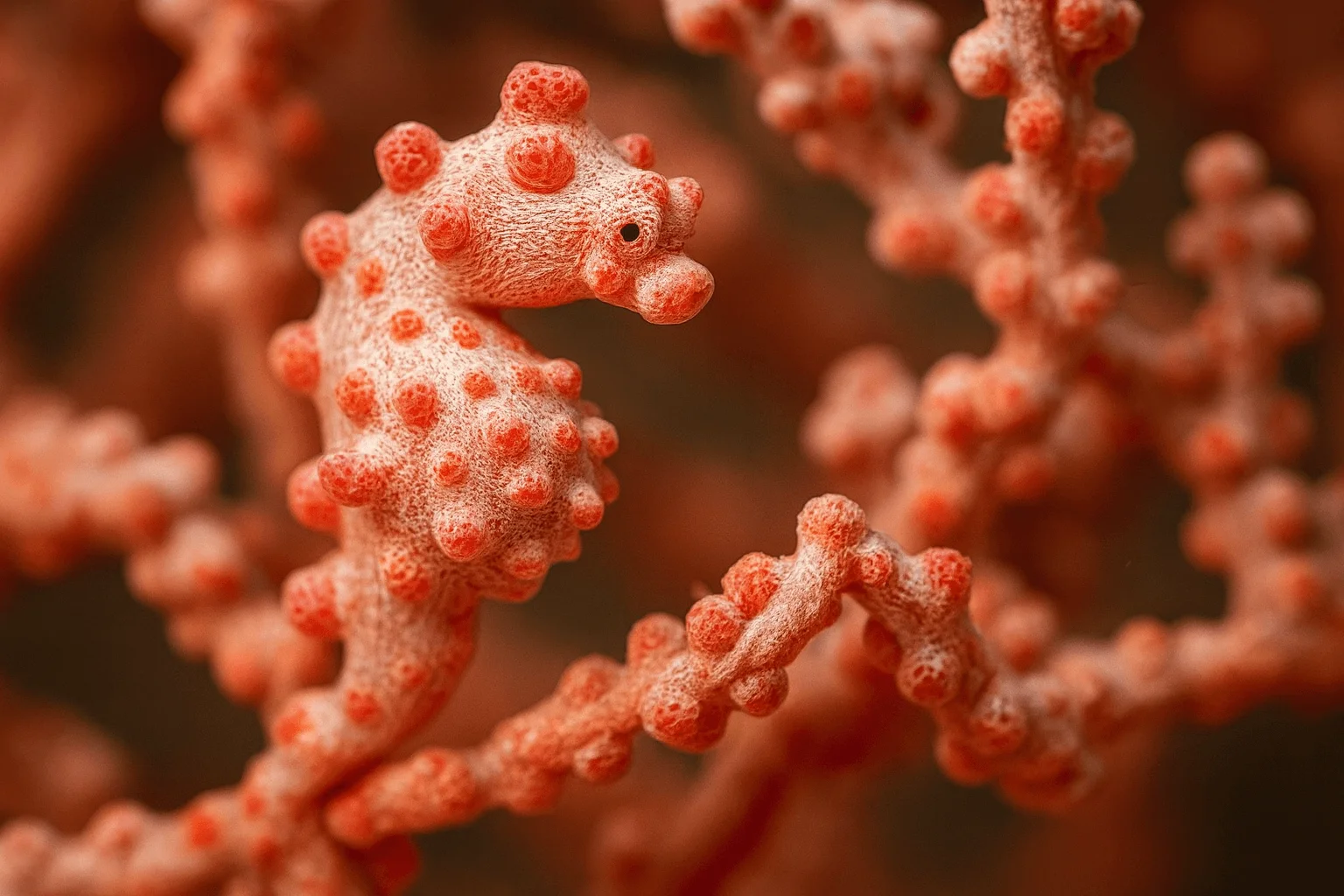
Anilao
Anilao, a small barangay in Batangas province just two hours south of Manila, is often called the macro capital of the Philippines. More than 50 dive sites fringe the coast and nearby islands, offering an intoxicating mix of coral‑covered pinnacles, muck slopes and blackwater encounters. Critter enthusiasts come for the legendary muck dives at Secret Bay and Anilao Pier, where mimic octopuses, blue‑ringed octopuses, wonderpus, seahorses, ghost pipefish, frogfish and dozens of nudibranch species lurk in the silt. Shallow reefs like Twin Rocks and Cathedral are covered in soft corals and teem with reef fish, while deeper sites such as Ligpo Island feature gorgonian‑covered walls and occasional drift. Because Anilao is so close to Manila and open year‑round, it’s the easiest place in the Philippines to squeeze in a quick diving getaway.
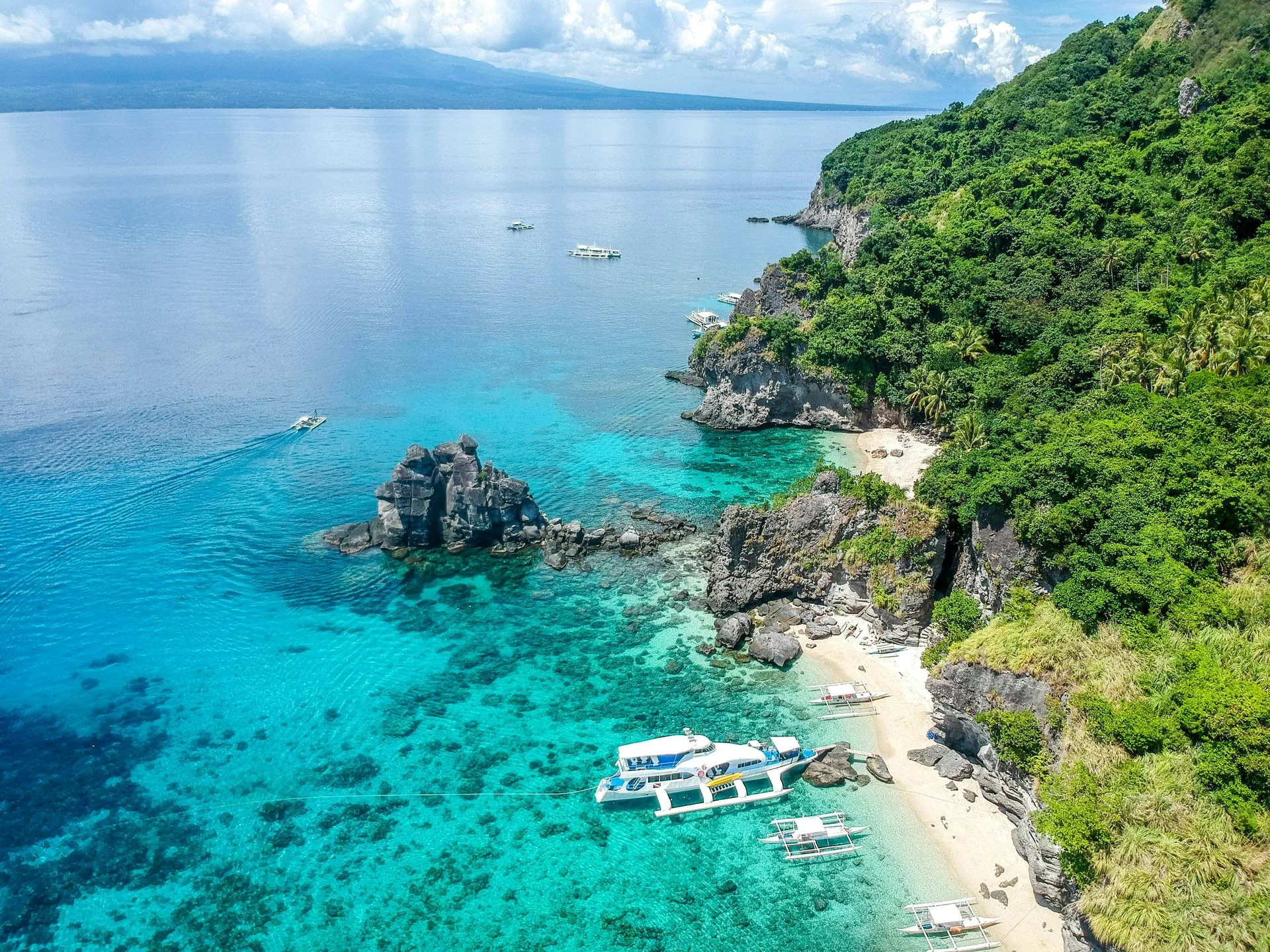
Dumaguete
Dumaguete on the southeast coast of Negros is the jumping‑off point for some of the Philippines’ most diverse diving. Along the nearby town of Dauin, a series of shallow marine sanctuaries and black‑sand slopes hide critters galore: frogfish, flamboyant cuttlefish, mimic octopus, ghost pipefish, seahorses, pipefish and nudibranchs. Artificial reefs made from car tyres and pyramids provide extra habitat. Offshore, Apo Island’s walls and plateaus burst with hard and soft corals, schooling jacks and barracudas, and friendly green turtles. With day trips to Oslob’s whale sharks or Bais’ dolphin‑watching, and excursions to nearby Siquijor, Dumaguete offers a perfect mix of macro muck diving and classic coral reefs.
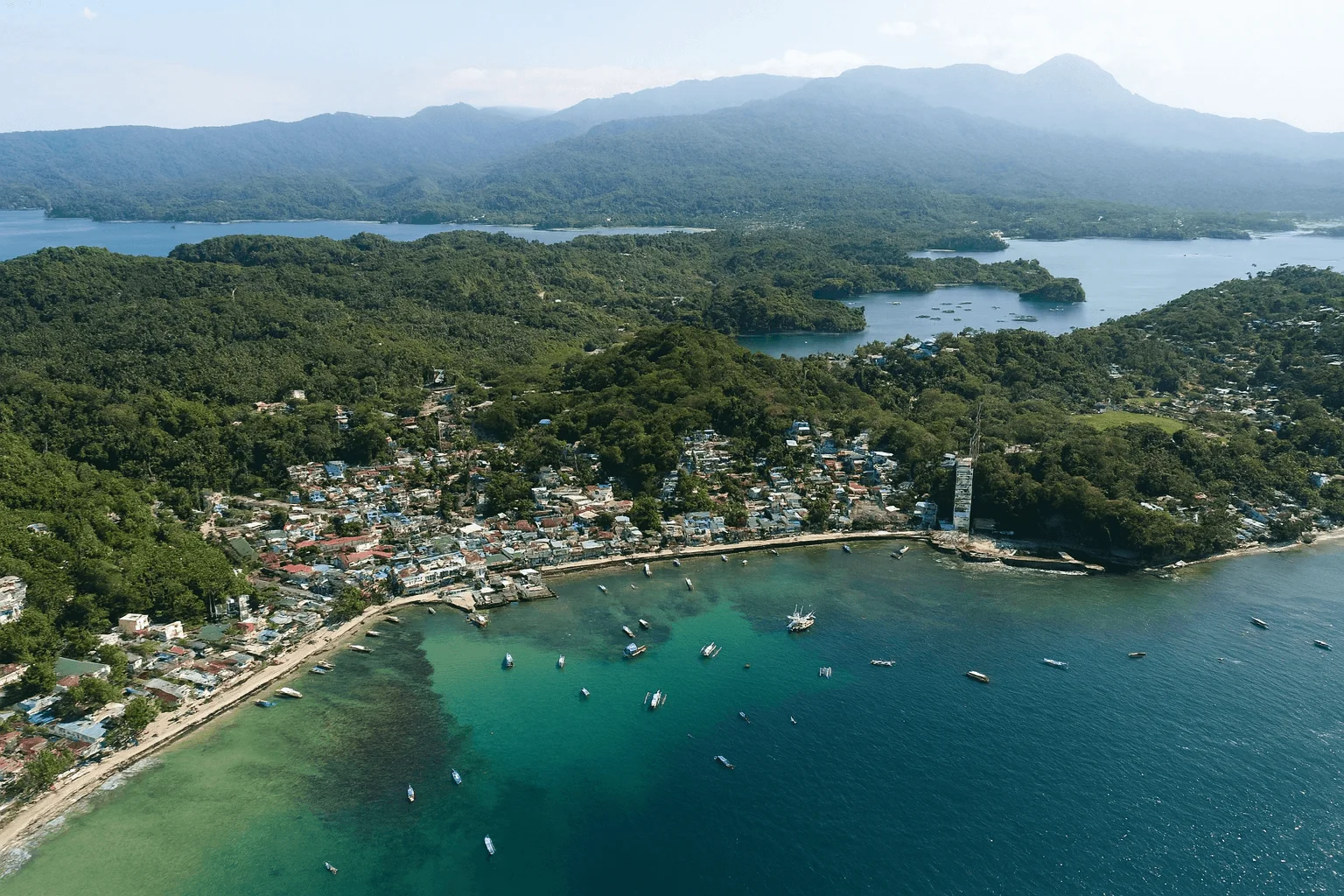
Puerto Galera
Puerto Galera sits on the northeast tip of Mindoro Island in the Philippines and has long been rated among Asia’s best and most diverse diving areas. The town faces the Verde Island Passage – part of the Coral Triangle – so its reefs host an incredible mix of hard and soft corals, seahorses, frogfish and other critters alongside schooling jacks and occasional pelagics. More than forty sites line the bays and headlands around Sabang and Small La Laguna, meaning everything from easy house‑reef dives and shallow muck sites to current‑swept canyons and colourful wrecks is only a short boat ride away. Currents are governed by the lunar cycle; strong spring tides around full and new moon create exciting drift dives, while neap tides offer gentle conditions that are perfect for macro photography. Because the water stays warm all year (27–30 °C) and visibility often reaches 15–30 m, Puerto Galera attracts both beginners and experienced divers seeking a fun, affordable destination with lively nightlife on land.
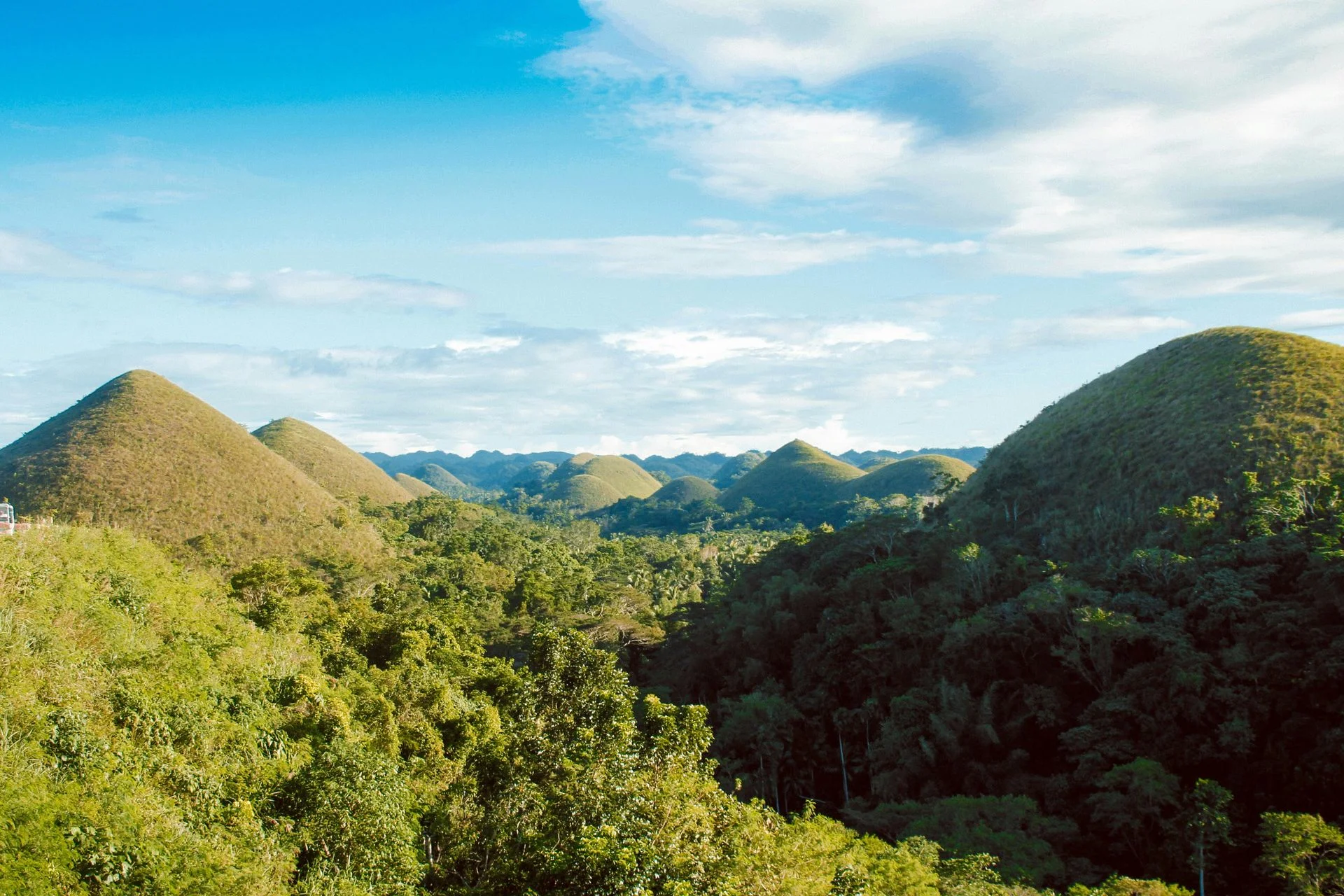
Bohol
Bohol, an island province in the central Visayas of the Philippines, is a diver’s playground with a huge variety of sites. The main hub is Panglao Island, where Alona Beach serves as the launch point for local reef dives and day trips. Nearby Balicasag Island is world‑class: its 5‑ to 18‑m plateau drops into walls where clouds of jackfish and sardines swirl and sleepy green and hawksbill turtles munch on soft corals. To the west, Cabilao’s reefs hide hammerhead sharks and pygmy seahorses, while the remote east coast of Anda offers muck dives, turtle nurseries and even mantas and whale sharks. Other favorites include Napaling’s year‑round sardine balls, Pamilacan’s manta and shark‑filled walls and Cervera (Snake Island) with its resident sea snakes. Whether you love colourful coral gardens, deep walls, big pelagics or tiny critters, Bohol has something for every diver.
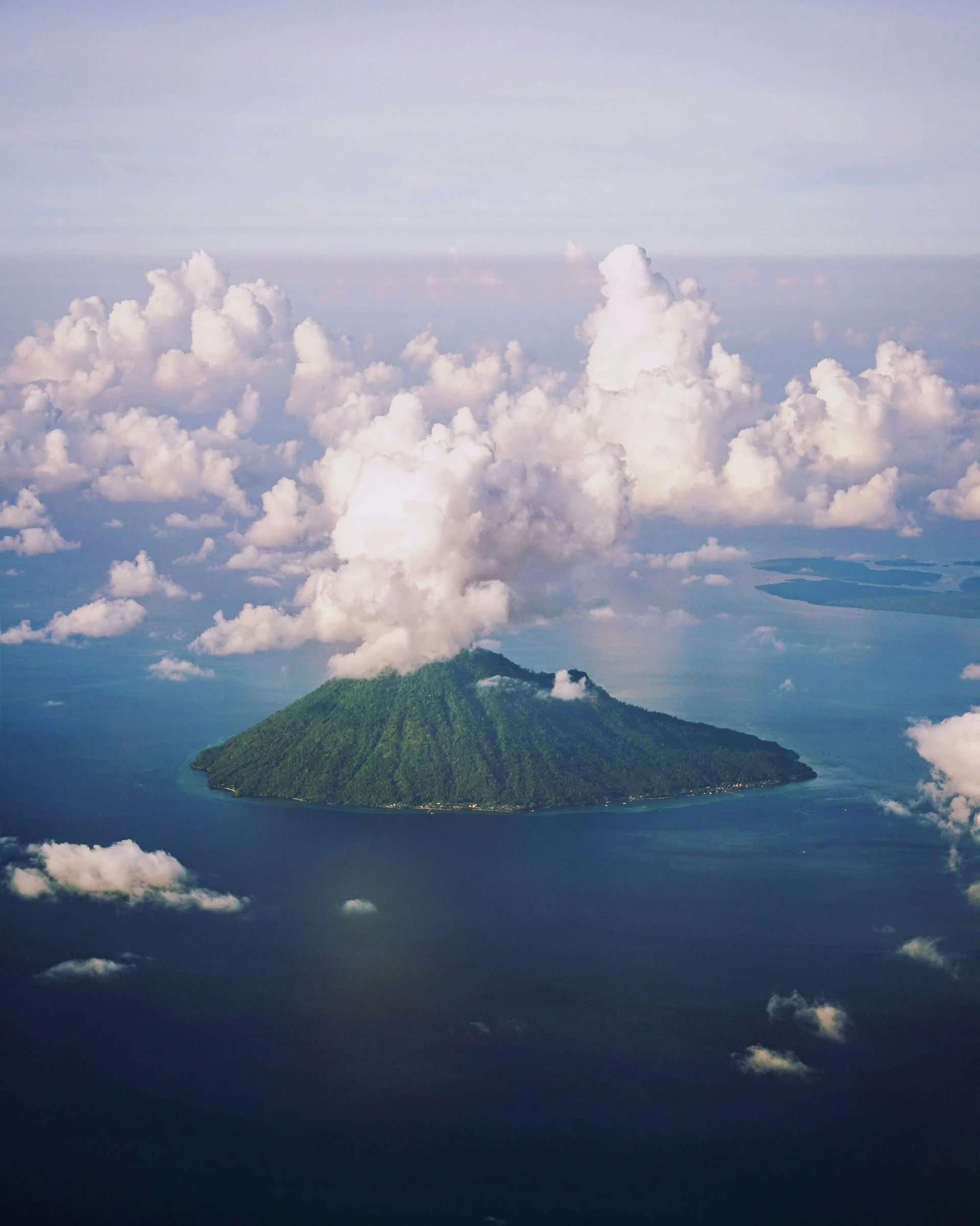
Manado
Tucked away in northern Sulawesi, Manado’s coastal waters and Bunaken National Park are a diver’s dream. Sheer coral walls plunge into the deep blue, exploding with sponges, sea fans and tropical fish, while the mainland coast hides muck‑diving gems with seahorses, ghost pipefish and mimic octopus. Dolphins and pilot whales sometimes cruise past, green turtles nap on the reef, and reef sharks and schooling jacks patrol the drop‑offs. Whether you like effortless drift dives along walls or critter hunting in sand and seagrass, Manado balances big‑fish thrills with macro treasures. Warm waters, friendly locals and laid‑back resorts make it perfect for both serious underwater photographers and casual holidaymakers.
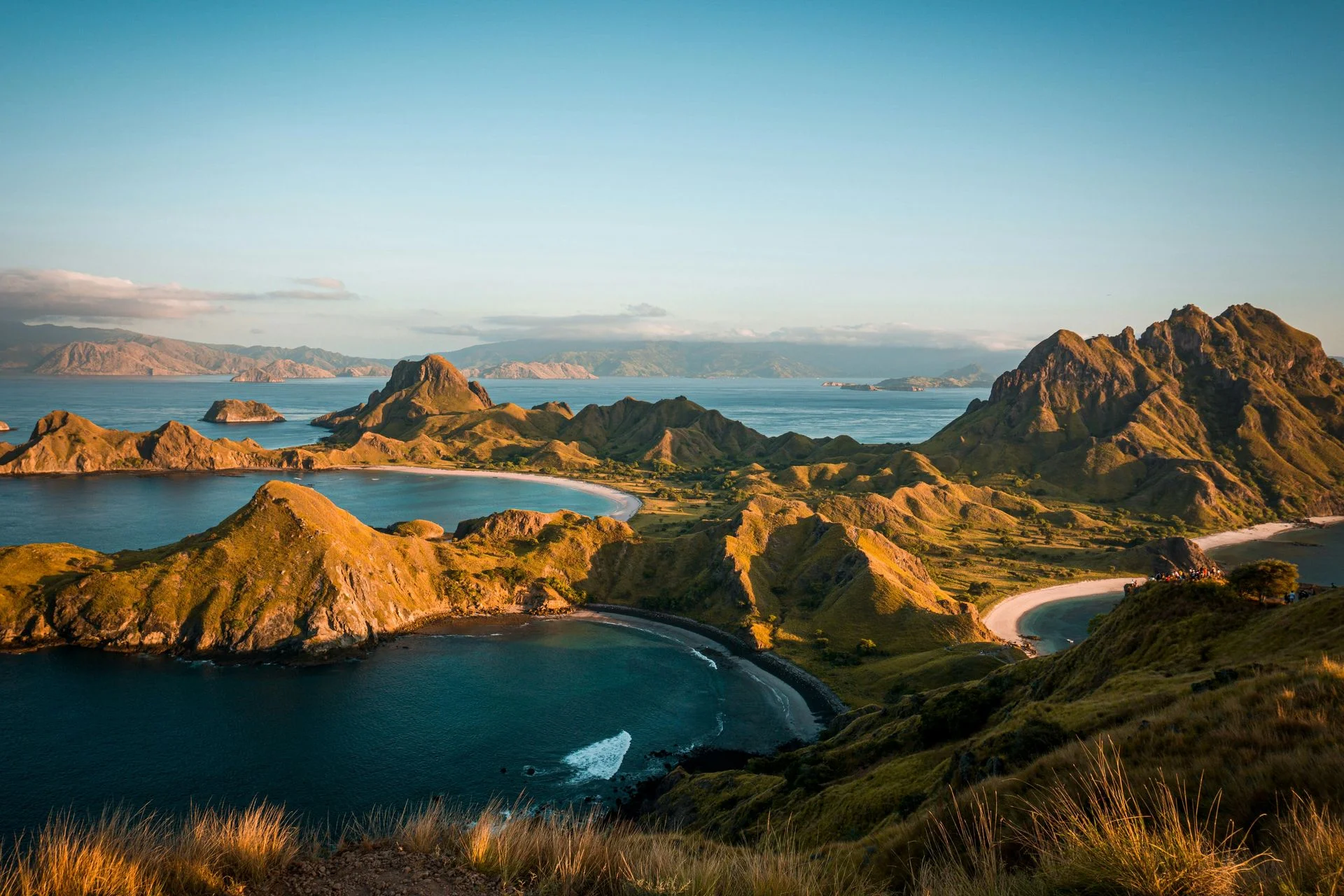
Komodo
Komodo National Park is a diver’s paradise full of marine diversity: expect healthy coral gardens, reef sharks, giant trevallies, countless schools of fish, and frequent manta ray sightings at sites like Manta Point and Batu Bolong. Drift dives and dramatic reef structures add excitement, while both macro lovers and big-fish fans will find plenty to love. Above water, the wild Komodo dragons roam, giving a touch of prehistoric wonder to the whole trip.
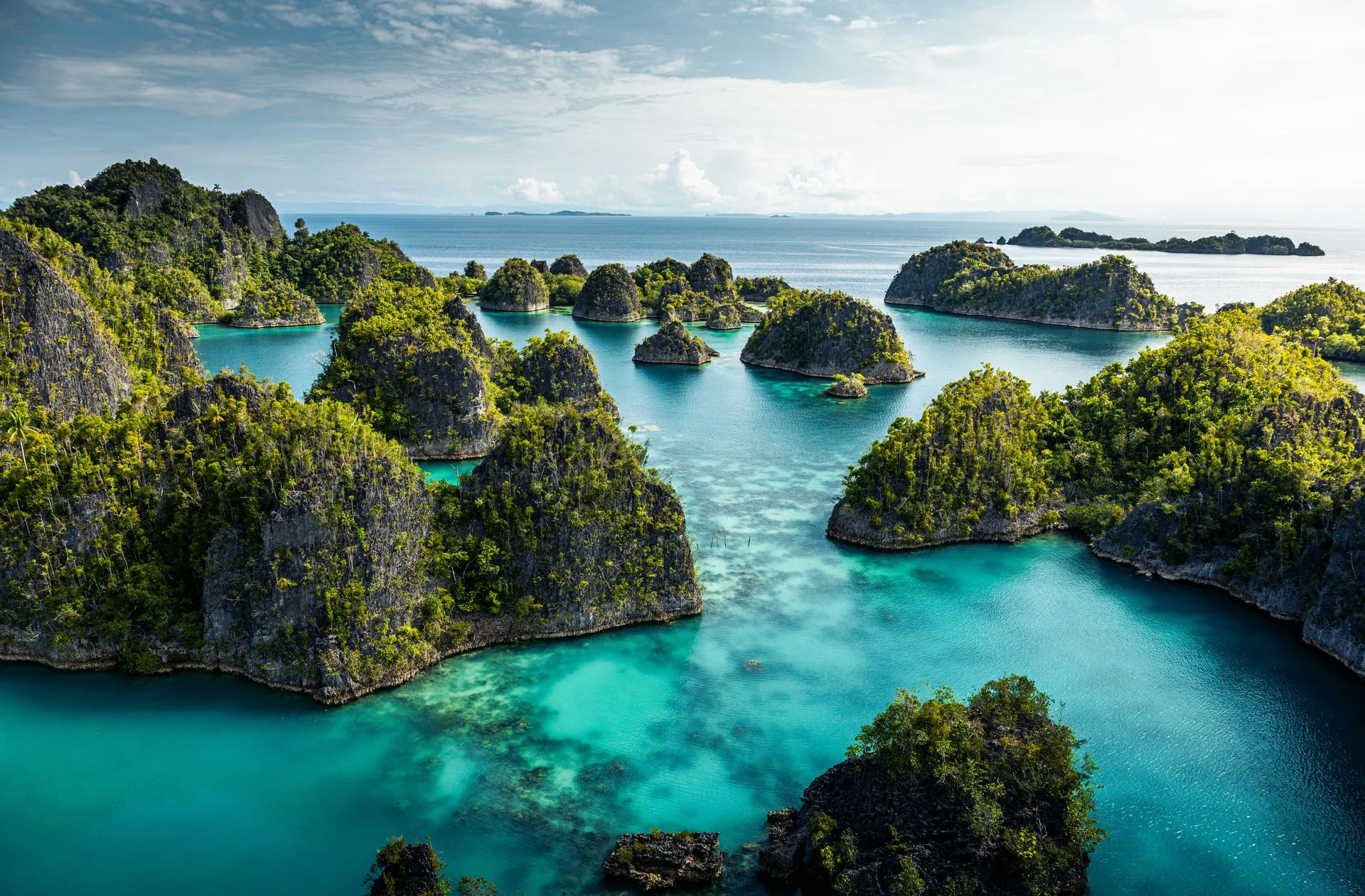
Raja Ampat
Raja Ampat, the “Four Kings,” is an archipelago of more than 1,500 islands at the edge of Indonesian West Papua. Its reefs sit in the heart of the Coral Triangle, where Pacific currents funnel nutrients into shallow seas and feed the world’s richest marine biodiversity. Diving here means gliding over colourful walls and coral gardens buzzing with more than 550 species of hard and soft corals and an estimated 1,500 fish species. You’ll meet blacktip and whitetip reef sharks on almost every dive, witness giant trevally and dogtooth tuna hunting schools of fusiliers, and encounter wobbegong “carpet” sharks, turtles, manta rays and dolphins. From cape pinnacles swarming with life to calm bays rich in macro critters, Raja Ampat offers endless variety. Above water, karst limestone islands and emerald lagoons provide spectacular scenery between dives.