
Hairy Octopus
Octopus sp. 16 (undescribed)
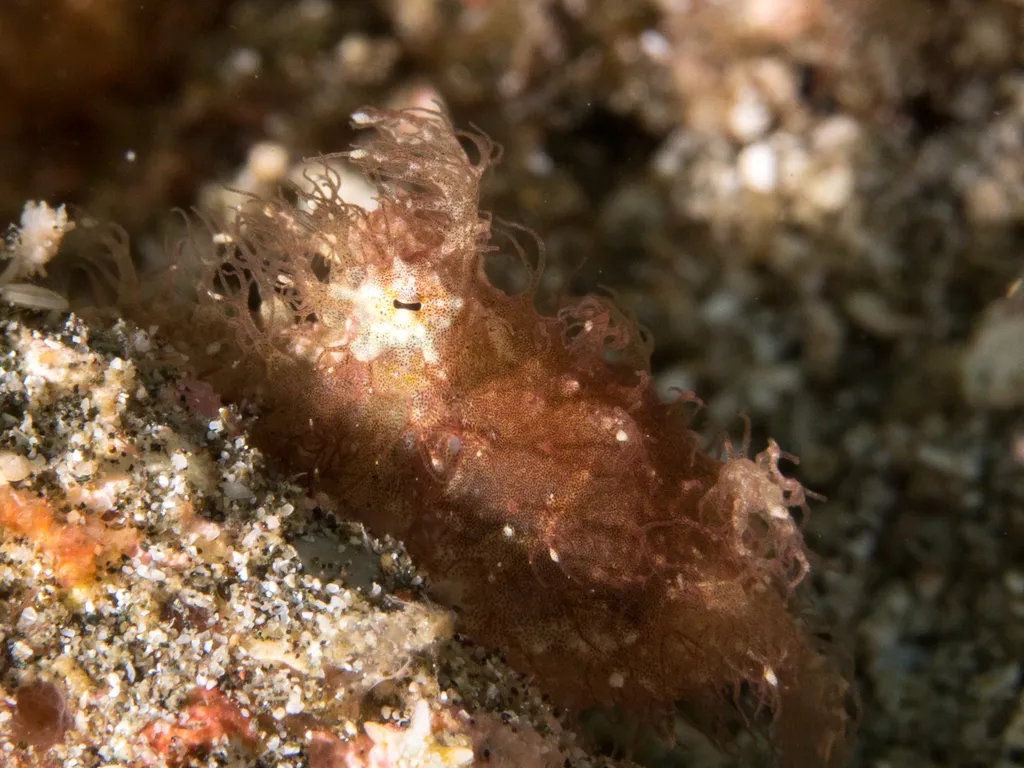
Photo by Rickard Zerpe / CC BY 2.0 via Wikimedia Commons
The Hairy Octopus (Octopus sp. 16) is one of muck diving's most mythologized prizes: a paperclip-sized cephalopod that looks like a tuft of turf algae decided to grow eyes. Mark Norman catalogued it as Octopus sp. 16 in Cephalopods: A World Guide (2000), but it still has no formal binomial name—all we have are diver logs, a handful of field photos, and the collective memory of Lembeh guides who treat a sighting like a birthday present. Total length runs 2–5 cm with arms to ~10 cm; the signature is not size but skin: hundreds of fine, hair-like papillae that ripple in current and let the animal vanish against red algae, seagrass blades, or volcanic rubble. Color shifts from white and cream through brown and red, often with spots; the ring around the eye is frequently paler. Found at 2–20 m on rubble and seagrass from Lembeh and Ambon to Bali, Komodo, Anilao, and Okinawa, it is active by day and infamous for being mistaken for an orangutan crab or a scrap of weed until it pulses white-to-red and hops across the bottom. NAD-Lembeh guides report animals staying on the same patch for days—making repeat sightings possible if you tip well and arrive at the right hour. Not a blue-ringed emergency, but the usual hands-off macro ethics apply.
🔬Classification
📏Physical Features
🌊Habitat Info
⚠️Safety & Conservation
Identification Guide
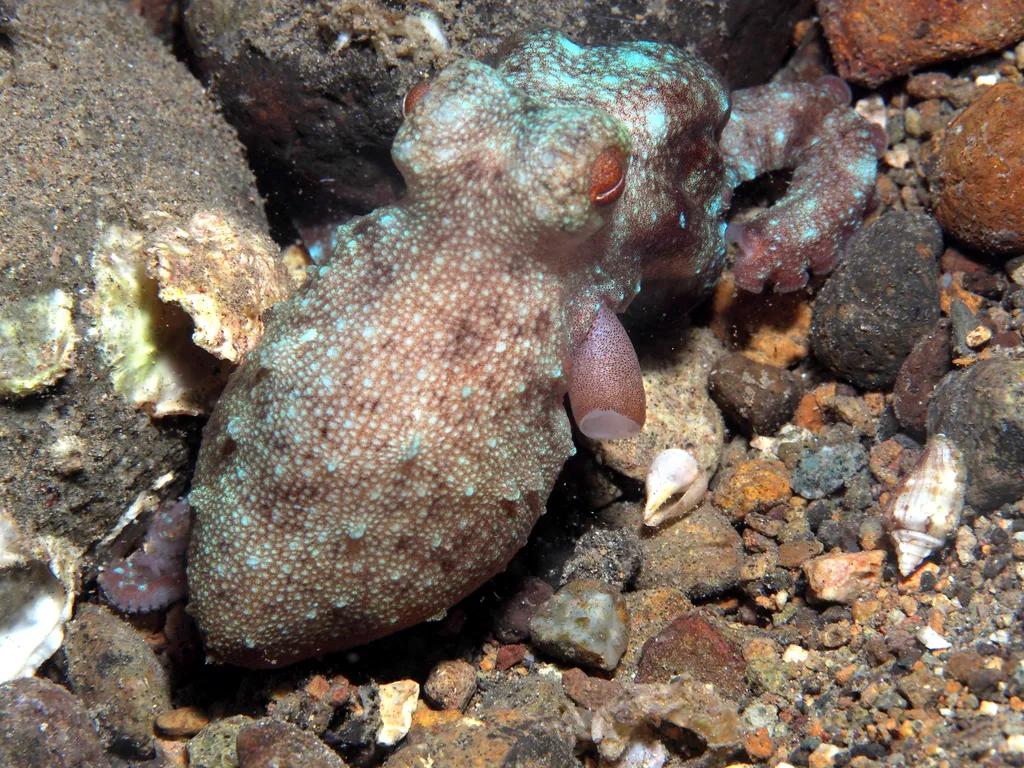
Photo by Rickard Zerpe / CC BY-SA 2.0 via Wikimedia Commons
Size & Silhouette
- Tiny: total length 2–5 cm (up to ~2 in); arms 3–10 cm—smaller than algae octopus (Abdopus aculeatus)
- Body reads as a shaggy lump or turf algae tuft, not a smooth brown octopus blob
- Often flat on rubble with arms curled; can hop across substrate when moving
Skin Texture (The Deal-Breaker)
- Fine, hair-like papillae covering mantle and arms—wispy, not the large spiky bumps of algae octopus
- Papillae wave in current; texture breaks up outline against seagrass and algae
- Small specimens often show denser, longer flaps
Color & Eyes
- White, cream, brown, red—plain or spotted; can pulse between tones when active
- Pale ring around eye common; eye itself often conspicuous once you lock focus
- Turquoise or blue-green flecks reported on some individuals (regional variation)
Habitat & Behavior
- 2–20 m on coral rubble, turf algae, seagrass (Halophila), pebble sand—not classic open black-sand muck
- Diurnal; Lembeh reports include site-faithful individuals for several days
- May ride current rather than jet—camouflage over speed
Confusion Species
- Algae Octopus (Abdopus aculeatus): larger; big spiky papillae; algae-shell curl posture; seagrass flats
- Orangutan Crab (Achaeus japonicus): crustacean—count legs; claws on algae tufts
- Long-arm Octopus (undescribed Abdopus spp.): much larger arm span; different texture
- Blue-ringed octopuses: electric blue rings; high-risk venom; different scale
Top 10 Fun Facts about Hairy Octopus
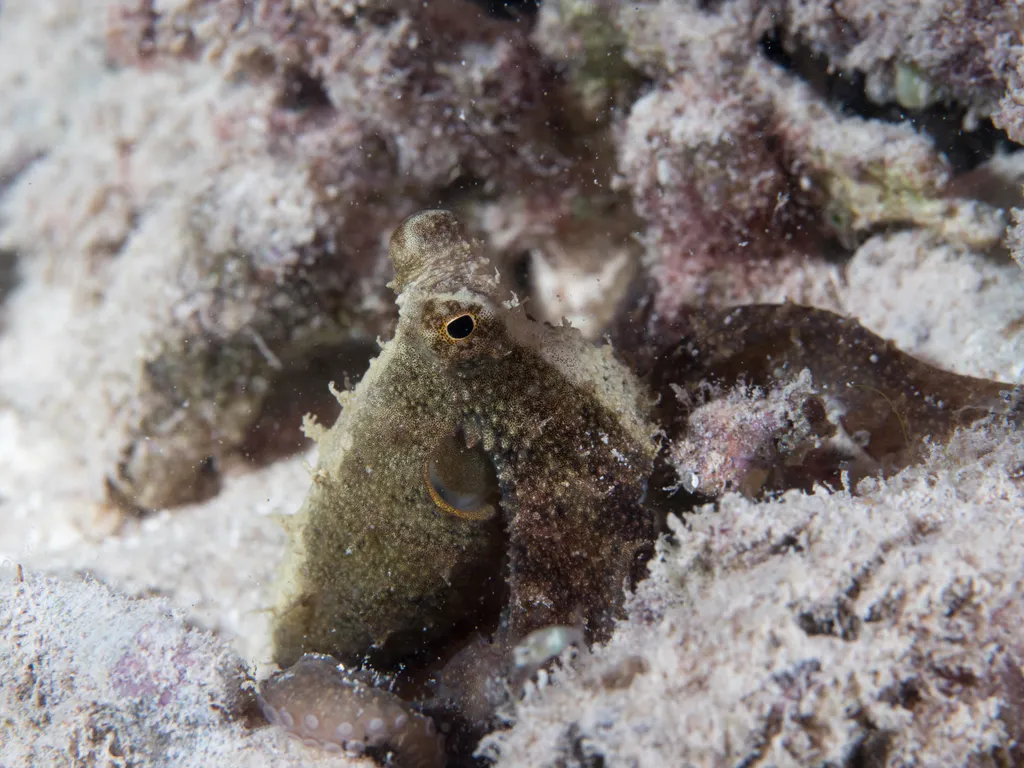
Photo by Rickard Zerpe / CC BY 2.0 via Wikimedia Commons
1. Still Waiting for a Latin Name
Mark Norman listed it as Octopus sp. 16 in 2000, but the hairy octopus remains undescribed—no holotype, no peer-reviewed species paper. Divers have been photographing it for decades while taxonomy catches up, much like mimic and wunderpus before their formal descriptions.
2. Papillae Finer Than Algae Octopus
Both species use skin texture for camouflage, but the hairy octopus deploys hair-like papillae—thin, numerous, current-riding flaps—whereas algae octopus (Abdopus aculeatus) shows larger, spiky bumps. In the field, texture beats color for ID.
3. Paperclip Scale, Holy-Grail Status
At 2–5 cm total length, it is among the smallest octopuses divers chase deliberately. Lembeh operators joke that finding one is worth a guide tip—and regulars do pay up when a spotter calls it on the radio at 25 m.
4. Orangutan Crab Impersonator
Guides and photographers regularly glance past a hairy octopus thinking it is turf algae or an orangutan crab on a weed tuft. The giveaway is movement: a pulse of color, a hop across rubble, or papillae rippling when a fin wash passes.
5. Site-Faithful for Days
NAD-Lembeh and Lembeh Resort reports describe individuals holding the same rubble patch for several days, often around the same time—unusual fidelity for such a cryptic animal and a boon for photographers who hate one-and-done encounters.
6. Color Pulse Performance
Once spotted, hairy octopuses often stop pretending to be debris and cycle through white, red, and brown displays with pulsating skin—behavior that makes mediocre sightings explode into portfolio shots if you hold steady.
7. Rides Current Instead of Jetting
Mark Norman noted they sometimes wait for current to carry them between rubble patches rather than firing the siphon—energy-saving camouflage that also explains why they seem to drift like algae across the bottom.
8. Indo-Pacific Stowaway Range
Beyond Lembeh, records include Ambon, Komodo, Bali (Seraya), Anilao, Okinawa, and even Hawaii—suggesting a wide shallow-Indo-Pacific distribution that is only now being mapped by observant macro divers.
9. Seagrass and Rubble Specialist
Unlike coconut octopus celebrities on bare black sand, hairy octopus favors mixed rubble, turf algae, and seagrass—habitats where fine papillae match blade edges and shell fragments better than smooth sand mimicry.
10. Community Science Before Science
OctoNation, NAD-Lembeh critter logs, and photographer portfolios are effectively the primary literature for this species. Your dated, geotagged macro shot could end up in the next cephalopod revision—if you share it with researchers.
Diving & Observation Notes
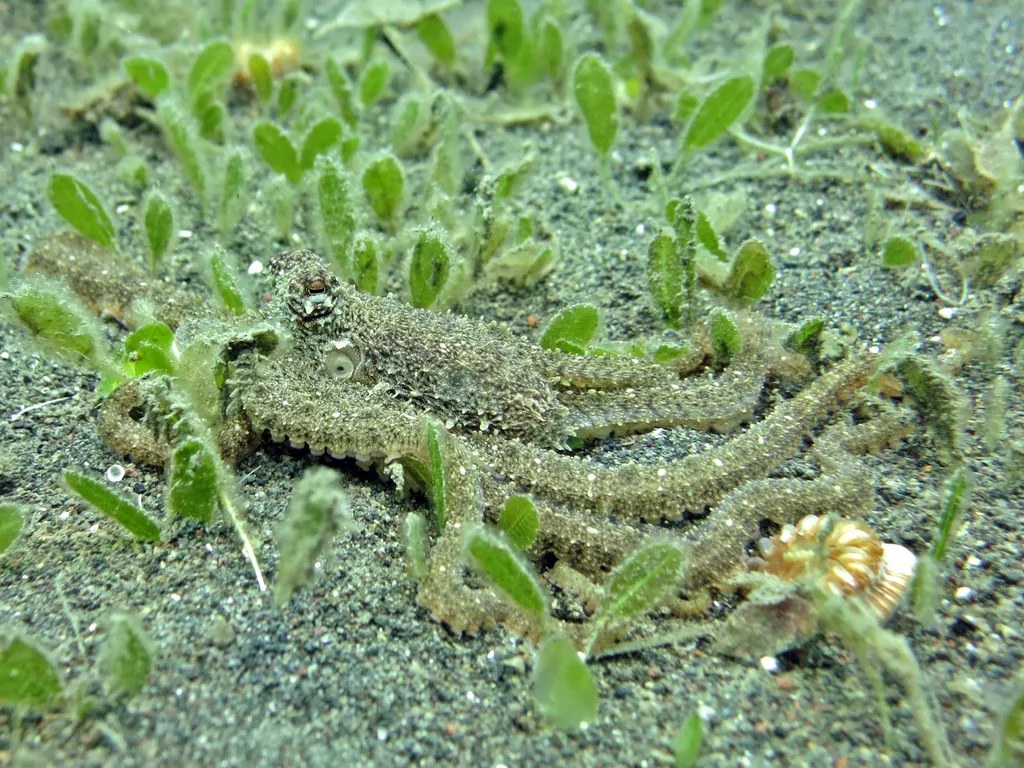
Photo by Lakshmi Sawitri / CC BY 2.0 via Wikimedia Commons
🧭 Where to Look
- Lembeh (Jahir, Hairball, Air Prang): rubble slopes with turf algae and seagrass—not only bare sand
- Ambon and Komodo: rubble patches on mixed muck-reef sites
- Anilao / Mabul: shallow macro slopes with shell hash and weed
- Depth 2–20 m; many sightings 10–25 m when guides call them from deeper rubble
🔍 Search Tactics
- Move slowly; scan for shaggy tufts that are slightly wrong for algae
- Ask guides about recent sightings—animals may hold the same patch for days
- Day dives productive; night possible but less iconic for this species
- October–January historically cited at Lembeh (variable year to year)
📷 Photo Approach
- 100 mm macro (or equivalent); minimum focus distance matters at 2–5 cm body length
- Once active, expect color pulsing—pre-set exposure for shifting tones
- Side lighting rakes papillae texture; avoid flattening with full frontal strobe
- Snoot helps on cluttered rubble; patience beats chasing hops
🤲 Ethics
- Do not touch or poke rubble to flush—cryptic octopuses stress easily
- Avoid surrounding the animal; one photographer at a time on busy days
- Report sightings with date, site, depth to local operators or iNaturalist
Best Places to Dive with Hairy Octopus
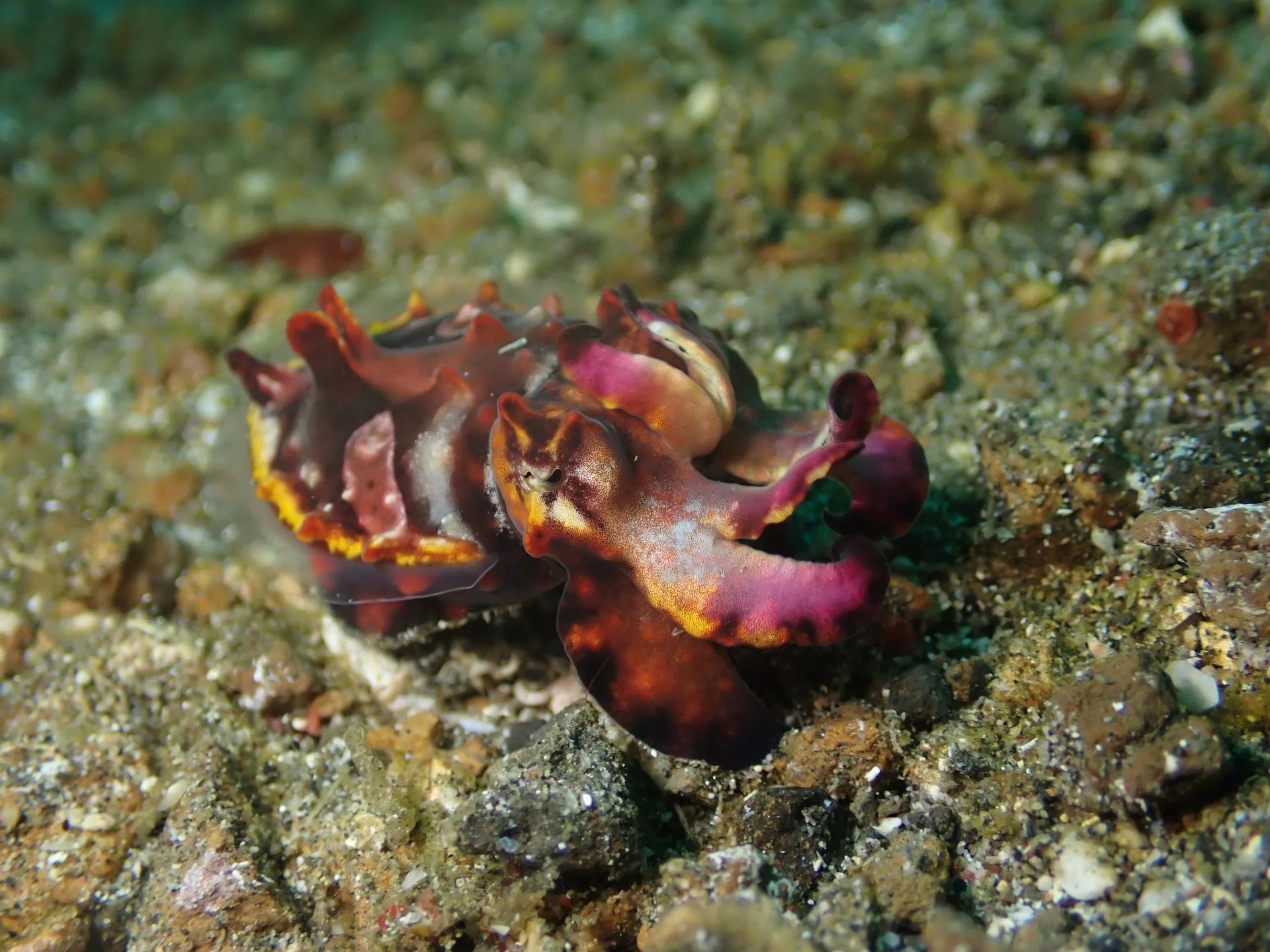
Lembeh
The Lembeh Strait in North Sulawesi has become famous as the muck‑diving capital of the world. At first glance its gently sloping seabed of black volcanic sand, rubble and discarded debris looks bleak. Look closer and it is teeming with weird and wonderful life: hairy and painted frogfish, flamboyant cuttlefish, mimic and blue‑ringed octopuses, ornate ghost pipefish, tiny seahorses, shrimp, crabs and a rainbow of nudibranchs. Most dives are shallow and calm with little current, making it an ideal playground for macro photographers. There are a few colourful reefs for a change of scenery, but Lembeh is all about searching the sand for critter treasures.
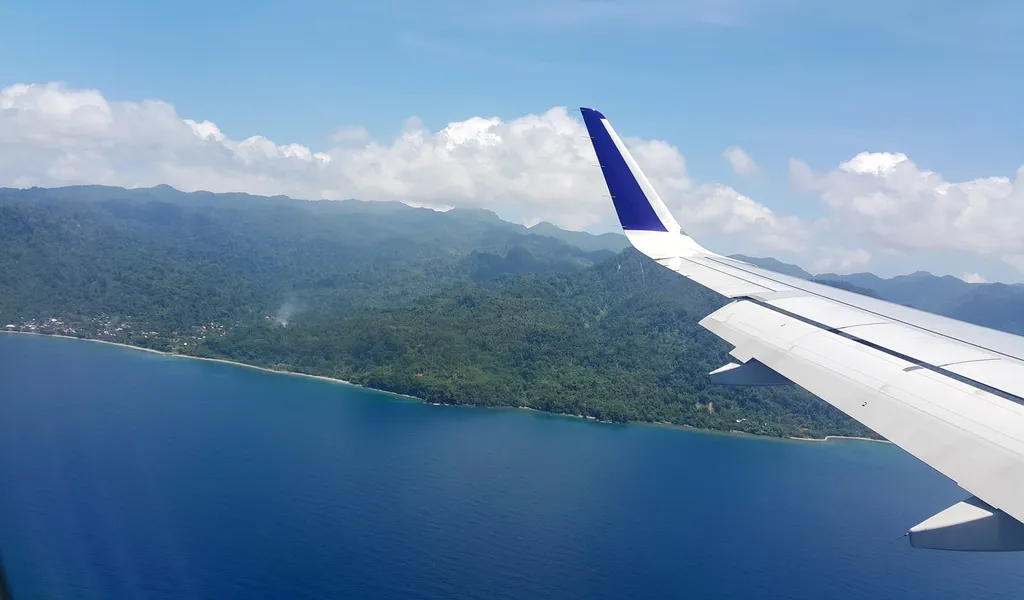
Ambon
Ambon sits in Indonesia’s Maluku (Spice Islands) and is one of the world’s elite muck destinations—often ranked alongside Lembeh for rare critters, without the crowds. The heart of the action is Ambon Bay around Laha village near the airport: black volcanic sand slopes, rubble, pier posts and discarded debris that somehow host psychedelic frogfish (endemic to Ambon waters), rhinopias, flamboyant cuttlefish, mimic and wonderpus octopuses, ghost pipefish and endless nudibranchs. Most bay dives stay 5–35 m with long bottom times that photographers love. When weather allows, the south and east coasts flip the script—healthy hard coral, walls, arches at Pintu Kota, the swim-throughs of Hukurila Cave, and the critter-coated Duke of Sparta wreck. Expect modest lodging in Laha or resort packages further around the bay; July–August monsoon often closes operators.
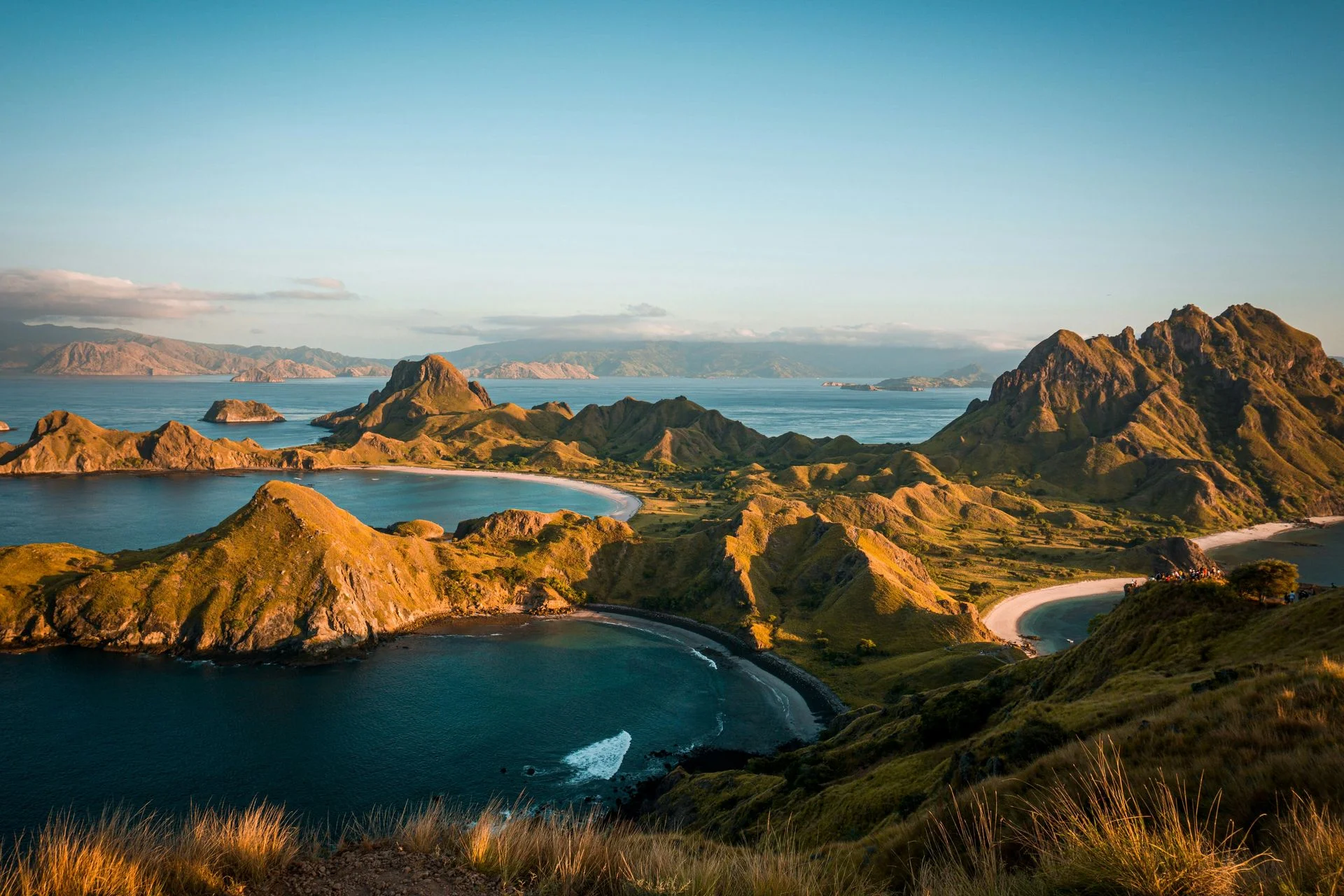
Komodo
Komodo National Park is a diver’s paradise full of marine diversity: expect healthy coral gardens, reef sharks, giant trevallies, countless schools of fish, and frequent manta ray sightings at sites like Manta Point and Batu Bolong. Drift dives and dramatic reef structures add excitement, while both macro lovers and big-fish fans will find plenty to love. Above water, the wild Komodo dragons roam, giving a touch of prehistoric wonder to the whole trip.
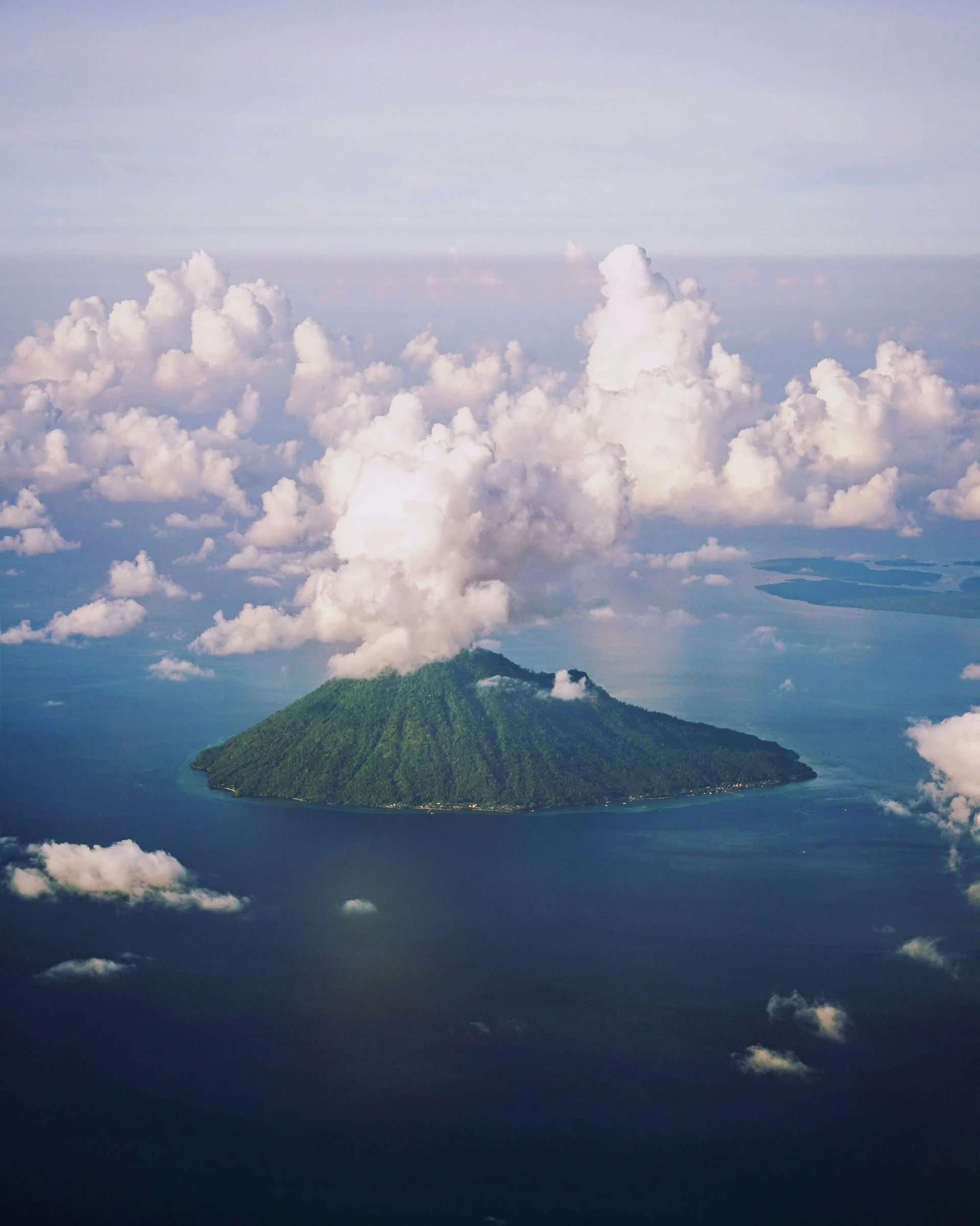
Manado
Tucked away in northern Sulawesi, Manado’s coastal waters and Bunaken National Park are a diver’s dream. Sheer coral walls plunge into the deep blue, exploding with sponges, sea fans and tropical fish, while the mainland coast hides muck‑diving gems with seahorses, ghost pipefish and mimic octopus. Dolphins and pilot whales sometimes cruise past, green turtles nap on the reef, and reef sharks and schooling jacks patrol the drop‑offs. Whether you like effortless drift dives along walls or critter hunting in sand and seagrass, Manado balances big‑fish thrills with macro treasures. Warm waters, friendly locals and laid‑back resorts make it perfect for both serious underwater photographers and casual holidaymakers.
Anilao
Anilao, a small barangay in Batangas province just two hours south of Manila, is often called the macro capital of the Philippines. More than 50 dive sites fringe the coast and nearby islands, offering an intoxicating mix of coral‑covered pinnacles, muck slopes and blackwater encounters. Critter enthusiasts come for the legendary muck dives at Secret Bay and Anilao Pier, where mimic octopuses, blue‑ringed octopuses, wonderpus, seahorses, ghost pipefish, frogfish and dozens of nudibranch species lurk in the silt. Shallow reefs like Twin Rocks and Cathedral are covered in soft corals and teem with reef fish, while deeper sites such as Ligpo Island feature gorgonian‑covered walls and occasional drift. Because Anilao is so close to Manila and open year‑round, it’s the easiest place in the Philippines to squeeze in a quick diving getaway.
Mabul
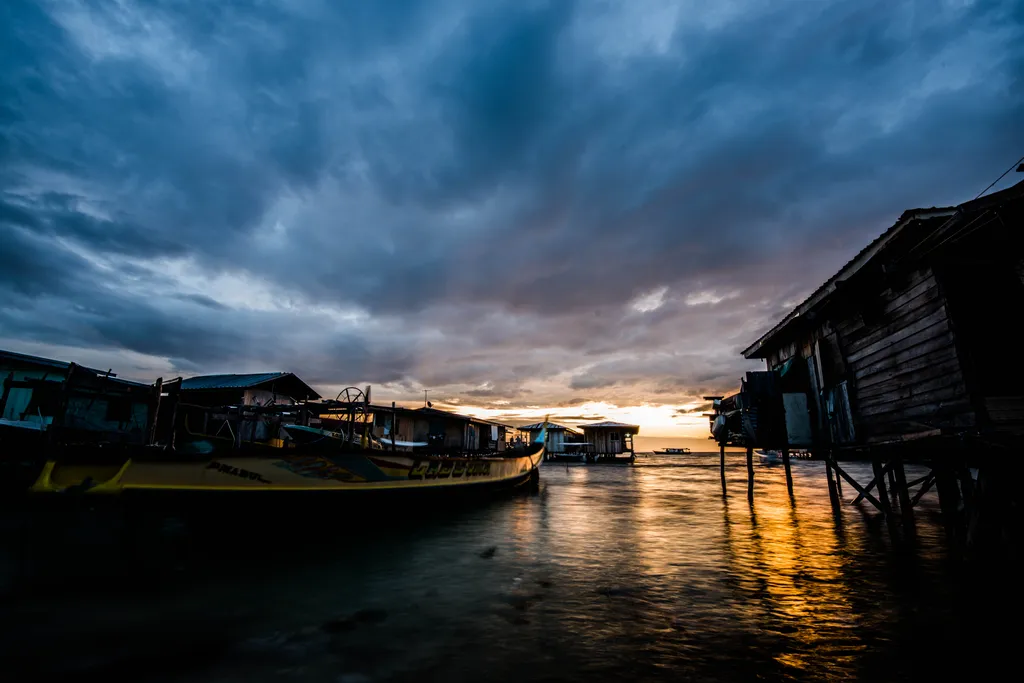
Mabul is where you come to slow down and stare at sand. The island sits in the Semporna archipelago off eastern Sabah — a flat, palm-fringed speck ringed by shallow rubble slopes, artificial reef structures, and the occasional tyre stack that macro photographers lose their minds over. Visibility rarely tops 15 m and nobody cares: frogfish the size of your thumb, flamboyant cuttlefish pulsing purple and yellow, blue-ring octopus tucked in rubble, ornate ghost pipefish, ribbon eels, pygmy seahorses in sea fans, and nudibranchs on every spare surface. This is muck diving with resort convenience — walk from your bungalow to the boat, three dives before lunch, rinse and repeat. The signature sites circle the island and nearby Seaventures rig: Froggy Lair and Crocodile Avenue for classic critter hunts, Lobster Wall and Eel Garden when you want a bit of structure, Paradise 1 & 2 for mixed reef-and-rubble variety. Night dives here are excellent — mandarinfish mating dances at dusk, bobtail squid and Spanish dancer nudibranchs after dark. Most resorts run house-reef dives and unlimited shore access between boat trips. Sipadan's barracuda tornadoes and sheer walls are 45 minutes away by speedboat, and many packages include a day or two on permit — but that's the side dish. Base yourself on Mabul for a week of macro and you won't feel cheated if the permit lottery doesn't go your way. Bring a macro lens, a patient dive guide, and low expectations for viz; bring high expectations for critters.
Wakatobi
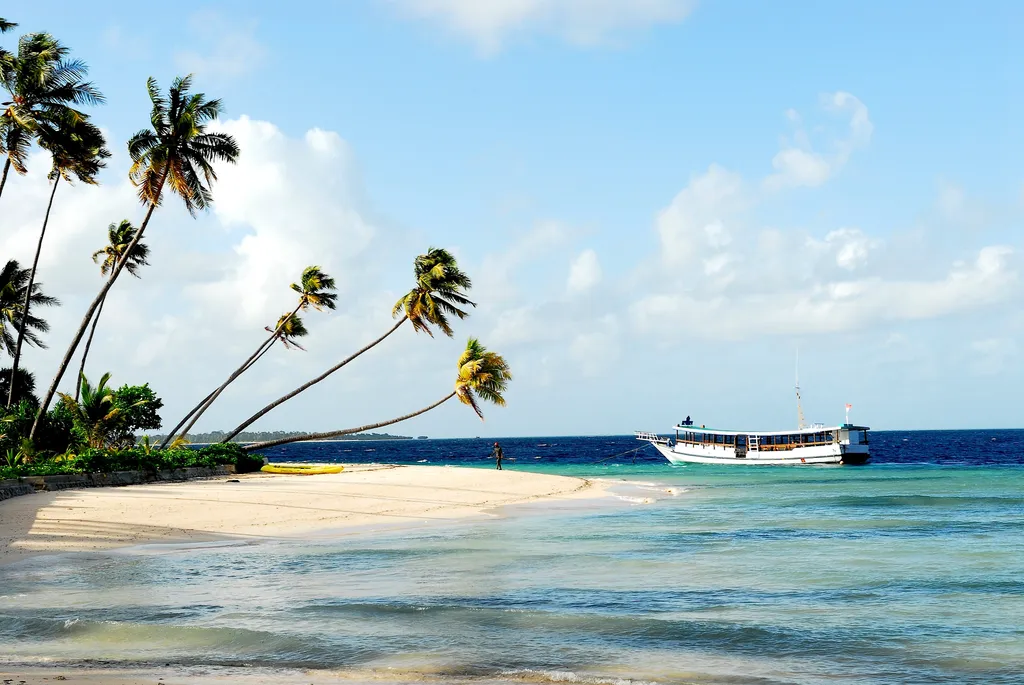
Wakatobi National Park sits on the southeastern rim of Sulawesi, named from its four main islands—Wangi-Wangi, Kaledupa, Tomia, and Binongko. It holds some of the healthiest coral coverage in the Coral Triangle, with walls, seamounts, and fringing reefs that marine biologists still treat as a reference system. Visibility regularly hits 30 m and can stretch past 50 m on calm outer-reef days. Currents are usually mild and predictable, so you get long bottom times on colorful hard-coral gardens instead of fighting blue water. The signature experience is Wakatobi’s House Reef—walk-in shore diving a short swim from the jetty—backed by more than 40 day-boat sites, from beginner pinnacles like Roma to the knife-edge walls of Blade.