
Varicose Phyllidiid
Phyllidia varicosa
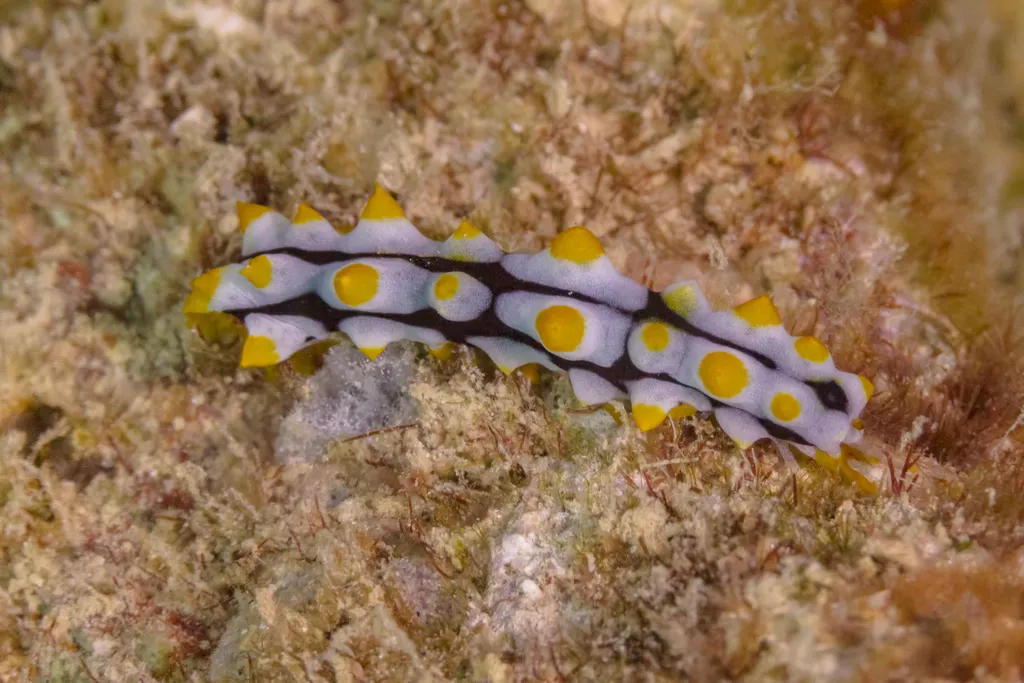
Photo by Diego Delso / CC BY-SA 4.0 via Wikimedia Commons
Phyllidia varicosa is the nudibranch that turns non-macro divers into nudibranch people. Big enough to spot without a guide—often 5–8 cm, sometimes larger—this dorid wears a black body crossed by blue-grey ridges capped with yellow tubercles, a pattern so loud it reads as "do not eat me" from across the reef. Unlike delicate aeolids, it has a tough, leathery notum and walks the open rock like it owns the wall. Distribution spans the Indo-West Pacific: Red Sea and East Africa through the Maldives, Coral Triangle, Australia, Micronesia, Japan, and Hawaii. Ecology is sponge-driven: it feeds on species such as Hymeniacidon and Axinyassa, hoards their isocyanopupukeanane chemistry, and deploys milky defensive mucus from lateral glands when harassed—textbook dietary chemical-defense sequestration. Juvenile Pearsonothuria graeffei sea cucumbers even mimic the same yellow-on-black warning palette. For trip planning, treat it as a gateway macro: visible on normal reef profiles, photogenic without extreme magnification, and a reliable tick on almost any Indo-Pacific itinerary.
🔬Classification
📏Physical Features
🌊Habitat Info
⚠️Safety & Conservation
Identification Guide
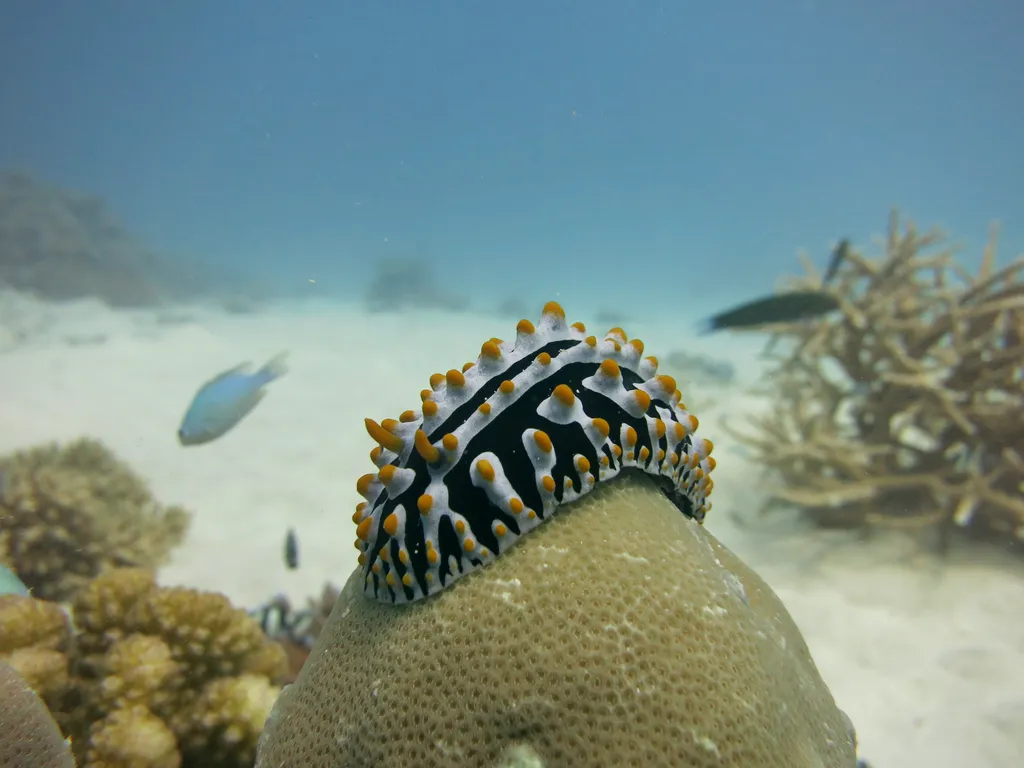
Photo by Ahmed Abdul Rahman for MDC Seamarc Maldives / CC BY-SA 4.0 via Wikimedia Commons
Silhouette & size
- Large phyllidiid; elongated oval, often 5–10 cm—visible to the naked eye on reef walls
- 3–6 longitudinal ridges of smooth tubercles running dorsally, not a random scatter
Color lock
- Ridges and tubercle bases blue-grey on black ground; tubercle tips bright yellow (occasional animals reduced yellow)
- Yellow rhinophores; crescent-shaped blue-grey marginal patches with black spots common
Foot & anatomy cues
- Dark medial longitudinal stripe on sole of foot—key field mark vs. similar Phyllidia spp.
- Dorsally located anus (phyllidiid trait); tough, leathery mantle texture
Look-alike trap
- Phyllidia ocellata and P. picta share yellow-black phyllidiid look—check ridge count, tubercle arrangement, and foot stripe
- Juvenile Pearsonothuria graeffei mimics color but is a sea cucumber—no rhinophores, different body shape
Habitat cue
- Crawling in the open on rock and reef boulders, often near sponges; less cryptic than most nudibranchs
Top 10 Fun Facts about Varicose Phyllidiid
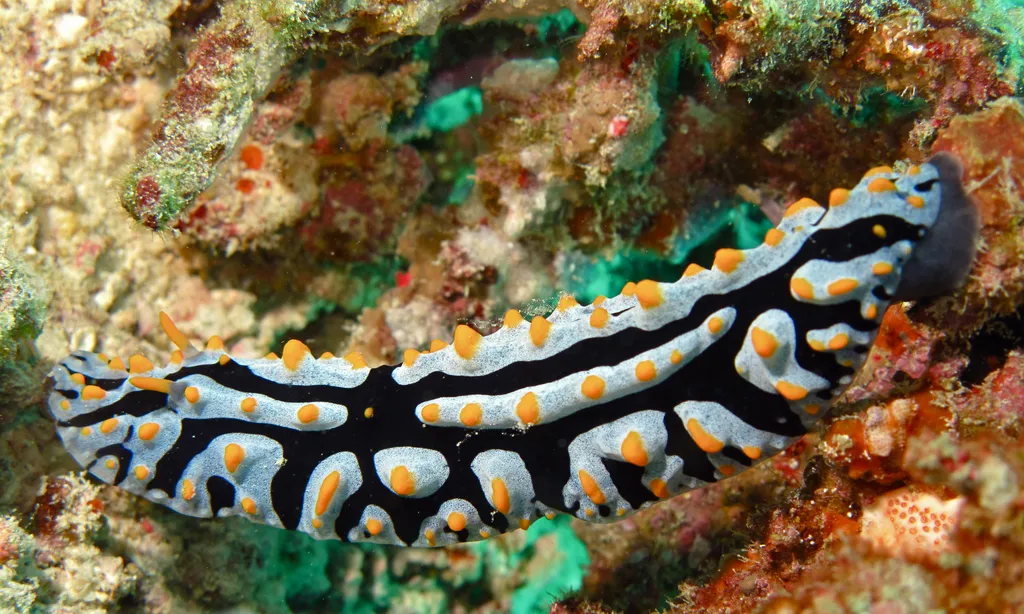
Photo by Bernard DUPONT from FRANCE / CC BY-SA 2.0 via Wikimedia Commons
1. The Name Means "Swollen Veins"
Varicosa refers to the dorsal ridges and tubercles that look like distended veins—one of the easier Latin etymologies to remember on a dive boat.
2. Sponge Diet, Slug Weapon
It feeds on sponges including Hymeniacidon and Axinyassa aculeata, sequestering 9-isocyanopupukeanane and related isocyano-sesquiterpenes. The slug does not manufacture the toxin—it steals and concentrates it.
3. Aquarium Mucus Can Kill Tankmates
Johannes (1963) documented defensive mucus killing a co-housed lobster in an aquarium. Burreson, Scheuer, and colleagues later isolated the active compounds—named partly for Hawaiian dive site Pupukea. A reminder: never collect this animal.
4. Aposematic Advertising Works
Bright yellow-on-black is classic warning coloration. Predatory fish learn quickly; the leathery texture backs up the chemical message.
5. Sea Cucumber Mimicry
Juveniles of Pearsonothuria graeffei copy the same palette—one of the reef's best-known examples of Batesian mimicry where a harmless animal dresses like a toxic one.
6. Bigger Than "Macro" Stereotype
At 5–10 cm (records to ~20 cm), this species breaks the "nudibranch = fingernail" myth. A 60 mm lens or even careful close-focus wide-angle works when the animal is fully out on the rock.
7. Foot Stripe Is the Field Key
Among similar Phyllidia, the dark longitudinal stripe on the foot sole separates P. varicosa from several look-alikes. Young animals may lack it—then check ridge morphology and marginal patches.
8. Open-Habitat Crawler
Unlike many nudibranchs tucked under ledges, P. varicosa commonly walks exposed reef rock and walls—why so many divers notice it before they own a macro lens.
9. Anti-Malarial Chemistry Research
Recent natural-product studies flagged its toxic secretions for potential anti-malarial activity—your reef macro subject doubles as a biochemistry textbook case.
10. Hawaii's "Scrambled Egg" Nudibranch
In Hawaiian dive culture it is nicknamed the scrambled-egg or fried-egg nudibranch—the yellow tubercles on dark ridges evoke breakfast on the reef.
Diving & Observation Notes
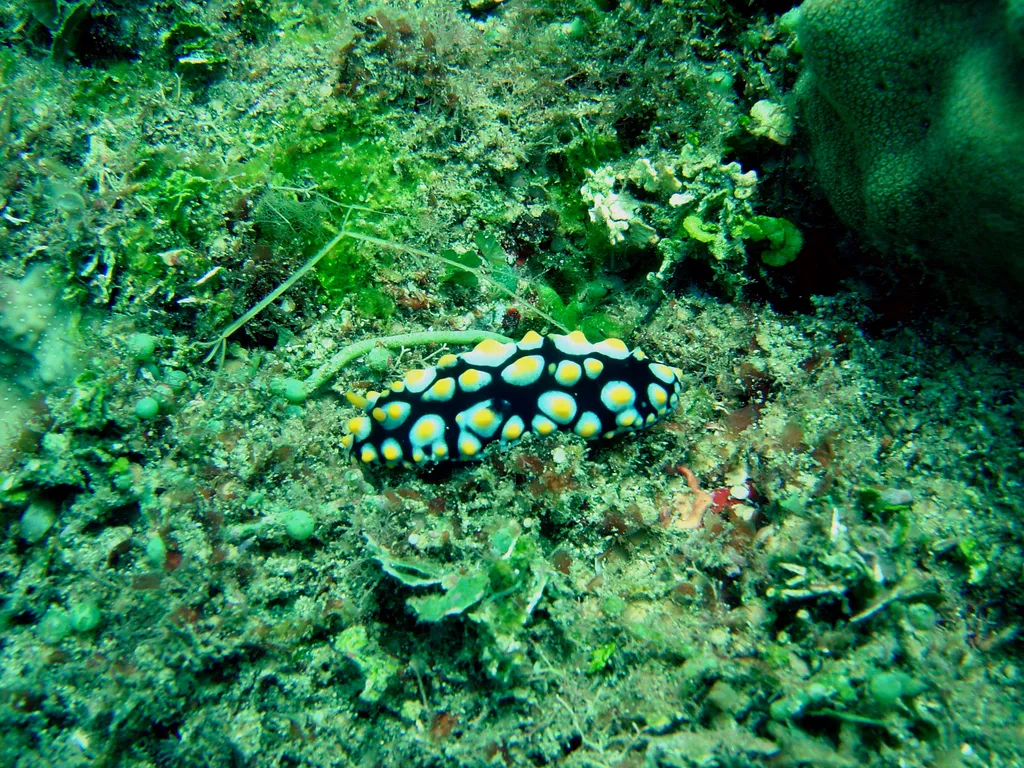
Photo by David Burdick / NOAA via Wikimedia Commons
🧭 Finding strategy
Scan open reef rock, walls, and boulders at normal recreational depths—this species does not require muck or night dives. Brief your guide on "phyllidiid on the wall" rather than generic nudibranch. Check sponge patches where animals feed.
No touch — ever
Defensive mucus is potent and can irritate skin and eyes. Keep gloves off and cameras at respectful distance. Never harass to provoke secretion for photos.
Lens & framing
60 mm macro is the sweet spot for full-body shots on rock. 105 mm works for tubercle detail. The bold pattern survives natural light on shallow walls—strobes optional if you manage contrast.
Composition tips
Shoot slightly from the side to show ridge relief and yellow tubercle caps. Include surrounding sponge or rock texture for scale—the animal is large enough to anchor a frame without filling 100% of the sensor.
Site moods that produce hits
Almost any healthy Indo-Pacific reef: Tulamben walls, Komodo boulders, Raja Ampat ridges, Maldives thilas, Red Sea (Sharm, Hurghada), Anilao/Dumaguete/Puerto Galera slopes, Bunaken, Wakatobi, Mabul, Fiji, GBR, Palau, Okinawa, Hawaii.
Best Places to Dive with Varicose Phyllidiid
Tulamben(Bali)
Tulamben sits on Bali’s northeast coast and is best known for the USAT Liberty shipwreck – a 125‑metre cargo ship torpedoed in WWII that now lies just a short swim from shore. Warm water, mild currents and straightforward shore entries make diving here relaxed for all levels. Besides the wreck, divers can explore coral gardens, black‑sand muck sites and dramatic drop‑offs. Macro lovers will find nudibranchs, ghost pipefish, mimic octopus and pygmy seahorses, while big‑fish fans can encounter schooling jackfish, bumphead parrotfish and reef sharks. With a compact coastline packed with variety, Tulamben delivers world‑class wreck and critter diving without long boat rides.
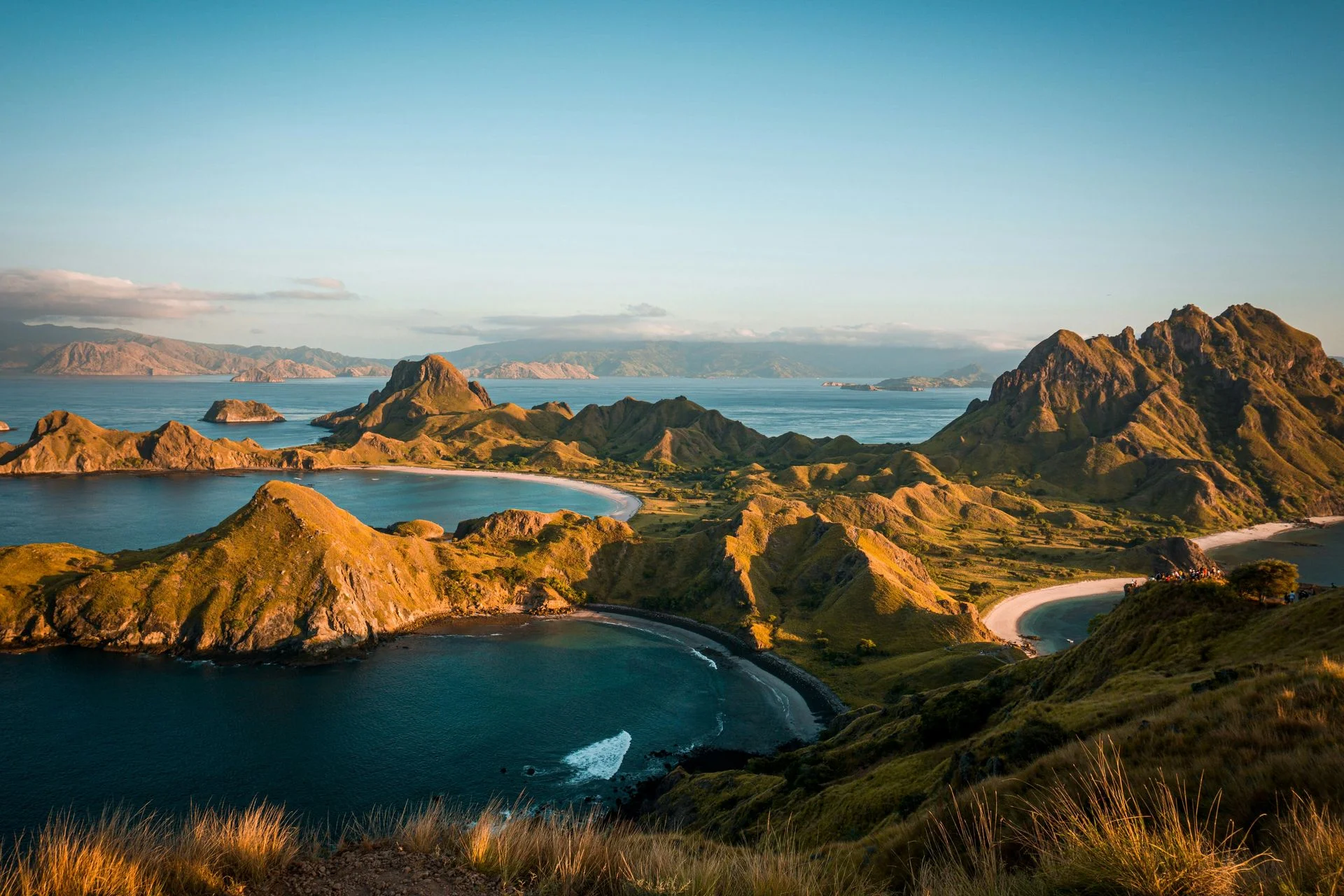
Komodo
Komodo National Park is a diver’s paradise full of marine diversity: expect healthy coral gardens, reef sharks, giant trevallies, countless schools of fish, and frequent manta ray sightings at sites like Manta Point and Batu Bolong. Drift dives and dramatic reef structures add excitement, while both macro lovers and big-fish fans will find plenty to love. Above water, the wild Komodo dragons roam, giving a touch of prehistoric wonder to the whole trip.
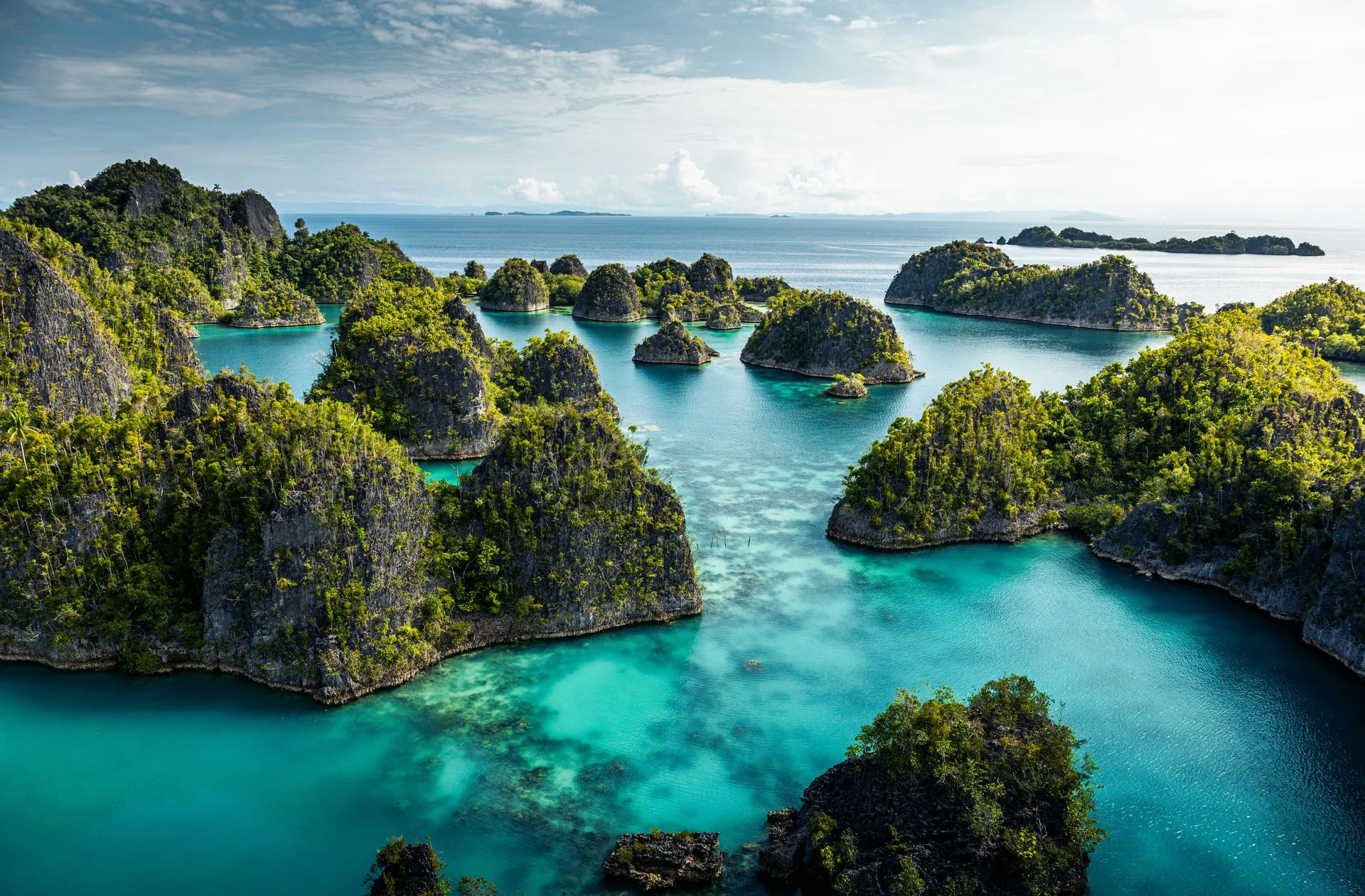
Raja Ampat
Raja Ampat, the “Four Kings,” is an archipelago of more than 1,500 islands at the edge of Indonesian West Papua. Its reefs sit in the heart of the Coral Triangle, where Pacific currents funnel nutrients into shallow seas and feed the world’s richest marine biodiversity. Diving here means gliding over colourful walls and coral gardens buzzing with more than 550 species of hard and soft corals and an estimated 1,500 fish species. You’ll meet blacktip and whitetip reef sharks on almost every dive, witness giant trevally and dogtooth tuna hunting schools of fusiliers, and encounter wobbegong “carpet” sharks, turtles, manta rays and dolphins. From cape pinnacles swarming with life to calm bays rich in macro critters, Raja Ampat offers endless variety. Above water, karst limestone islands and emerald lagoons provide spectacular scenery between dives.
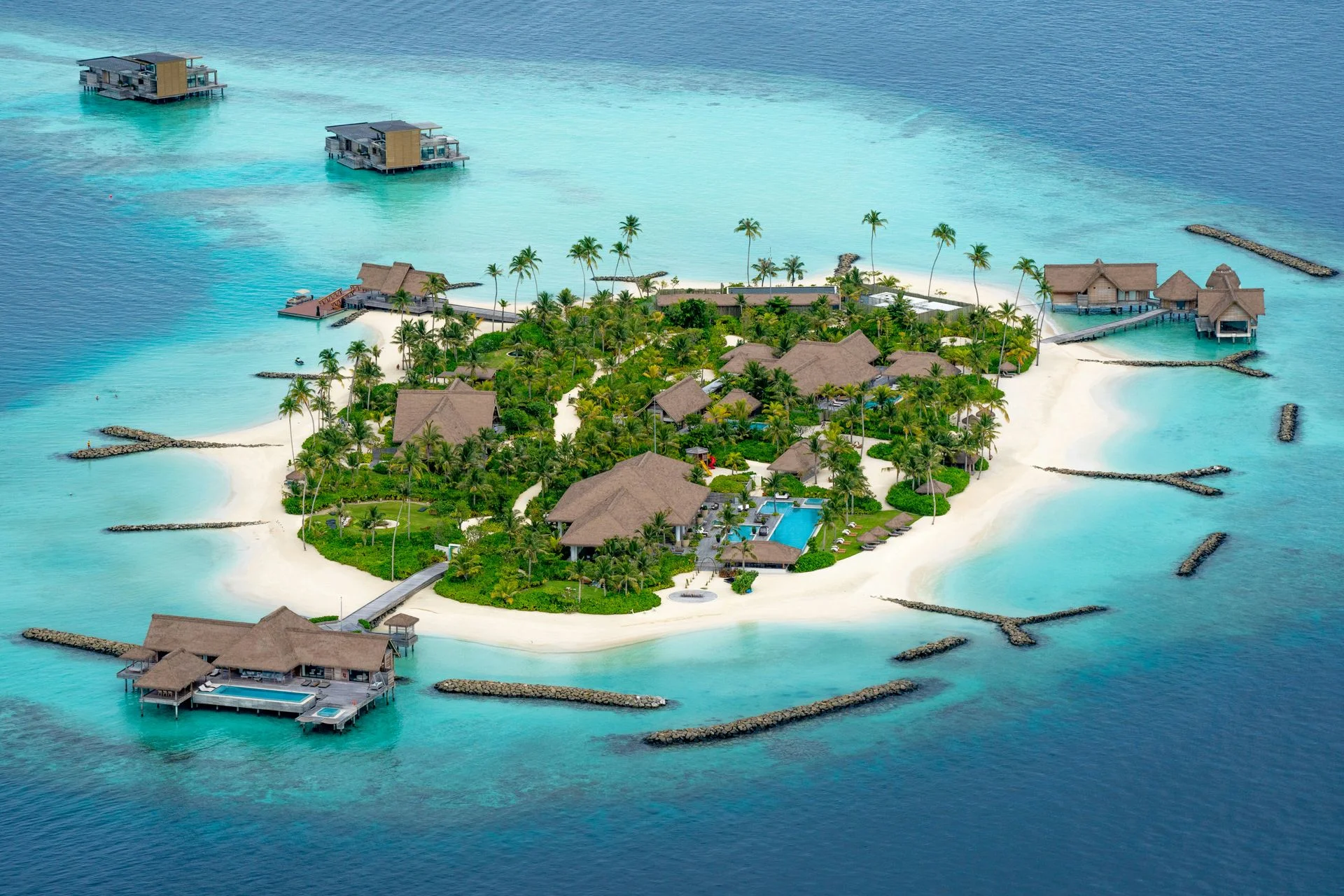
Maldives
Scattered across the Indian Ocean like strings of pearls, the Maldives’ 26 atolls encompass more than a thousand low‑lying islands, reefs and sandbanks. Beneath the turquoise surface are channels (kandus), pinnacles (thilas) and lagoons where powerful ocean currents sweep past colourful coral gardens. This nutrient‑rich flow attracts manta rays, whale sharks, reef sharks, schooling jacks, barracudas and every reef fish imaginable. Liveaboards and resort dive centres explore sites such as Okobe Thila and Kandooma Thila in the central atolls, manta cleaning stations in Baa and Ari, and shark‑filled channels like Fuvahmulah in the deep south. Diving here ranges from tranquil coral slopes to adrenalin‑fuelled drifts through current‑swept passes, making the Maldives a true pelagic playground.
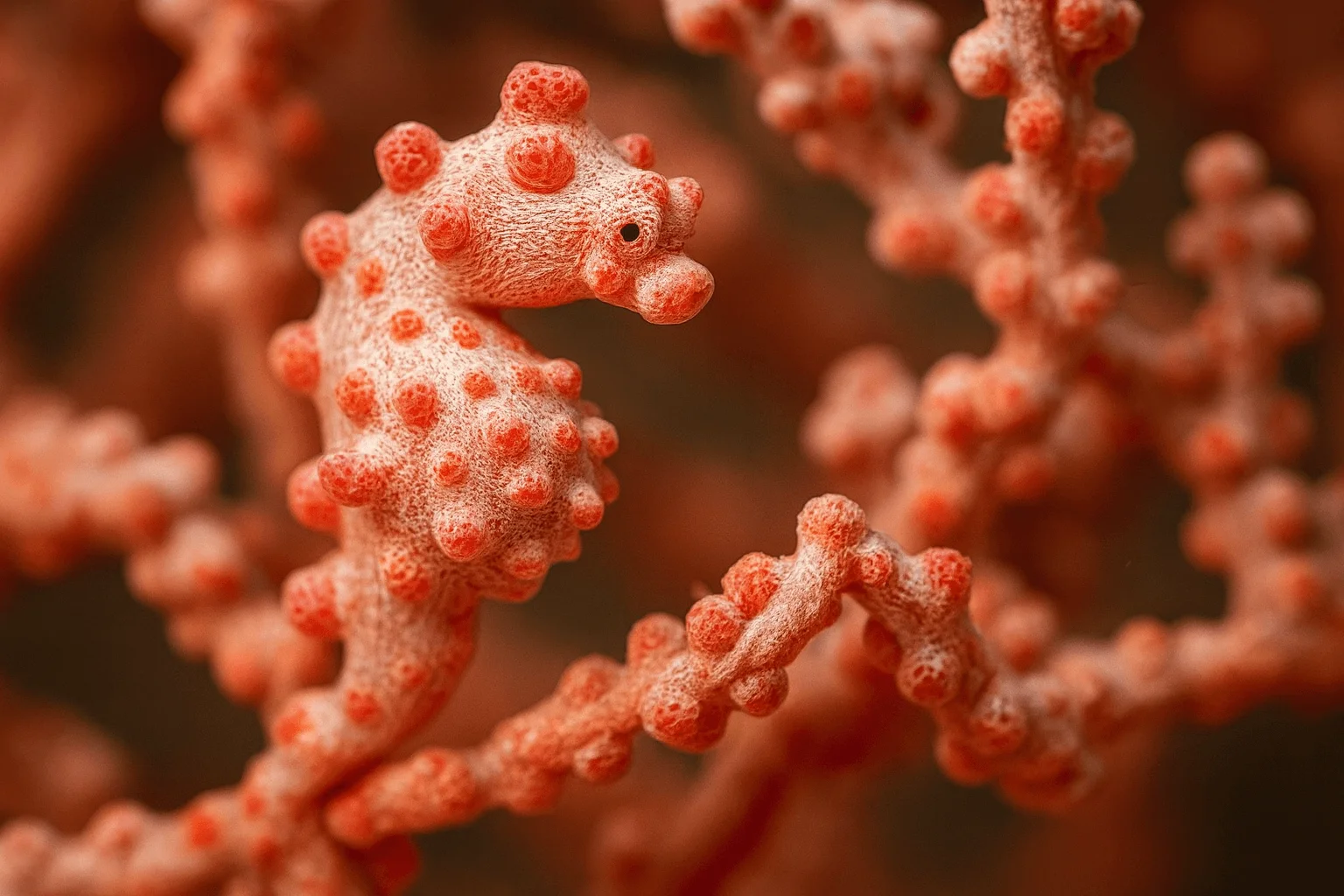
Anilao
Anilao, a small barangay in Batangas province just two hours south of Manila, is often called the macro capital of the Philippines. More than 50 dive sites fringe the coast and nearby islands, offering an intoxicating mix of coral‑covered pinnacles, muck slopes and blackwater encounters. Critter enthusiasts come for the legendary muck dives at Secret Bay and Anilao Pier, where mimic octopuses, blue‑ringed octopuses, wonderpus, seahorses, ghost pipefish, frogfish and dozens of nudibranch species lurk in the silt. Shallow reefs like Twin Rocks and Cathedral are covered in soft corals and teem with reef fish, while deeper sites such as Ligpo Island feature gorgonian‑covered walls and occasional drift. Because Anilao is so close to Manila and open year‑round, it’s the easiest place in the Philippines to squeeze in a quick diving getaway.
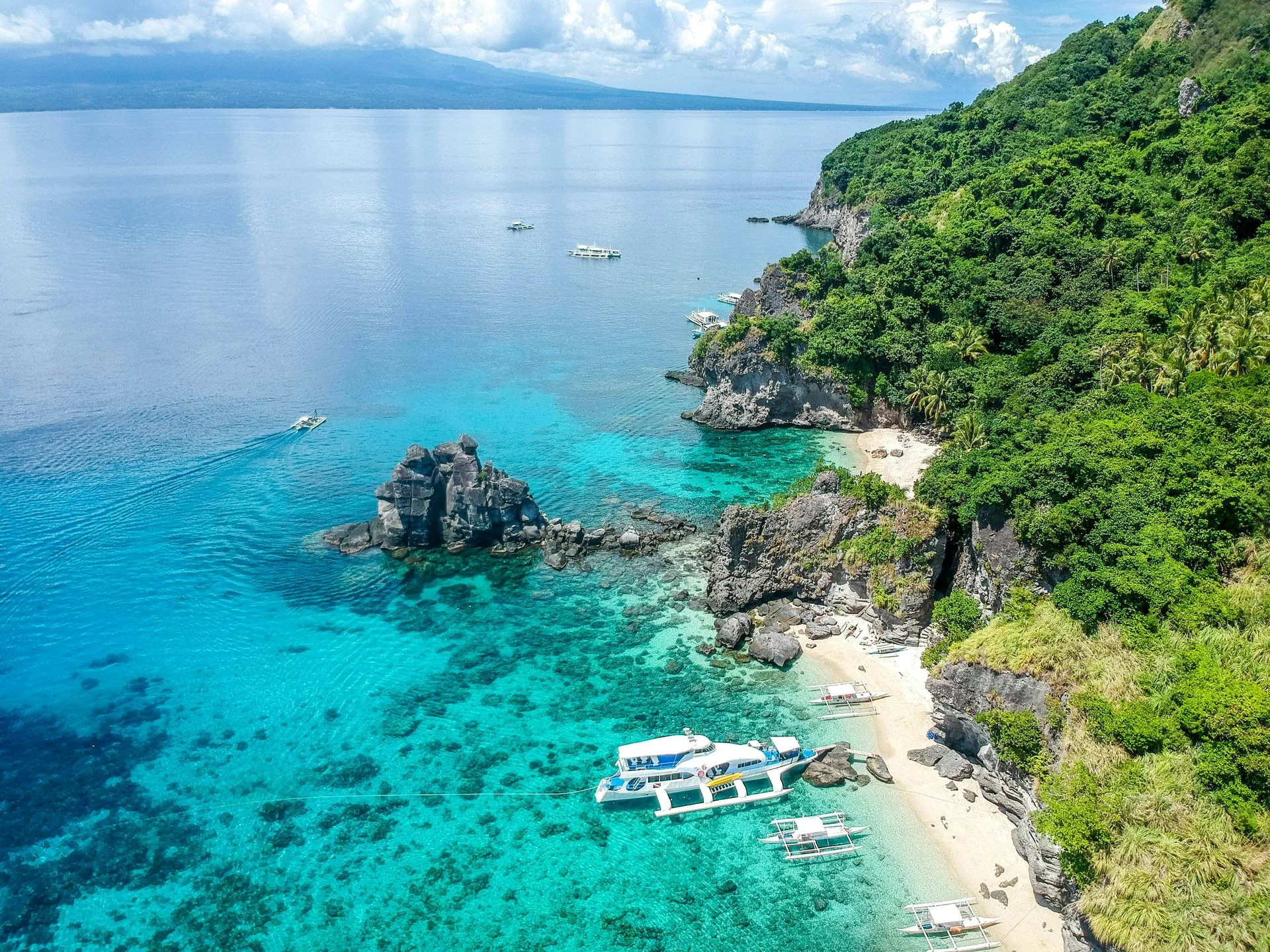
Dumaguete
Dumaguete on the southeast coast of Negros is the jumping‑off point for some of the Philippines’ most diverse diving. Along the nearby town of Dauin, a series of shallow marine sanctuaries and black‑sand slopes hide critters galore: frogfish, flamboyant cuttlefish, mimic octopus, ghost pipefish, seahorses, pipefish and nudibranchs. Artificial reefs made from car tyres and pyramids provide extra habitat. Offshore, Apo Island’s walls and plateaus burst with hard and soft corals, schooling jacks and barracudas, and friendly green turtles. With day trips to Oslob’s whale sharks or Bais’ dolphin‑watching, and excursions to nearby Siquijor, Dumaguete offers a perfect mix of macro muck diving and classic coral reefs.
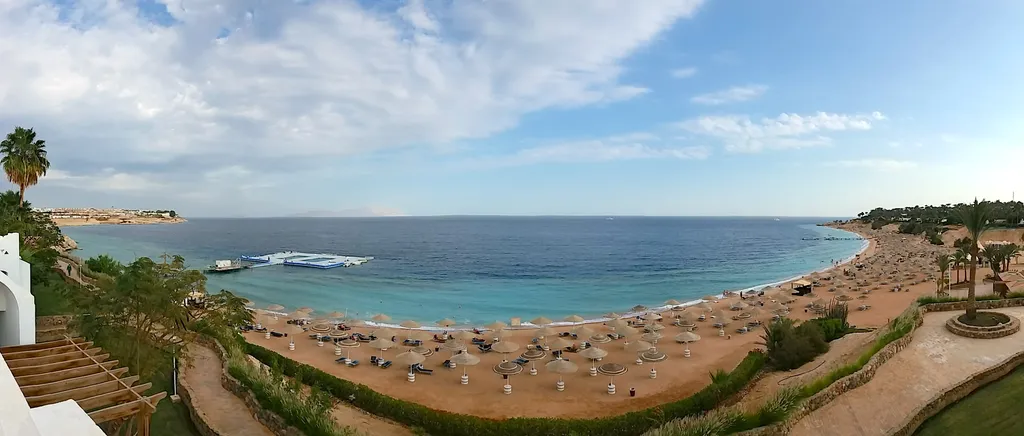
Sharm El Sheikh
Sharm El Sheikh sits at the southern tip of Egypt's Sinai Peninsula and functions as the Red Sea's busiest dive hub for good reason. Day boats run south to Ras Mohammed National Park—walls, current-swept pinnacles and the famous Shark Reef–Yolanda Reef double drop—and north through the Straits of Tiran past four reef towers where hammerheads patrol in season. Wreck divers book the early alarm for SS Thistlegorm, one of the world's great WWII cargo dives, and the coral-encrusted SS Dunraven on calmer days. Closer to Naama Bay and Sharks Bay, house reefs like Ras Um Sid, the Gardens and Temple deliver easy boat dives between the big-ticket runs. Visibility routinely clears 20 m, reefs are healthy by Red Sea standards, and the resort strip makes logistics painless: gear on, coffee, two-tank boat, back for lunch.
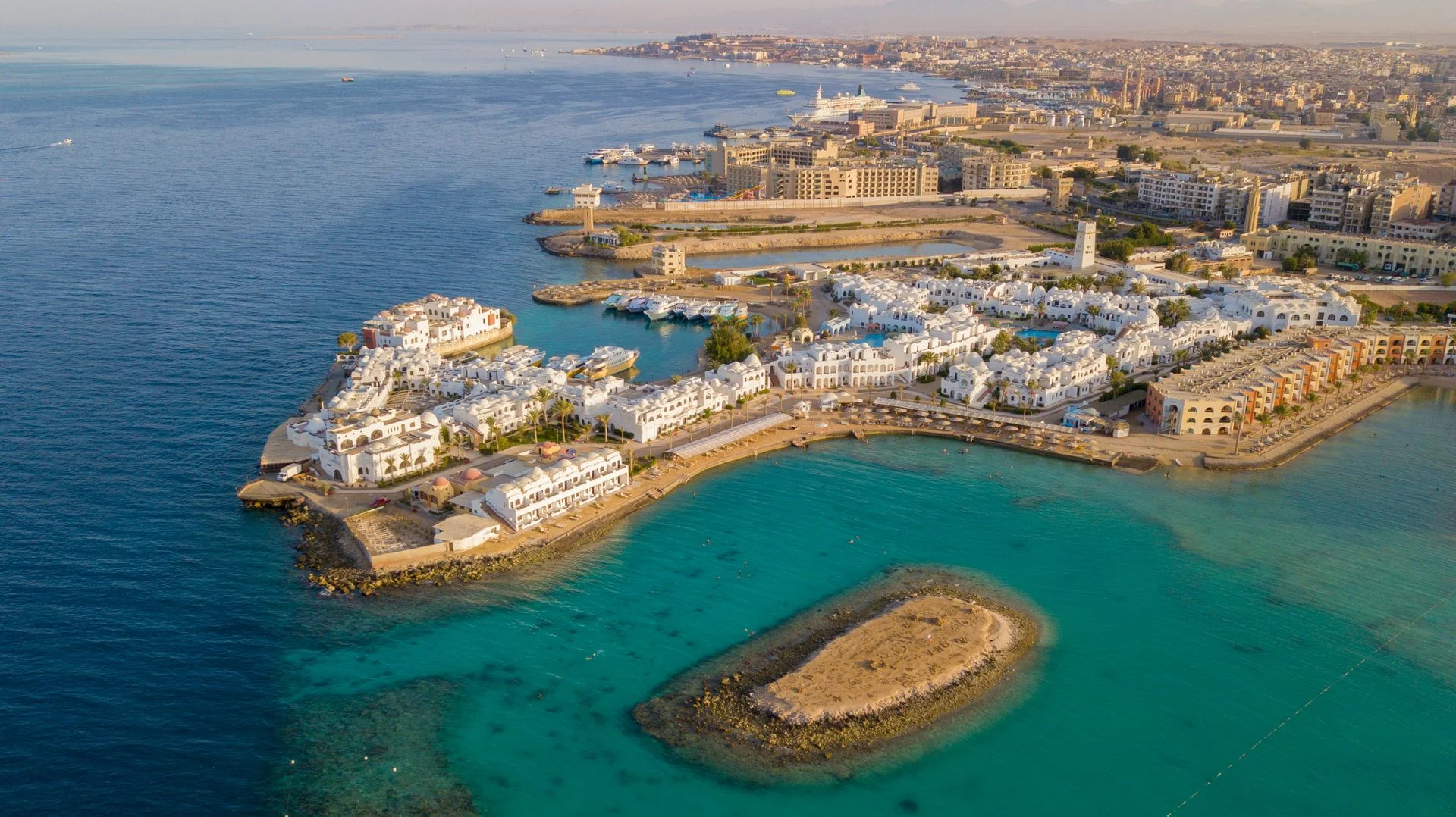
Hurghada (Red Sea)
Hurghada is one of Egypt’s original Red Sea resorts and remains a popular base for day‑boat diving and liveaboard departures. Situated on the mainland’s eastern shore, the city offers easy access to a wide variety of reefs, wrecks and islands within a short boat ride. Warm, clear waters, gentle conditions and lively coral gardens make Hurghada ideal for training and fun diving, while nearby sites such as Abu Nuhas and the Thistlegorm wreck keep more experienced divers enthralled. Topside, the modern resort town boasts a lively promenade, international restaurants and plenty of après‑dive entertainment.
Okinawa
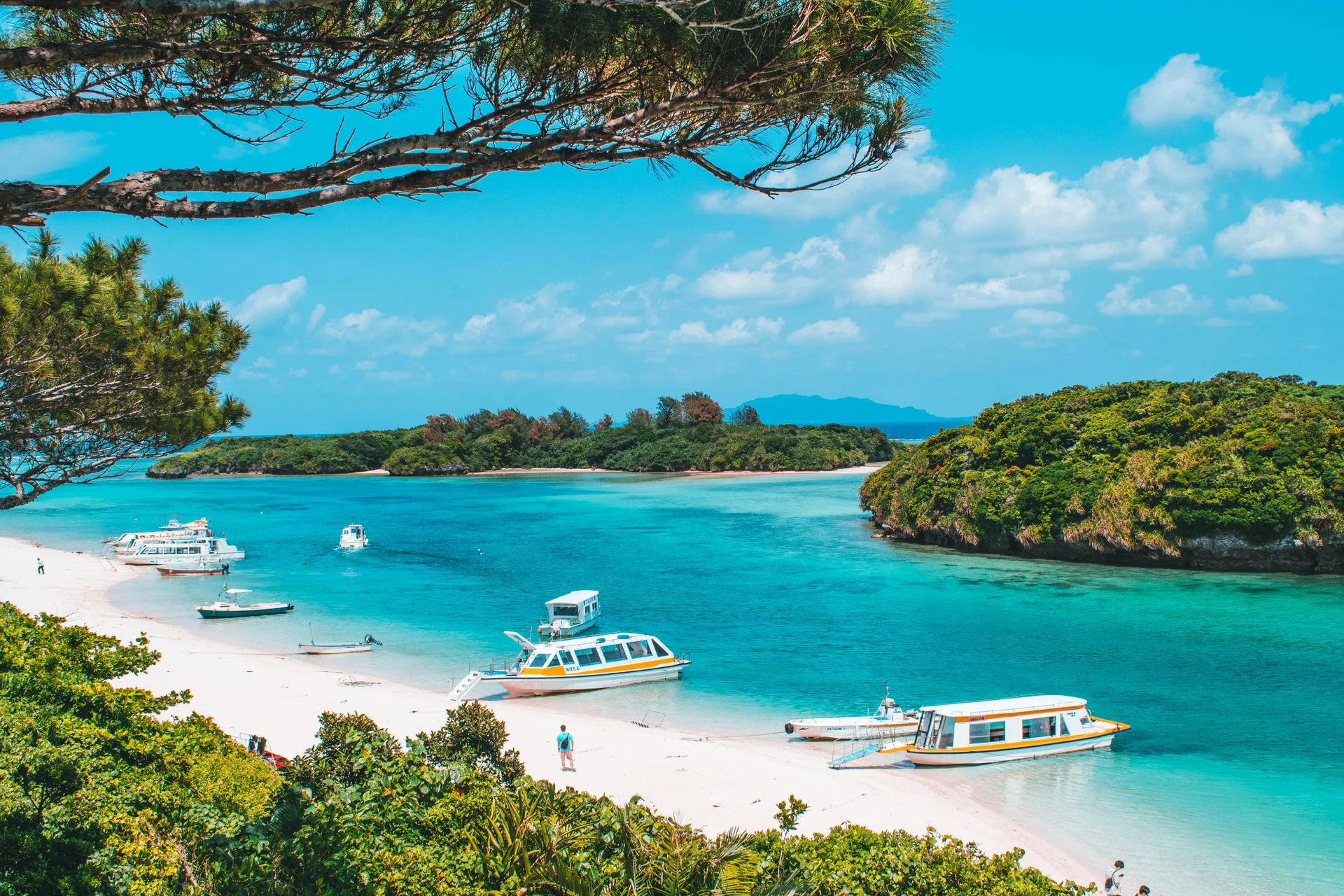
Straddling the subtropical Ryūkyū chain in Japan’s far south, Okinawa Prefecture is a mosaic of islands offering everything from shallow coral gardens to deep wrecks and wild drift dives. The main island provides easy access to the vibrant reefs of the Kerama National Park, where Tokashiki and Zamami Islands boast pristine hard corals, sea fans and more turtles than you can count. Just offshore, Cape Manza’s Dream Hole drops through a chimney into a colourful cavern system teeming with soldierfish, angelfish and feather stars. Further north, history buffs can dive the 100‑metre USS Emmons, a WWII destroyer resting intact at 35–40 m. Closer to shore, Cape Maeda’s Blue Cave offers an easy swim‑through with magical blue light – but expect crowds. Away from the main island, Okinawa’s outer islands extend the experience: Ishigaki’s Manta Scramble (April–Nov) promises manta ray ballets, Yonaguni’s currents bring hammerhead sharks in winter, and Miyako’s caves and tunnels deliver topography diving at its finest. Whether you crave reef fish, big pelagics, swim‑throughs or macro critters, Okinawa’s warm, clear waters offer a Japanese diving adventure for every level of diver.
Hawaii
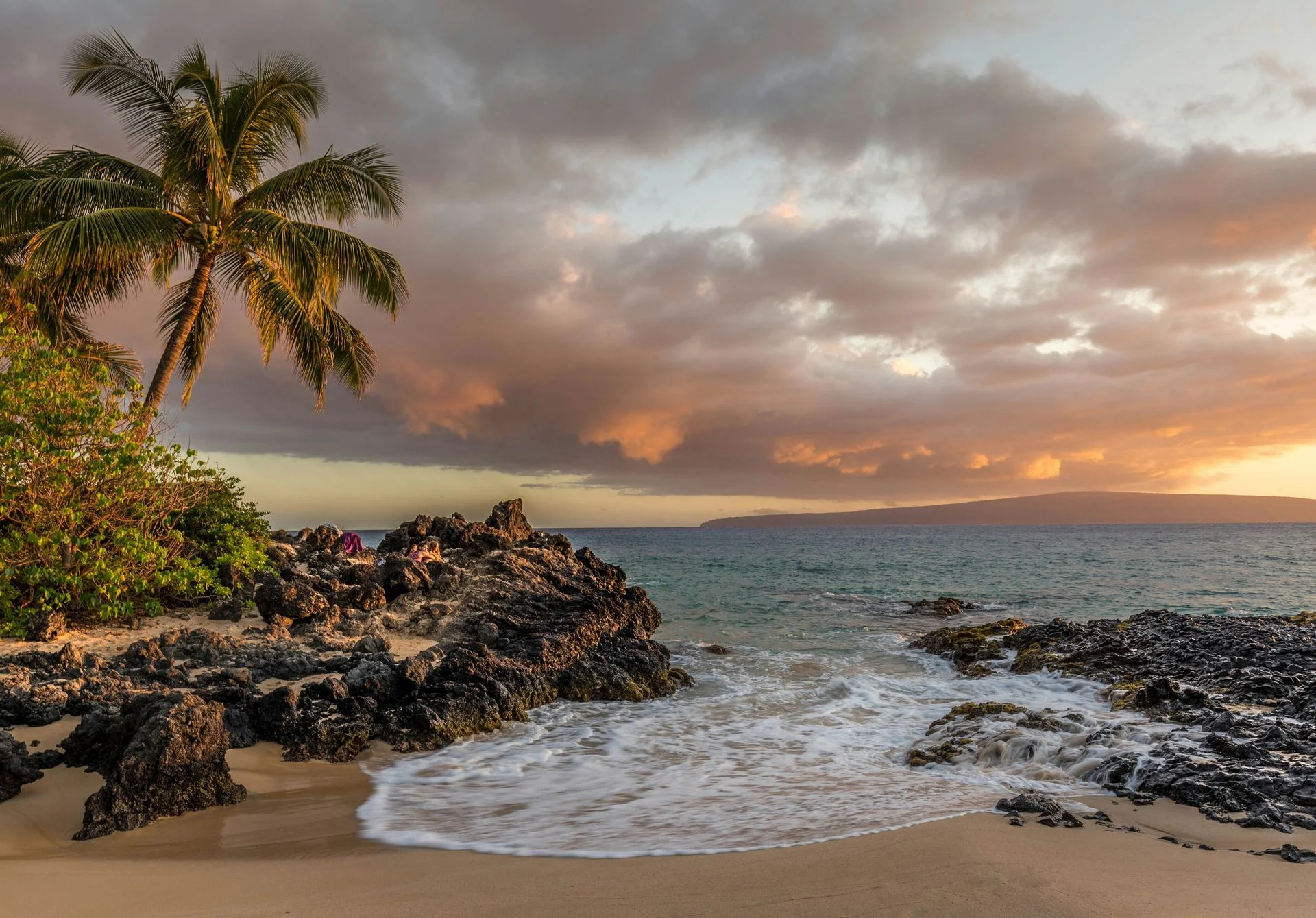
The Hawaiian Islands sit in the central Pacific and offer some of the United States’ most diverse diving. Each island has its own character: Oʻahu features WWII wrecks like the YO‑257 and Sea Tiger; Maui boasts the crescent‑shaped Molokini Crater and drift dives along Lānaʻi’s cathedral‑like caverns; the Big Island’s Kona coast is famed for lava tubes, black water pelagic dives and the world‑renowned manta‑ray night dive; Kauaʻi and Niʻihau offer lava arches, monk seals and dramatic drop‑offs. Water is warm year‑round and visibility regularly exceeds 25 m, making Hawaii ideal for both beginners and experienced divers. You’ll see green sea turtles, reef sharks, manta rays, dolphins and humpback whales in season, along with endemic fish found nowhere else on earth.
Bunaken
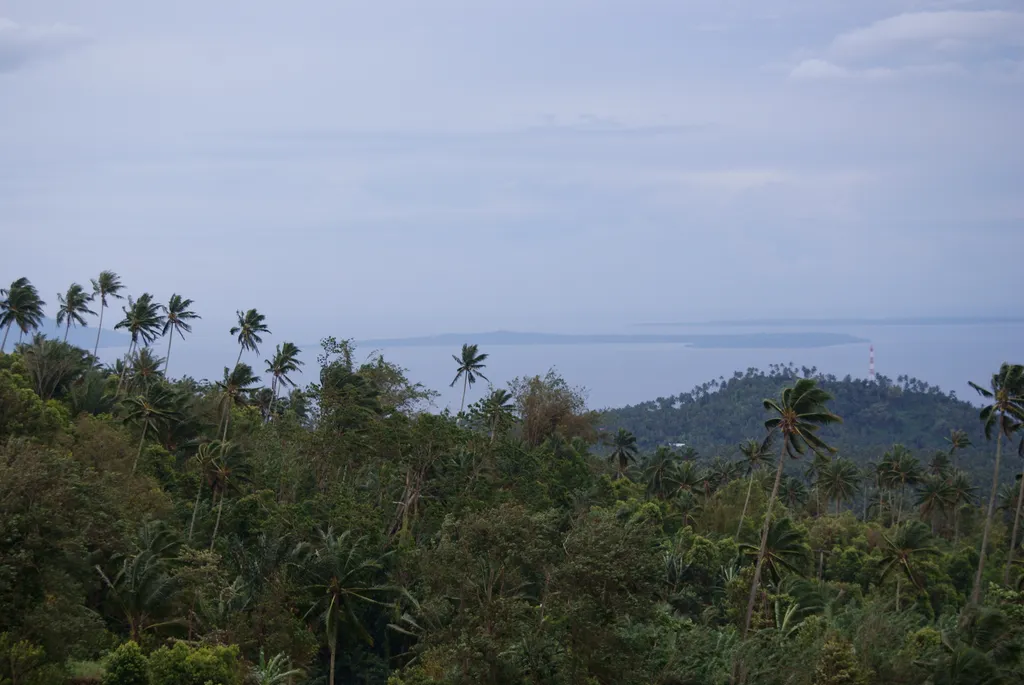
Bunaken National Park is wall-diving country: five volcanic islands—Bunaken, Manado Tua, Siladen, Mantehage, and Nain—ringed by drop-offs that fall from snorkel depth into hundreds of metres of blue. This is not the muck slopes of the Manado mainland; it is vertical reef, drift lines, and current-fed fish schools. The signature move is simple—roll off the boat at Lekuan or Muka Kampung, swim the shallow turtle flats, then hang on the wall while pyramid butterflyfish, fusiliers, and Napoleon wrasse stream past. Reef sharks patrol the corners, eagle rays cruise the blue, and barrel sponges the size of oil drums frame every wide-angle shot. Warm 27–29°C water, park protection since 1991, and island resorts that put you on the first boat at 08:00 make Bunaken the classic North Sulawesi wall trip—fly into MDC, transfer to the strait, and live on the reef for a week.
Wakatobi
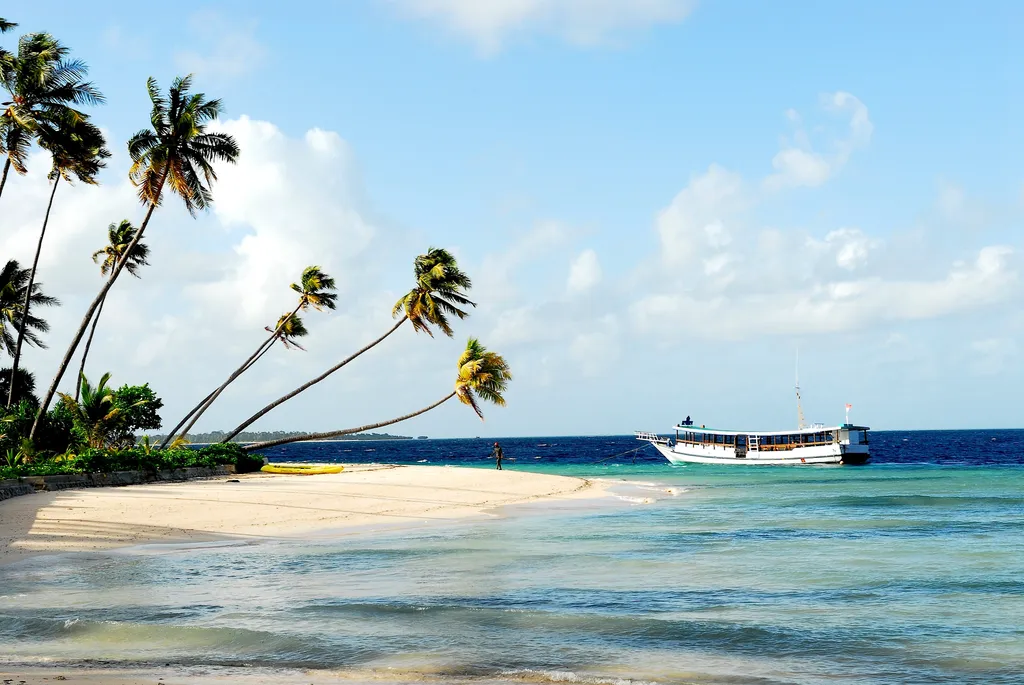
Wakatobi National Park sits on the southeastern rim of Sulawesi, named from its four main islands—Wangi-Wangi, Kaledupa, Tomia, and Binongko. It holds some of the healthiest coral coverage in the Coral Triangle, with walls, seamounts, and fringing reefs that marine biologists still treat as a reference system. Visibility regularly hits 30 m and can stretch past 50 m on calm outer-reef days. Currents are usually mild and predictable, so you get long bottom times on colorful hard-coral gardens instead of fighting blue water. The signature experience is Wakatobi’s House Reef—walk-in shore diving a short swim from the jetty—backed by more than 40 day-boat sites, from beginner pinnacles like Roma to the knife-edge walls of Blade.
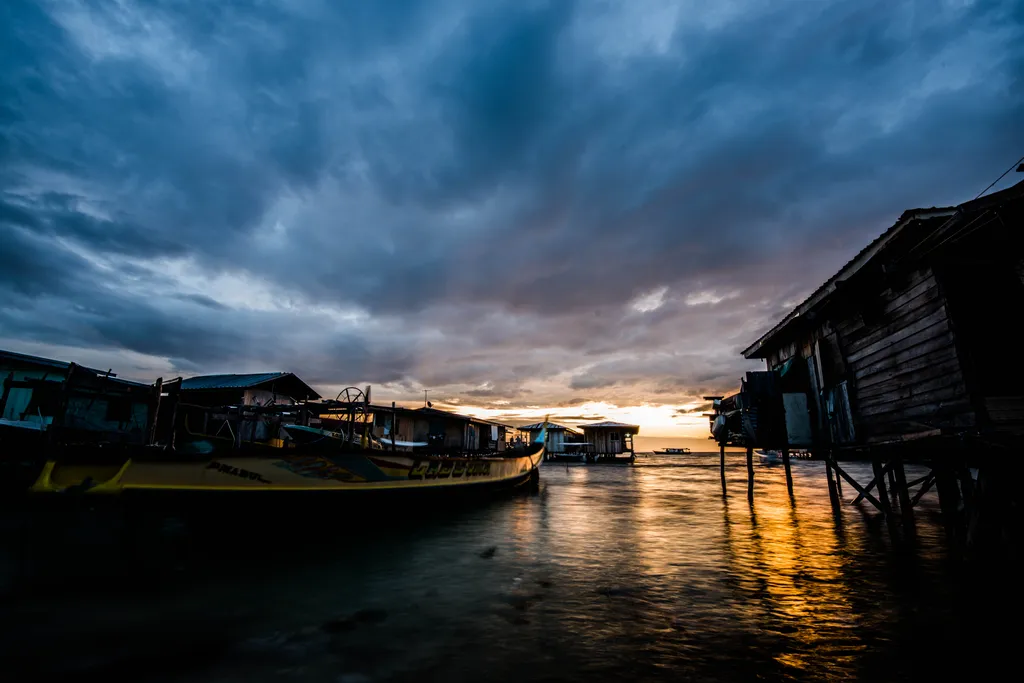
Mabul
Mabul is where you come to slow down and stare at sand. The island sits in the Semporna archipelago off eastern Sabah — a flat, palm-fringed speck ringed by shallow rubble slopes, artificial reef structures, and the occasional tyre stack that macro photographers lose their minds over. Visibility rarely tops 15 m and nobody cares: frogfish the size of your thumb, flamboyant cuttlefish pulsing purple and yellow, blue-ring octopus tucked in rubble, ornate ghost pipefish, ribbon eels, pygmy seahorses in sea fans, and nudibranchs on every spare surface. This is muck diving with resort convenience — walk from your bungalow to the boat, three dives before lunch, rinse and repeat. The signature sites circle the island and nearby Seaventures rig: Froggy Lair and Crocodile Avenue for classic critter hunts, Lobster Wall and Eel Garden when you want a bit of structure, Paradise 1 & 2 for mixed reef-and-rubble variety. Night dives here are excellent — mandarinfish mating dances at dusk, bobtail squid and Spanish dancer nudibranchs after dark. Most resorts run house-reef dives and unlimited shore access between boat trips. Sipadan's barracuda tornadoes and sheer walls are 45 minutes away by speedboat, and many packages include a day or two on permit — but that's the side dish. Base yourself on Mabul for a week of macro and you won't feel cheated if the permit lottery doesn't go your way. Bring a macro lens, a patient dive guide, and low expectations for viz; bring high expectations for critters.
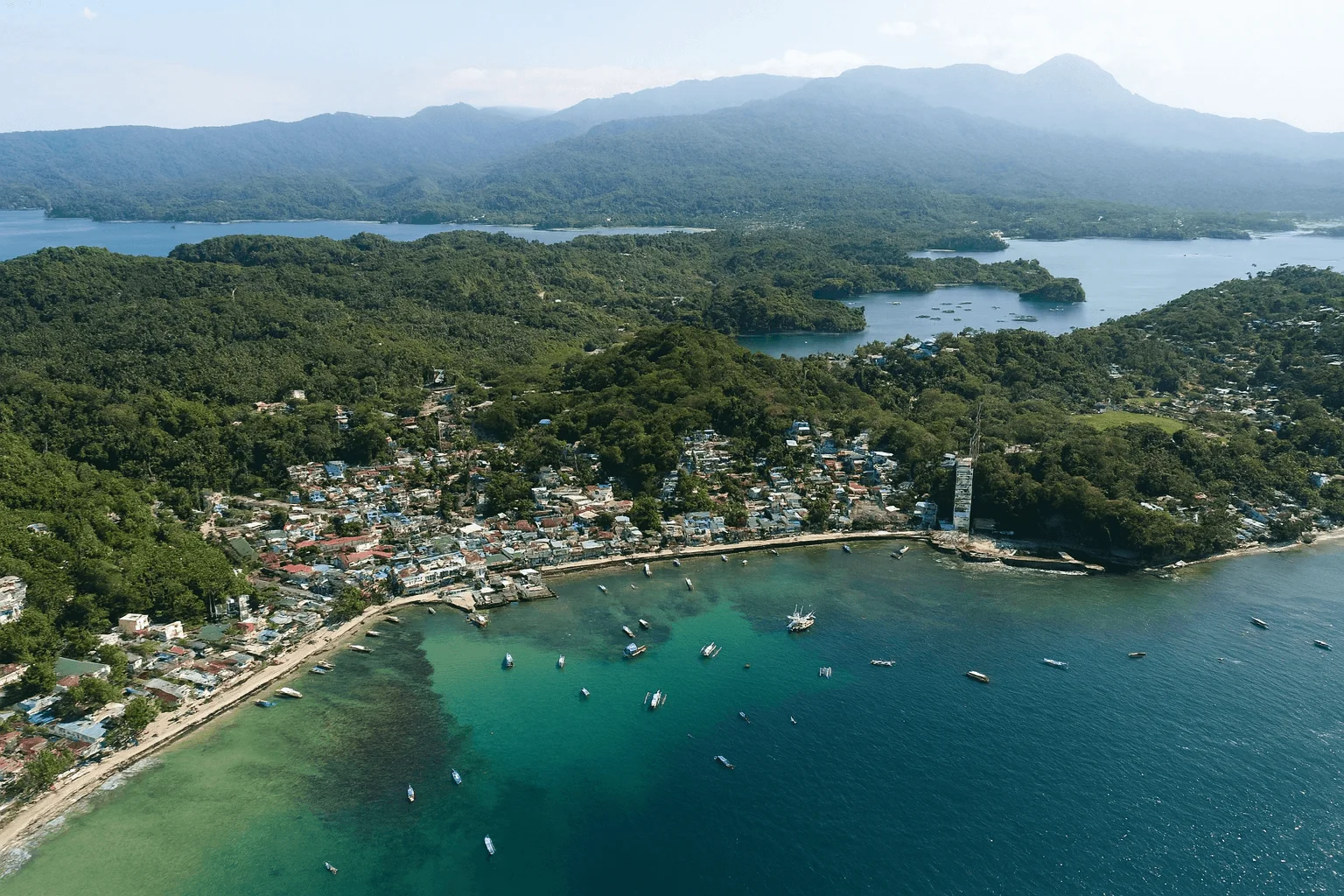
Puerto Galera
Puerto Galera sits on the northeast tip of Mindoro Island in the Philippines and has long been rated among Asia’s best and most diverse diving areas. The town faces the Verde Island Passage – part of the Coral Triangle – so its reefs host an incredible mix of hard and soft corals, seahorses, frogfish and other critters alongside schooling jacks and occasional pelagics. More than forty sites line the bays and headlands around Sabang and Small La Laguna, meaning everything from easy house‑reef dives and shallow muck sites to current‑swept canyons and colourful wrecks is only a short boat ride away. Currents are governed by the lunar cycle; strong spring tides around full and new moon create exciting drift dives, while neap tides offer gentle conditions that are perfect for macro photography. Because the water stays warm all year (27–30 °C) and visibility often reaches 15–30 m, Puerto Galera attracts both beginners and experienced divers seeking a fun, affordable destination with lively nightlife on land.
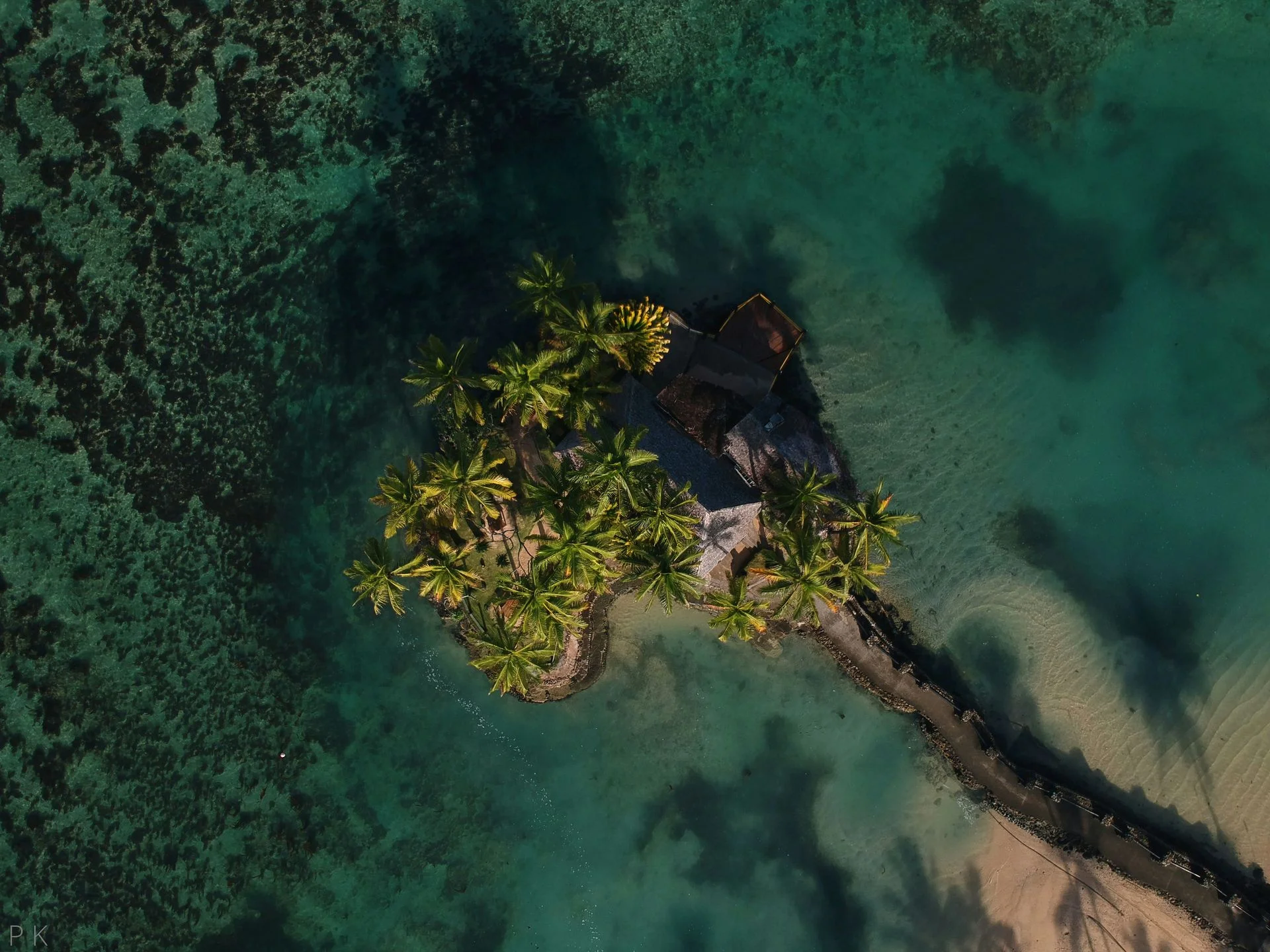
Fiji
Fiji sits like a necklace of more than 300 inhabited islands and 500 smaller islets in the heart of the South Pacific. Jacques Cousteau dubbed it the “soft coral capital of the world” for good reason – nutrient‑rich currents wash over sloping reefs, walls and bommies that erupt in shades of pink, purple, orange and yellow. The country’s dive sites range from kaleidoscopic coral gardens and pinnacles in the Somosomo Strait to shark dives in Beqa Lagoon, and remote passages in Bligh Water and the Koro Sea. Schools of barracuda, trevally and surgeonfish cruise above while manta rays, turtles, bull sharks and occasionally hammerheads glide past. Friendly locals and a relaxed island vibe make Fiji a favourite for both adventurous liveaboard trips and leisurely resort‑based diving.
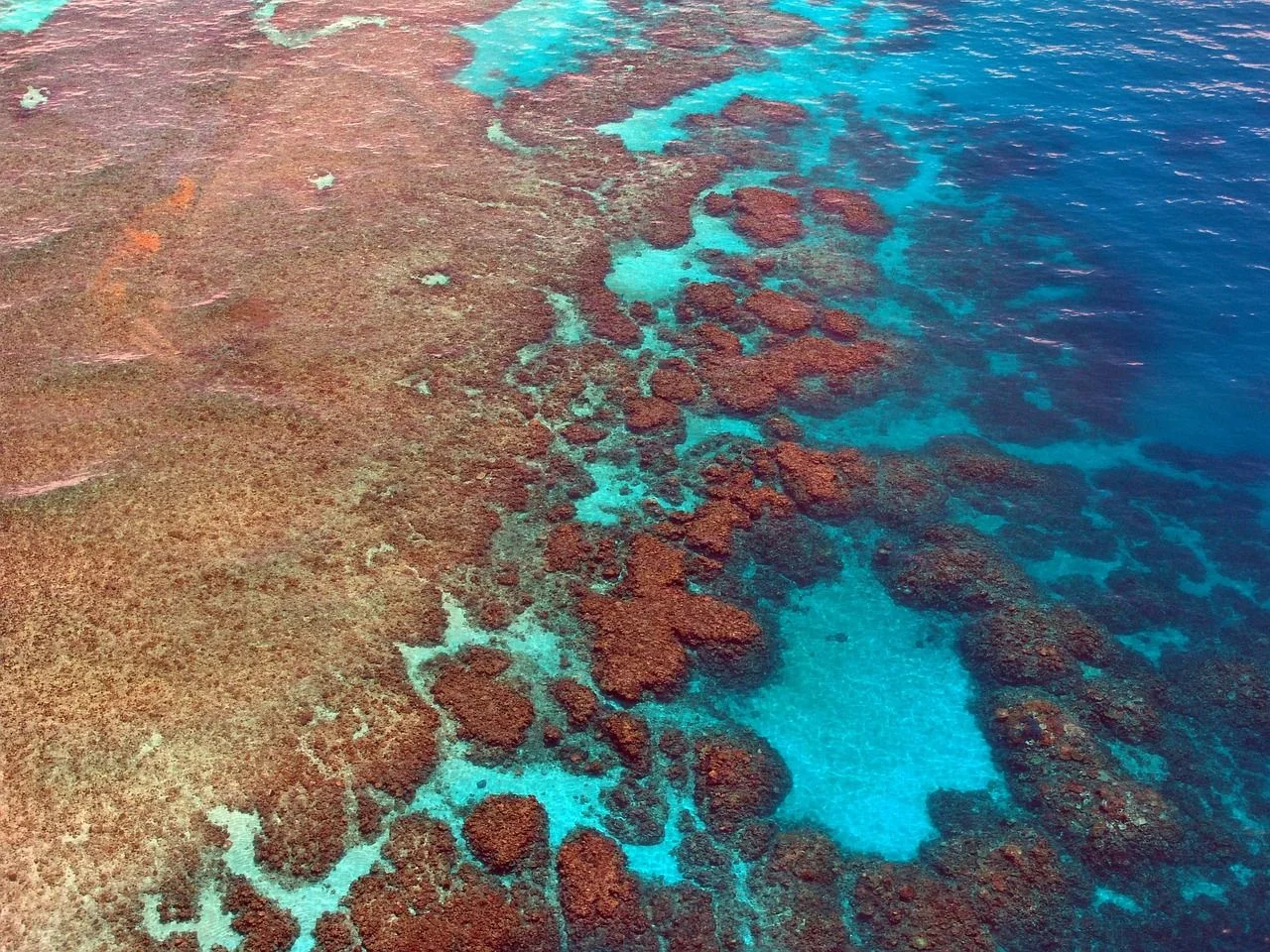
Great Barrier Reef
The Great Barrier Reef stretches for more than 2,300 km along Australia’s Queensland coast and is Earth’s largest coral ecosystem. With over 2,900 individual reefs, hundreds of islands, and a staggering diversity of marine life, it’s a bucket‑list destination for divers. Outer reef walls, coral gardens and pinnacles support potato cod, giant trevallies, reef sharks, sea turtles, manta rays and even visiting dwarf minke and humpback whales. Divers can explore historic wrecks like the SS Yongala, drift along the coral‑clad walls of Osprey Reef or mingle with friendly cod at Cod Hole. Whether you’re a beginner on a day trip from Cairns or an experienced diver on a remote liveaboard, the Great Barrier Reef offers unforgettable underwater adventures.
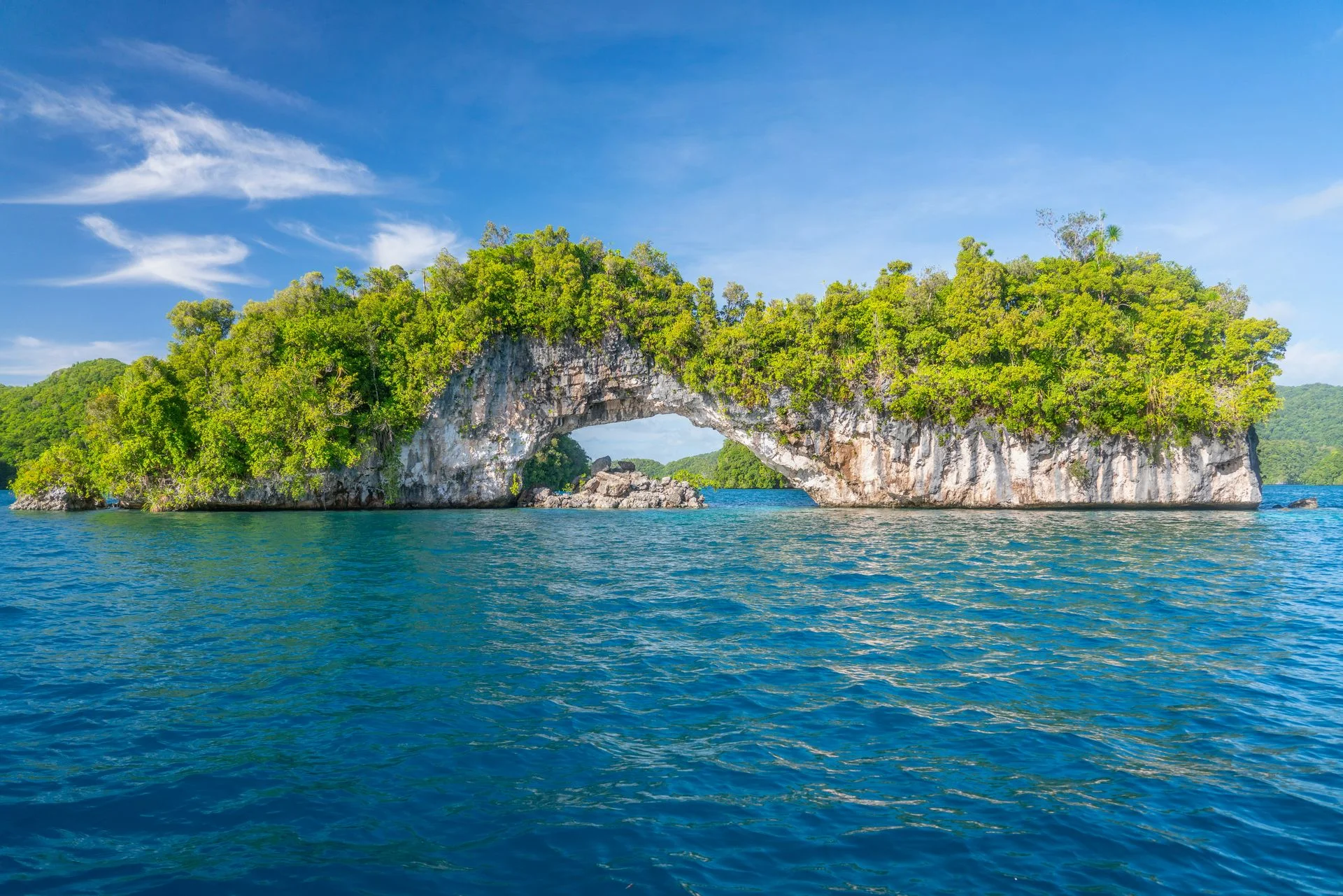
Palau
Rising out of the western Pacific at the meeting point of two great oceans, Palau is an archipelago of more than 500 jungle‑cloaked islands and limestone rock pinnacles. Its barrier reef and scattered outcrops create caverns, walls, tunnels and channels where nutrient‑rich currents sweep in from the Philippine Sea. These flows feed carpets of hard and soft corals and attract vast schools of jacks, barracudas and snappers, as well as an impressive cast of pelagics. Grey reef and whitetip sharks parade along the legendary Blue Corner; manta rays glide back and forth through German Channel’s cleaning stations; and Ulong Channel offers a thrill‑ride drift over giant clams and lettuce corals. Between dives you can snorkel among non‑stinging jellyfish in Jellyfish Lake or explore WWII ship and plane wrecks covered in colourful sponges.