
Solar-Powered Nudibranch
Phyllodesmium longicirrum
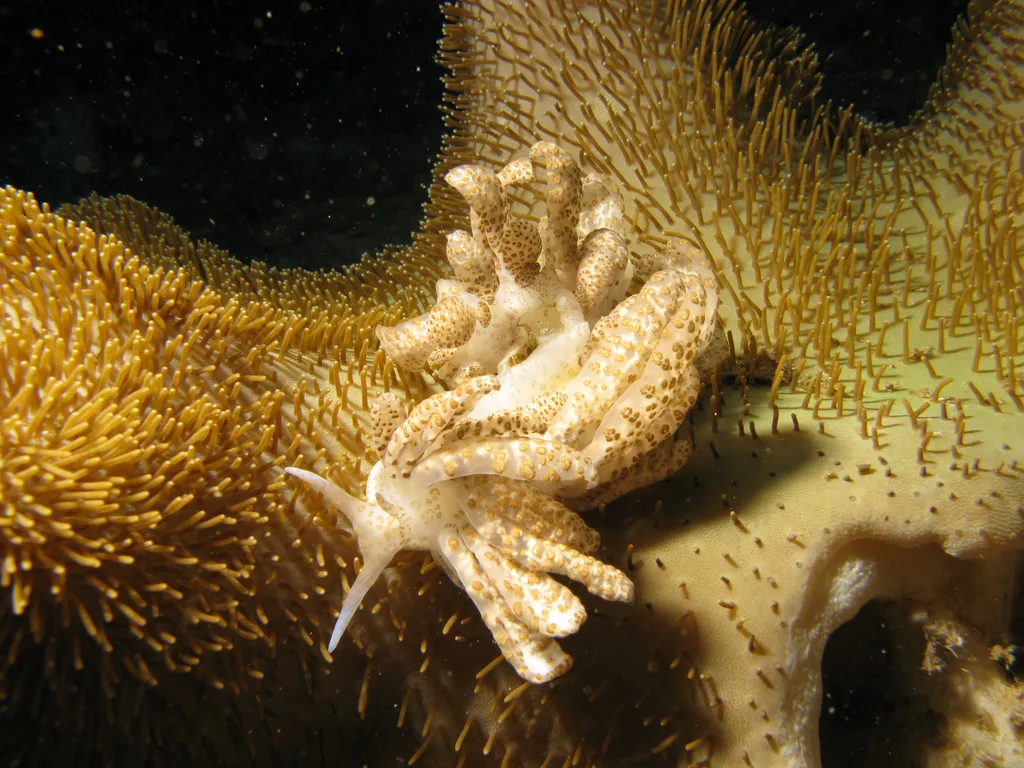
Photo by Silke Baron / CC BY 2.0 via Wikimedia Commons
Phyllodesmium longicirrum—the solar-powered nudibranch—is the aeolid that made "farming algae inside your cerata" famous to recreational divers. This is no fingernail macro: adults routinely hit 8–12 cm, with some records past 140 mm, so once your eye locks the paddle cerata you can track it from a short swim-away. Distribution spans tropical Indo-West Pacific records from Indonesia and Australia through the Philippines, Papua New Guinea, and southern Japan. Ecology is razor-specific: it grazes the soft coral Sarcophyton trocheliophorum, harvests symbiotic zooxanthellae, and flattens its cerata into oversized solar paddles so the algae can photosynthesize. Like other Phyllodesmium, it ditched classic aeolid cnidosacs and instead stores soft-coral diterpenes as chemical armour. Trip filters that work: Coral Triangle muck-and-reef blends where Sarcophyton gardens are dense—Lembeh, Ambon, Anilao, Dumaguete—plus GBR flats and southern Japan temperate-tropical edges.
🔬Classification
📏Physical Features
🌊Habitat Info
⚠️Safety & Conservation
Identification Guide
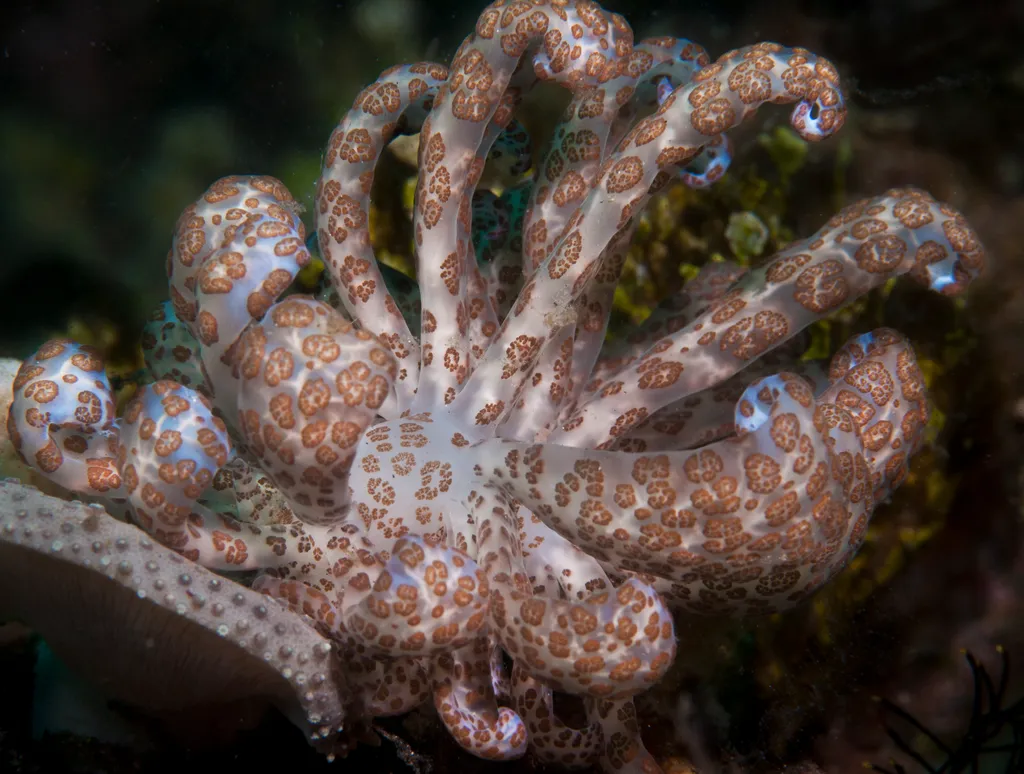
Photo by Jason Marks / CC BY-SA 3.0 via Wikimedia Commons
Silhouette & size
- Large aeolid; body often 8–14 cm—far bigger than typical reef chromodorids
- Cerata look like flattened paddles / solar panels, not thin tubes
Color lock
- Body translucent cream, pinkish, or pale orange
- Cerata surface mottled with brown / olive zooxanthellae patches—the photosynthetic "gardens"
Head cues
- Long slender rhinophores; oral tentacles present
- No tufted mid-dorsal gill plume (aeolid, not dorid)
Look-alike trap
- Other Phyllodesmium species also host zooxanthellae, but P. longicirrum pushes the largest, flattest paddle cerata
- Soft-coral camouflage is strong—confirm by spotting the animal's rhinophores and foot margin against the Sarcophyton surface
Habitat cue
- Almost always on or beside Sarcophyton colonies; an animal parked mid-coral with paddles fanned is classic confirmation
Top 10 Fun Facts about Solar-Powered Nudibranch
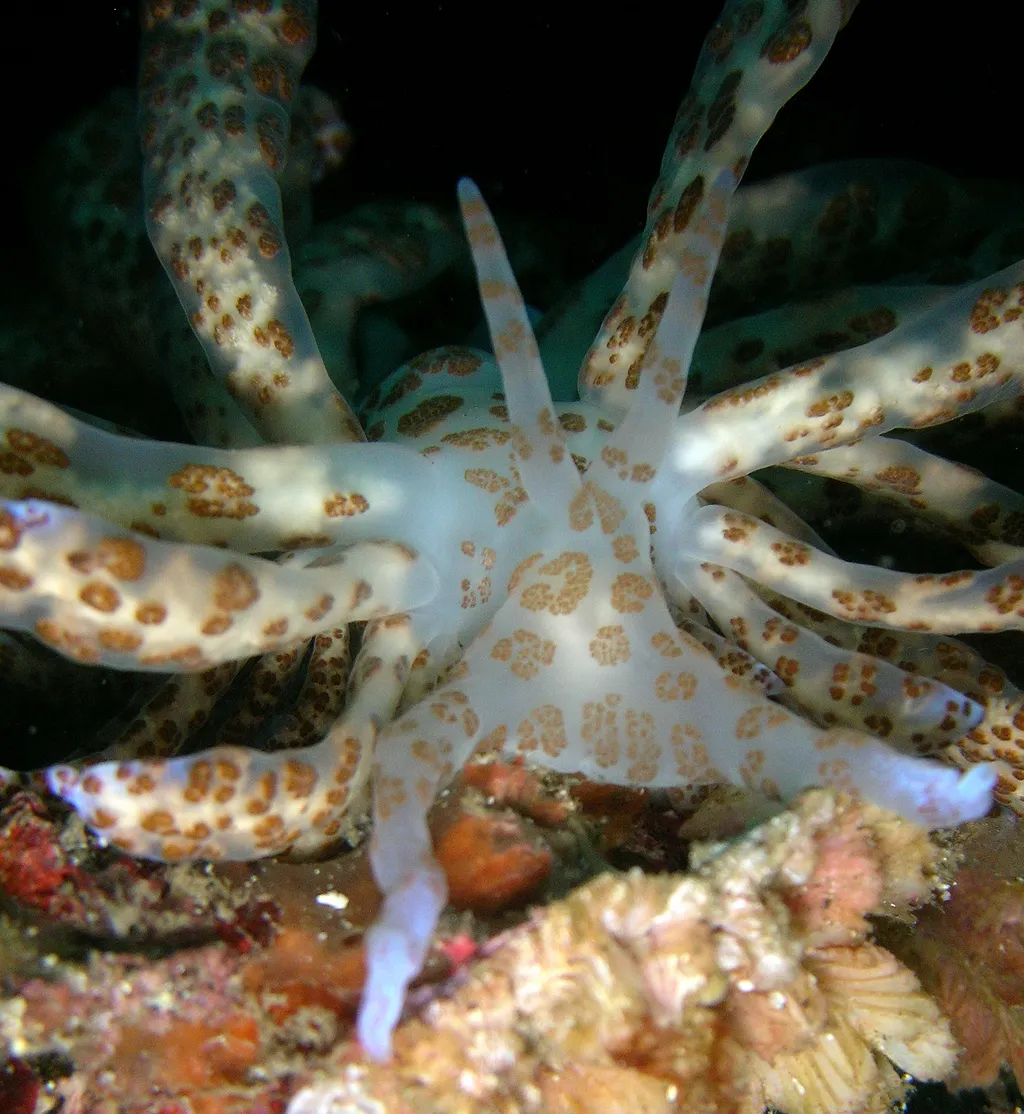
Photo by Steve Childs / CC BY 2.0 via Wikimedia Commons
1. Solar Power Taken Literally
Symbiotic zooxanthellae live in specialized digestive-gland branches under the ceras surface. The animal literally farms sunlight after stealing the algae from Sarcophyton—hence the common name.
2. Cerata Evolved Into Paddles
Most aeolid cerata are skinny defensive spikes. Here they flattened into broad solar paddles packed with radiating white digestive ducts feeding brown algal gardens—visible through the translucent skin in good light.
3. Size Breaks the Macro Stereotype
At 14 cm, this species sits between classic macro and close-focus wide. A mid-range macro or careful CFWA framing often beats a cramped 105 mm when the animal is fully extended on soft coral.
4. Dinner Is Soft Coral, Not Hydroids
Documented prey is Sarcophyton trocheliophorum (Alcyoniidae). Hunt Sarcophyton gardens first; empty sand slopes without soft coral rarely produce this slug.
5. Chemical Armor Instead of Stolen Stingers
Phyllodesmium lacks cnidosacs. Coll and colleagues showed P. longicirrum stores the soft-coral diterpene trocheliophorol in its cerata—distasteful chemistry as predator insurance.
6. "Solar-Powered" Is a Genre, Not a Monopoly
Several Phyllodesmium species photosynthesize; this one simply takes the strategy furthest in size and paddle surface area. Field guides that slap the nickname on every green-flecked aeolid are overselling.
7. Type Story Tracks the Siboga Expedition
Originally described by Bergh (1905) as Myrrhine longicirra from Indonesian Siboga stations (Saleyer / Great Kei region)—an Indo-Malay core that still anchors modern encounter maps.
8. Quiet Behavior Helps Photographers
Animals often sit motionless with paddles fanned toward ambient light. That stillness is gold for slow approach and careful buoyancy—panic fin kicks scare the animal off the coral dish.
9. Depth Band Favors Recreational Profiles
Most recreational sightings cluster shallow—often within 20 m—on reef flats and gentle slopes where Sarcophyton thrives in good light (photosynthesis for both coral and slug).
10. Secondary Metabolome Is Active Science
Recent natural-product work keeps listing new diterpenes and defensive chemistry from this species—your dive photos sit next to an animal that biochemists still treat as a research workhorse.
Diving & Observation Notes
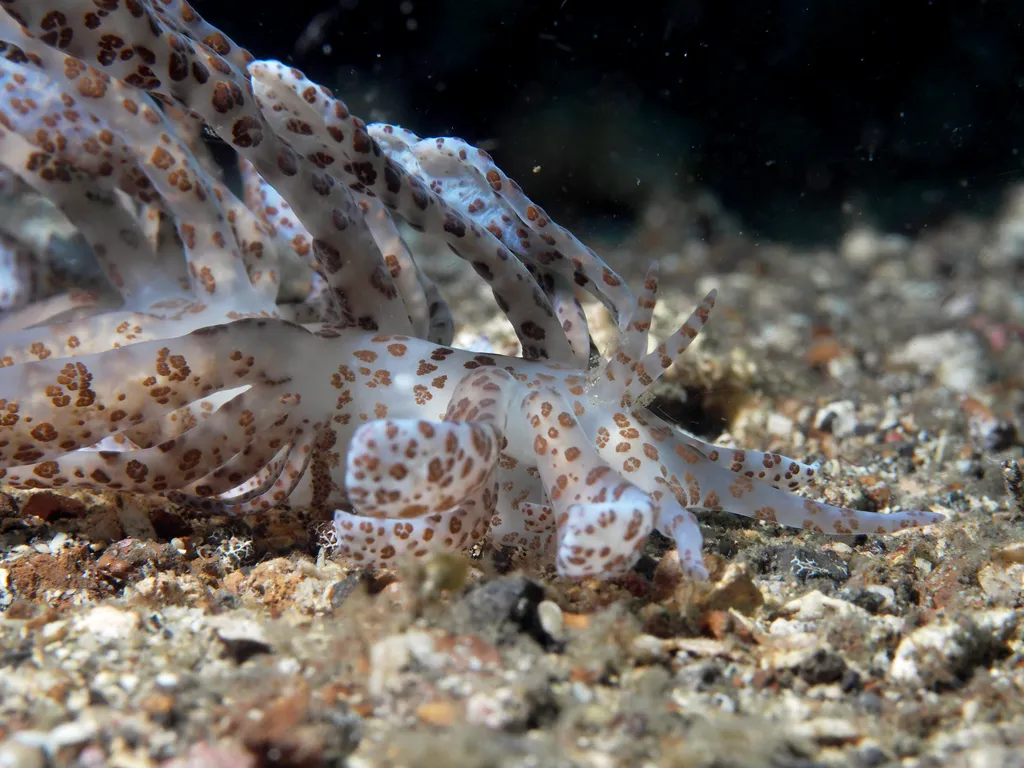
Photo by Rickard Zerpe / CC BY-SA 2.0 via Wikimedia Commons
🧭 Finding strategy
Brief your guide on Sarcophyton soft-coral gardens, not generic "nudibranch." Scan colony margins and dish tops for translucent paddles against the coral orange-brown. Once found, watch for rhinophore tips breaking the silhouette.
Buoyancy & approach
The animal is soft and often perched on fragile soft coral. Hover slightly off the colony, manage fin tips, and avoid silting the dish. Slow, horizontal approach beats top-down strobe pressure that startles it off the coral.
Lighting the paddles
Diffused dual strobes or continuous video light from a shallow angle reveal the brown zooxanthellae gardens inside each ceras. Straight-on blast washes the translucent tissue white and kills the species signature.
Lens choice
Prefer 60 mm / mid-range macro or careful CFWA when the animal is fully sprawled. 105 mm works for rhinophore detail once you confirm it will hold still—which it often does.
Site moods that produce hits
Coral Triangle mixed reefs and muck edges with healthy soft-coral patches (Lembeh, Ambon, Anilao, Dumaguete, Raja Ampat) plus GBR shallow flats. Southern Japan sites around Okinawa add cooler-season Indo-Pacific continuity.
Best Places to Dive with Solar-Powered Nudibranch
Lembeh
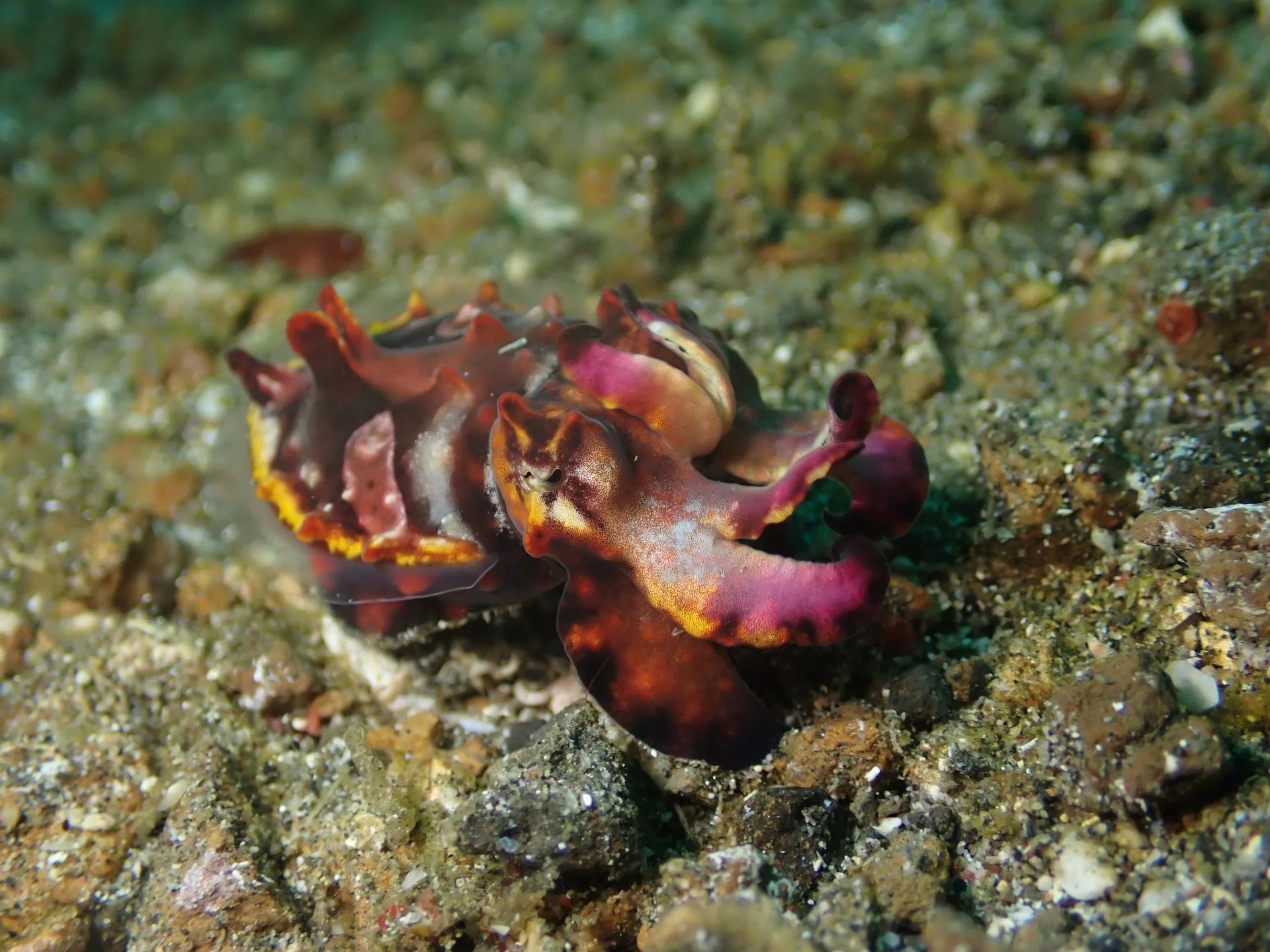
The Lembeh Strait in North Sulawesi has become famous as the muck‑diving capital of the world. At first glance its gently sloping seabed of black volcanic sand, rubble and discarded debris looks bleak. Look closer and it is teeming with weird and wonderful life: hairy and painted frogfish, flamboyant cuttlefish, mimic and blue‑ringed octopuses, ornate ghost pipefish, tiny seahorses, shrimp, crabs and a rainbow of nudibranchs. Most dives are shallow and calm with little current, making it an ideal playground for macro photographers. There are a few colourful reefs for a change of scenery, but Lembeh is all about searching the sand for critter treasures.
Great Barrier Reef
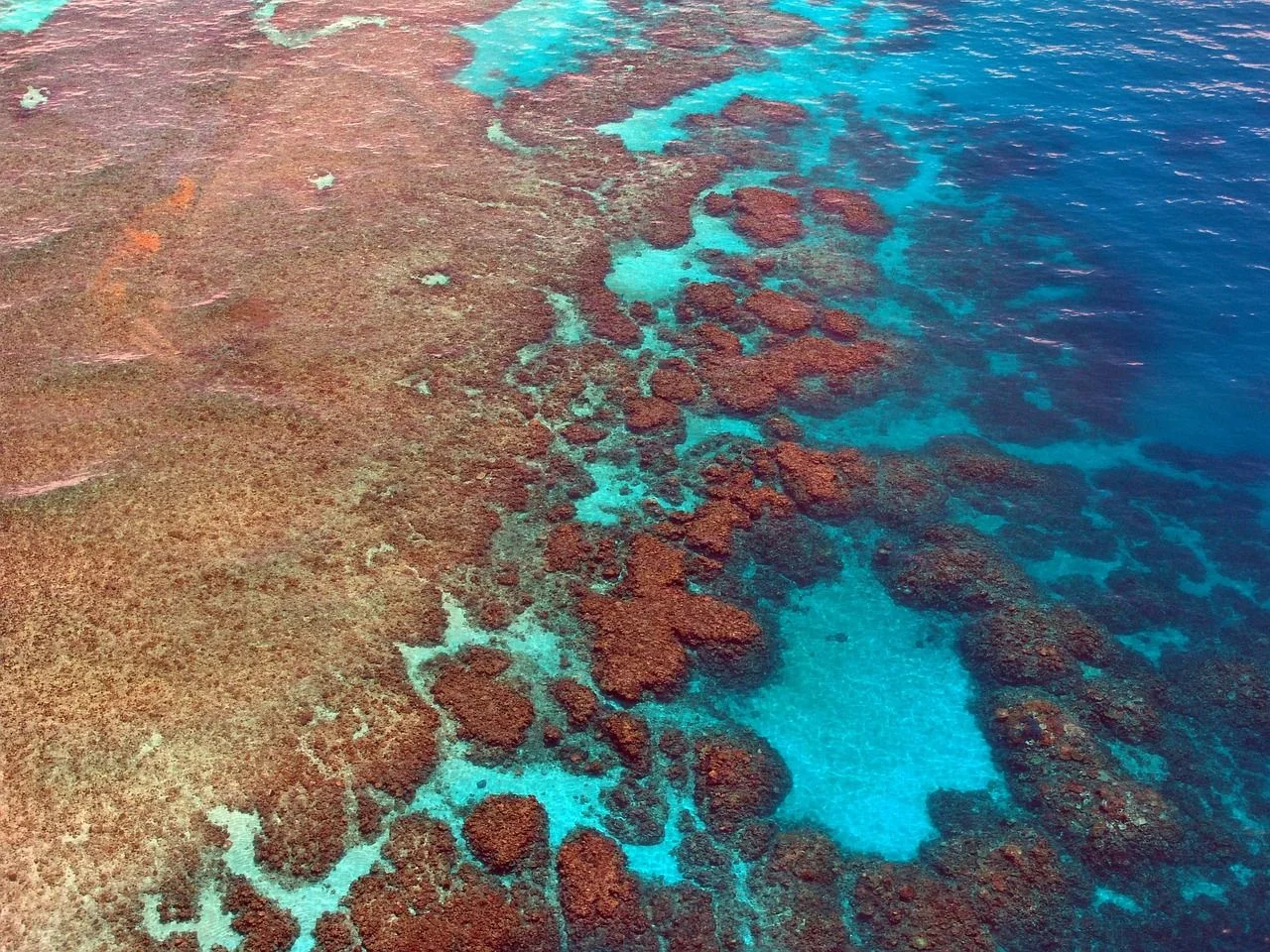
The Great Barrier Reef stretches for more than 2,300 km along Australia’s Queensland coast and is Earth’s largest coral ecosystem. With over 2,900 individual reefs, hundreds of islands, and a staggering diversity of marine life, it’s a bucket‑list destination for divers. Outer reef walls, coral gardens and pinnacles support potato cod, giant trevallies, reef sharks, sea turtles, manta rays and even visiting dwarf minke and humpback whales. Divers can explore historic wrecks like the SS Yongala, drift along the coral‑clad walls of Osprey Reef or mingle with friendly cod at Cod Hole. Whether you’re a beginner on a day trip from Cairns or an experienced diver on a remote liveaboard, the Great Barrier Reef offers unforgettable underwater adventures.
Ambon
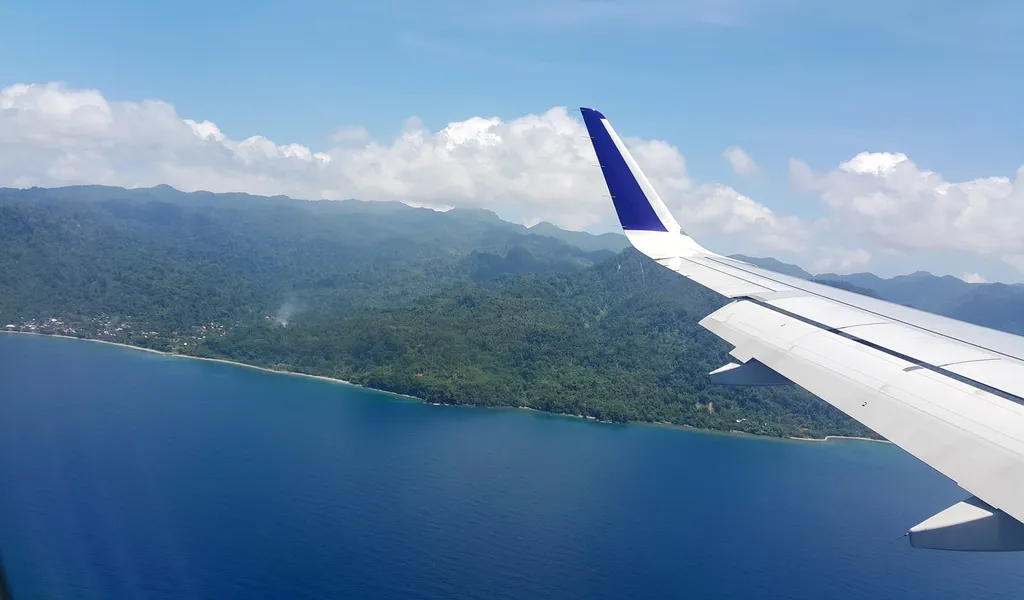
Ambon sits in Indonesia’s Maluku (Spice Islands) and is one of the world’s elite muck destinations—often ranked alongside Lembeh for rare critters, without the crowds. The heart of the action is Ambon Bay around Laha village near the airport: black volcanic sand slopes, rubble, pier posts and discarded debris that somehow host psychedelic frogfish (endemic to Ambon waters), rhinopias, flamboyant cuttlefish, mimic and wonderpus octopuses, ghost pipefish and endless nudibranchs. Most bay dives stay 5–35 m with long bottom times that photographers love. When weather allows, the south and east coasts flip the script—healthy hard coral, walls, arches at Pintu Kota, the swim-throughs of Hukurila Cave, and the critter-coated Duke of Sparta wreck. Expect modest lodging in Laha or resort packages further around the bay; July–August monsoon often closes operators.
Alor
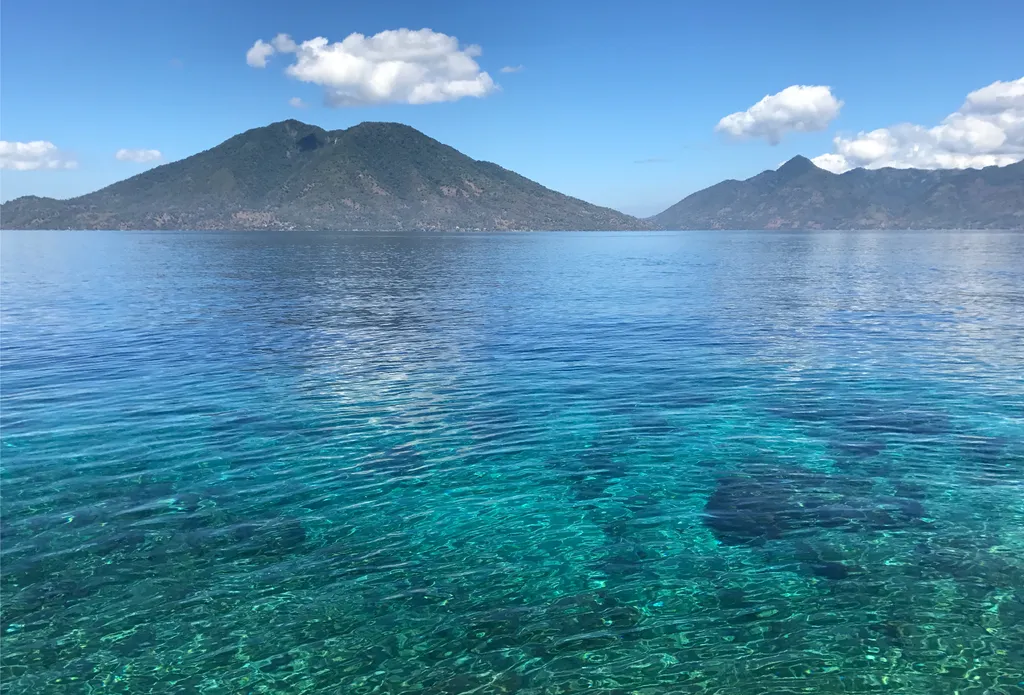
Alor rewards a trip that moves between two very different kinds of diving. In Pantar Strait, walls and coral slopes meet moving water, with schooling fish along exposed edges. Inside Kalabahi Bay, volcanic sand, rubble and silty bottoms turn the dive into a slow search for small animals. The diving area spans the shores of Alor, Pantar and Pura; where you stay affects which of these habitats fits comfortably into a boat day. Water movement explains much of the variation. Cold water enters the strait from the south, and local operators associate upwelling and stronger currents with new and full moons. A warm surface does not tell you what awaits below: a thermocline can change both the temperature and the demands of a dive. Site choice matters more than a single forecast for the archipelago. Build the itinerary around reefs, walls and macro life, with large animals as a possible encounter. There is no dependable shared season for hammerheads, mola or threshers on which to base a booking. A guide who can switch between exposed sites and sheltered searches is more useful than a fixed list of promised sightings.
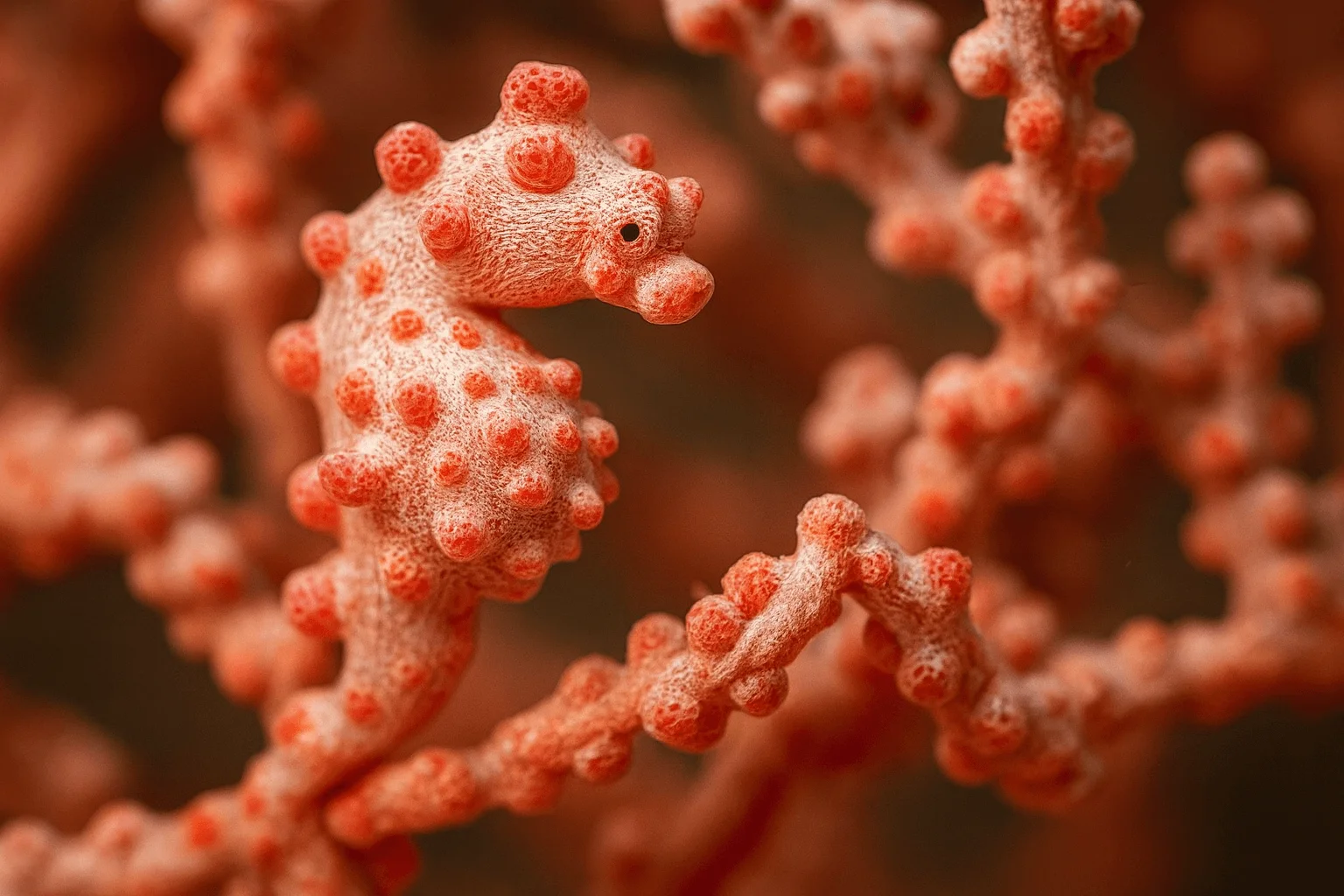
Anilao
Anilao, a small barangay in Batangas province just two hours south of Manila, is often called the macro capital of the Philippines. More than 50 dive sites fringe the coast and nearby islands, offering an intoxicating mix of coral‑covered pinnacles, muck slopes and blackwater encounters. Critter enthusiasts come for the legendary muck dives at Secret Bay and Anilao Pier, where mimic octopuses, blue‑ringed octopuses, wonderpus, seahorses, ghost pipefish, frogfish and dozens of nudibranch species lurk in the silt. Shallow reefs like Twin Rocks and Cathedral are covered in soft corals and teem with reef fish, while deeper sites such as Ligpo Island feature gorgonian‑covered walls and occasional drift. Because Anilao is so close to Manila and open year‑round, it’s the easiest place in the Philippines to squeeze in a quick diving getaway.
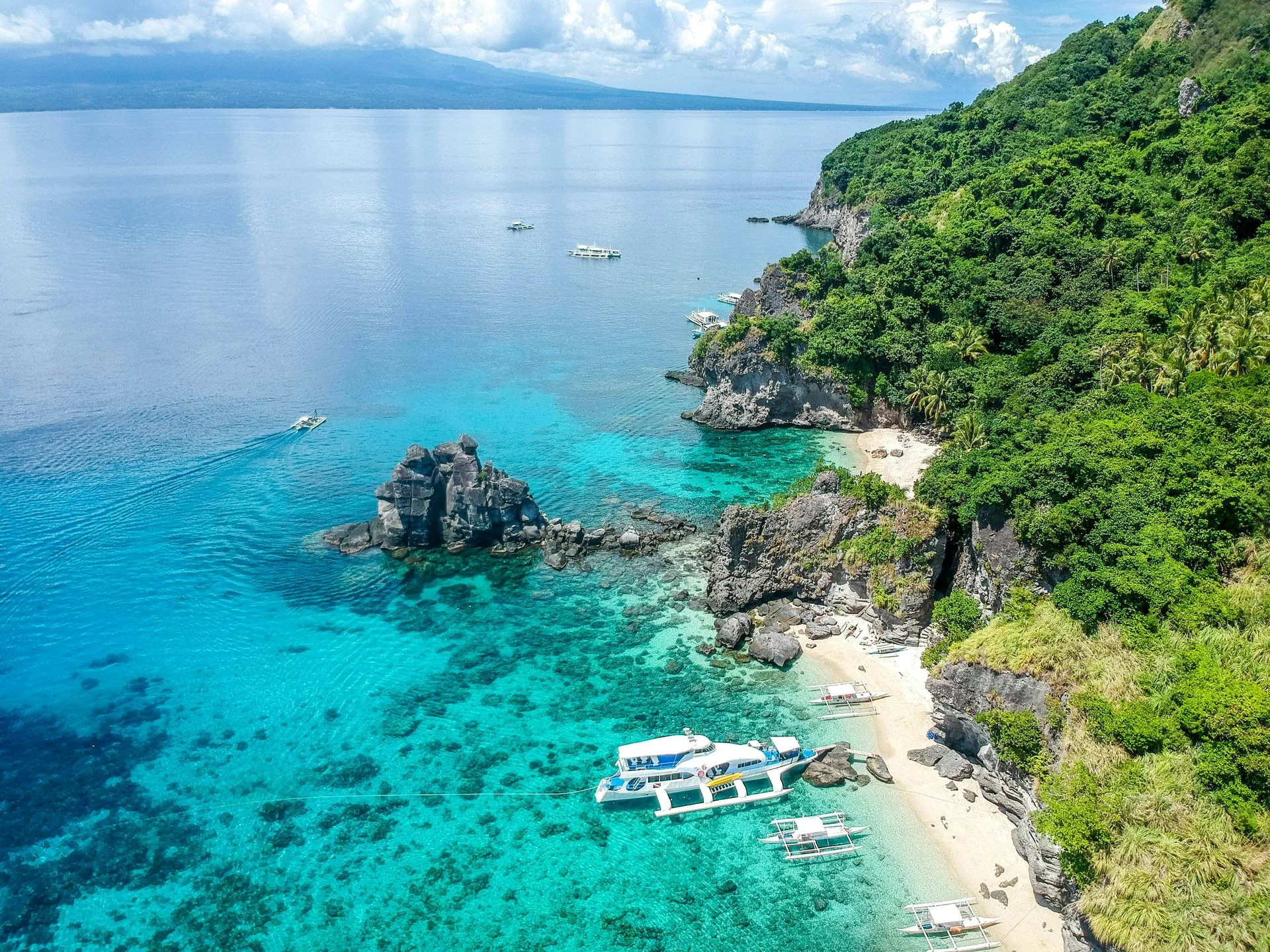
Dumaguete
Dumaguete on the southeast coast of Negros is the jumping‑off point for some of the Philippines’ most diverse diving. Along the nearby town of Dauin, a series of shallow marine sanctuaries and black‑sand slopes hide critters galore: frogfish, flamboyant cuttlefish, mimic octopus, ghost pipefish, seahorses, pipefish and nudibranchs. Artificial reefs made from car tyres and pyramids provide extra habitat. Offshore, Apo Island’s walls and plateaus burst with hard and soft corals, schooling jacks and barracudas, and friendly green turtles. With day trips to Oslob’s whale sharks or Bais’ dolphin‑watching, and excursions to nearby Siquijor, Dumaguete offers a perfect mix of macro muck diving and classic coral reefs.
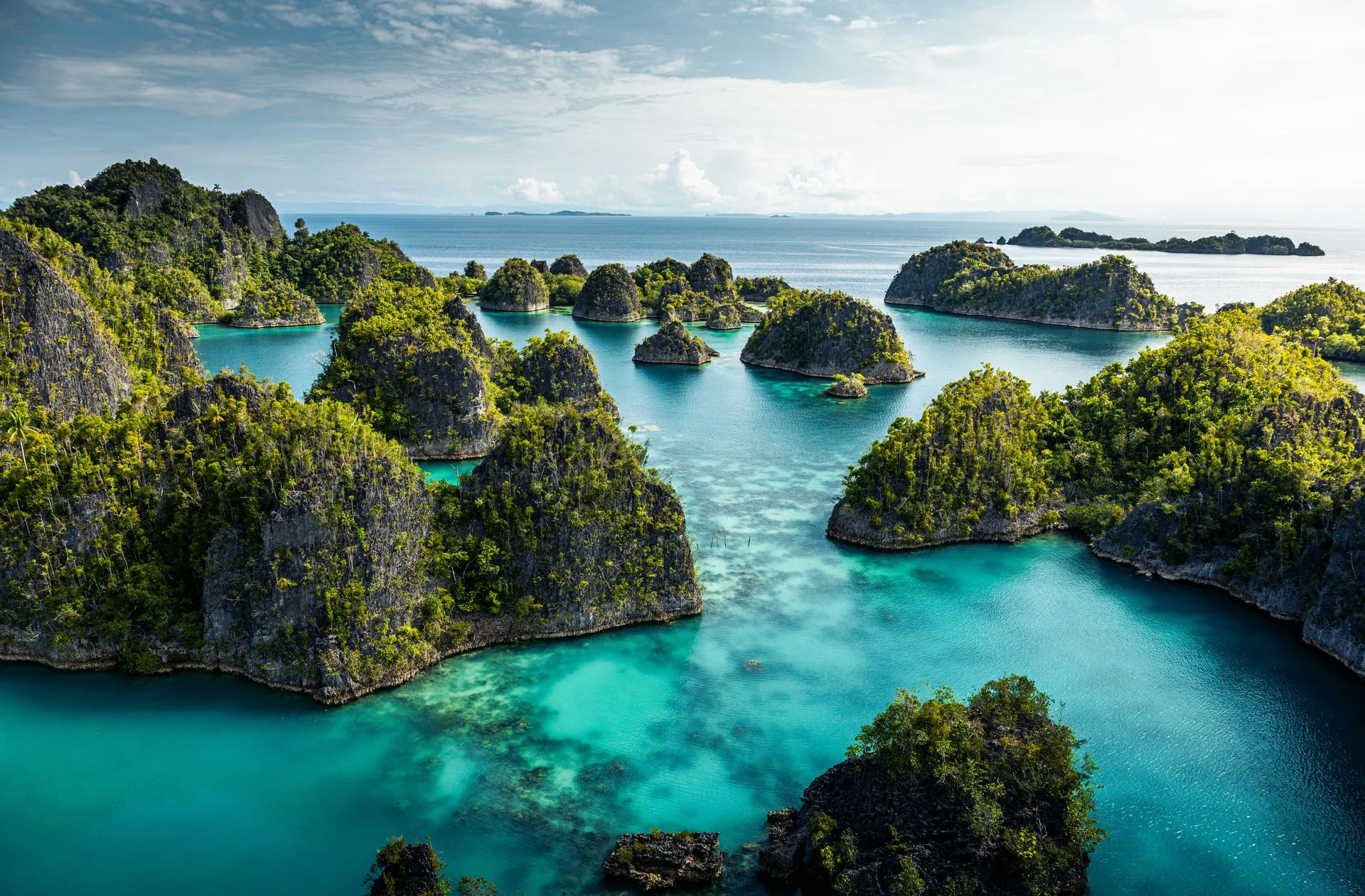
Raja Ampat
Raja Ampat, the “Four Kings,” is an archipelago of more than 1,500 islands at the edge of Indonesian West Papua. Its reefs sit in the heart of the Coral Triangle, where Pacific currents funnel nutrients into shallow seas and feed the world’s richest marine biodiversity. Diving here means gliding over colourful walls and coral gardens buzzing with more than 550 species of hard and soft corals and an estimated 1,500 fish species. You’ll meet blacktip and whitetip reef sharks on almost every dive, witness giant trevally and dogtooth tuna hunting schools of fusiliers, and encounter wobbegong “carpet” sharks, turtles, manta rays and dolphins. From cape pinnacles swarming with life to calm bays rich in macro critters, Raja Ampat offers endless variety. Above water, karst limestone islands and emerald lagoons provide spectacular scenery between dives.
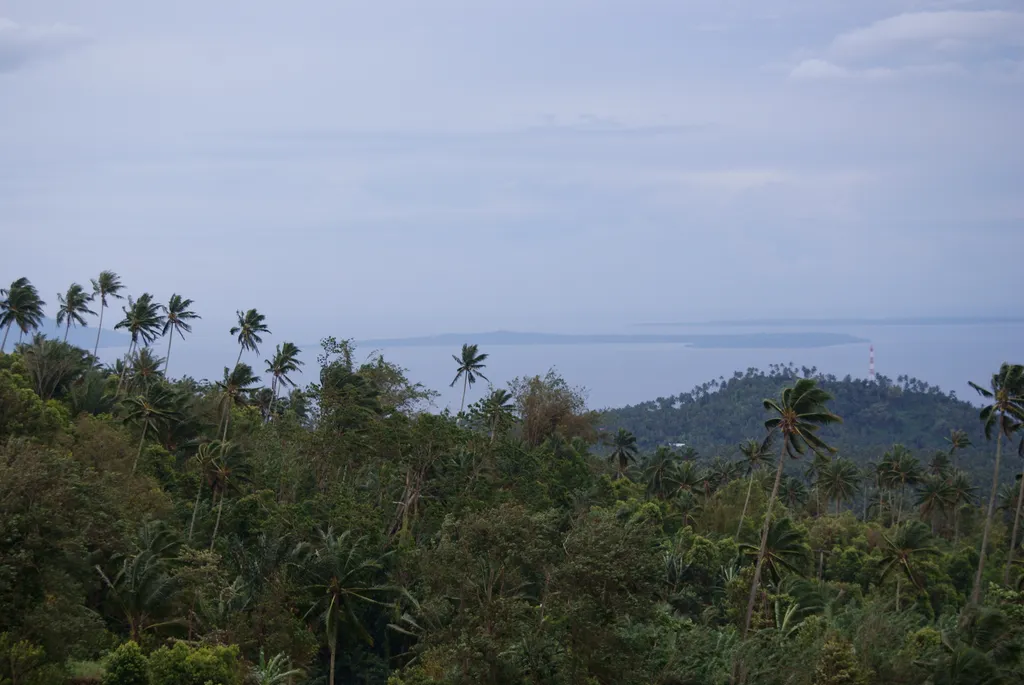
Bunaken
Bunaken National Park is wall-diving country: five volcanic islands—Bunaken, Manado Tua, Siladen, Mantehage, and Nain—ringed by drop-offs that fall from snorkel depth into hundreds of metres of blue. This is not the muck slopes of the Manado mainland; it is vertical reef, drift lines, and current-fed fish schools. The signature move is simple—roll off the boat at Lekuan or Muka Kampung, swim the shallow turtle flats, then hang on the wall while pyramid butterflyfish, fusiliers, and Napoleon wrasse stream past. Reef sharks patrol the corners, eagle rays cruise the blue, and barrel sponges the size of oil drums frame every wide-angle shot. Warm 27–29°C water, park protection since 1991, and island resorts that put you on the first boat at 08:00 make Bunaken the classic North Sulawesi wall trip—fly into MDC, transfer to the strait, and live on the reef for a week.
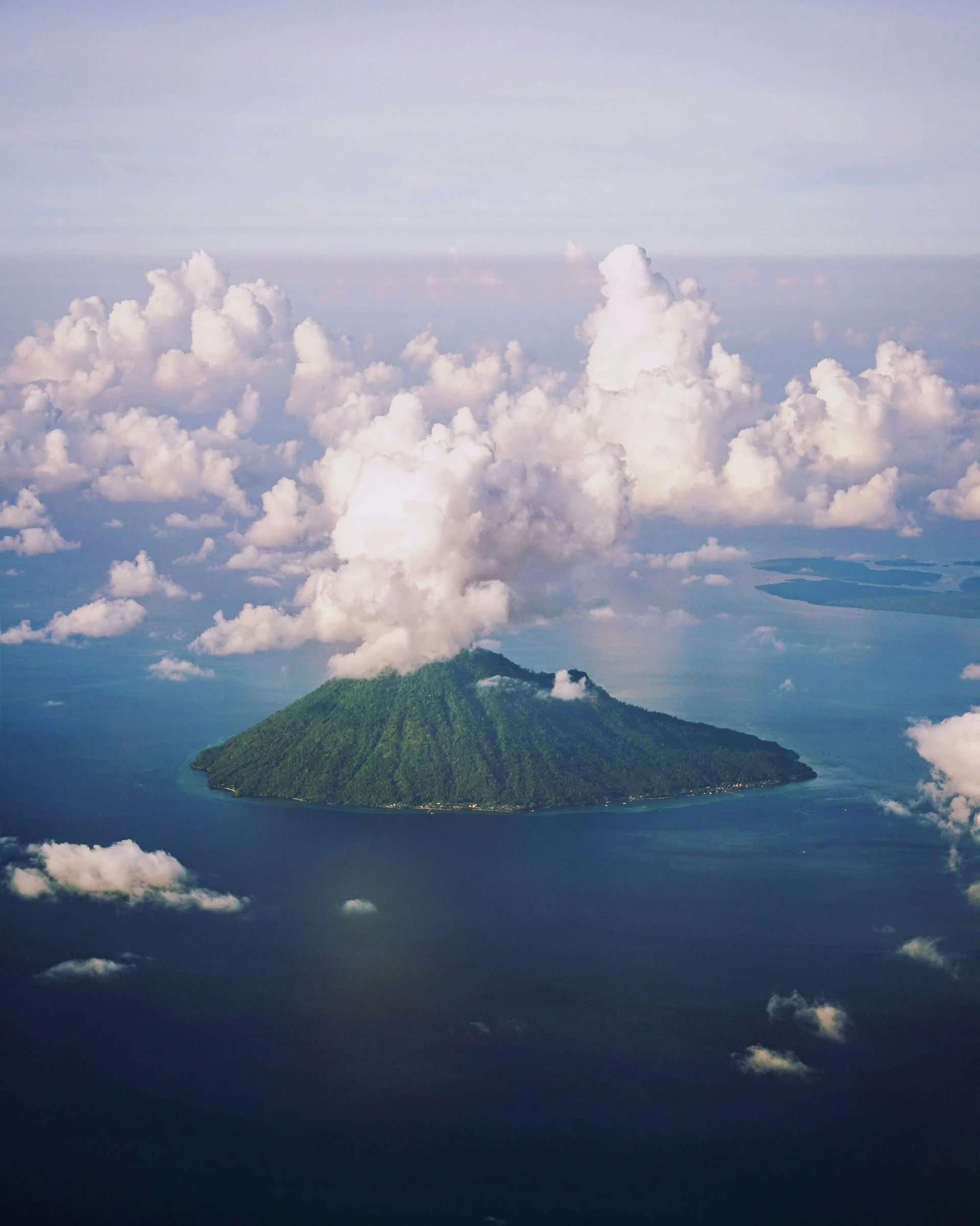
Manado
Tucked away in northern Sulawesi, Manado’s coastal waters and Bunaken National Park are a diver’s dream. Sheer coral walls plunge into the deep blue, exploding with sponges, sea fans and tropical fish, while the mainland coast hides muck‑diving gems with seahorses, ghost pipefish and mimic octopus. Dolphins and pilot whales sometimes cruise past, green turtles nap on the reef, and reef sharks and schooling jacks patrol the drop‑offs. Whether you like effortless drift dives along walls or critter hunting in sand and seagrass, Manado balances big‑fish thrills with macro treasures. Warm waters, friendly locals and laid‑back resorts make it perfect for both serious underwater photographers and casual holidaymakers.
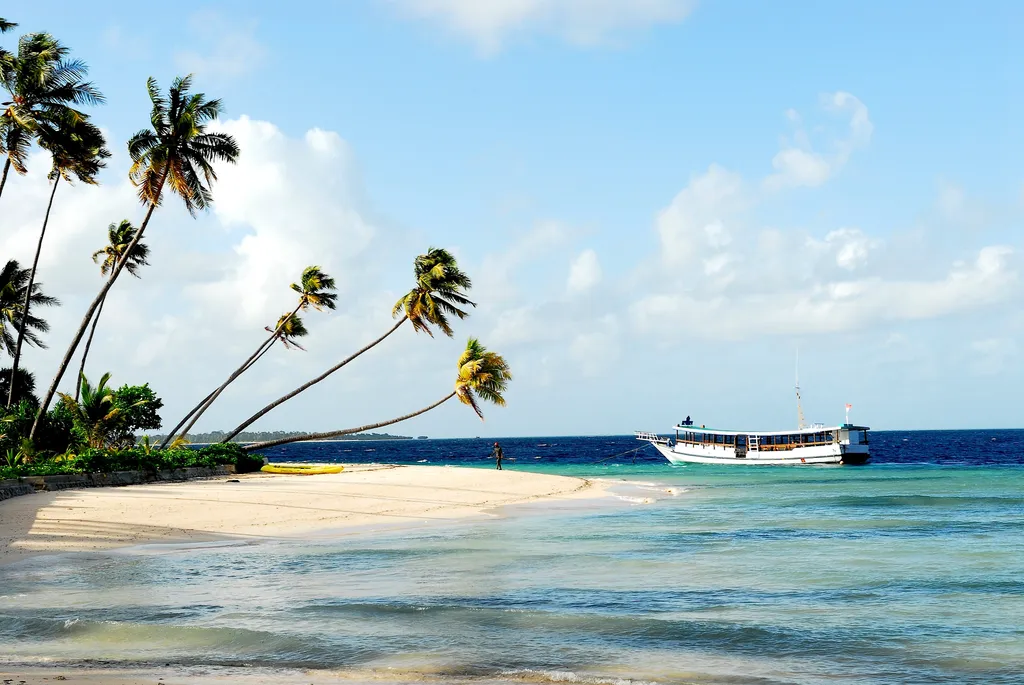
Wakatobi
Wakatobi National Park sits on the southeastern rim of Sulawesi, named from its four main islands—Wangi-Wangi, Kaledupa, Tomia, and Binongko. It holds some of the healthiest coral coverage in the Coral Triangle, with walls, seamounts, and fringing reefs that marine biologists still treat as a reference system. Visibility regularly hits 30 m and can stretch past 50 m on calm outer-reef days. Currents are usually mild and predictable, so you get long bottom times on colorful hard-coral gardens instead of fighting blue water. The signature experience is Wakatobi’s House Reef—walk-in shore diving a short swim from the jetty—backed by more than 40 day-boat sites, from beginner pinnacles like Roma to the knife-edge walls of Blade.
Tulamben(Bali)
Tulamben sits on Bali’s northeast coast and is best known for the USAT Liberty shipwreck – a 125‑metre cargo ship torpedoed in WWII that now lies just a short swim from shore. Warm water, mild currents and straightforward shore entries make diving here relaxed for all levels. Besides the wreck, divers can explore coral gardens, black‑sand muck sites and dramatic drop‑offs. Macro lovers will find nudibranchs, ghost pipefish, mimic octopus and pygmy seahorses, while big‑fish fans can encounter schooling jackfish, bumphead parrotfish and reef sharks. With a compact coastline packed with variety, Tulamben delivers world‑class wreck and critter diving without long boat rides.
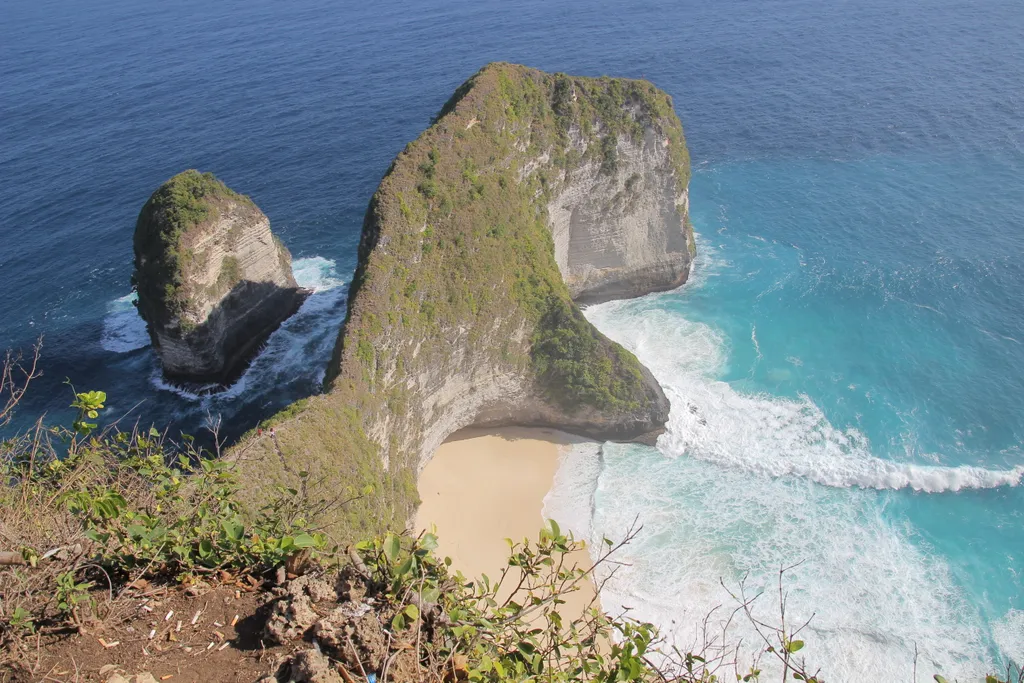
Nusa Penida
Nusa Penida is the big island in Bali's Nusa trio—and the one divers actually book a week for. The Lombok Strait funnels nutrient-rich water past sheer cliffs and deep channels, so even "easy" north-coast sites can turn into exhilarating drifts when the tide flips. South and west coasts deliver the headline acts: reef mantas at Manta Point and Manta Bay, and July–October ocean sunfish at Crystal Bay when cold thermoclines stack under 25 °C surface water. Most experienced divers base on Penida itself (Toyapakeh, Sampalan, or the north villages) rather than commuting from Sanur—early boats beat the swell, and you want slack-water windows for the south. The north-coast string—SD, PED, Sental, Buyuk—is where you rack up pretty reef drifts between manta days. Bring your AOW, respect the guides on current calls, and pack a thicker wetsuit for August thermoclines.
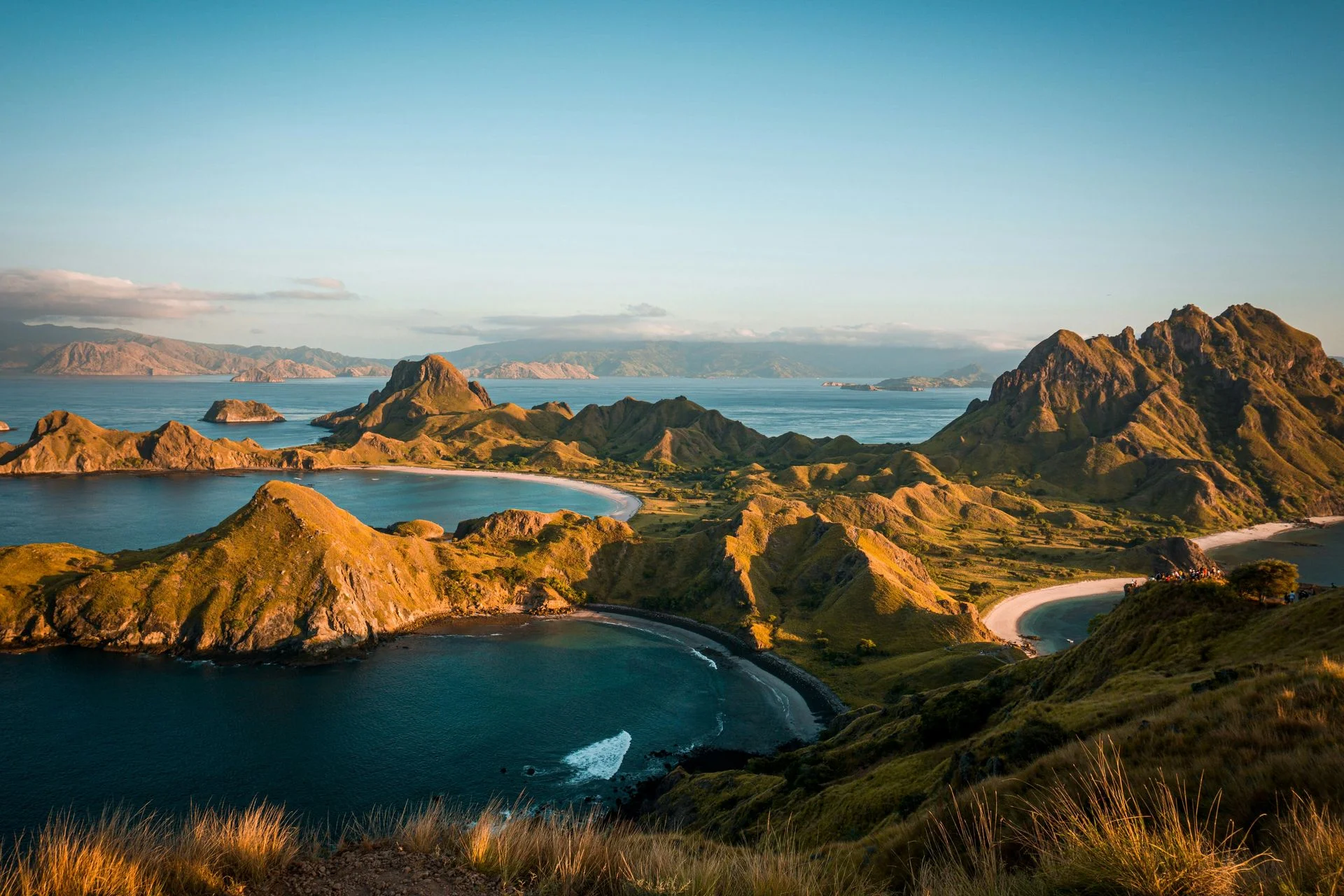
Komodo
Komodo National Park is a diver’s paradise full of marine diversity: expect healthy coral gardens, reef sharks, giant trevallies, countless schools of fish, and frequent manta ray sightings at sites like Manta Point and Batu Bolong. Drift dives and dramatic reef structures add excitement, while both macro lovers and big-fish fans will find plenty to love. Above water, the wild Komodo dragons roam, giving a touch of prehistoric wonder to the whole trip.
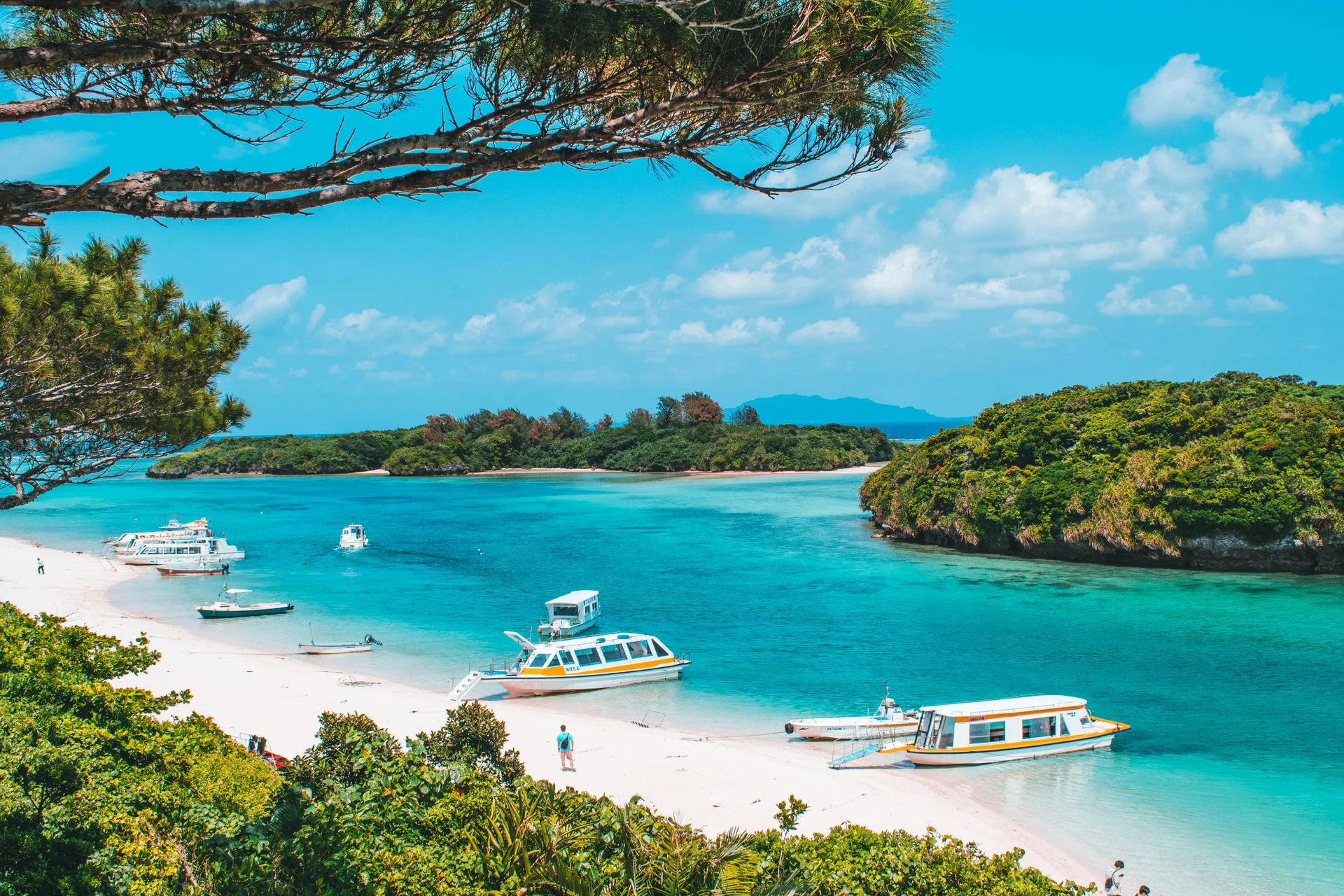
Okinawa
Straddling the subtropical Ryūkyū chain in Japan’s far south, Okinawa Prefecture is a mosaic of islands offering everything from shallow coral gardens to deep wrecks and wild drift dives. The main island provides easy access to the vibrant reefs of the Kerama National Park, where Tokashiki and Zamami Islands boast pristine hard corals, sea fans and more turtles than you can count. Just offshore, Cape Manza’s Dream Hole drops through a chimney into a colourful cavern system teeming with soldierfish, angelfish and feather stars. Further north, history buffs can dive the 100‑metre USS Emmons, a WWII destroyer resting intact at 35–40 m. Closer to shore, Cape Maeda’s Blue Cave offers an easy swim‑through with magical blue light – but expect crowds. Away from the main island, Okinawa’s outer islands extend the experience: Ishigaki’s Manta Scramble (April–Nov) promises manta ray ballets, Yonaguni’s currents bring hammerhead sharks in winter, and Miyako’s caves and tunnels deliver topography diving at its finest. Whether you crave reef fish, big pelagics, swim‑throughs or macro critters, Okinawa’s warm, clear waters offer a Japanese diving adventure for every level of diver.