
Spotted Porcelain Crab
Neopetrolisthes maculatus
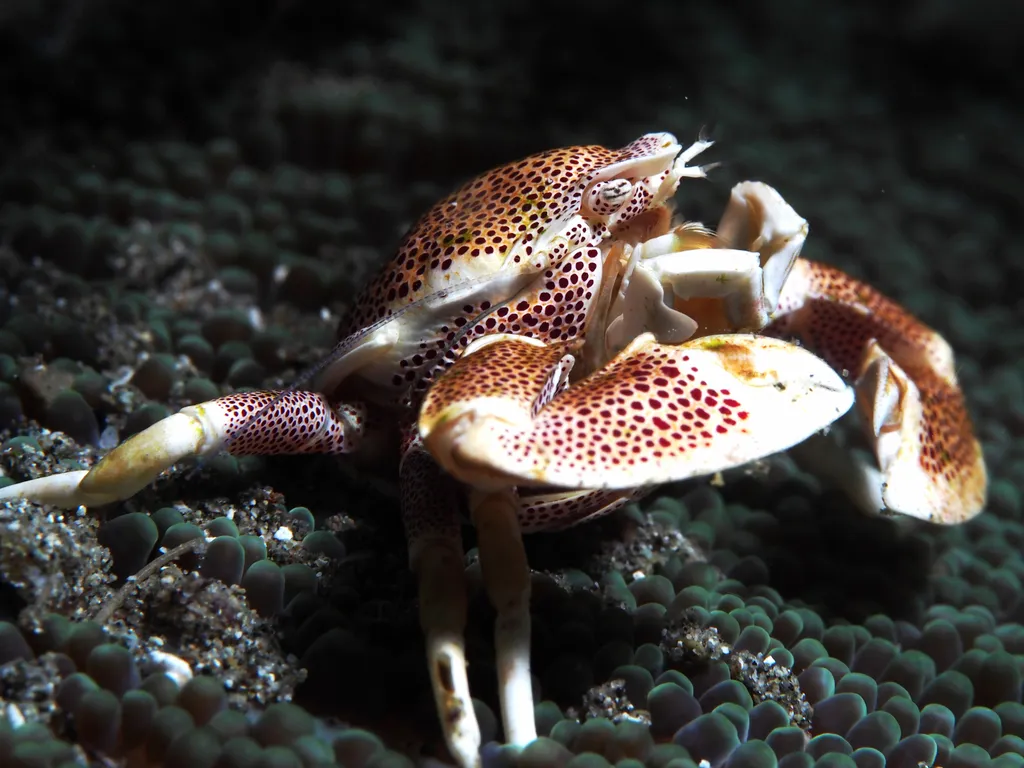
Photo by Rickard Zerpe / CC BY-SA 2.0 via Wikimedia Commons
The Spotted Porcelain Crab (Neopetrolisthes maculatus) is the anemone guest that sits in plain sight once you learn the search logic: find a big carpet or bubble-tip anemone, then look for a cream crab painted with red freckles perched among the tentacles. It is not a true brachyuran crab—porcelain crabs are anomurans, closer to squat lobsters—but underwater that distinction matters less than the behavior. Pair after pair sits territorial on the disk, claws parked like polished shovels while the mouthparts flick out feathery maxillipeds and rake plankton from the current.
For macro divers this is a high-hit-rate Indo-Pacific classic. Sightings cluster where large anemones are common and guides know which heads host pairs. You do not chase the crab across sand; you inventory anemones. When you finally lock eyes with two crabs sharing one host, the shot writes itself: red-dotted porcelain against neon tentacle tips, usually in water shallow enough that you can take your time and settle neutrally before squeezing the shutter.
🔬Classification
📏Physical Features
🌊Habitat Info
⚠️Safety & Conservation
Identification Guide
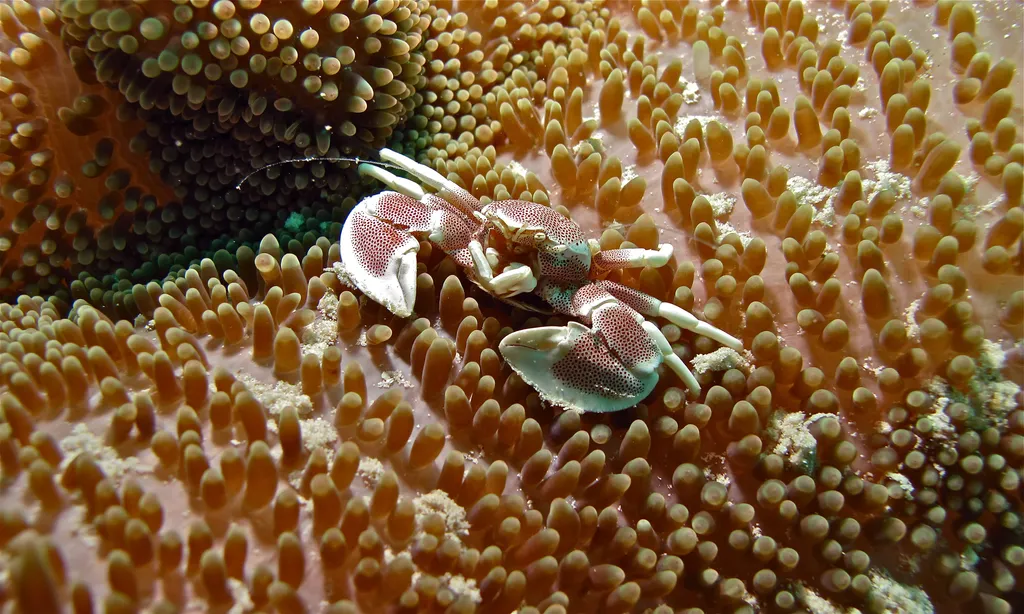
Photo by Bernard DUPONT from FRANCE / CC BY-SA 2.0 via Wikimedia Commons
Hunt by host first. Scan large Stichodactyla, Heteractis, and similar carpet/bubble-style anemones on shallow reef flats and gentle slopes.
Field marks
- Smooth, rounded cream/white carapace with dense red to brown spotting
- Porcelain sheen on the shell when lit from the side
- Broad flattened chelipeds held forward; not used for crushing prey
- Often a male–female pair sharing one anemone disk
- Constant flicking of feathery mouthparts (filter-feeding signature)
Confusion checks
- Other porcellanids under rocks lack this anemone lifestyle and dense freckle pattern
- True crabs in anemones (rare) usually have different body proportions and do not show the porcelain-crab filter sweep
- Spot density/size varies geographically—still look for smooth carapace + anemone perch combo
Top 10 Fun Facts about Spotted Porcelain Crab
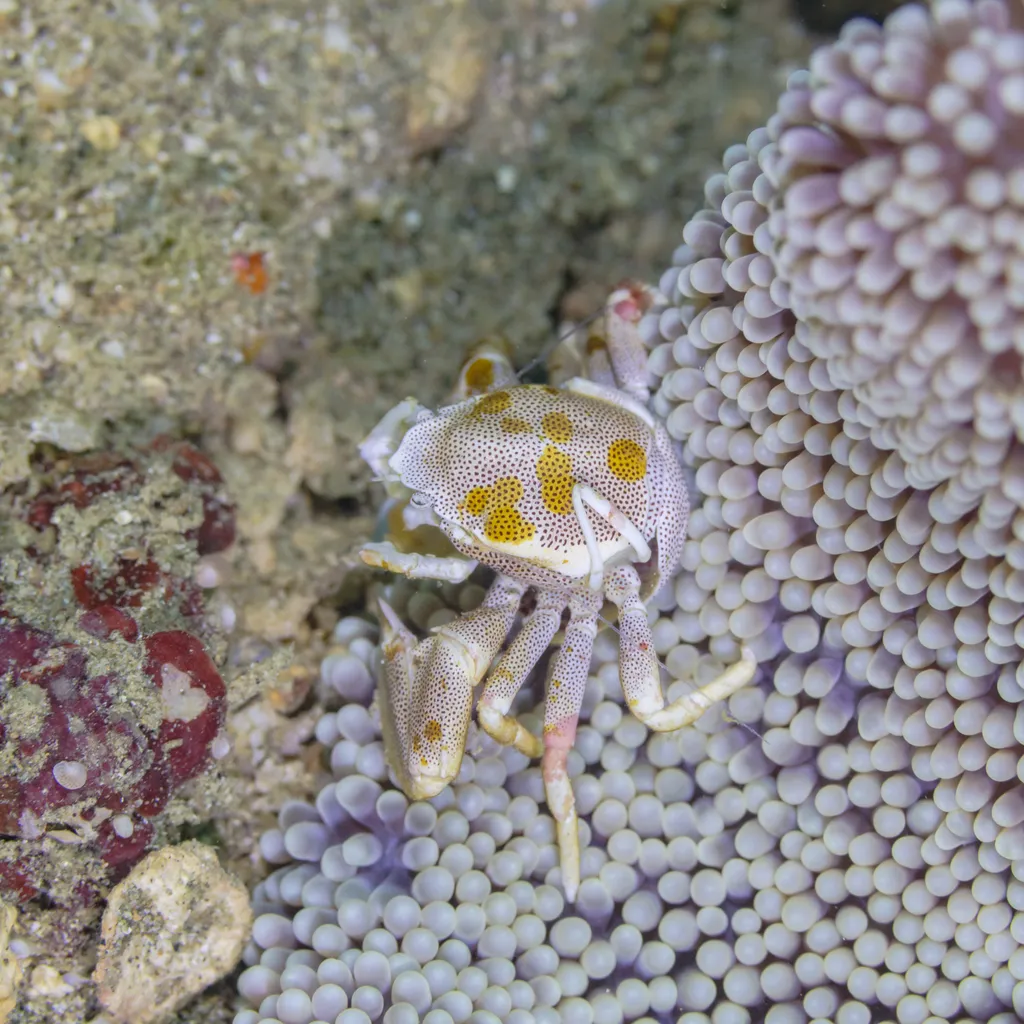
Photo by Diego Delso / CC BY-SA 4.0 via Wikimedia Commons
1. Anomuran, not a "true crab"
Porcelain crabs sit in Anomura—the same big group as squat lobsters and hermit crabs. Count the last walking-leg pair tucked under the body and you are looking at something closer to a lobster relative than a portunid.
2. Big claws, wrong job
Those shovel-like chelipeds look predatory. In N. maculatus they are mostly for display, defense, and jostling rivals. Food comes from the feathery maxillipeds sweeping the water column.
3. Anemone real estate is the whole game
Each large host anemone typically supports a single territorial pair. If you see one crab alone, wait—its partner is often tucked deeper in the tentacles.
4. Freckles sell the ID
The dense red spotting on a pale carapace is the diver-friendly field mark that separates this species from many plain porcelain crabs under rubble.
5. Synonym theater is over
Older dive books may list Neopetrolisthes ohshimai. Taxonomically that name folds into N. maculatus—you are looking at one valid species with pattern variation.
6. Shallow-water specialist
Most encounters happen in the top 10 m where sunlight-powered anemones thrive and current delivers plankton past the disk. Deep blue-water searches waste bottom time.
7. Filter feeders in a sting fortress
Living inside tentacles buys predator protection while the crab harvests plankton and occasionally anemone mucus without needing to hunt.
8. "Porcelain" is structural slang
The thin, glassy exoskeleton cracks easily—hence the family nickname—and is one more reason never to pry crabs off a host for a photo rearrange.
9. Pair chemistry on the disk
Territorial pairs advertise ownership with claw postures and short lunges. Crowding an anemone with a pushy camera often ends the behavioral show.
10. Indo-Pacific classic for first-timers and pros
From Anilao carpet anemones to Lembeh and Wakatobi reef flats, this is one of the most reliable "wow, that's macro" animals for guests who still struggle with pygmy seahorses.
Diving & Observation Notes
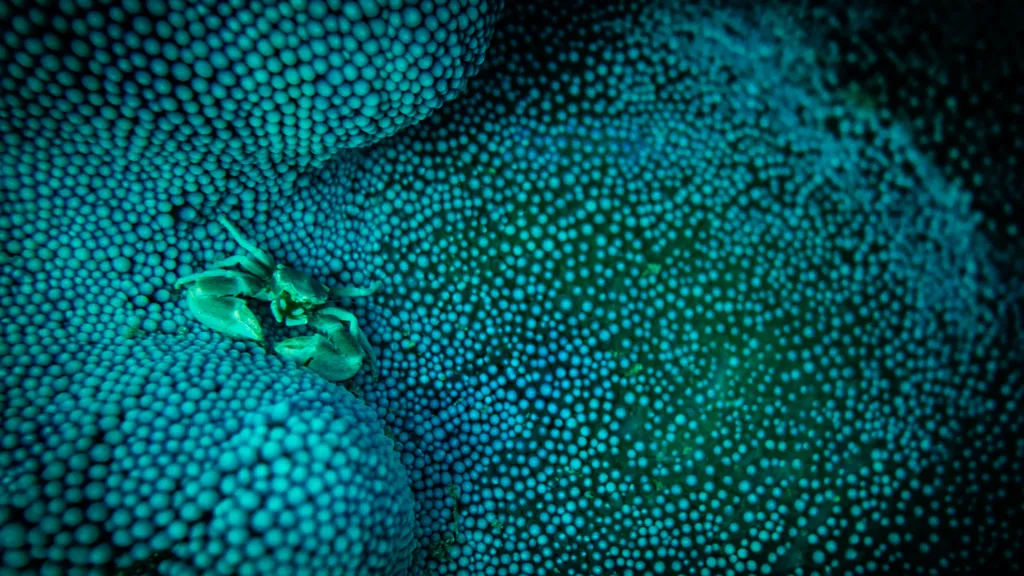
Photo by Anna Varona / CC BY 4.0 via Wikimedia Commons
🧭 Finding them
Build a mental list of large host anemones on the site, then slow-hover 1–2 body lengths out and scan the disk center and tentacle bases. Guides in Anilao, Lembeh, Dumaguete, and Wakatobi often know which heads are reliably occupied.
Approach & behavior
Settle neutrally before you get close. Pairs resume filter-feeding within a minute if you stay still. Jerky fin kicks or a probing finger shut the show down and risk anemone stings on your skin.
Photo tips
Side or three-quarter light pops the porcelain sheen and red freckles. Include a ring of tentacles for context; pure carapace crops lose the symbiosis story. Fast shutter helps freeze the maxilliped flick.
Ethics
Never pry crabs off the anemone or rearrange tentacles. If clownfish share the host, give them flight lanes—your job is to observe the real estate deal already in progress.
Best Places to Dive with Spotted Porcelain Crab
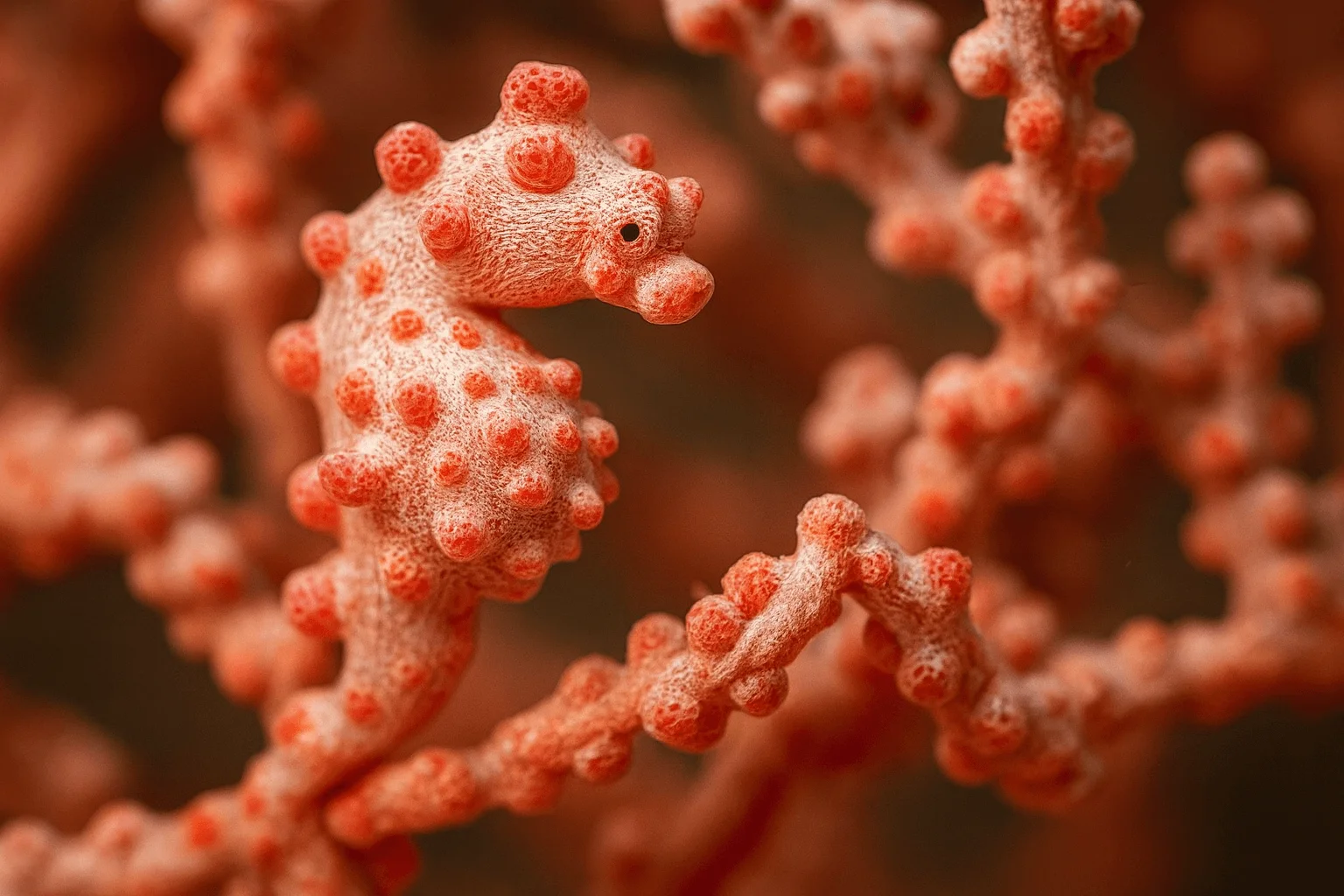
Anilao
Anilao, a small barangay in Batangas province just two hours south of Manila, is often called the macro capital of the Philippines. More than 50 dive sites fringe the coast and nearby islands, offering an intoxicating mix of coral‑covered pinnacles, muck slopes and blackwater encounters. Critter enthusiasts come for the legendary muck dives at Secret Bay and Anilao Pier, where mimic octopuses, blue‑ringed octopuses, wonderpus, seahorses, ghost pipefish, frogfish and dozens of nudibranch species lurk in the silt. Shallow reefs like Twin Rocks and Cathedral are covered in soft corals and teem with reef fish, while deeper sites such as Ligpo Island feature gorgonian‑covered walls and occasional drift. Because Anilao is so close to Manila and open year‑round, it’s the easiest place in the Philippines to squeeze in a quick diving getaway.
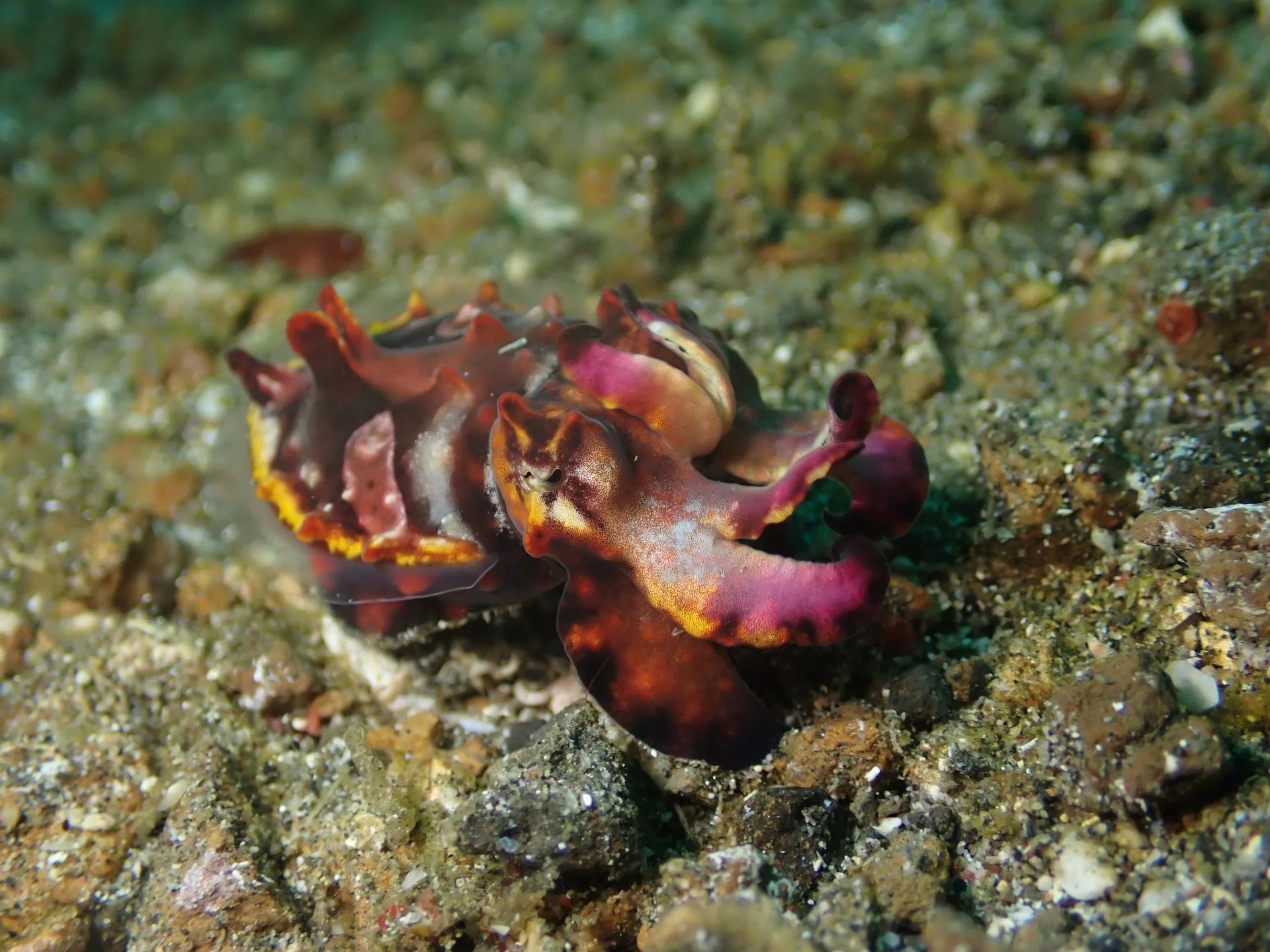
Lembeh
The Lembeh Strait in North Sulawesi has become famous as the muck‑diving capital of the world. At first glance its gently sloping seabed of black volcanic sand, rubble and discarded debris looks bleak. Look closer and it is teeming with weird and wonderful life: hairy and painted frogfish, flamboyant cuttlefish, mimic and blue‑ringed octopuses, ornate ghost pipefish, tiny seahorses, shrimp, crabs and a rainbow of nudibranchs. Most dives are shallow and calm with little current, making it an ideal playground for macro photographers. There are a few colourful reefs for a change of scenery, but Lembeh is all about searching the sand for critter treasures.
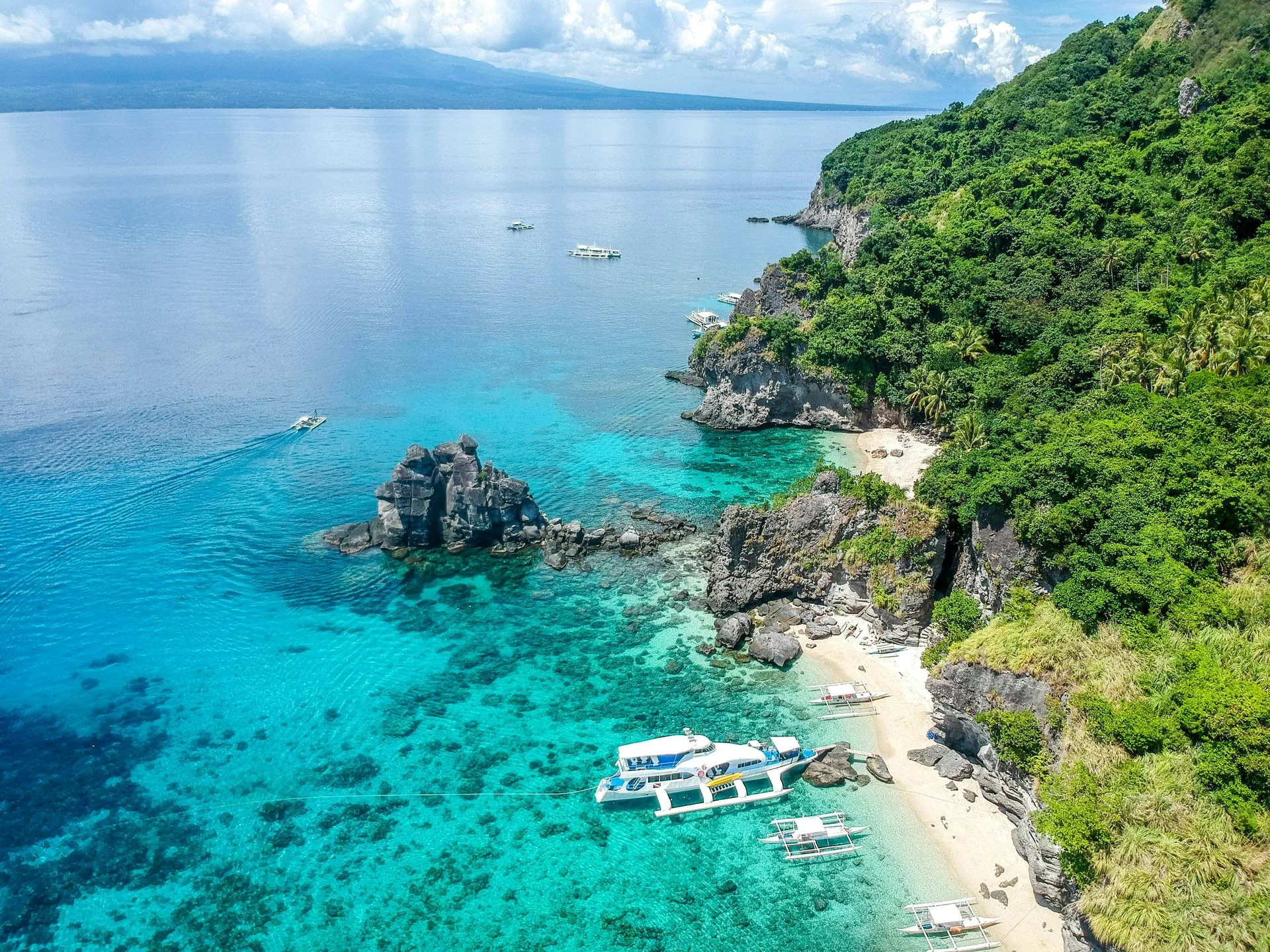
Dumaguete
Dumaguete on the southeast coast of Negros is the jumping‑off point for some of the Philippines’ most diverse diving. Along the nearby town of Dauin, a series of shallow marine sanctuaries and black‑sand slopes hide critters galore: frogfish, flamboyant cuttlefish, mimic octopus, ghost pipefish, seahorses, pipefish and nudibranchs. Artificial reefs made from car tyres and pyramids provide extra habitat. Offshore, Apo Island’s walls and plateaus burst with hard and soft corals, schooling jacks and barracudas, and friendly green turtles. With day trips to Oslob’s whale sharks or Bais’ dolphin‑watching, and excursions to nearby Siquijor, Dumaguete offers a perfect mix of macro muck diving and classic coral reefs.
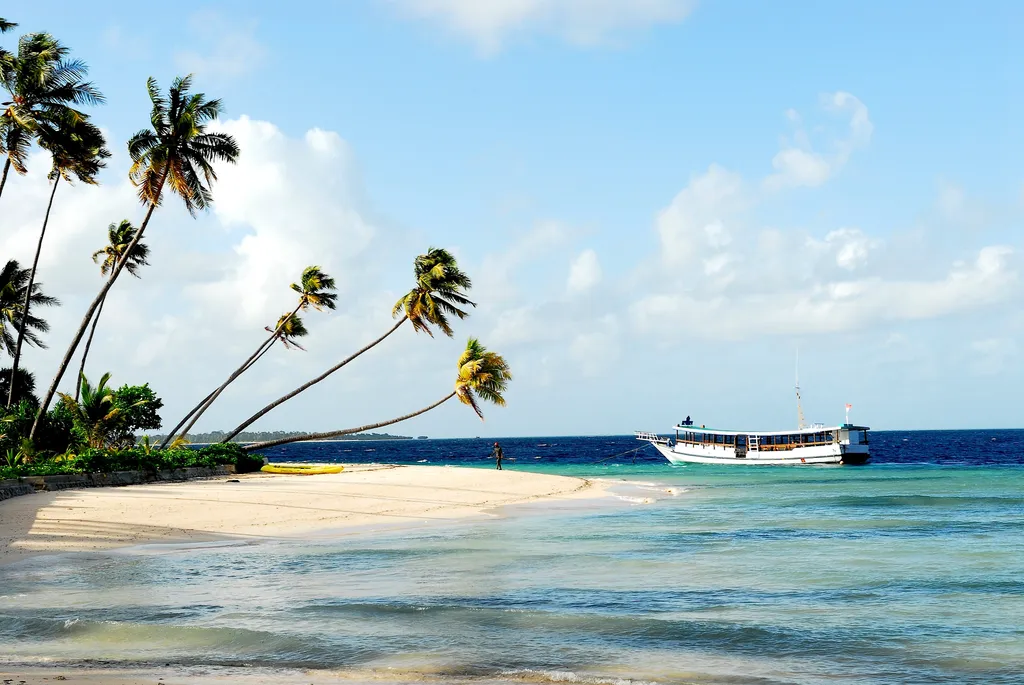
Wakatobi
Wakatobi National Park sits on the southeastern rim of Sulawesi, named from its four main islands—Wangi-Wangi, Kaledupa, Tomia, and Binongko. It holds some of the healthiest coral coverage in the Coral Triangle, with walls, seamounts, and fringing reefs that marine biologists still treat as a reference system. Visibility regularly hits 30 m and can stretch past 50 m on calm outer-reef days. Currents are usually mild and predictable, so you get long bottom times on colorful hard-coral gardens instead of fighting blue water. The signature experience is Wakatobi’s House Reef—walk-in shore diving a short swim from the jetty—backed by more than 40 day-boat sites, from beginner pinnacles like Roma to the knife-edge walls of Blade.
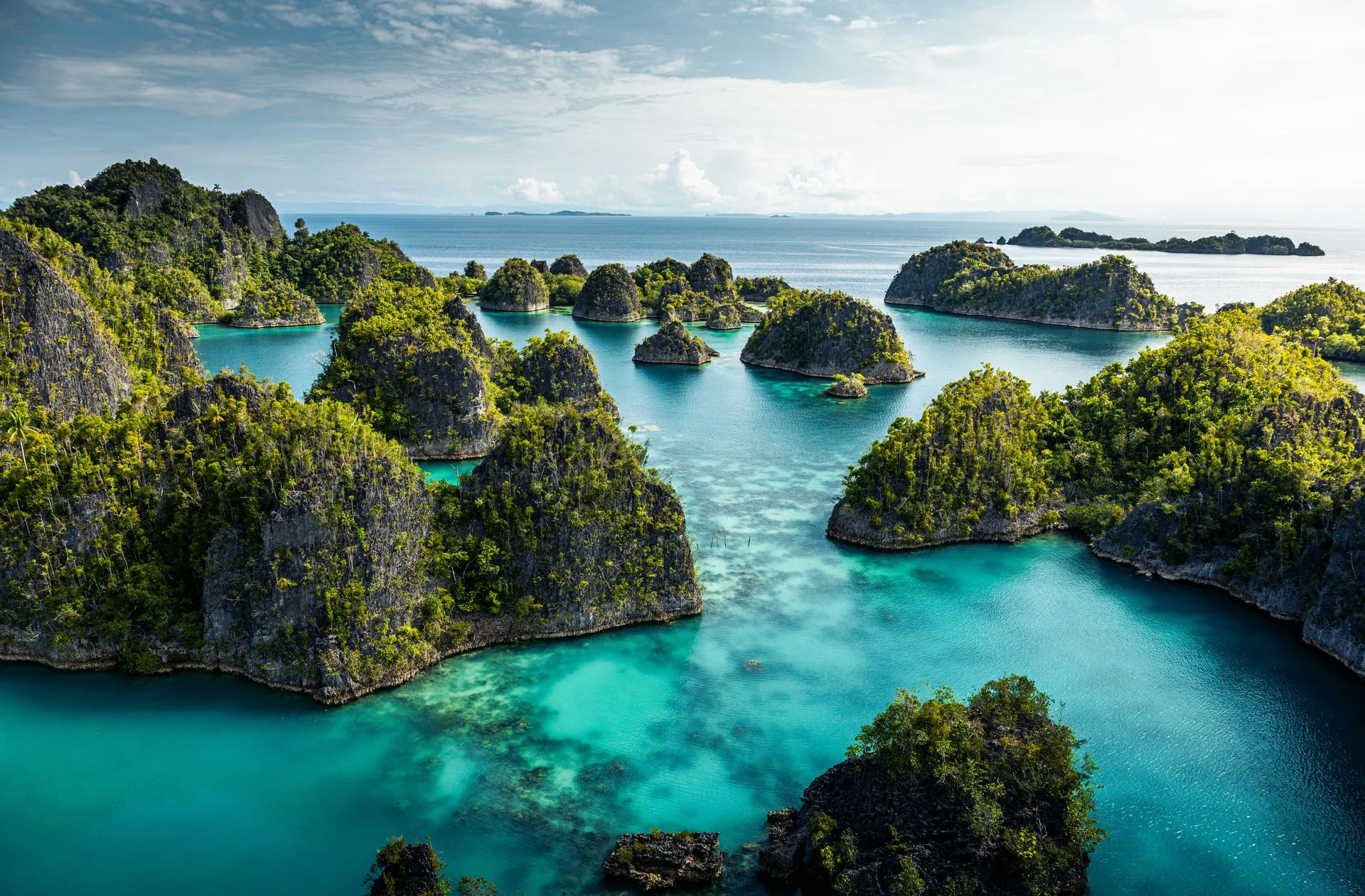
Raja Ampat
Raja Ampat, the “Four Kings,” is an archipelago of more than 1,500 islands at the edge of Indonesian West Papua. Its reefs sit in the heart of the Coral Triangle, where Pacific currents funnel nutrients into shallow seas and feed the world’s richest marine biodiversity. Diving here means gliding over colourful walls and coral gardens buzzing with more than 550 species of hard and soft corals and an estimated 1,500 fish species. You’ll meet blacktip and whitetip reef sharks on almost every dive, witness giant trevally and dogtooth tuna hunting schools of fusiliers, and encounter wobbegong “carpet” sharks, turtles, manta rays and dolphins. From cape pinnacles swarming with life to calm bays rich in macro critters, Raja Ampat offers endless variety. Above water, karst limestone islands and emerald lagoons provide spectacular scenery between dives.
Tulamben(Bali)
Tulamben sits on Bali’s northeast coast and is best known for the USAT Liberty shipwreck – a 125‑metre cargo ship torpedoed in WWII that now lies just a short swim from shore. Warm water, mild currents and straightforward shore entries make diving here relaxed for all levels. Besides the wreck, divers can explore coral gardens, black‑sand muck sites and dramatic drop‑offs. Macro lovers will find nudibranchs, ghost pipefish, mimic octopus and pygmy seahorses, while big‑fish fans can encounter schooling jackfish, bumphead parrotfish and reef sharks. With a compact coastline packed with variety, Tulamben delivers world‑class wreck and critter diving without long boat rides.
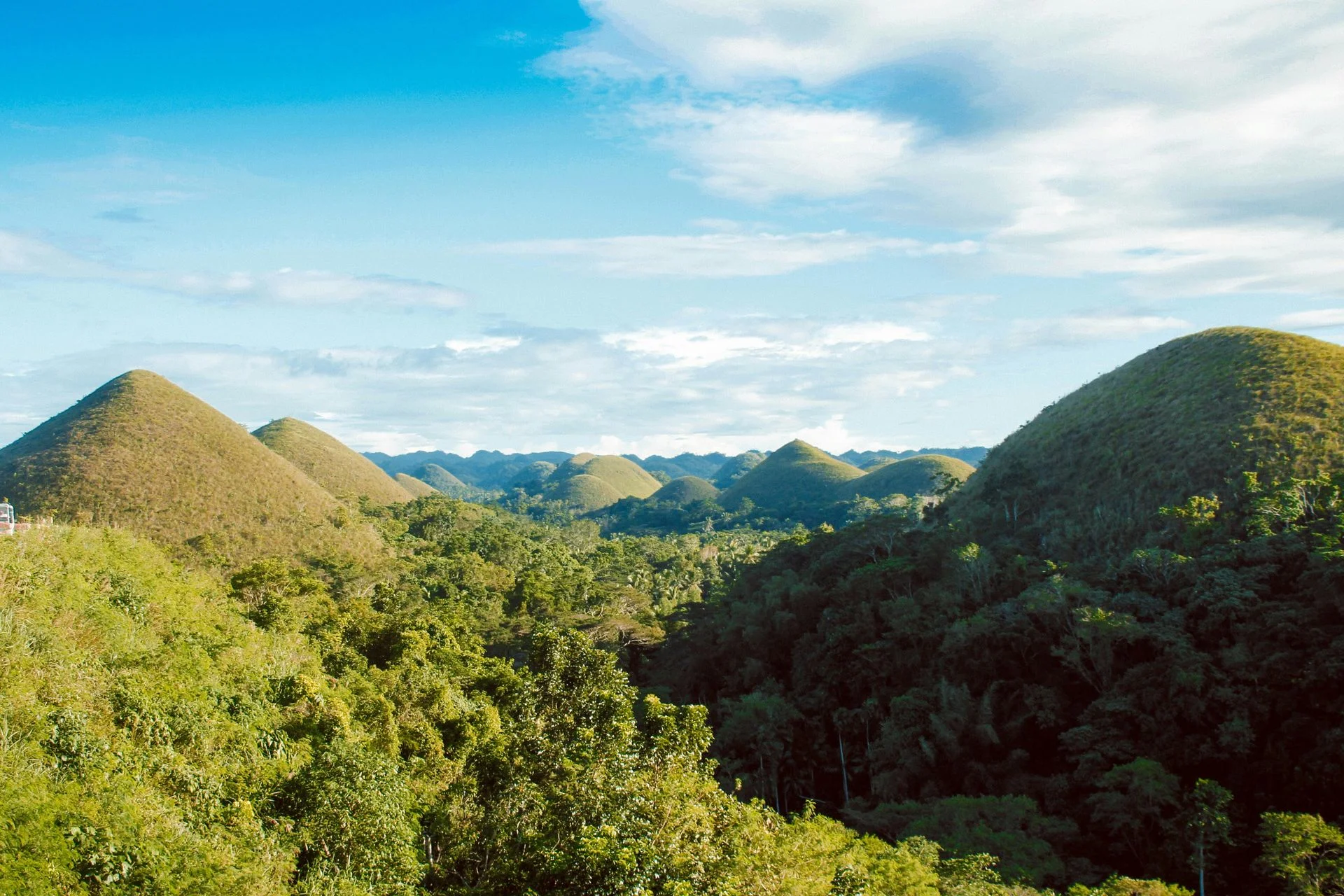
Bohol
Bohol, an island province in the central Visayas of the Philippines, is a diver’s playground with a huge variety of sites. The main hub is Panglao Island, where Alona Beach serves as the launch point for local reef dives and day trips. Nearby Balicasag Island is world‑class: its 5‑ to 18‑m plateau drops into walls where clouds of jackfish and sardines swirl and sleepy green and hawksbill turtles munch on soft corals. To the west, Cabilao’s reefs hide hammerhead sharks and pygmy seahorses, while the remote east coast of Anda offers muck dives, turtle nurseries and even mantas and whale sharks. Other favorites include Napaling’s year‑round sardine balls, Pamilacan’s manta and shark‑filled walls and Cervera (Snake Island) with its resident sea snakes. Whether you love colourful coral gardens, deep walls, big pelagics or tiny critters, Bohol has something for every diver.
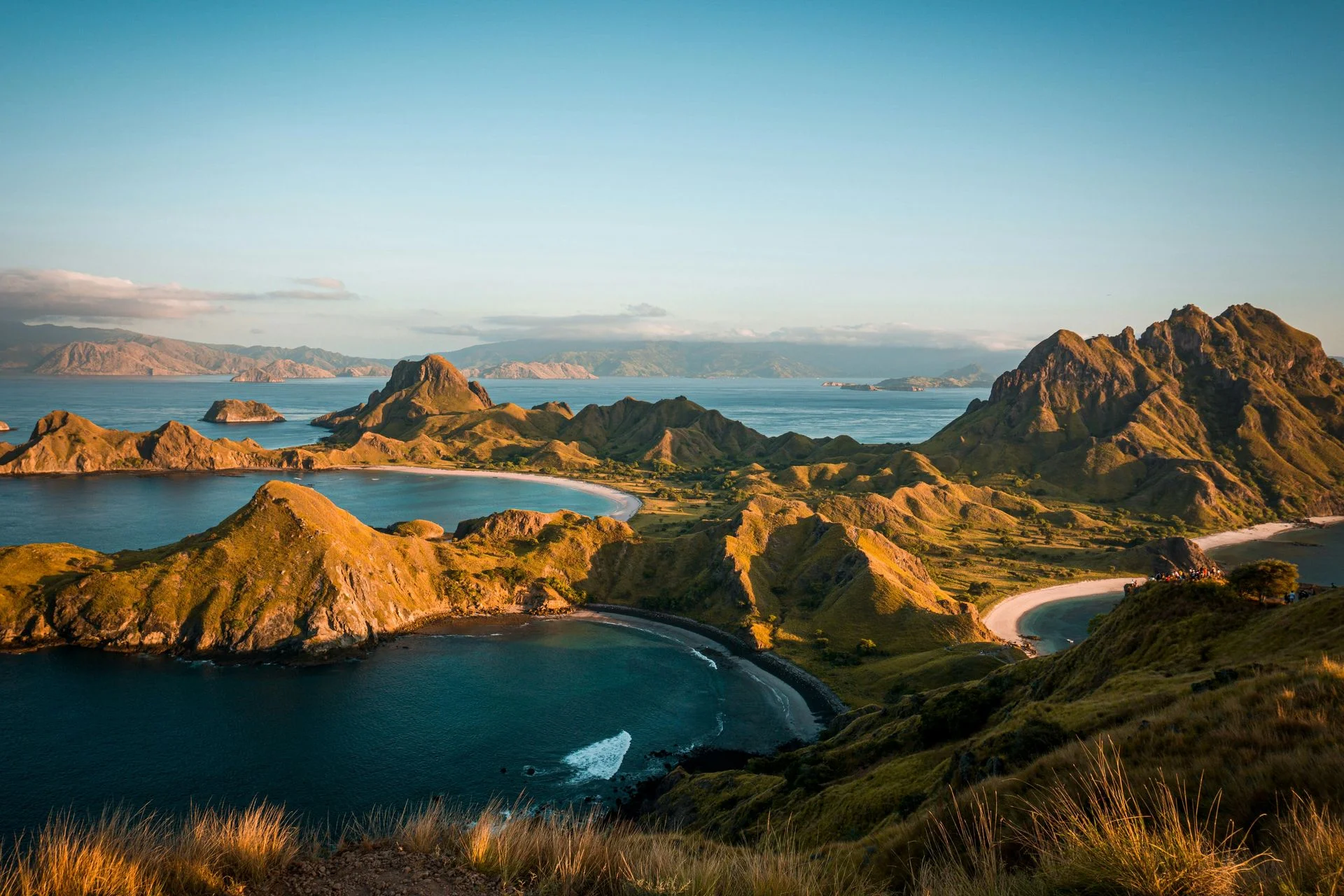
Komodo
Komodo National Park is a diver’s paradise full of marine diversity: expect healthy coral gardens, reef sharks, giant trevallies, countless schools of fish, and frequent manta ray sightings at sites like Manta Point and Batu Bolong. Drift dives and dramatic reef structures add excitement, while both macro lovers and big-fish fans will find plenty to love. Above water, the wild Komodo dragons roam, giving a touch of prehistoric wonder to the whole trip.