
Painted Frogfish
Antennarius pictus
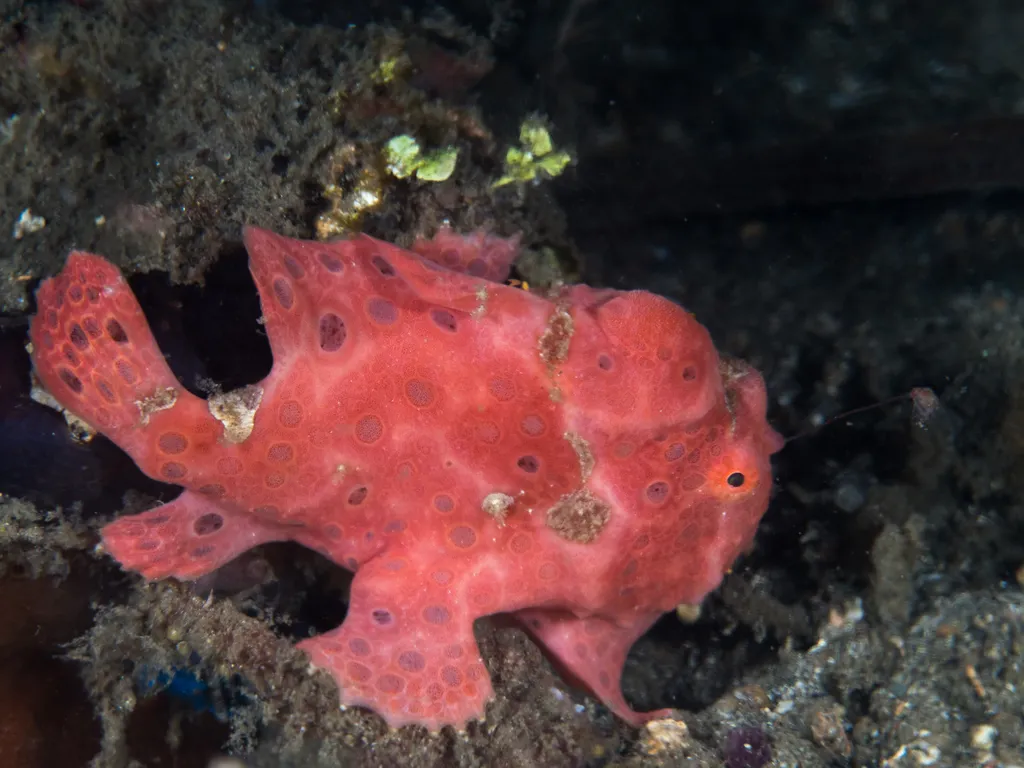
Photo by Rickard Zerpe / CC BY 2.0 via Wikimedia Commons
The Painted Frogfish (Antennarius pictus) is the color-chameleon of Indo-Pacific muck and reef diving—a globular anglerfish that can look like a sponge, a patch of algae, or a Jackson Pollock experiment on the seafloor. Unlike its shaggier cousin the hairy frogfish, painted frogfish wear smoother skin with bold spots and reticulated patterns that shift with mood, substrate, and individual genetics.
First described from Tahiti in 1794, this species spans from the Red Sea and East Africa to Hawaii, Japan, and Australia. Divers encounter it at shallow sheltered reefs (often 5–20 m) perched on sponges or rubble, lure flicking just enough to tempt a goby closer. It walks on modified fins, jets when annoyed, and swallows prey in a suction strike faster than you can blink. For macro shooters, the challenge is not finding one—guides often know the resident—but capturing the color morph before it turns its back and waddles away.
🔬Classification
📏Physical Features
🌊Habitat Info
⚠️Safety & Conservation
Identification Guide
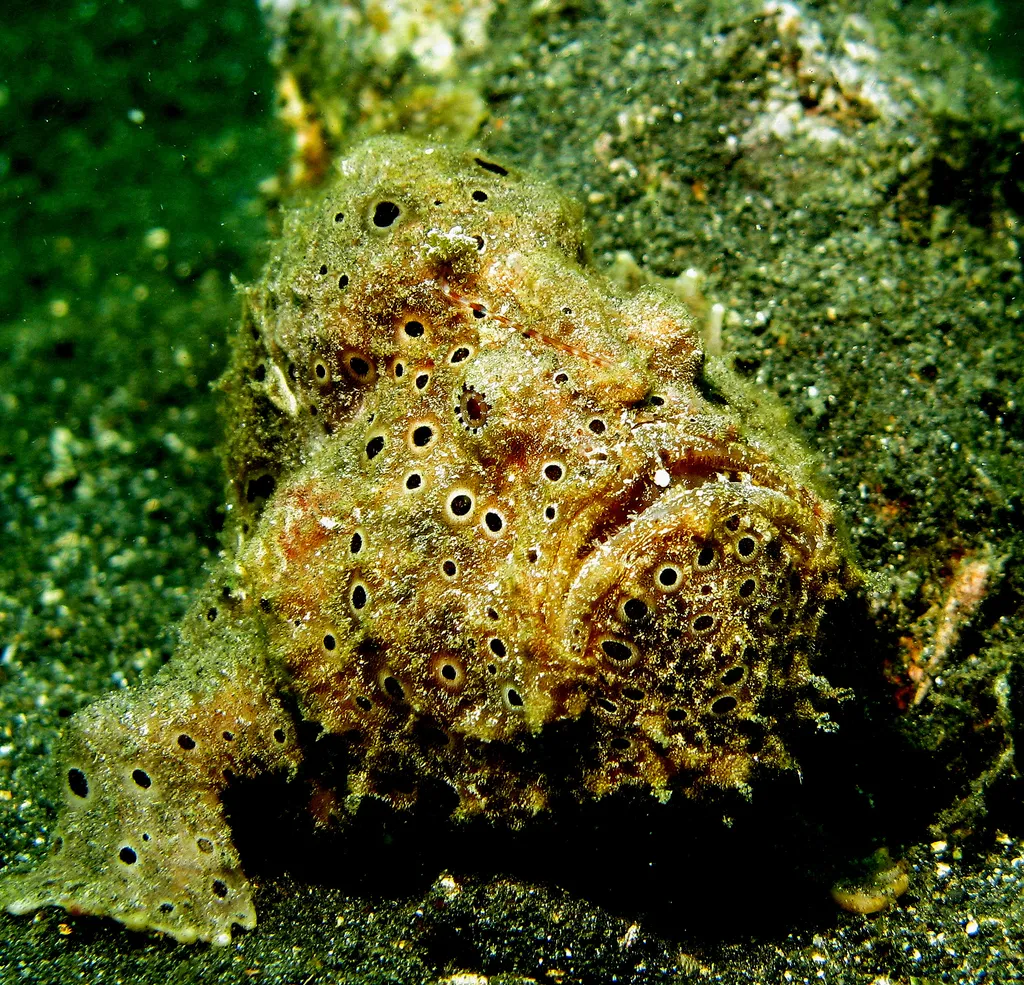
Photo by Steve Childs / CC BY 2.0 via Wikimedia Commons
Scan sponge gardens, sheltered reef ledges, rubble patches, and muck slopes—not open water columns.
Key Field Marks
- Globular body with upturned mouth and dorsal illicium + esca (lure) on the snout
- Smoother skin than hairy frogfish; scattered spinules, not dense shaggy filaments
- Bold, variable coloration—spots, blotches, reticulated patterns in red, orange, yellow, green, brown, or black
- Pectoral fins splayed like "feet"; fish often walks across substrate
- Typically fist-sized (8–16 cm adults common; up to ~30 cm reported)
Similar Species
- Hairy Frogfish (Antennarius striatus): dense branching filaments, shaggier texture
- Clown Frogfish (Antennarius maculatus): often brighter orange/yellow with fewer dark spots; more patchy white
- Giant Frogfish (Antennarius commerson): much larger, bulkier, fewer ornate patterns
- Warty Frogfish (Antennarius maculatus group): experts separate by esca shape and spot density
Juvenile vs. Adult
Juveniles may be thumb-sized with simpler patterns; adults develop richer spotting and a more pronounced lure. Color can shift over days when an individual relocates to a new perch.
Top 10 Fun Facts about Painted Frogfish
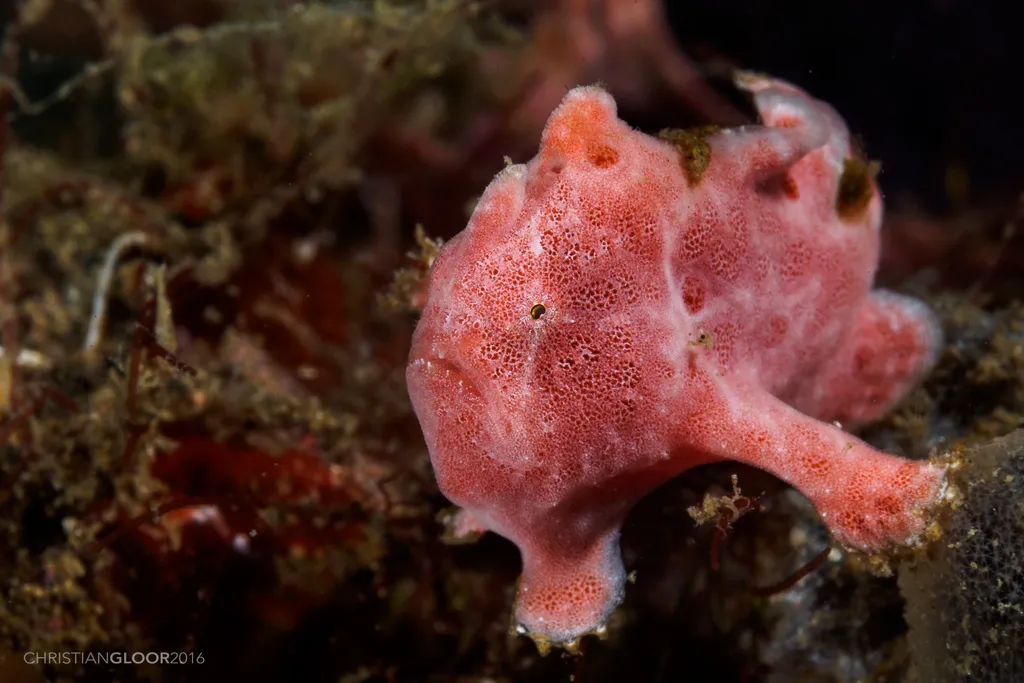
Photo by Christian Gloor from Sottens / CC BY 2.0 via Wikimedia Commons
1. A Living Paint Palette
Antennarius pictus is named for its art-gallery color range—red, orange, yellow, green, brown, black, and white morphs with spots, blotches, and reticulated webbing. Two individuals side by side on the same dive can look like different species. Photographers chase "color forms" the way birders chase plumage variants.
2. First Described from Tahiti (1794)
George Shaw described it as Lophius pictus from the Society Islands—among the earliest frogfish names in Western science. The species now anchors the pictus group within genus Antennarius, a cluster of closely related look-alikes that still confuse taxonomists and dive guides alike.
3. Sponge Specialist
Adults are frequently found perched on sponges—not random coincidence. The fish's mottled patterns mirror sponge texture and color, and some individuals align their spot palette to a specific host sponge for weeks. Guides at Lembeh and Anilao often log "the red one on the barrel sponge at TK."
4. Suction Strike in Milliseconds
Like all frogfishes, painted frogfish are ambush predators with explosive suction feeding. Prey within roughly one body length vanishes in about 6 milliseconds once the strike triggers—among the fastest vertebrate feeding events measured. Your camera needs pre-focus, not reflexes.
5. The Lure Is Modified Dorsal Fin
The "fishing rod" (illicium) and bait (esca) are not parasites or separate animals—they are highly modified dorsal fin elements. Painted frogfish wave, tuck, or hide the esca depending on hunger and threat level. Some escas resemble worms; others mimic small crustaceans or fish.
6. Walks, Waddles, and Jets
Modified pectoral and pelvic fins let it amble across rubble at a comically slow pace. When walking is too slow—or a diver's fin wash gets annoying—it gulps water and jet-propels through gill openings behind the pectorals. Clumsy-looking, surprisingly effective.
7. Swallows Surprisingly Large Prey
Despite a compact reef footprint, the mouth expands enormously and the stomach is elastic. Frogfish routinely ingest prey up to roughly their own body length. They do not chase; they wait until dinner swims into the kill zone.
8. Indo-Pacific Wide, Shallow Preference
Ranges from the Gulf of Aqaba and Aliwal Shoal (South Africa) east to Hawaii and the Society Islands, north to Jeju Island and the Ryukyus, south to Western Australia and Lord Howe Island. Depth record ~75 m, but divers most often see them at 5–20 m on sheltered reefs.
9. Estuaries and Bays Count Too
Unlike strict offshore pelagics, painted frogfish tolerate estuarine and bay habitats—sheltered, murky, sponge-rich environments where visibility is mediocre but critter density is high. Sydney Harbour juveniles are a famous temperate-range surprise for local divers.
10. Color Change Over Days
Frogfish can adjust pigmentation over days to weeks when relocating or responding to substrate—not the instant flash change of an octopus, but enough that a "yellow morph" photographed Monday may look greener by Friday on a new sponge perch. Return visits reward patient shooters.
Diving & Observation Notes
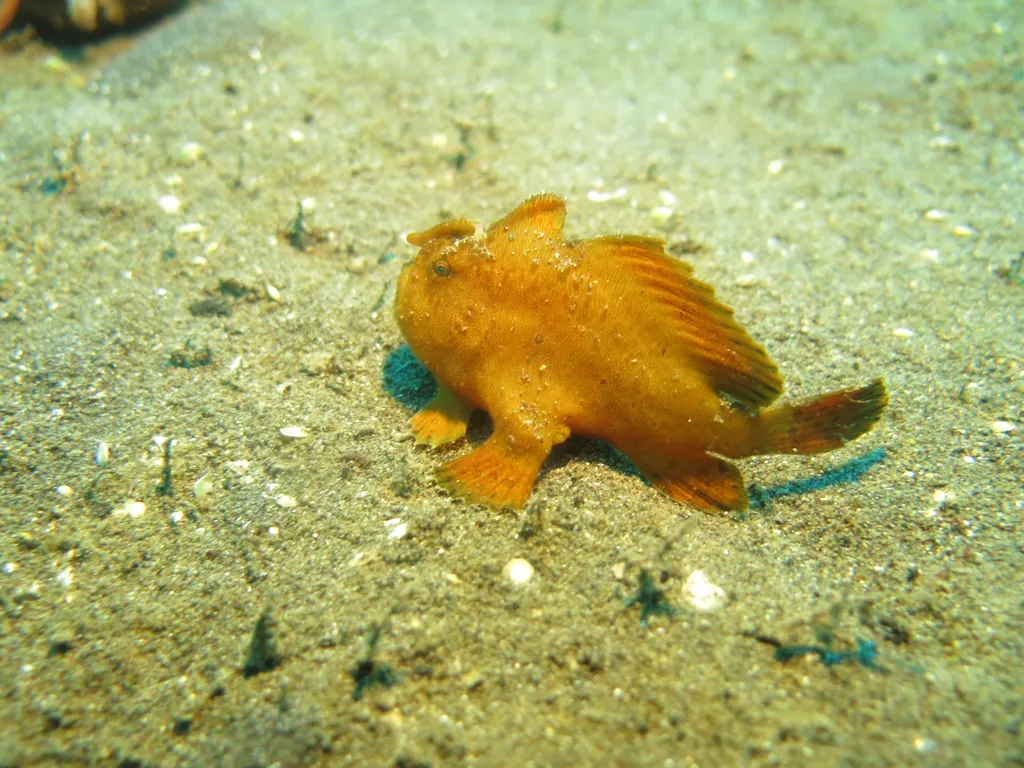
Photo by Manuae / CC BY-SA 3.0 via Wikimedia Commons
🧭 Where Guides Find Them
Start with site-faithful residents on shallow sheltered reefs (5–20 m). Lembeh Strait, Anilao muck, Dauin sanctuaries, Tulamben, Romblon, Alor, and Nusa Penida sponge gardens are reliable. Scan sponge barrels, coral rubble, and artificial debris at a glacial pace—guides often know last week's color morph.
👀 Search Technique
Look for wrong texture or color on a sponge or rubble patch: a lump too round, spots too regular, or a slight eye glint at an angle with your torch. If the esca is waving, the fish is hunting; if tucked, it may be digesting or wary.
📷 Photo Approach
- Shoot low and parallel to show spotting patterns; top-down shots flatten the fish into a blob
- Pre-focus on the eye; expect little movement until a strike or walk
- Snoot or inward strobes help separate bold patterns from busy sponge backgrounds
- Capture walking or lure-flicking behavior—often more compelling than another static portrait
⚠️ Ethics & Buoyancy
Painted frogfishes tolerate close approaches but hate silt and fin wash. Never poke the fish or flick the lure to "pose" it. Kneeling in muck destroys the site. If it jets away, let it go—chasing stresses the animal and ruins behavior shots for the next team.
Best Places to Dive with Painted Frogfish
Lembeh
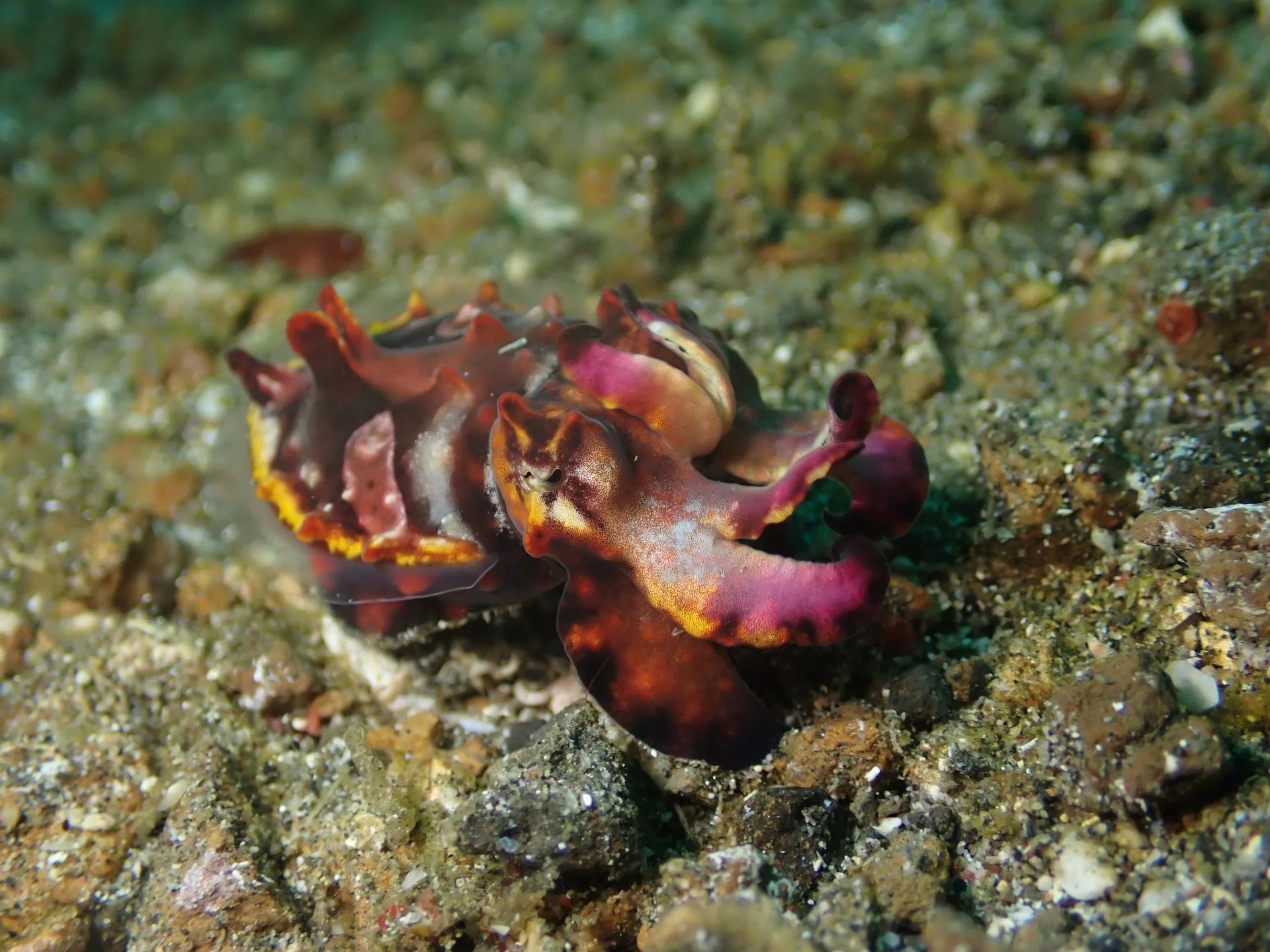
The Lembeh Strait in North Sulawesi has become famous as the muck‑diving capital of the world. At first glance its gently sloping seabed of black volcanic sand, rubble and discarded debris looks bleak. Look closer and it is teeming with weird and wonderful life: hairy and painted frogfish, flamboyant cuttlefish, mimic and blue‑ringed octopuses, ornate ghost pipefish, tiny seahorses, shrimp, crabs and a rainbow of nudibranchs. Most dives are shallow and calm with little current, making it an ideal playground for macro photographers. There are a few colourful reefs for a change of scenery, but Lembeh is all about searching the sand for critter treasures.
Anilao
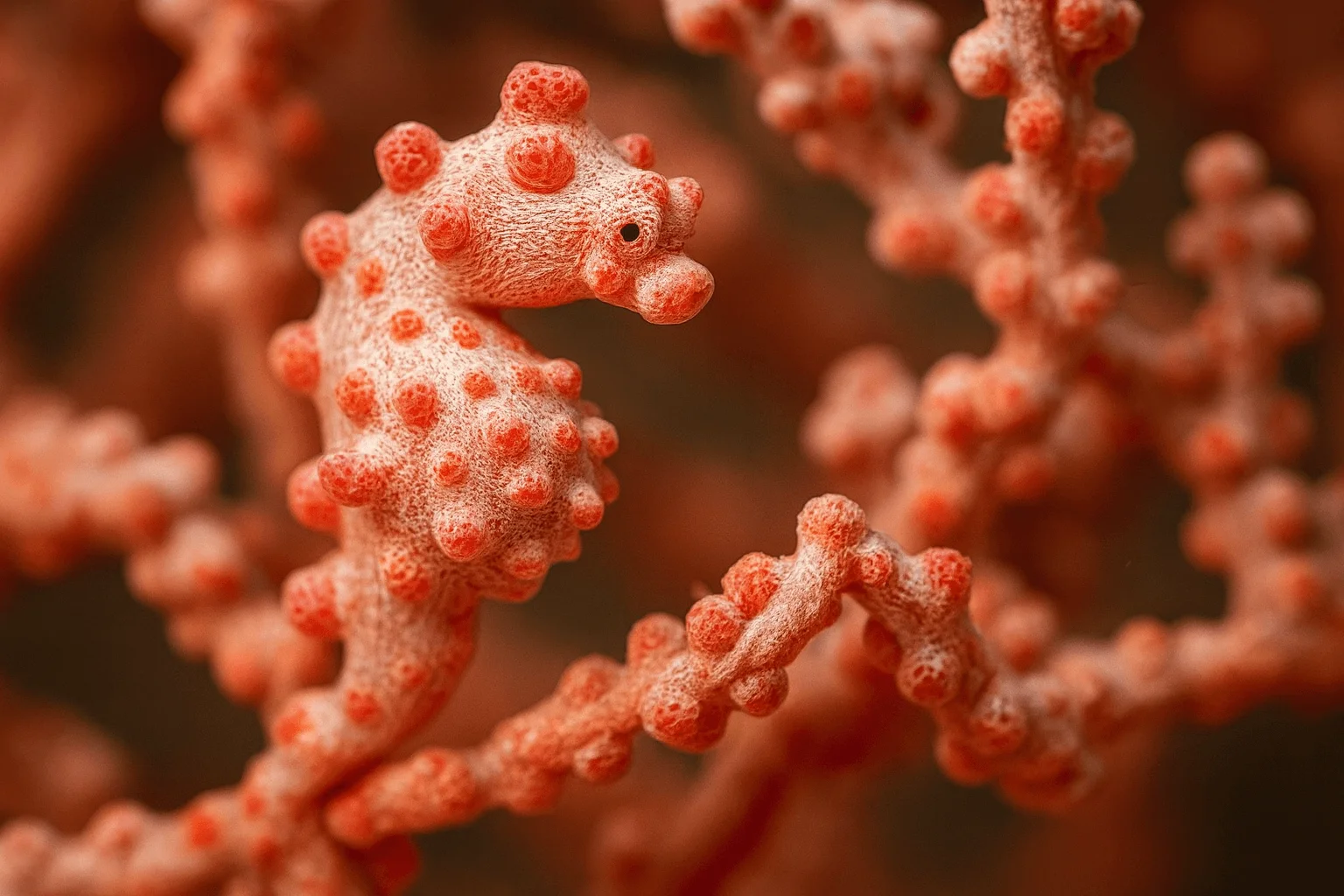
Anilao, a small barangay in Batangas province just two hours south of Manila, is often called the macro capital of the Philippines. More than 50 dive sites fringe the coast and nearby islands, offering an intoxicating mix of coral‑covered pinnacles, muck slopes and blackwater encounters. Critter enthusiasts come for the legendary muck dives at Secret Bay and Anilao Pier, where mimic octopuses, blue‑ringed octopuses, wonderpus, seahorses, ghost pipefish, frogfish and dozens of nudibranch species lurk in the silt. Shallow reefs like Twin Rocks and Cathedral are covered in soft corals and teem with reef fish, while deeper sites such as Ligpo Island feature gorgonian‑covered walls and occasional drift. Because Anilao is so close to Manila and open year‑round, it’s the easiest place in the Philippines to squeeze in a quick diving getaway.
Dumaguete
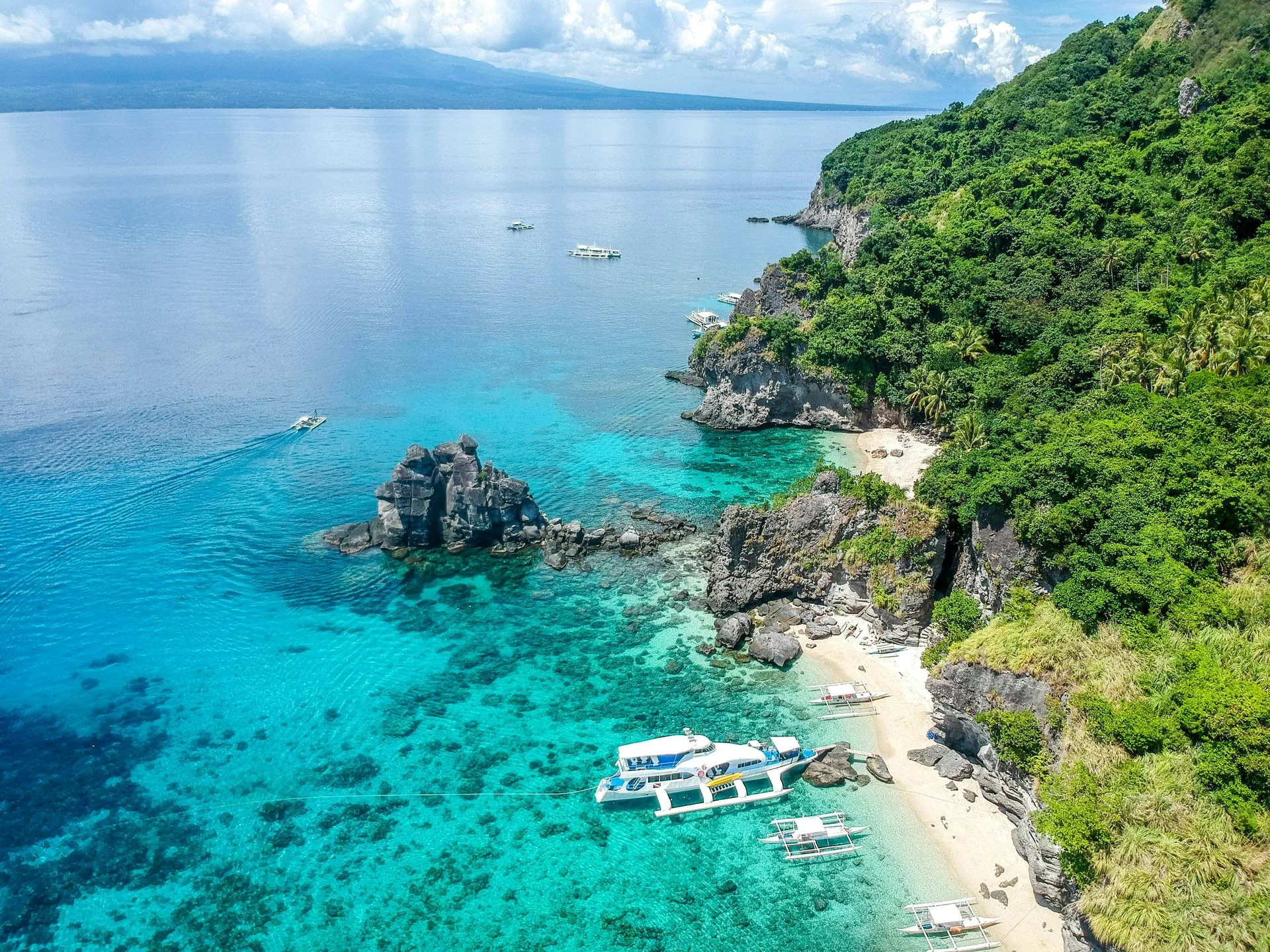
Dumaguete on the southeast coast of Negros is the jumping‑off point for some of the Philippines’ most diverse diving. Along the nearby town of Dauin, a series of shallow marine sanctuaries and black‑sand slopes hide critters galore: frogfish, flamboyant cuttlefish, mimic octopus, ghost pipefish, seahorses, pipefish and nudibranchs. Artificial reefs made from car tyres and pyramids provide extra habitat. Offshore, Apo Island’s walls and plateaus burst with hard and soft corals, schooling jacks and barracudas, and friendly green turtles. With day trips to Oslob’s whale sharks or Bais’ dolphin‑watching, and excursions to nearby Siquijor, Dumaguete offers a perfect mix of macro muck diving and classic coral reefs.
Tulamben(Bali)
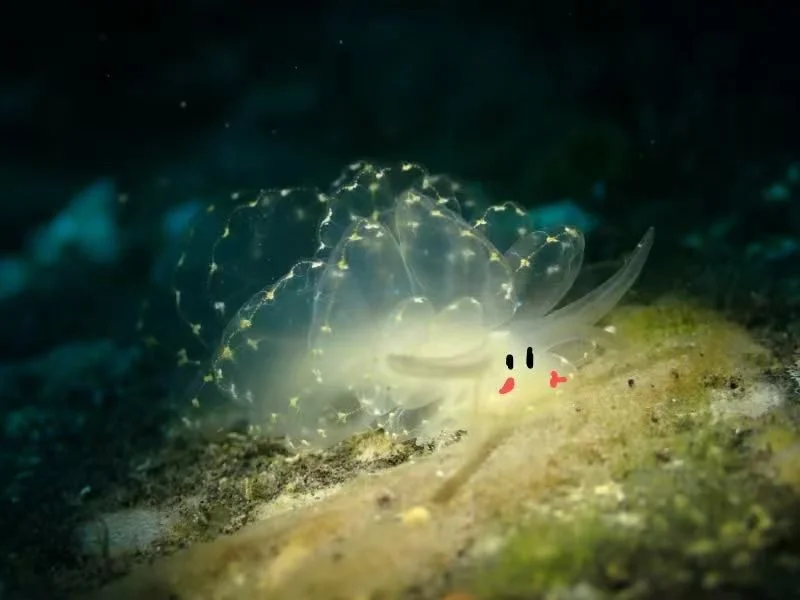
Tulamben sits on Bali’s northeast coast and is best known for the USAT Liberty shipwreck – a 125‑metre cargo ship torpedoed in WWII that now lies just a short swim from shore. Warm water, mild currents and straightforward shore entries make diving here relaxed for all levels. Besides the wreck, divers can explore coral gardens, black‑sand muck sites and dramatic drop‑offs. Macro lovers will find nudibranchs, ghost pipefish, mimic octopus and pygmy seahorses, while big‑fish fans can encounter schooling jackfish, bumphead parrotfish and reef sharks. With a compact coastline packed with variety, Tulamben delivers world‑class wreck and critter diving without long boat rides.
Alor
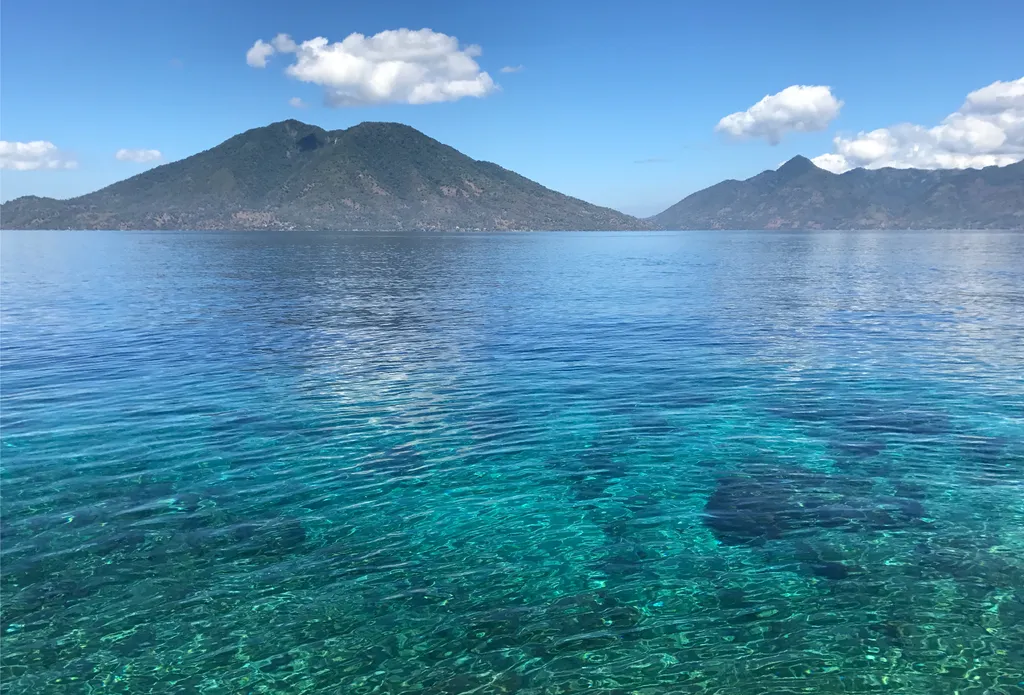
Alor rewards a trip that moves between two very different kinds of diving. In Pantar Strait, walls and coral slopes meet moving water, with schooling fish along exposed edges. Inside Kalabahi Bay, volcanic sand, rubble and silty bottoms turn the dive into a slow search for small animals. The diving area spans the shores of Alor, Pantar and Pura; where you stay affects which of these habitats fits comfortably into a boat day. Water movement explains much of the variation. Cold water enters the strait from the south, and local operators associate upwelling and stronger currents with new and full moons. A warm surface does not tell you what awaits below: a thermocline can change both the temperature and the demands of a dive. Site choice matters more than a single forecast for the archipelago. Build the itinerary around reefs, walls and macro life, with large animals as a possible encounter. There is no dependable shared season for hammerheads, mola or threshers on which to base a booking. A guide who can switch between exposed sites and sheltered searches is more useful than a fixed list of promised sightings.
Romblon
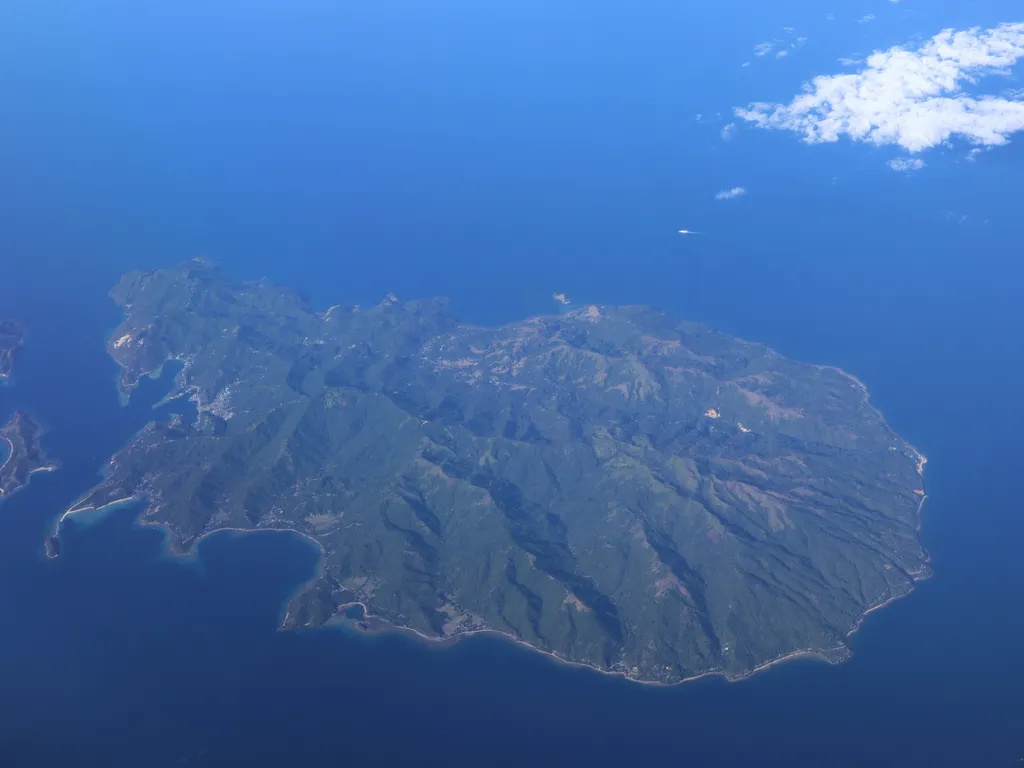
Romblon is the Philippines' quiet answer to Lembeh—a province of small islands in the Sibuyan Sea where muck slopes, fan-coral walls and marine sanctuaries stack up without the resort sprawl. Most divers base in Lonos on Romblon Island, a short hop from Tablas, and spend days hopping between black-sand critter hunts and healthier reef drops. Signature finds include wunderpus, flamboyant cuttlefish, blue-ringed octopus, four pygmy seahorse species, Melibe colemani and Cyerce nudibranchs, plus eagle rays, sea snakes and schooling fish on the outer sites. Add a chimney dive at The Blue Hole on Tablas, cavern walls at Agpanabat, and night blackwater drifts over Romblon Pass when you want something stranger than another frogfish portrait.
Nusa Penida
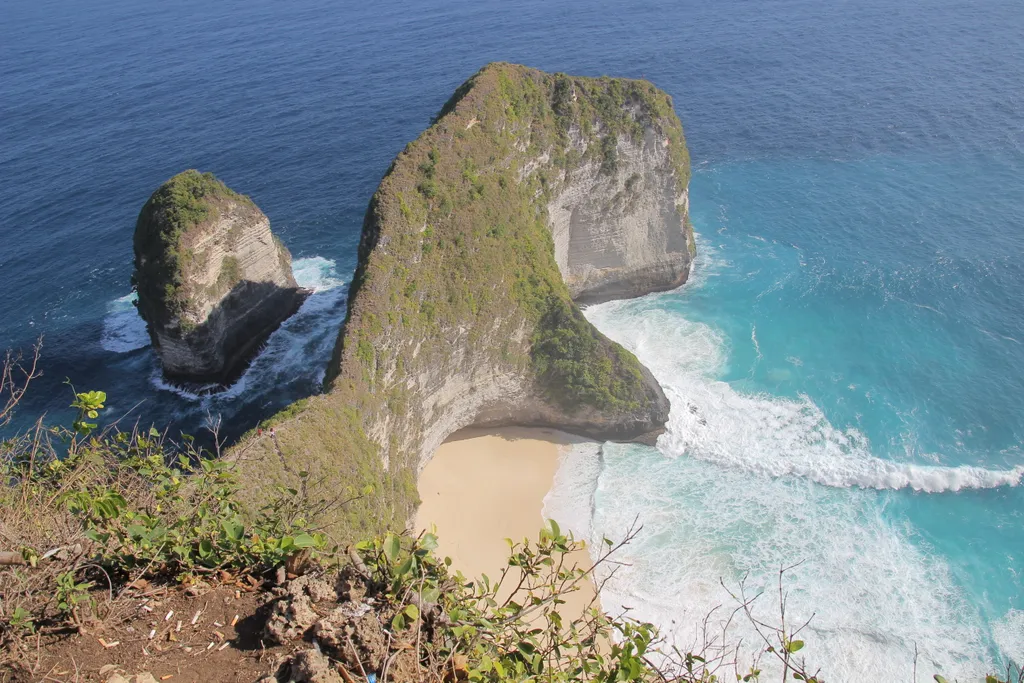
Nusa Penida is the big island in Bali's Nusa trio—and the one divers actually book a week for. The Lombok Strait funnels nutrient-rich water past sheer cliffs and deep channels, so even "easy" north-coast sites can turn into exhilarating drifts when the tide flips. South and west coasts deliver the headline acts: reef mantas at Manta Point and Manta Bay, and July–October ocean sunfish at Crystal Bay when cold thermoclines stack under 25 °C surface water. Most experienced divers base on Penida itself (Toyapakeh, Sampalan, or the north villages) rather than commuting from Sanur—early boats beat the swell, and you want slack-water windows for the south. The north-coast string—SD, PED, Sental, Buyuk—is where you rack up pretty reef drifts between manta days. Bring your AOW, respect the guides on current calls, and pack a thicker wetsuit for August thermoclines.
Wakatobi
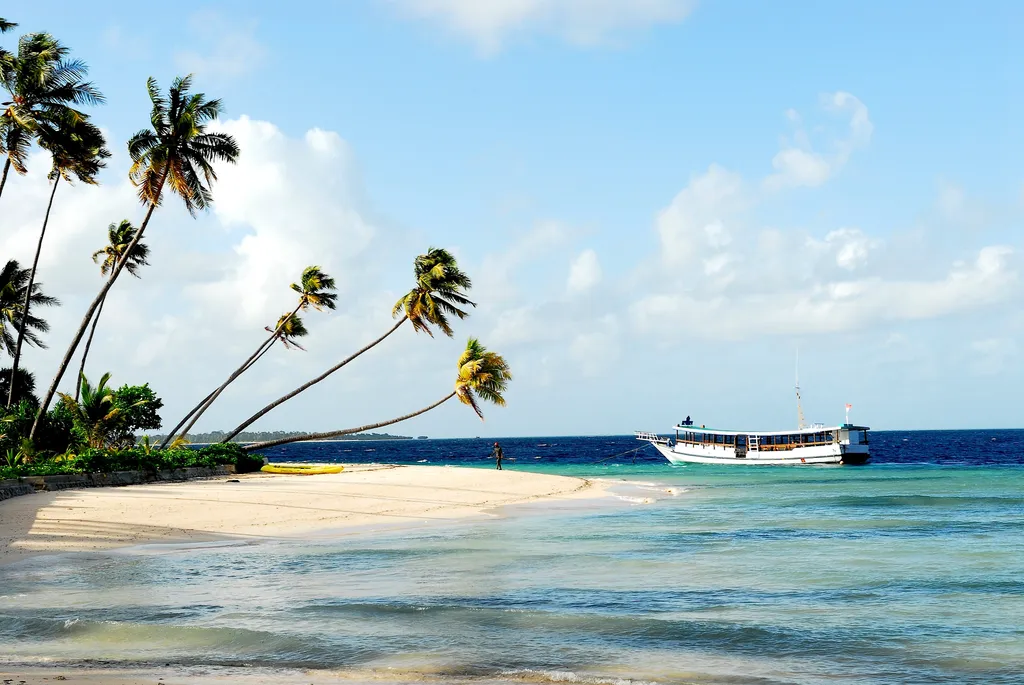
Wakatobi National Park sits on the southeastern rim of Sulawesi, named from its four main islands—Wangi-Wangi, Kaledupa, Tomia, and Binongko. It holds some of the healthiest coral coverage in the Coral Triangle, with walls, seamounts, and fringing reefs that marine biologists still treat as a reference system. Visibility regularly hits 30 m and can stretch past 50 m on calm outer-reef days. Currents are usually mild and predictable, so you get long bottom times on colorful hard-coral gardens instead of fighting blue water. The signature experience is Wakatobi’s House Reef—walk-in shore diving a short swim from the jetty—backed by more than 40 day-boat sites, from beginner pinnacles like Roma to the knife-edge walls of Blade.

Aliwal Shoal
Aliwal Shoal is a fossilised sandstone dune five kilometres off Umkomaas on KwaZulu-Natal's South Coast — a rugged subtropical reef punched with caves, swim-throughs and gullies, not a tropical coral garden. Divers come for sharks: winter packs ragged-tooth sharks (grey nurse / sand tigers) into Cathedral and Raggies Cave; summer brings baited blue-water dives where tiger sharks and blacktips work the chum slick. Two classic wrecks — Produce and Nebo — sit just off the Crown for advanced boat dives. Mornings are beach kit-up, RIB, then launch through the surf. The ride to the shoal is 15–20 minutes when the Mkomazi mouth behaves. Inside the Aliwal Shoal MPA the topography jumps between overhangs, chunnels and sandy patches crowded with ribbontail rays. Visibility swings 5–25 m with plankton and river runoff; water runs 19–27°C. Bring a 5–7 mm or semi-dry and comfort in surge — Aliwal suits experienced recreational divers more than brand-new Open Water students.