
Shortnose Sea Moth
Eurypegasus draconis
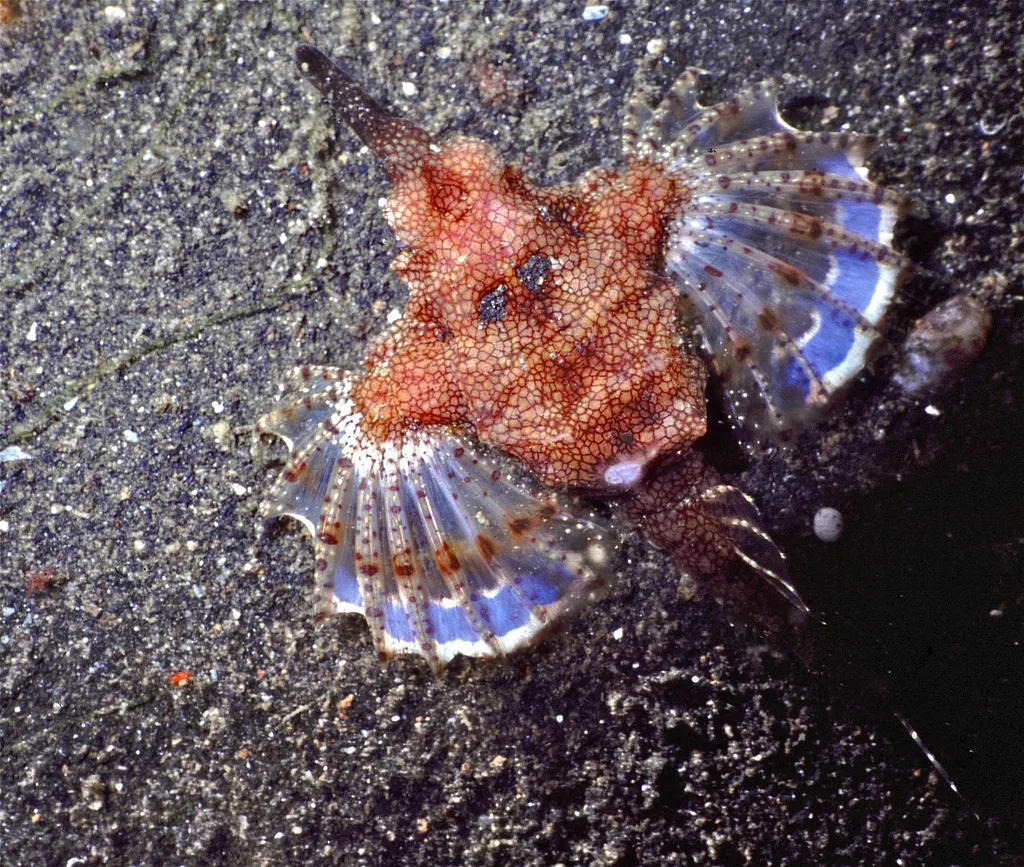
Photo by Bernard DUPONT from FRANCE / CC BY-SA 2.0 via Wikimedia Commons
The Shortnose Sea Moth (Eurypegasus draconis) looks like someone crossed a seahorse with a armored beetle and dropped it on the sand. Pegasidae are close kin to pipefish and seahorses, but these fish walk on modified pectoral fins, stir sediment with wing-like beats, and vanish against rubble by flattening their plated bodies. At 4–8 cm they are a classic muck-macro prize—not because they are impossible, but because they read as "just another shell fragment" until a guide points them out.
Indo-West Pacific from the Red Sea to Japan, Australia, and French Polynesia. Offshore literature emphasizes deeper sand and rubble (often 35–90 m), yet Lembeh, Anilao, Romblon, and Philippine muck sites regularly produce shallow pairs on black sand. Monogamous pairs cruise slowly together; watching them feed—sifting tiny crustaceans and worms from the sediment-water interface—is one of the stranger behaviors on a critter dive.
🔬Classification
📏Physical Features
🌊Habitat Info
⚠️Safety & Conservation
Identification Guide
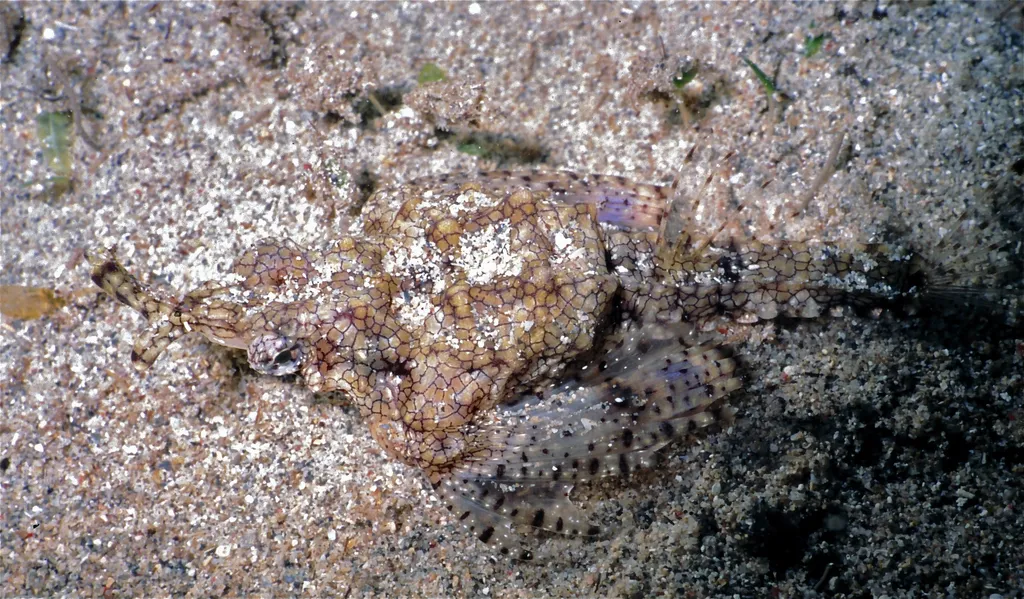
Photo by Bernard DUPONT from FRANCE / CC BY-SA 2.0 via Wikimedia Commons
Hunt open sand, shell rubble, and mixed muck—not coral walls. Sea moths are benthic walkers, not hoverers on reef crests.
Key Field Marks
- Stocky, armored body encased in fused dermal plates (wider than slender Pegasus volitans)
- Short, thick tubular rostrum (snout) compared to the longnose sea moth
- Wing-like pectoral fins spread flat while walking; tail often curled to one side
- Mottled brown, olive, beige, or grey—matches rubble and broken shell
Search Pattern
Ask guides for "pegasus" or sea moth on sand stations. Scan for pairs moving slowly in synchrony. Motion is the giveaway: a flat plate that glides a few centimeters, pauses, then fans sediment. Night dives sometimes catch them resting more openly on rubble.
Confusions
- Pegasus volitans (longnose sea moth) is slimmer with a longer snout—rarer at many sites
- Dead shell fragments do not walk, fan sand, or show paired eye spots on a plated head
Top 10 Fun Facts about Shortnose Sea Moth
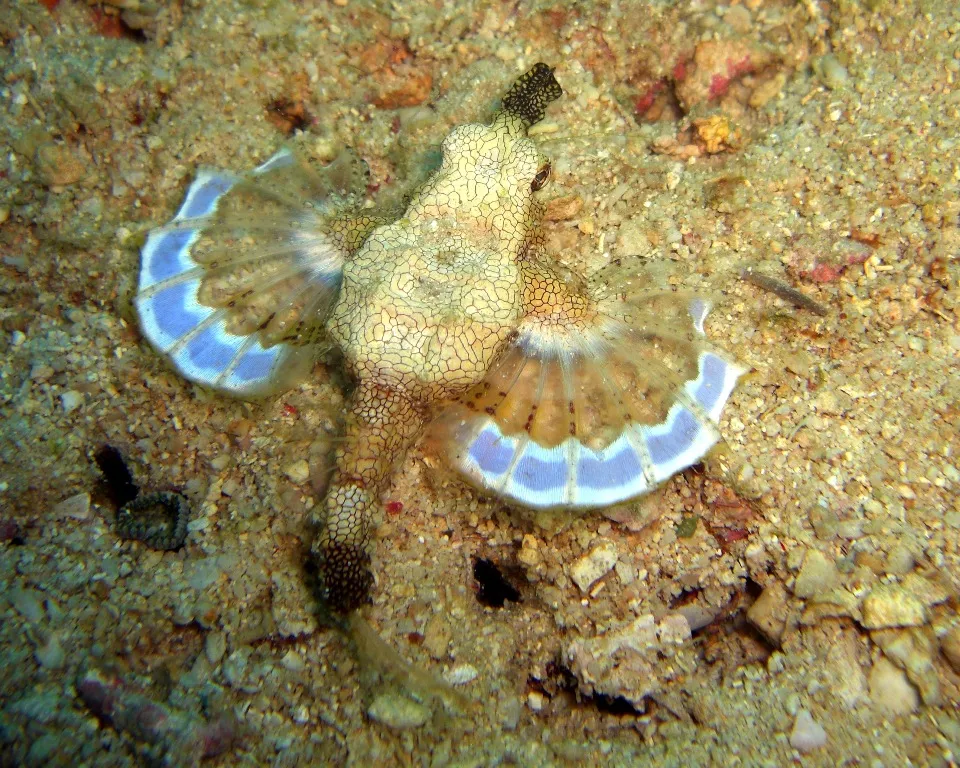
Photo by images-photos-plongee.com / CC BY-SA 3.0 via Wikimedia Commons
1. They Walk on Wings
Pegasidae modified their pectoral fins into broad "wings" used for bottom locomotion—more crawling than swimming. On sand you watch a tiny armored skate shuffle forward.
2. Seahorse Cousins with Armor
Syngnathiformes heritage shows in the tubular snout and fused body plates, but sea moths traded vertical cling-and-curl for horizontal rubble mimicry.
3. Pairs Are the Norm
Adults commonly occur in monogamous pairs on muddy substrates, staying close while feeding. Spot one—pause and the partner is usually within a body length.
4. They Shed Skin in One Jump
Research notes periodic full-skin sheds executed with a rapid jump—likely shedding accumulated sediment ballast that would break camouflage.
5. Sediment Sifters, Not Hunters
Opportunistic benthic feeders collect epifaunal and interstitial invertebrates—small crustaceans and worms—from the sediment-water interface. The wing-fanning you see is feeding behavior.
6. Camouflage by Broken Shell
Kuiter's classic observation: they mimic pieces of broken shell on gravel and rubble. Color is deliberately boring—mottled earth tones beat flashy reef patterns here.
7. Depth Split: Literature vs. Muck Diving
FishBase and museum records emphasize 35–90 m on coarse sediment, yet compressor-fisher and diver reports from the Philippines and Indonesia document reliable shallow encounters on sand-muddy and coralline-sand substrates in sheltered sites.
8. Aquarium Trade Pressure
Philippine fishery studies document targeted collection for marine ornamentals alongside bycatch in trawls—local abundance can suffer even while global IUCN status remains Least Concern.
9. Linnaeus Named a Dragon
Eurypegasus draconis—"dragon" in the Latin epithet—reflects the winged, mythical silhouette European naturalists saw in preserved specimens. Common names include pegasus fish, short dragonfish, and dwarf seamoth.
10. Brackish Tolerance
The species enters lagoons, estuaries, and sheltered bays, sometimes among seagrass (Halophila). That adaptability explains wide Indo-Pacific records from muddy coasts to offshore rubble.
Diving & Observation Notes
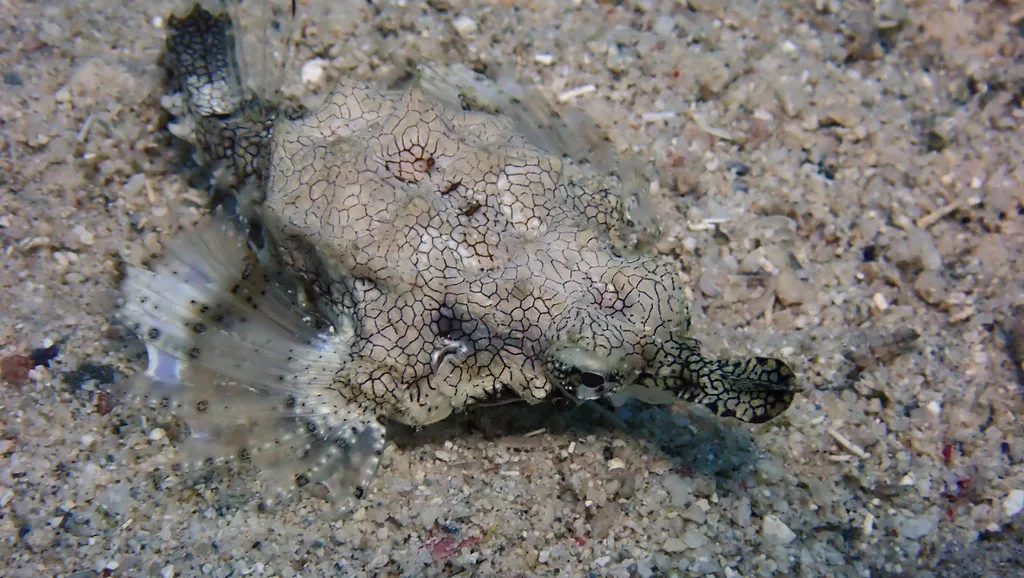
Photo by DavidLorieux / CC BY-SA 4.0 via Wikimedia Commons
🧭 Finding Stations
Brief for sea moth / pegasus on sand—not nudibranch walls. Productive sites: Lembeh black sand, Anilao muck, Romblon rubble slopes, Dumaguete and Puerto Galera sandy bays, Mabul and Sipadan-area sand patches, Tulamben volcanic rubble, Raja Ampat lagoon edges, Wakatobi sand channels. Pairs on open substrate beat searching coral heads.
🤿 Approach & Behavior
Move low and slow. They tolerate careful observers but bolt if you stir a silt cloud or land knee-first on their patch. Stay down-current so exhaust bubbles drift away. If one walks, follow at fin-tip distance—chasing with big fin kicks loses them instantly in suspended sediment.
📷 Photo Tips
Standard macro (60–100 mm) usually suffices—no super-macro diopter required. Shoot low and side-on to show wing-like pectorals and plated profile; top-down shots read as brown smudges. A snoot or narrow beam helps separate the pair from grey sand without blasting the whole bottom.
🤝 Ethics
Do not collect, flip, or relocate sea moths for photos—they are slow, paired, and historically targeted by the aquarium trade. Avoid fanning sand aggressively; leave the station intact for the next group.
Best Places to Dive with Shortnose Sea Moth
Lembeh
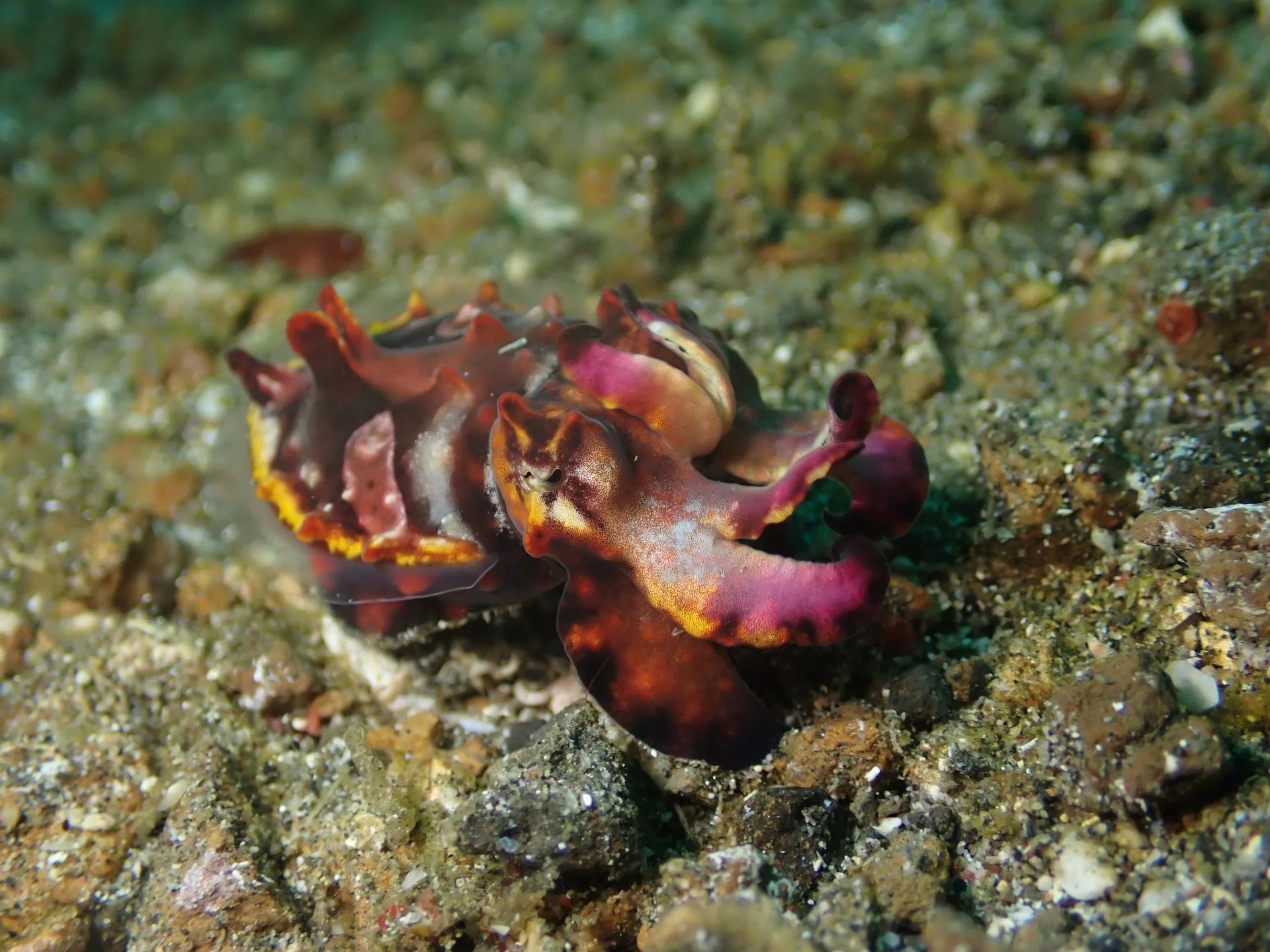
The Lembeh Strait in North Sulawesi has become famous as the muck‑diving capital of the world. At first glance its gently sloping seabed of black volcanic sand, rubble and discarded debris looks bleak. Look closer and it is teeming with weird and wonderful life: hairy and painted frogfish, flamboyant cuttlefish, mimic and blue‑ringed octopuses, ornate ghost pipefish, tiny seahorses, shrimp, crabs and a rainbow of nudibranchs. Most dives are shallow and calm with little current, making it an ideal playground for macro photographers. There are a few colourful reefs for a change of scenery, but Lembeh is all about searching the sand for critter treasures.
Anilao
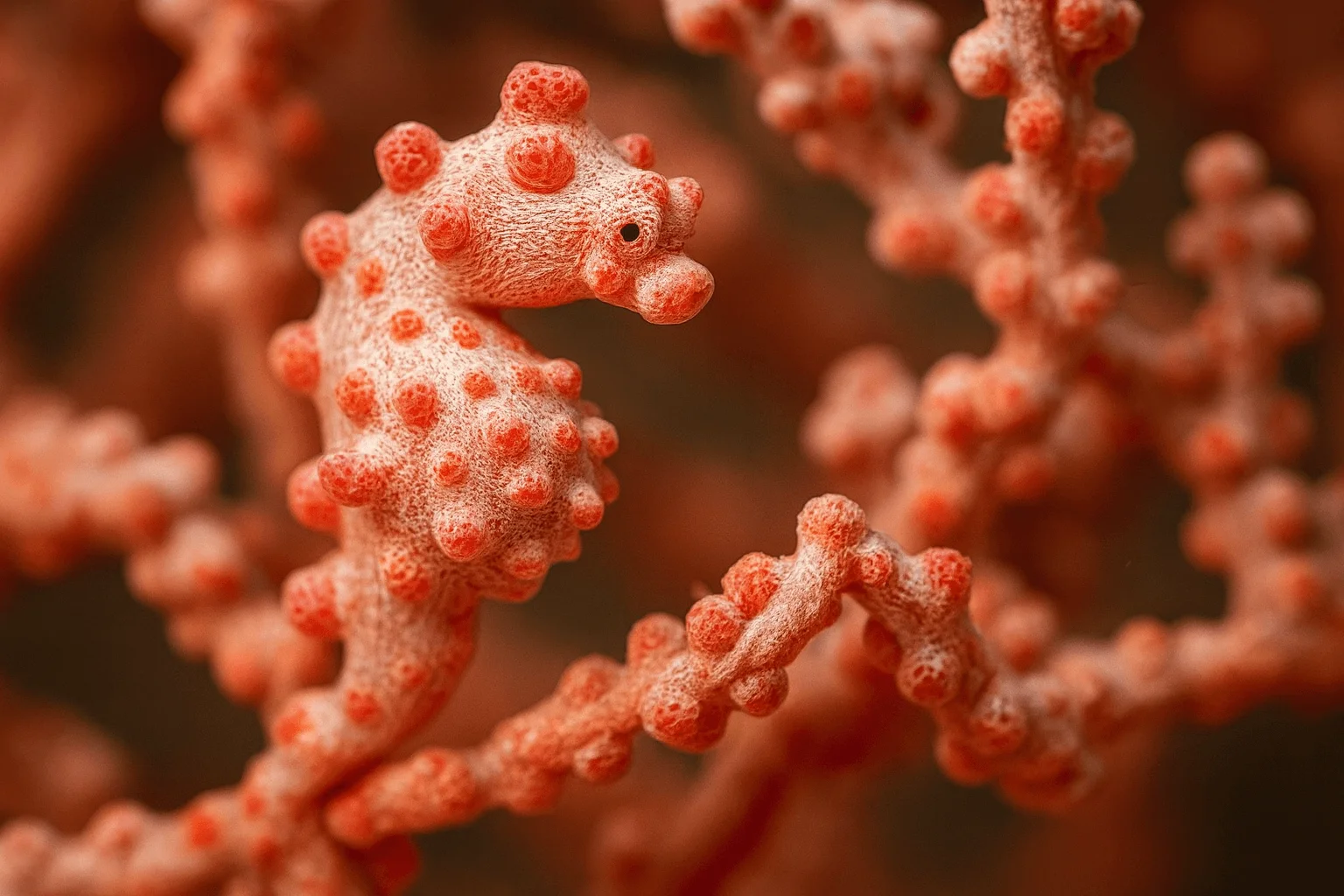
Anilao, a small barangay in Batangas province just two hours south of Manila, is often called the macro capital of the Philippines. More than 50 dive sites fringe the coast and nearby islands, offering an intoxicating mix of coral‑covered pinnacles, muck slopes and blackwater encounters. Critter enthusiasts come for the legendary muck dives at Secret Bay and Anilao Pier, where mimic octopuses, blue‑ringed octopuses, wonderpus, seahorses, ghost pipefish, frogfish and dozens of nudibranch species lurk in the silt. Shallow reefs like Twin Rocks and Cathedral are covered in soft corals and teem with reef fish, while deeper sites such as Ligpo Island feature gorgonian‑covered walls and occasional drift. Because Anilao is so close to Manila and open year‑round, it’s the easiest place in the Philippines to squeeze in a quick diving getaway.
Romblon
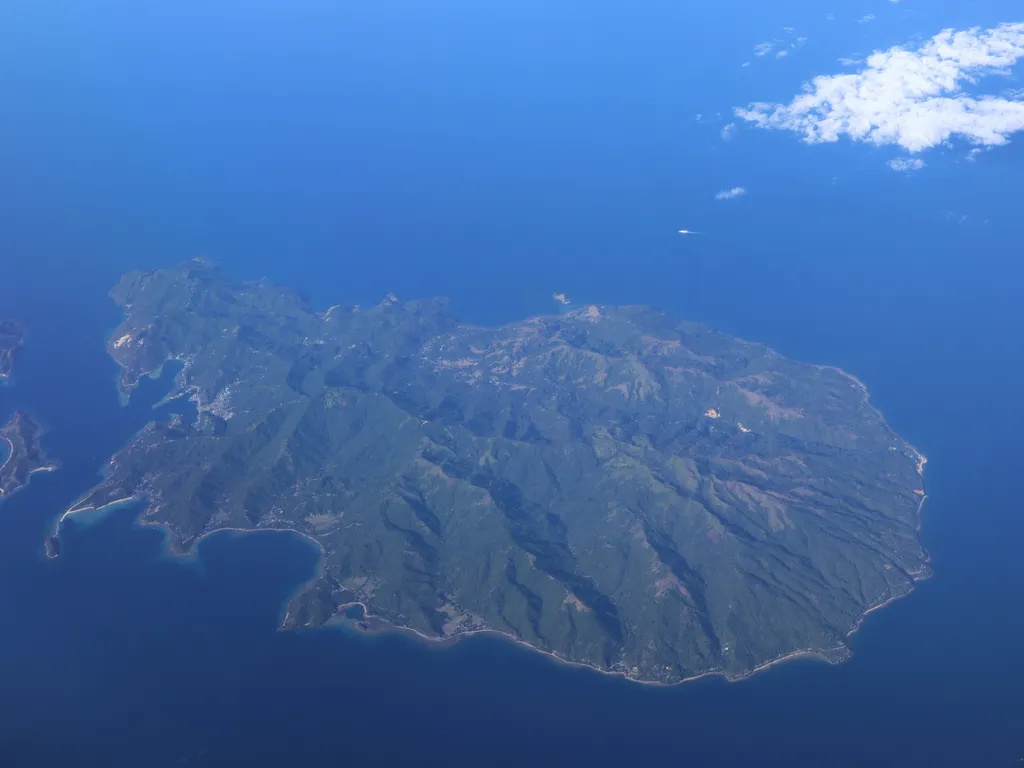
Romblon is the Philippines' quiet answer to Lembeh—a province of small islands in the Sibuyan Sea where muck slopes, fan-coral walls and marine sanctuaries stack up without the resort sprawl. Most divers base in Lonos on Romblon Island, a short hop from Tablas, and spend days hopping between black-sand critter hunts and healthier reef drops. Signature finds include wunderpus, flamboyant cuttlefish, blue-ringed octopus, four pygmy seahorse species, Melibe colemani and Cyerce nudibranchs, plus eagle rays, sea snakes and schooling fish on the outer sites. Add a chimney dive at The Blue Hole on Tablas, cavern walls at Agpanabat, and night blackwater drifts over Romblon Pass when you want something stranger than another frogfish portrait.
Dumaguete
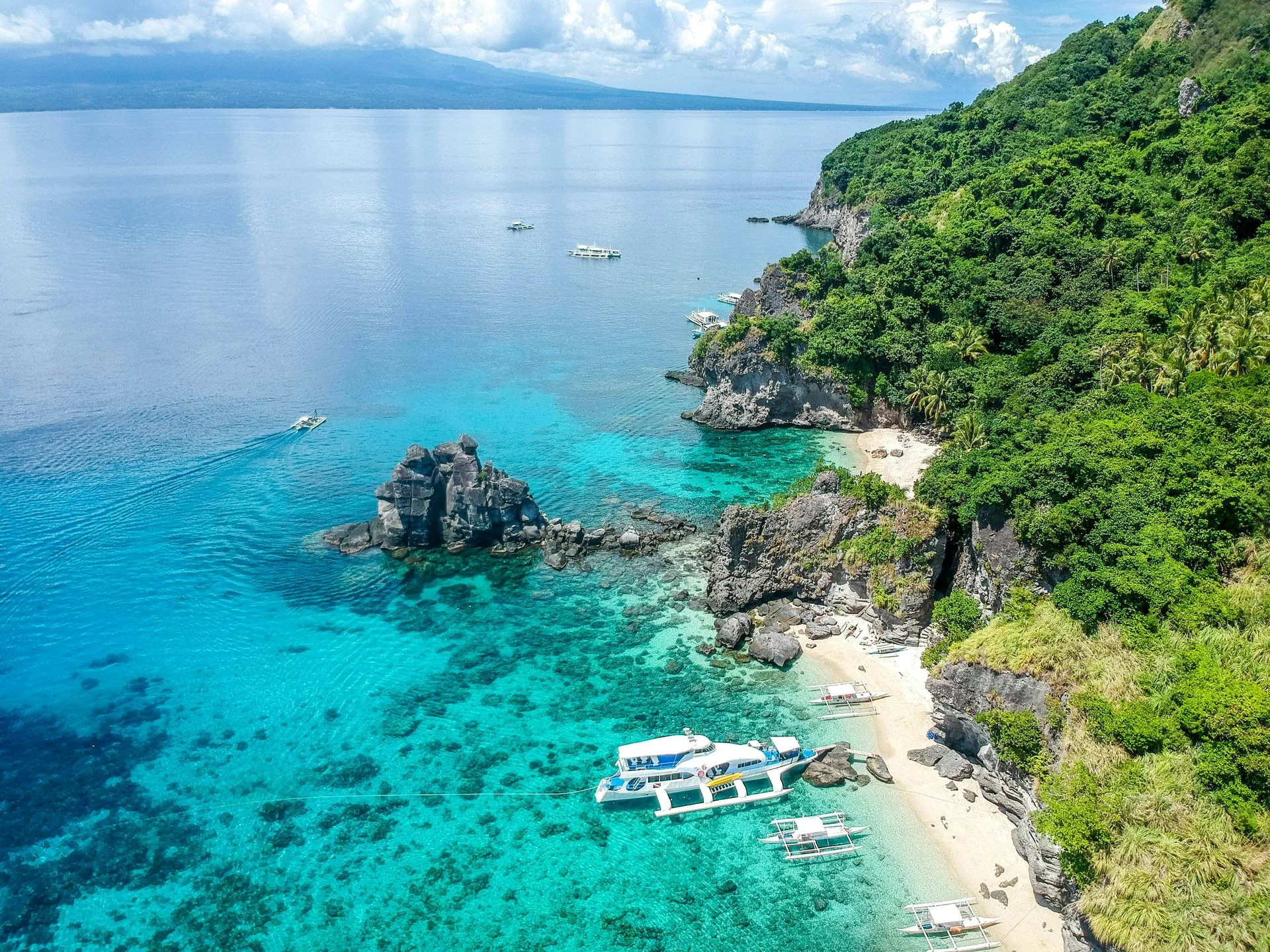
Dumaguete on the southeast coast of Negros is the jumping‑off point for some of the Philippines’ most diverse diving. Along the nearby town of Dauin, a series of shallow marine sanctuaries and black‑sand slopes hide critters galore: frogfish, flamboyant cuttlefish, mimic octopus, ghost pipefish, seahorses, pipefish and nudibranchs. Artificial reefs made from car tyres and pyramids provide extra habitat. Offshore, Apo Island’s walls and plateaus burst with hard and soft corals, schooling jacks and barracudas, and friendly green turtles. With day trips to Oslob’s whale sharks or Bais’ dolphin‑watching, and excursions to nearby Siquijor, Dumaguete offers a perfect mix of macro muck diving and classic coral reefs.
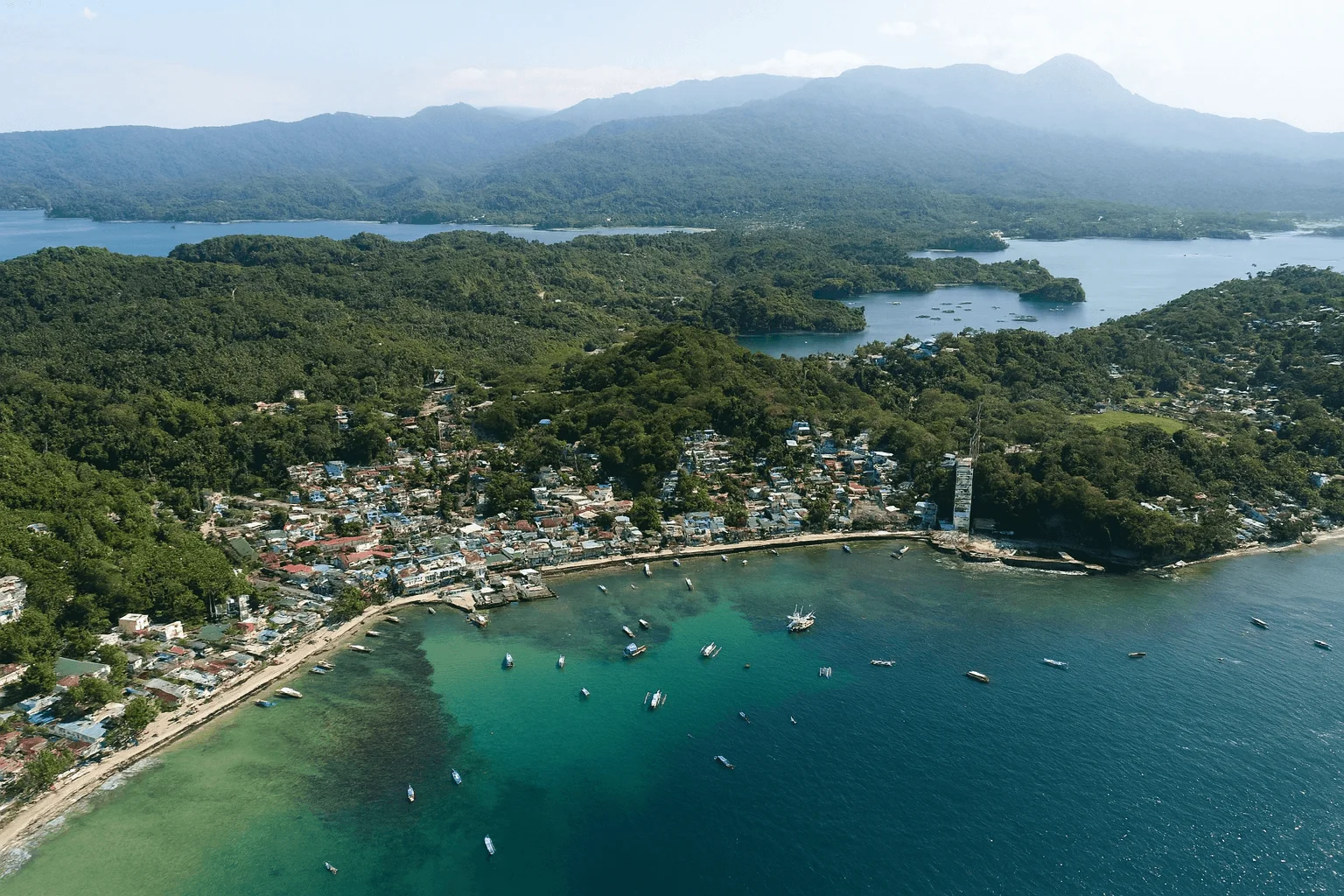
Puerto Galera
Puerto Galera sits on the northeast tip of Mindoro Island in the Philippines and has long been rated among Asia’s best and most diverse diving areas. The town faces the Verde Island Passage – part of the Coral Triangle – so its reefs host an incredible mix of hard and soft corals, seahorses, frogfish and other critters alongside schooling jacks and occasional pelagics. More than forty sites line the bays and headlands around Sabang and Small La Laguna, meaning everything from easy house‑reef dives and shallow muck sites to current‑swept canyons and colourful wrecks is only a short boat ride away. Currents are governed by the lunar cycle; strong spring tides around full and new moon create exciting drift dives, while neap tides offer gentle conditions that are perfect for macro photography. Because the water stays warm all year (27–30 °C) and visibility often reaches 15–30 m, Puerto Galera attracts both beginners and experienced divers seeking a fun, affordable destination with lively nightlife on land.
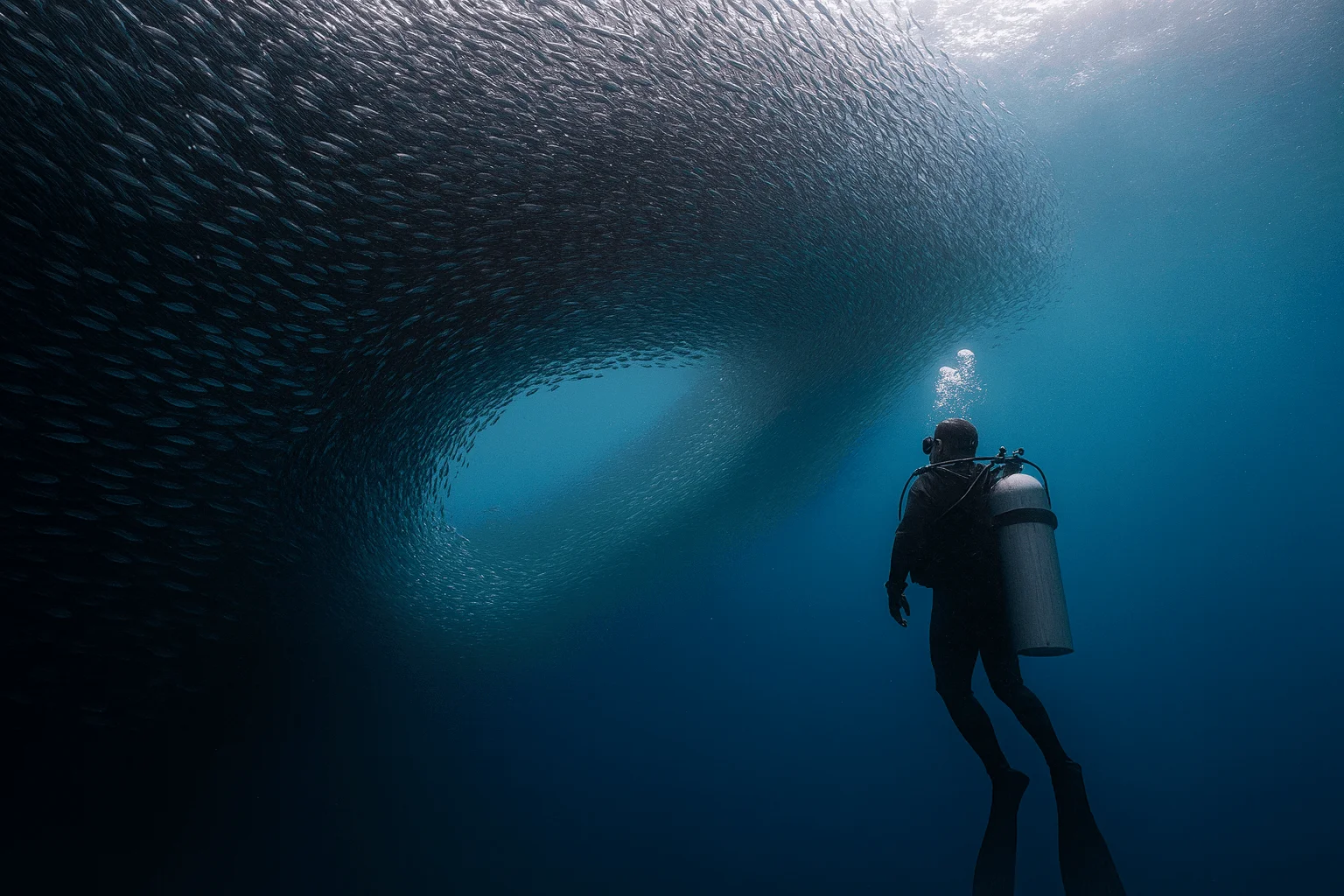
Moalboal
Moalboal is a laid‑back beach town on the west coast of Cebu known for its spectacular sardine run and easy access to Pescador Island. Vast clouds of millions of sardines swirl just off Panagsama Beach all year, creating a shimmering wall of fish that you can dive or snorkel through. Just offshore, the limestone island of Pescador offers steep walls, caverns and canyons covered in hard and soft corals; turtles, sea snakes, frogfish, schooling jacks and the occasional thresher or whitetip reef shark can be seen here. Many other sites along the coast feature shallow coral gardens and sandy slopes teeming with nudibranchs, cuttlefish and reef fish, making Moalboal perfect for both beginners and experienced divers.
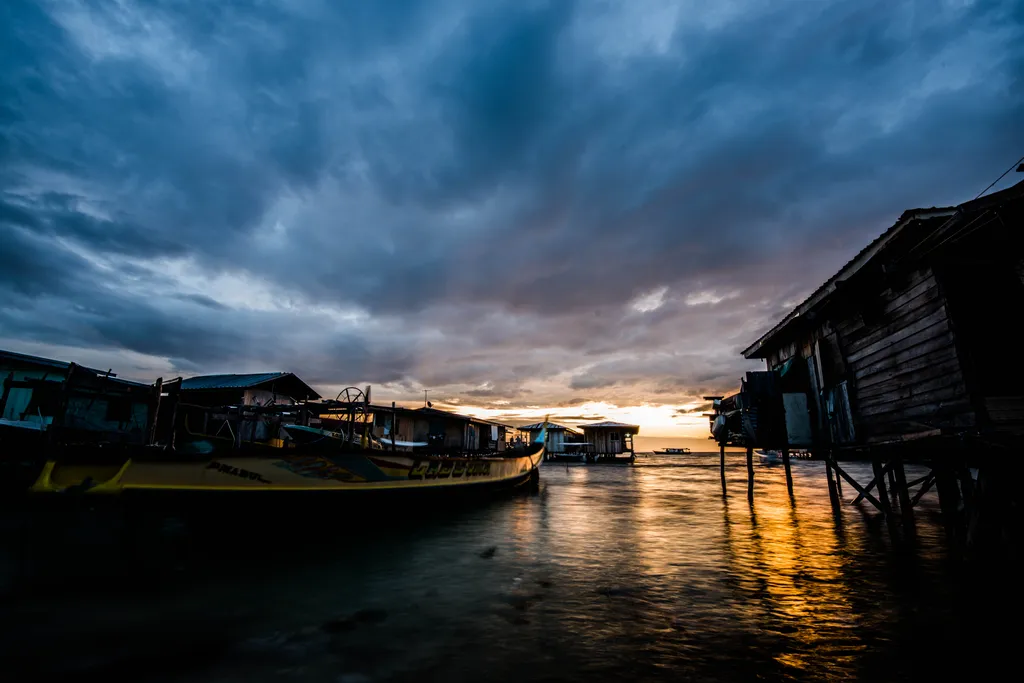
Mabul
Mabul is where you come to slow down and stare at sand. The island sits in the Semporna archipelago off eastern Sabah — a flat, palm-fringed speck ringed by shallow rubble slopes, artificial reef structures, and the occasional tyre stack that macro photographers lose their minds over. Visibility rarely tops 15 m and nobody cares: frogfish the size of your thumb, flamboyant cuttlefish pulsing purple and yellow, blue-ring octopus tucked in rubble, ornate ghost pipefish, ribbon eels, pygmy seahorses in sea fans, and nudibranchs on every spare surface. This is muck diving with resort convenience — walk from your bungalow to the boat, three dives before lunch, rinse and repeat. The signature sites circle the island and nearby Seaventures rig: Froggy Lair and Crocodile Avenue for classic critter hunts, Lobster Wall and Eel Garden when you want a bit of structure, Paradise 1 & 2 for mixed reef-and-rubble variety. Night dives here are excellent — mandarinfish mating dances at dusk, bobtail squid and Spanish dancer nudibranchs after dark. Most resorts run house-reef dives and unlimited shore access between boat trips. Sipadan's barracuda tornadoes and sheer walls are 45 minutes away by speedboat, and many packages include a day or two on permit — but that's the side dish. Base yourself on Mabul for a week of macro and you won't feel cheated if the permit lottery doesn't go your way. Bring a macro lens, a patient dive guide, and low expectations for viz; bring high expectations for critters.
Tulamben(Bali)
Tulamben sits on Bali’s northeast coast and is best known for the USAT Liberty shipwreck – a 125‑metre cargo ship torpedoed in WWII that now lies just a short swim from shore. Warm water, mild currents and straightforward shore entries make diving here relaxed for all levels. Besides the wreck, divers can explore coral gardens, black‑sand muck sites and dramatic drop‑offs. Macro lovers will find nudibranchs, ghost pipefish, mimic octopus and pygmy seahorses, while big‑fish fans can encounter schooling jackfish, bumphead parrotfish and reef sharks. With a compact coastline packed with variety, Tulamben delivers world‑class wreck and critter diving without long boat rides.
Raja Ampat
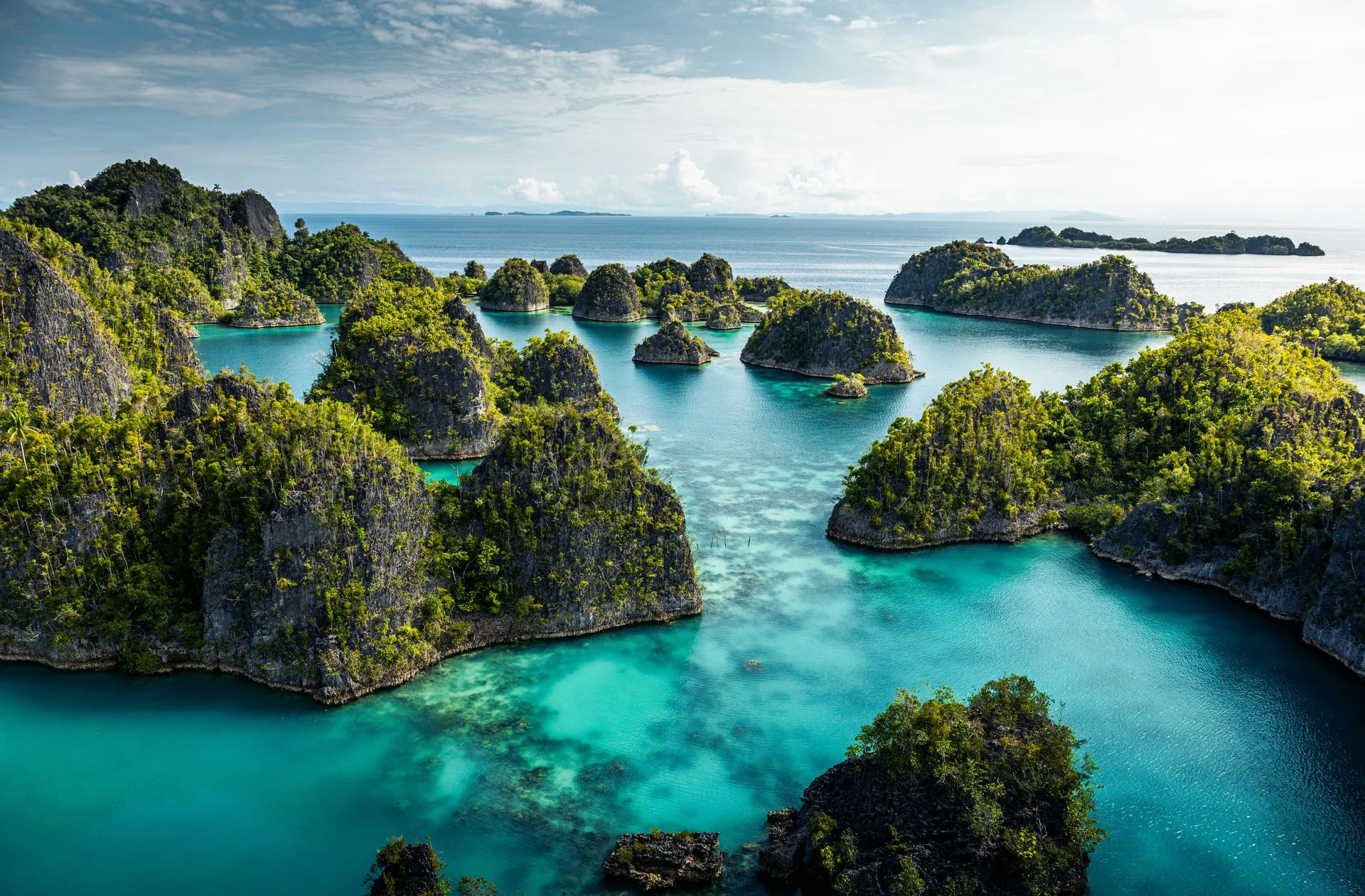
Raja Ampat, the “Four Kings,” is an archipelago of more than 1,500 islands at the edge of Indonesian West Papua. Its reefs sit in the heart of the Coral Triangle, where Pacific currents funnel nutrients into shallow seas and feed the world’s richest marine biodiversity. Diving here means gliding over colourful walls and coral gardens buzzing with more than 550 species of hard and soft corals and an estimated 1,500 fish species. You’ll meet blacktip and whitetip reef sharks on almost every dive, witness giant trevally and dogtooth tuna hunting schools of fusiliers, and encounter wobbegong “carpet” sharks, turtles, manta rays and dolphins. From cape pinnacles swarming with life to calm bays rich in macro critters, Raja Ampat offers endless variety. Above water, karst limestone islands and emerald lagoons provide spectacular scenery between dives.
Wakatobi
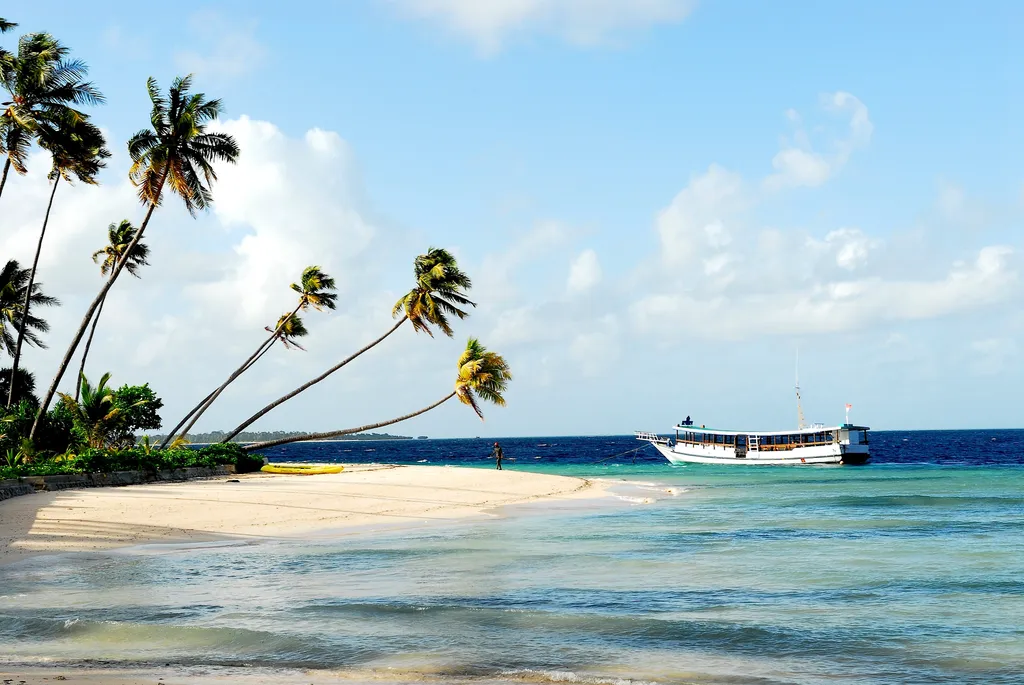
Wakatobi National Park sits on the southeastern rim of Sulawesi, named from its four main islands—Wangi-Wangi, Kaledupa, Tomia, and Binongko. It holds some of the healthiest coral coverage in the Coral Triangle, with walls, seamounts, and fringing reefs that marine biologists still treat as a reference system. Visibility regularly hits 30 m and can stretch past 50 m on calm outer-reef days. Currents are usually mild and predictable, so you get long bottom times on colorful hard-coral gardens instead of fighting blue water. The signature experience is Wakatobi’s House Reef—walk-in shore diving a short swim from the jetty—backed by more than 40 day-boat sites, from beginner pinnacles like Roma to the knife-edge walls of Blade.
Banda Sea
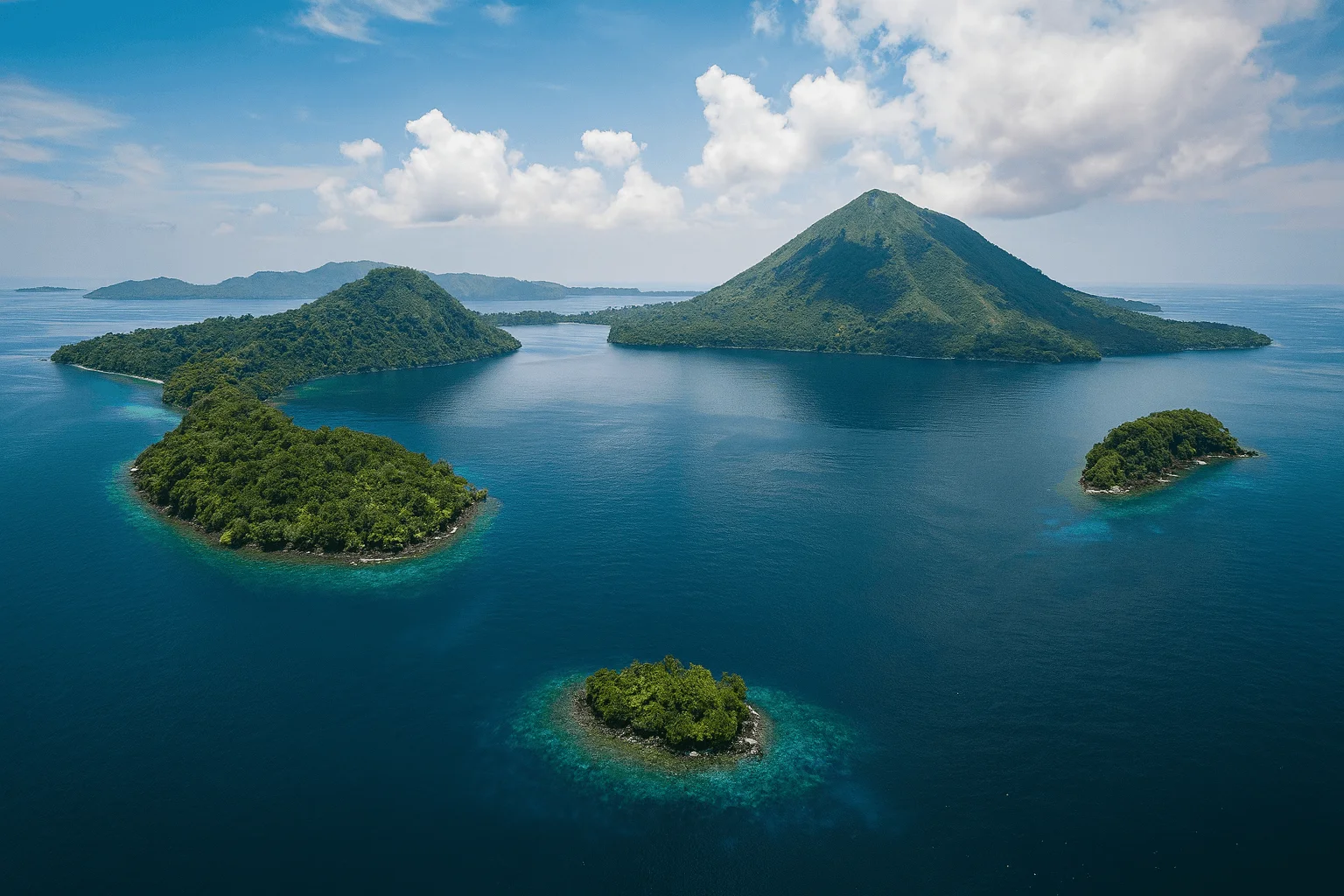
Hidden between Indonesia’s Maluku Islands lies the Banda Sea – an untouched stretch of ocean famous for its schools of hammerhead sharks and abundant sea snakes. Part of the Coral Triangle, this remote sea spans over half a million square kilometres and plunges to depths beyond 7 km. Cold, nutrient‑rich upwellings feed pristine reefs bursting with life: imagine gliding along steep walls encrusted with giant gorgonians while dogtooth tuna, thresher sharks and squadrons of mobula rays cruise past. Volcanic islands such as Manuk and Gunung Api rise from the blue, their warm vents attracting banded sea kraits by the dozen and drawing divers from all over the world. Because there are no large towns here, the Banda Sea is usually explored on liveaboards – the reward is some of Indonesia’s wildest and most exhilarating diving.
Alor
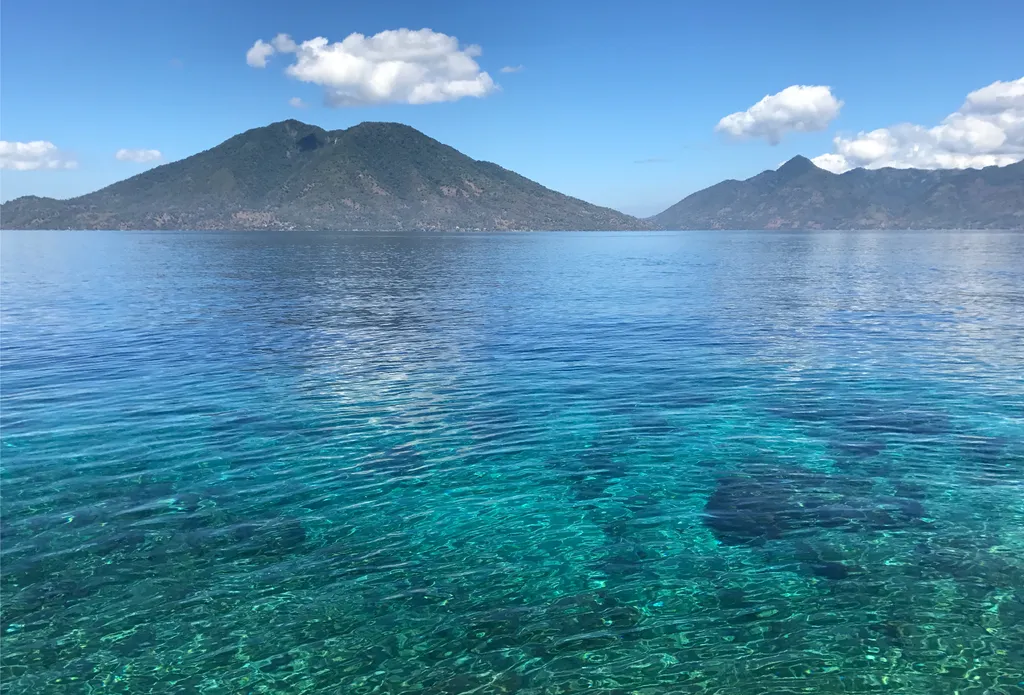
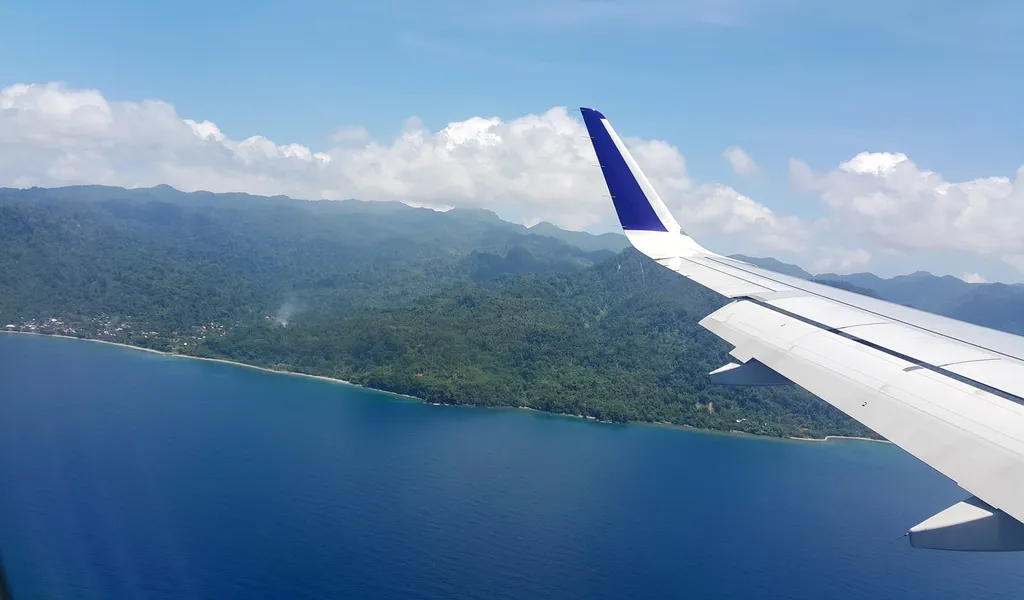
Alor rewards a trip that moves between two very different kinds of diving. In Pantar Strait, walls and coral slopes meet moving water, with schooling fish along exposed edges. Inside Kalabahi Bay, volcanic sand, rubble and silty bottoms turn the dive into a slow search for small animals. The diving area spans the shores of Alor, Pantar and Pura; where you stay affects which of these habitats fits comfortably into a boat day. Water movement explains much of the variation. Cold water enters the strait from the south, and local operators associate upwelling and stronger currents with new and full moons. A warm surface does not tell you what awaits below: a thermocline can change both the temperature and the demands of a dive. Site choice matters more than a single forecast for the archipelago. Build the itinerary around reefs, walls and macro life, with large animals as a possible encounter. There is no dependable shared season for hammerheads, mola or threshers on which to base a booking. A guide who can switch between exposed sites and sheltered searches is more useful than a fixed list of promised sightings.
Ambon
Ambon sits in Indonesia’s Maluku (Spice Islands) and is one of the world’s elite muck destinations—often ranked alongside Lembeh for rare critters, without the crowds. The heart of the action is Ambon Bay around Laha village near the airport: black volcanic sand slopes, rubble, pier posts and discarded debris that somehow host psychedelic frogfish (endemic to Ambon waters), rhinopias, flamboyant cuttlefish, mimic and wonderpus octopuses, ghost pipefish and endless nudibranchs. Most bay dives stay 5–35 m with long bottom times that photographers love. When weather allows, the south and east coasts flip the script—healthy hard coral, walls, arches at Pintu Kota, the swim-throughs of Hukurila Cave, and the critter-coated Duke of Sparta wreck. Expect modest lodging in Laha or resort packages further around the bay; July–August monsoon often closes operators.
Okinawa
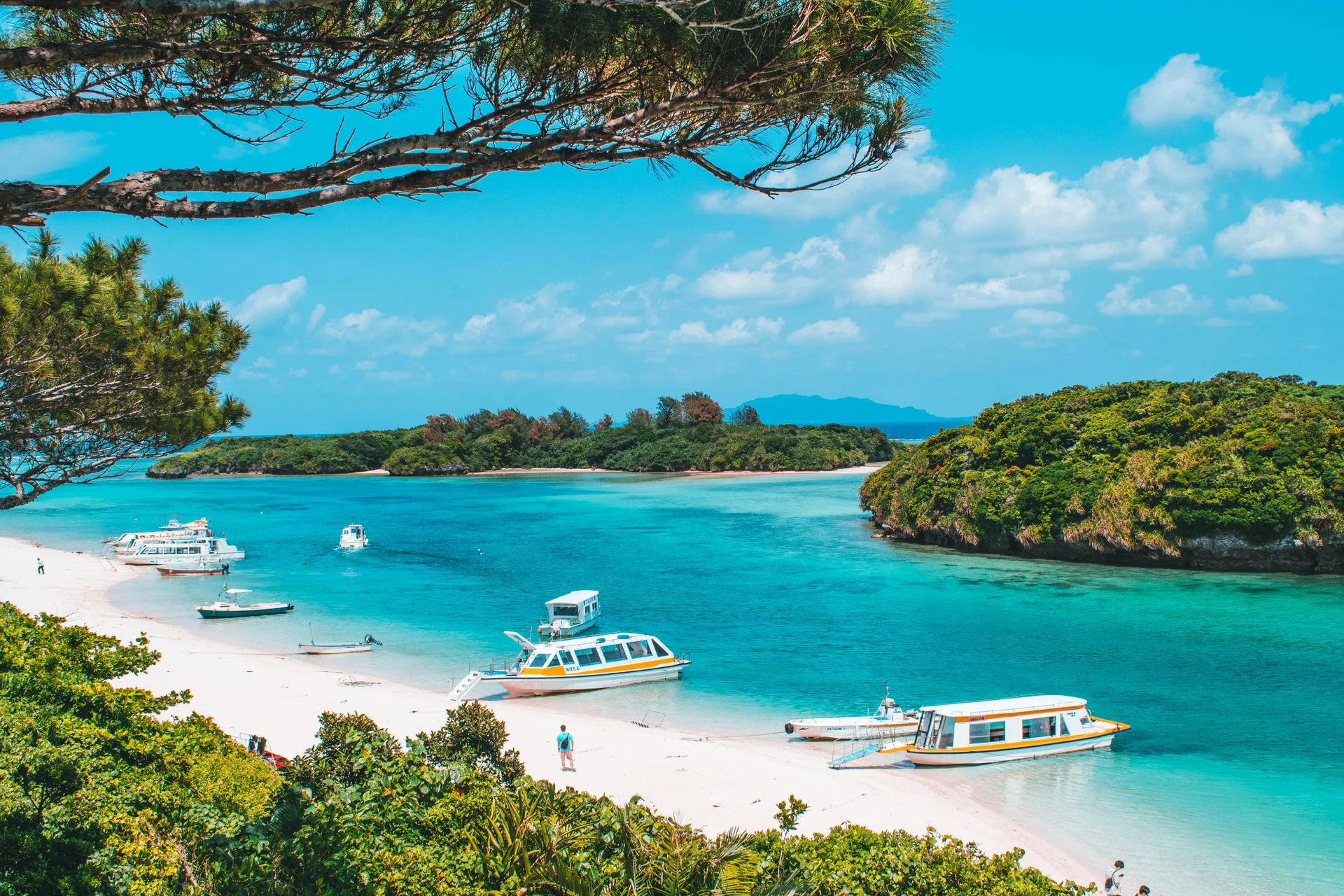
Straddling the subtropical Ryūkyū chain in Japan’s far south, Okinawa Prefecture is a mosaic of islands offering everything from shallow coral gardens to deep wrecks and wild drift dives. The main island provides easy access to the vibrant reefs of the Kerama National Park, where Tokashiki and Zamami Islands boast pristine hard corals, sea fans and more turtles than you can count. Just offshore, Cape Manza’s Dream Hole drops through a chimney into a colourful cavern system teeming with soldierfish, angelfish and feather stars. Further north, history buffs can dive the 100‑metre USS Emmons, a WWII destroyer resting intact at 35–40 m. Closer to shore, Cape Maeda’s Blue Cave offers an easy swim‑through with magical blue light – but expect crowds. Away from the main island, Okinawa’s outer islands extend the experience: Ishigaki’s Manta Scramble (April–Nov) promises manta ray ballets, Yonaguni’s currents bring hammerhead sharks in winter, and Miyako’s caves and tunnels deliver topography diving at its finest. Whether you crave reef fish, big pelagics, swim‑throughs or macro critters, Okinawa’s warm, clear waters offer a Japanese diving adventure for every level of diver.
Maldives
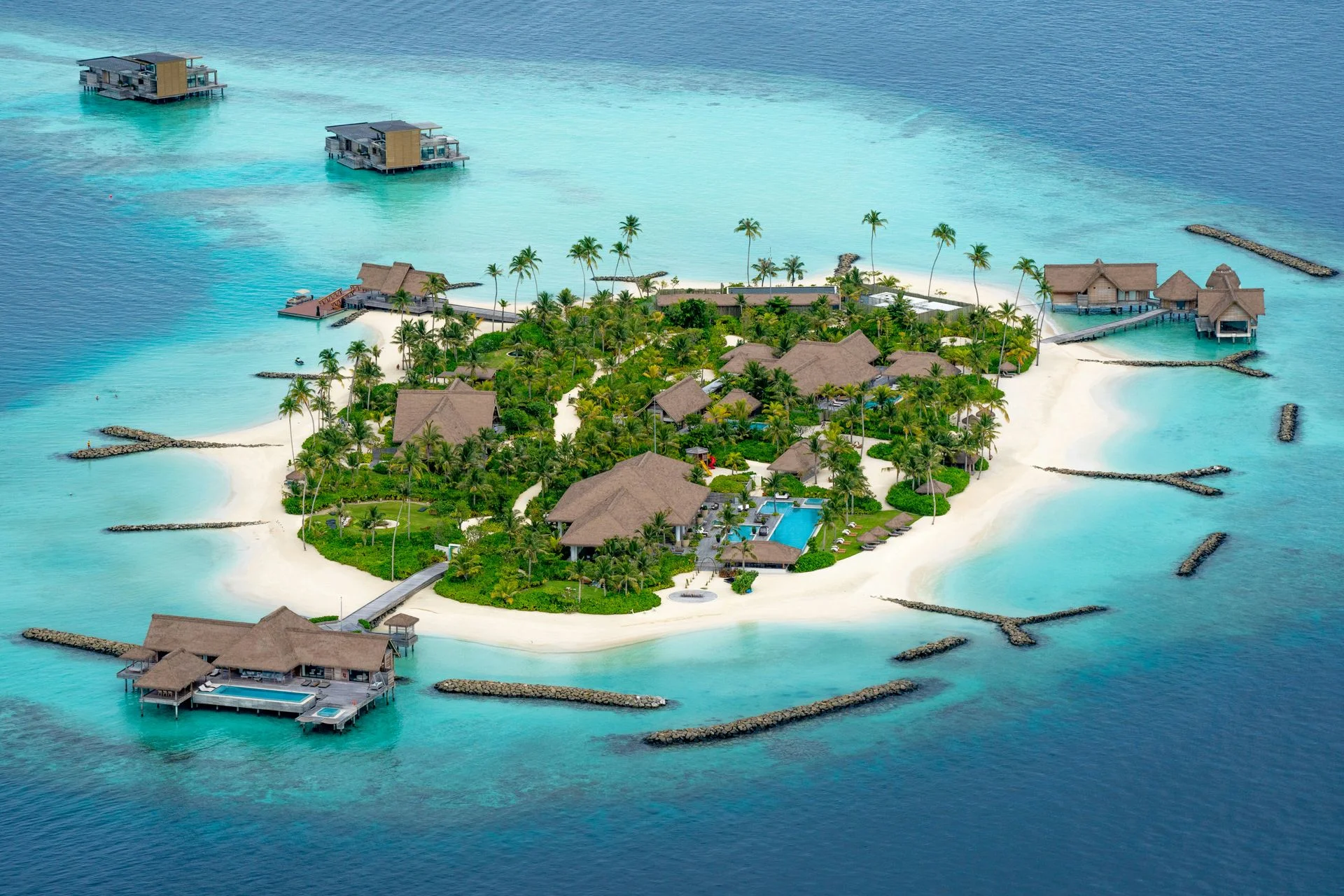
Scattered across the Indian Ocean like strings of pearls, the Maldives’ 26 atolls encompass more than a thousand low‑lying islands, reefs and sandbanks. Beneath the turquoise surface are channels (kandus), pinnacles (thilas) and lagoons where powerful ocean currents sweep past colourful coral gardens. This nutrient‑rich flow attracts manta rays, whale sharks, reef sharks, schooling jacks, barracudas and every reef fish imaginable. Liveaboards and resort dive centres explore sites such as Okobe Thila and Kandooma Thila in the central atolls, manta cleaning stations in Baa and Ari, and shark‑filled channels like Fuvahmulah in the deep south. Diving here ranges from tranquil coral slopes to adrenalin‑fuelled drifts through current‑swept passes, making the Maldives a true pelagic playground.
Ningaloo Reef
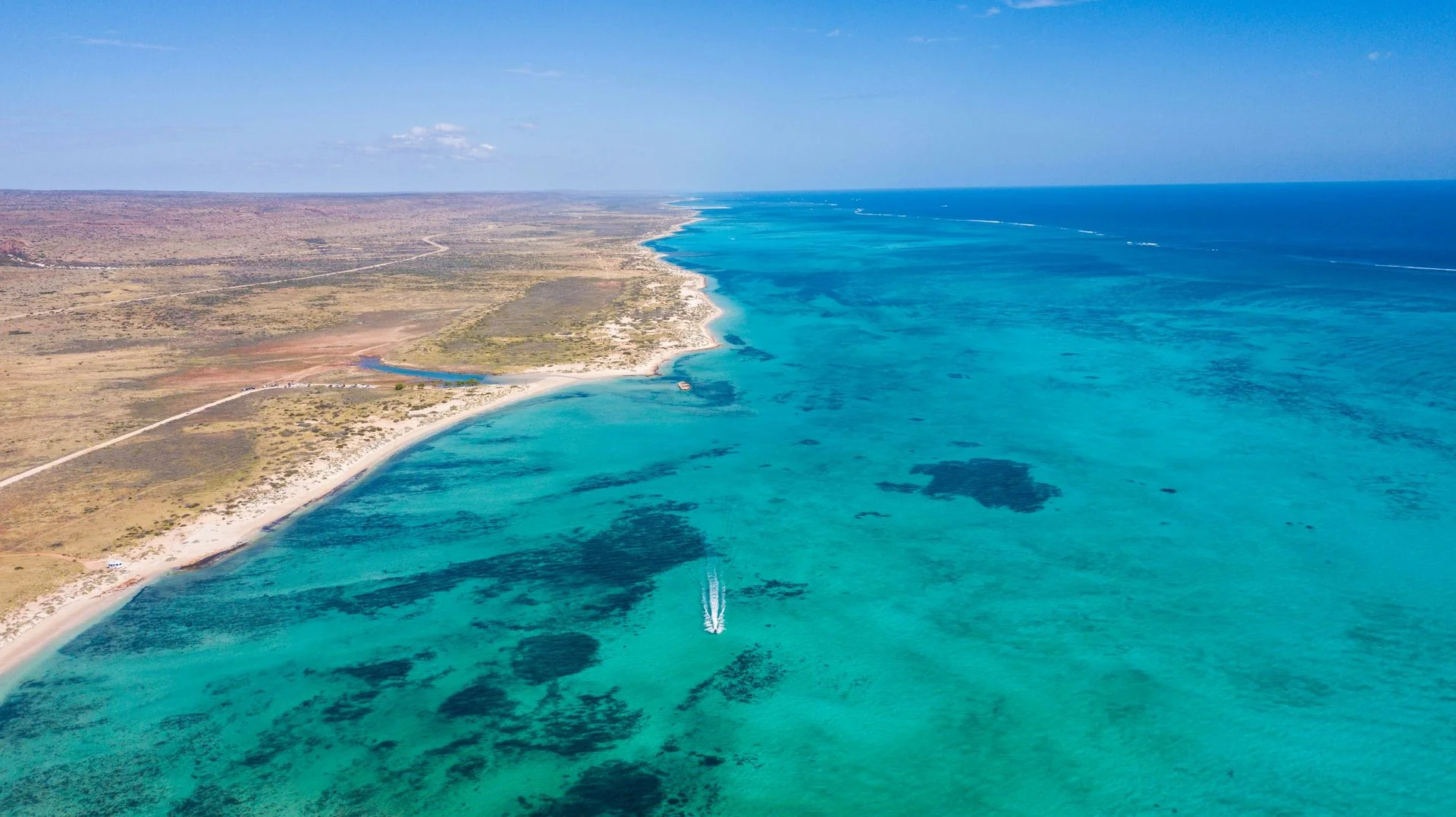
Stretching for over 300 km along Western Australia’s remote mid‑north coast, Ningaloo Reef is one of the world’s longest fringing reefs and a UNESCO World Heritage site. Unlike the barrier reefs further east, Ningaloo sits just off the beach—often no more than a few fin kicks from the shoreline—making its turquoise lagoons and outer drop‑offs incredibly accessible. The reef is famous for seasonal whale sharks (March–August) and migrating humpback whales (June–November), and its manta ray cleaning stations, dugongs, reef sharks, turtles and colourful coral gardens mean there’s always something to see. Dive operators based in Exmouth and Coral Bay offer day trips to sites like Central Station, The Canyon and the legendary Exmouth Navy Pier, as well as expeditions to the coral‑clad Murion Islands. With clear, warm water and gentle currents, Ningaloo is ideal for both snorkellers and divers seeking megafauna encounters without the crowds.
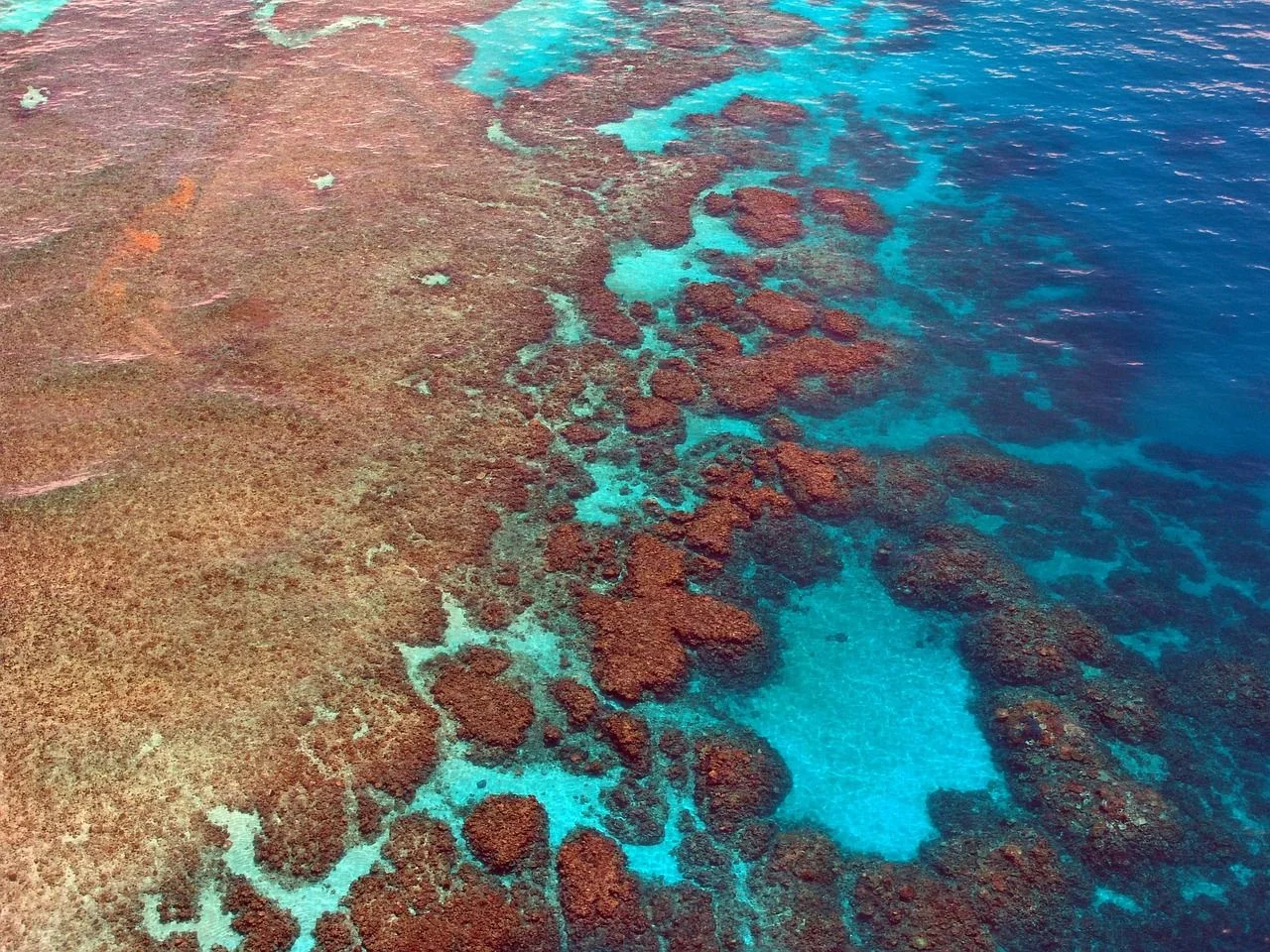
Great Barrier Reef
The Great Barrier Reef stretches for more than 2,300 km along Australia’s Queensland coast and is Earth’s largest coral ecosystem. With over 2,900 individual reefs, hundreds of islands, and a staggering diversity of marine life, it’s a bucket‑list destination for divers. Outer reef walls, coral gardens and pinnacles support potato cod, giant trevallies, reef sharks, sea turtles, manta rays and even visiting dwarf minke and humpback whales. Divers can explore historic wrecks like the SS Yongala, drift along the coral‑clad walls of Osprey Reef or mingle with friendly cod at Cod Hole. Whether you’re a beginner on a day trip from Cairns or an experienced diver on a remote liveaboard, the Great Barrier Reef offers unforgettable underwater adventures.
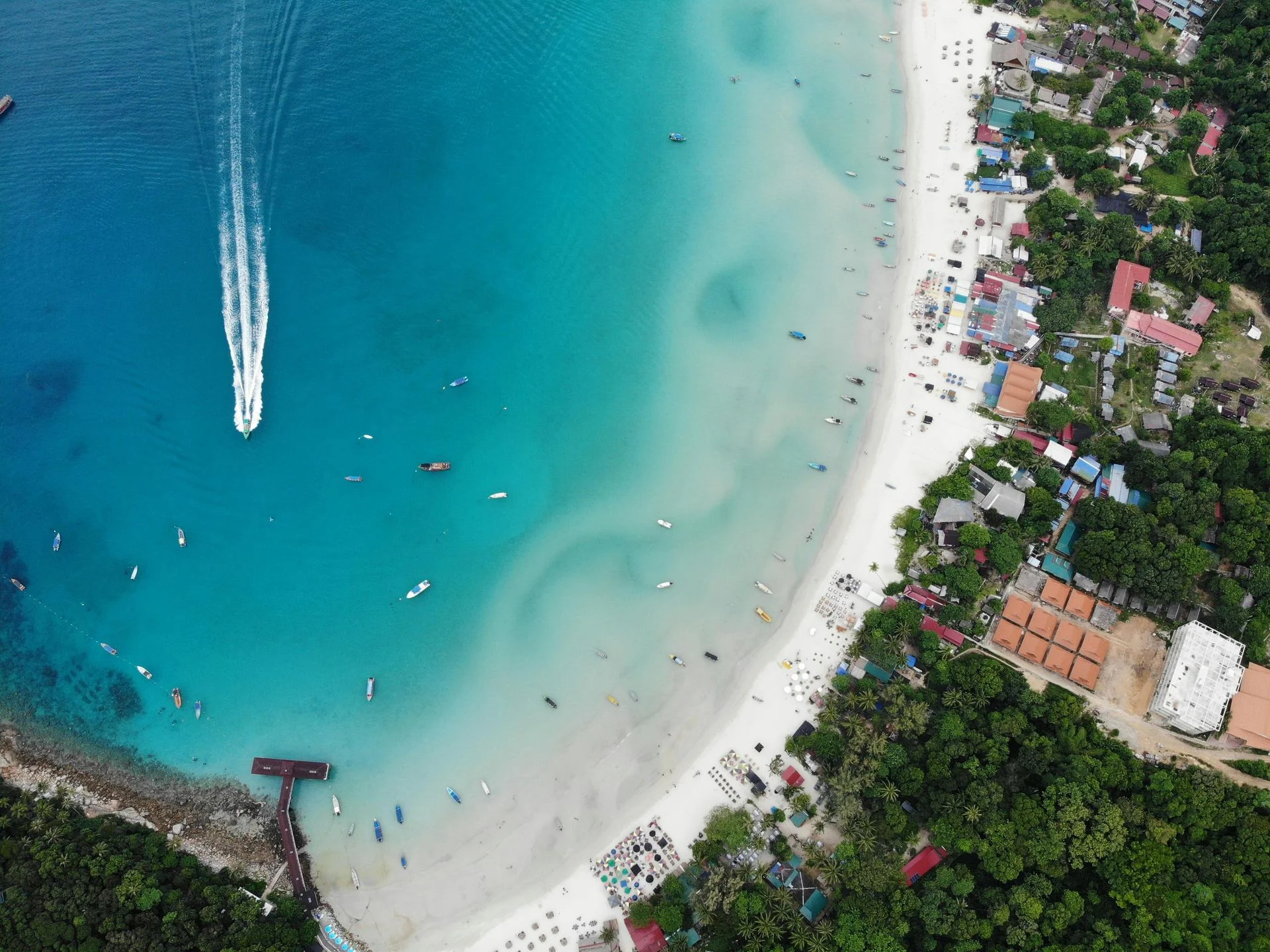
Perhentian Islands
The Perhentian Islands consist of two lush, jungle‑clad islands—Pulau Perhentian Besar (Big Island) and Pulau Perhentian Kecil (Small Island)—located about 20 kilometres off Malaysia’s north‑east coast. Known for their powder‑white beaches and turquoise water, they offer relaxed, beginner‑friendly diving on shallow reefs, pinnacles and wrecks. Visibility is respectable, water is bathtub‑warm and currents are generally mild, making the archipelago a perfect spot to learn to dive or simply enjoy colourful coral gardens teeming with reef fish. Sea turtles nest on the beaches, blacktip reef sharks patrol the edges and a handful of wrecks provide a refuge for schooling fish and critters.
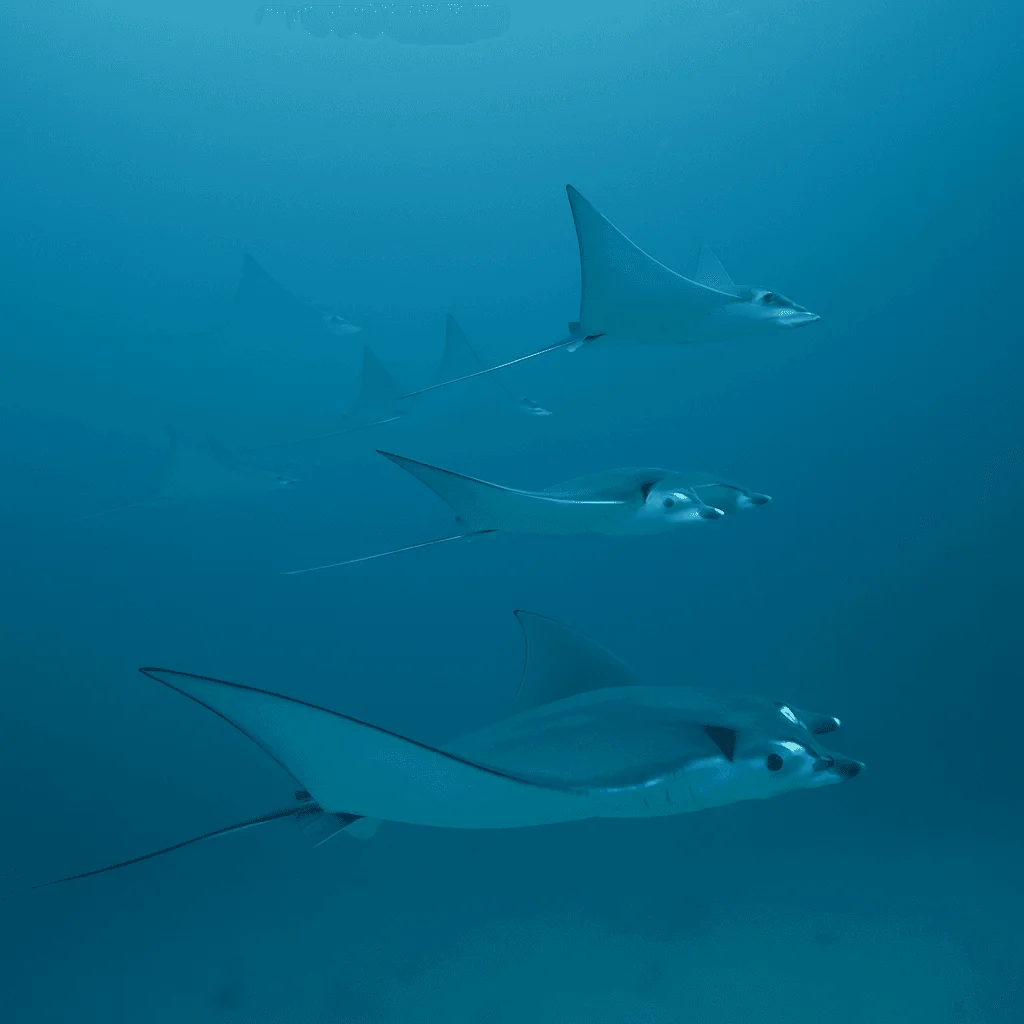
Pulau Weh
Pulau Weh lies off the northern tip of Sumatra where the Andaman Sea meets the Indian Ocean. This volcanic island may be small, but its surrounding waters are packed with life thanks to nutrient‑rich currents funnelling through the deep channels. Rugged pinnacles, canyons and seamounts provide habitat for bluefin trevallies, giant trevallies, schooling barracudas and jacks, as well as whitetip and occasional blacktip reef sharks. Macro lovers will find octopus, mantis shrimp and a rainbow of nudibranchs. With affordable dive packages, a friendly local vibe and minimal crowds, Pulau Weh offers thrilling drift dives and calm reefs suitable for all levels.
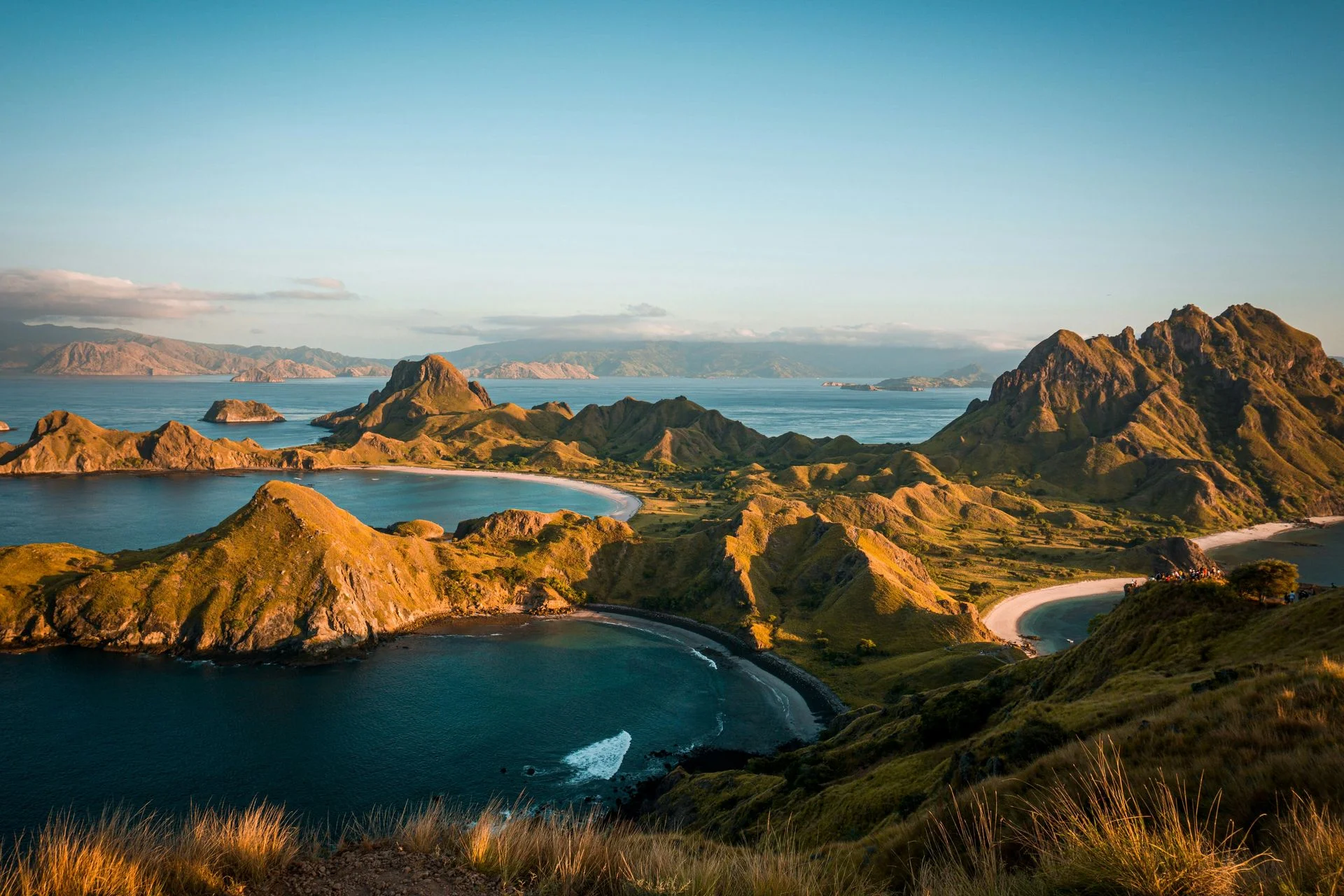
Komodo
Komodo National Park is a diver’s paradise full of marine diversity: expect healthy coral gardens, reef sharks, giant trevallies, countless schools of fish, and frequent manta ray sightings at sites like Manta Point and Batu Bolong. Drift dives and dramatic reef structures add excitement, while both macro lovers and big-fish fans will find plenty to love. Above water, the wild Komodo dragons roam, giving a touch of prehistoric wonder to the whole trip.