
Sexy Shrimp
Thor amboinensis
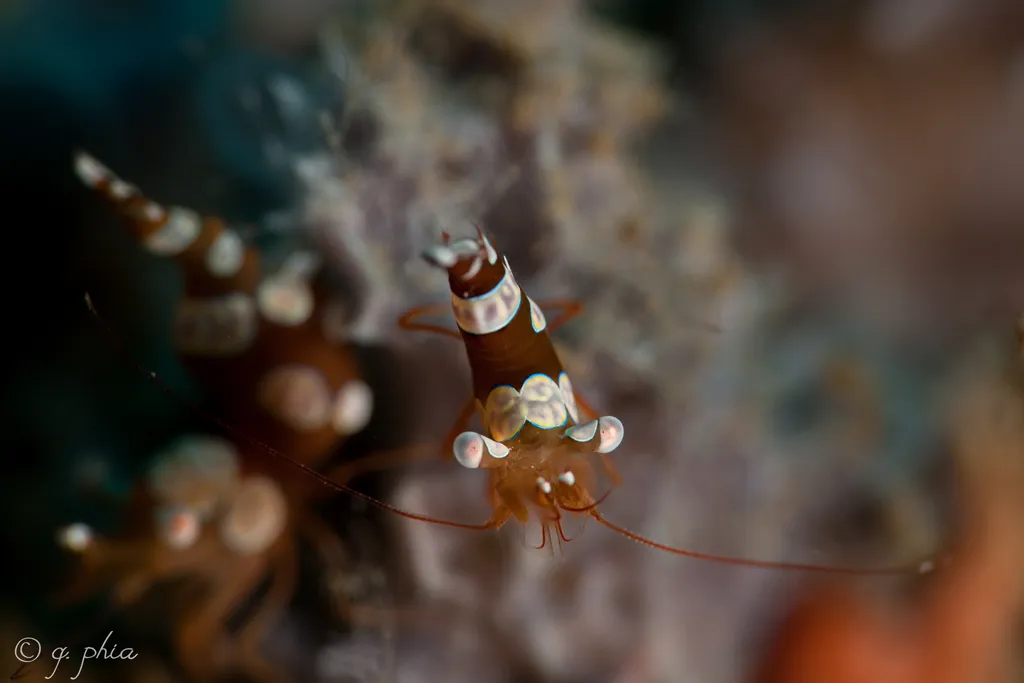
Photo by q phia / CC BY 2.0 via Wikimedia Commons
The Sexy Shrimp (Thor amboinensis) is one of those species where the common name actually helps you find it. Divers look for the signature tail-up posture—abdomen arched, tail fan parked above the head—bobbing among anemone tentacles like a tiny dancer. At roughly 1 cm it is not a sand-flat critter; you hunt the host first, then scan the oral disc and tentacle field for olive-brown bodies with crisp white saddle patches and thin blue edging.
Pantropical distribution means you can meet this shrimp from Lembeh and Anilao to Raja Ampat, the Red Sea, and parts of the Caribbean. Host choice is flexible: carpet anemones, bubble coral, mushroom corals, and several Lebrunia-type anemones all work. A single anemone may hold a pair or a small cluster, which makes behavior shots more interesting than a lone portrait.
🔬Classification
📏Physical Features
🌊Habitat Info
⚠️Safety & Conservation
Identification Guide
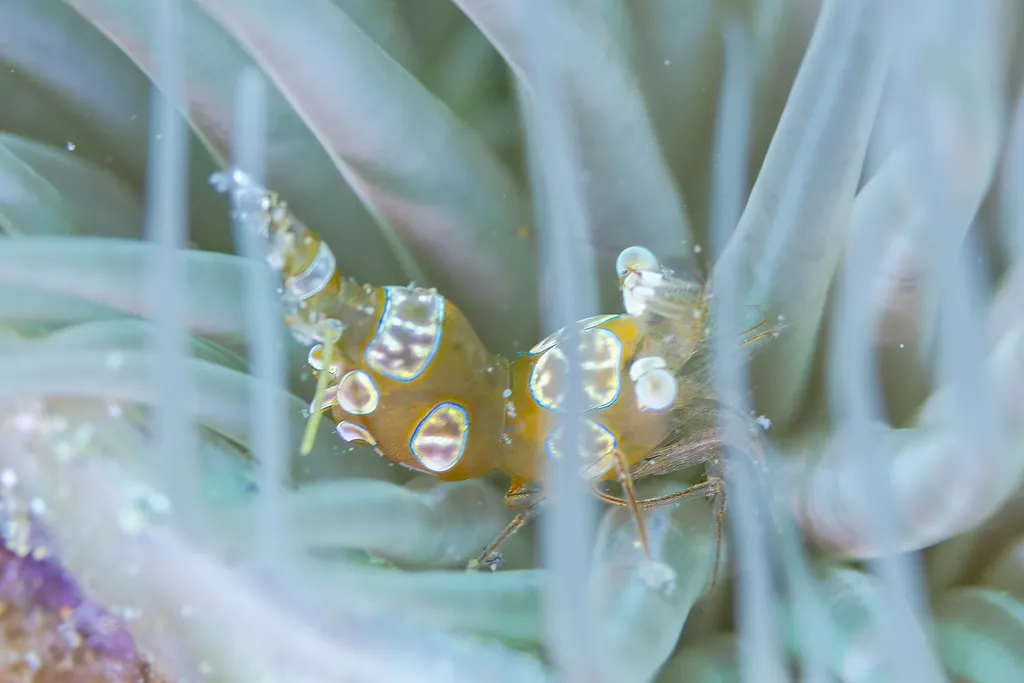
Photo by Diego Delso / CC BY-SA 4.0 via Wikimedia Commons
Start with expanded anemones and soft cnidarian hosts on shallow reef flats, rubble patches, and mooring-line fouling—not open sand.
Key Field Marks
- Tiny size, typically ~1–1.3 cm
- Tail-up posture with tail fan above the head (the "sexy" silhouette)
- Symmetrical white patches on olive-brown body, often with thin blue margins
- Found inside host tentacles, usually within a few centimeters of the oral disc
Search Pattern
Hover at host level and let the anemone pulse in surge. Shrimp often reappear on the windward tentacle edge after you settle. Ask guides for known anemone stations on house reefs rather than random muck scanning.
Confusions
- Anemone shrimp (Periclimenes spp.) can share hosts but are usually larger with different marking geometry
- Pederson cleaner shrimp (Ancylomenes pedersoni) has long white antenna flagella and cleaner-station behavior
- Detached tentacle tips do not hold the rigid arched-abdomen pose
Top 10 Fun Facts about Sexy Shrimp
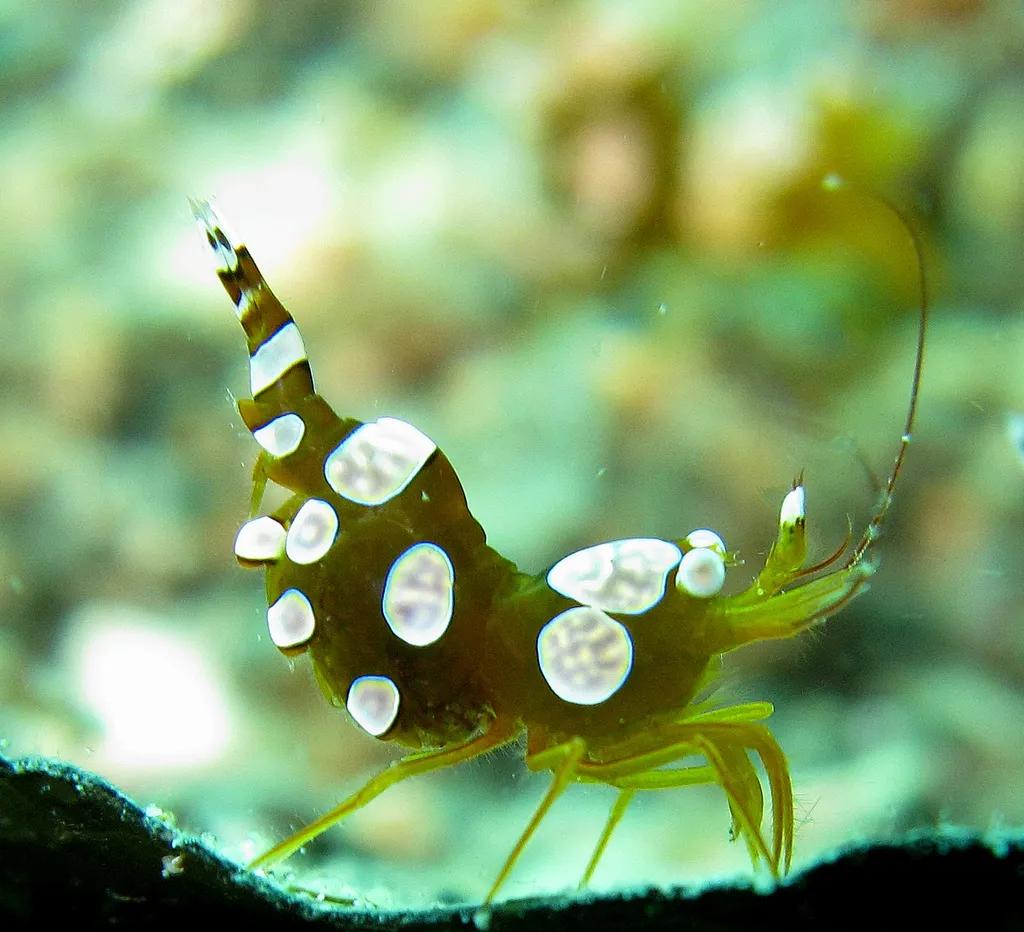
Photo by Steve Childs / CC BY 2.0 via Wikimedia Commons
1. The Name Describes a Pose, Not a Mood
"Sexy shrimp" refers to the habit of carrying the abdomen curved upward with the tail fan above the head. That silhouette is the fastest field ID mark—more reliable than trying to measure 13 mm in surge.
2. Named for Ambon, Found Almost Everywhere
Thor amboinensis honors Ambon Island in Indonesia, but the species is pantropical: Indo-Pacific, Red Sea, parts of the Atlantic, Caribbean, and even eastern Atlantic islands. Your travel list is wide; your host-anemone list is what matters.
3. Commensal Generalist on Cnidarians
These shrimp live among anemone tentacles and also use mushroom corals and bubble coral (Plerogyra). They feed on mucus, trapped plankton, and surface films on the host—classic commensal reef micro-fauna.
4. Host Tolerance Is Learned
New shrimp endure nematocyst contact until acclimated, often via host mucus coating. Larvae are also generalists: chemical and visual cues guide settlement, with a slight preference for the mother's host species in lab studies.
5. Pairs and Small Groups Are Normal
One anemone may host a pair or several individuals, each staying within centimeters of the oral disc. Multiple shrimp add bobbing motion and spacing behavior that macro shooters love.
6. Tiny but Aquarium-Famous
Thor amboinensis is a staple nano-reef inhabitant because of color and posture. That aquarium fame actually helps divers—many guides recognize the species instantly once the tail-up pose is seen.
7. Shallow Depth Bias
Although recorded to 60 m, most dive encounters happen in the first 15 m on house reefs, jetty pilings, and sandy rubble patches with carpet anemones.
8. White Patches Are Symmetry Tools
The paired white saddles with blue edging create high local contrast against brown tentacles—useful for photographers and probably for shrimp recognition within groups.
9. They Move with Anemone Pulse
Rather than long swims, sexy shrimp hitch tentacle motion and re-anchor near the oral disc. Shooting during gentle surge often yields more natural posture than dead-calm conditions.
10. A Gateway Macro Species
Sexy shrimp teaches host-first searching, strobe control on small reflective subjects, and ethical limits around cnidarians—skills that transfer directly to harder cryptic targets.
Diving & Observation Notes
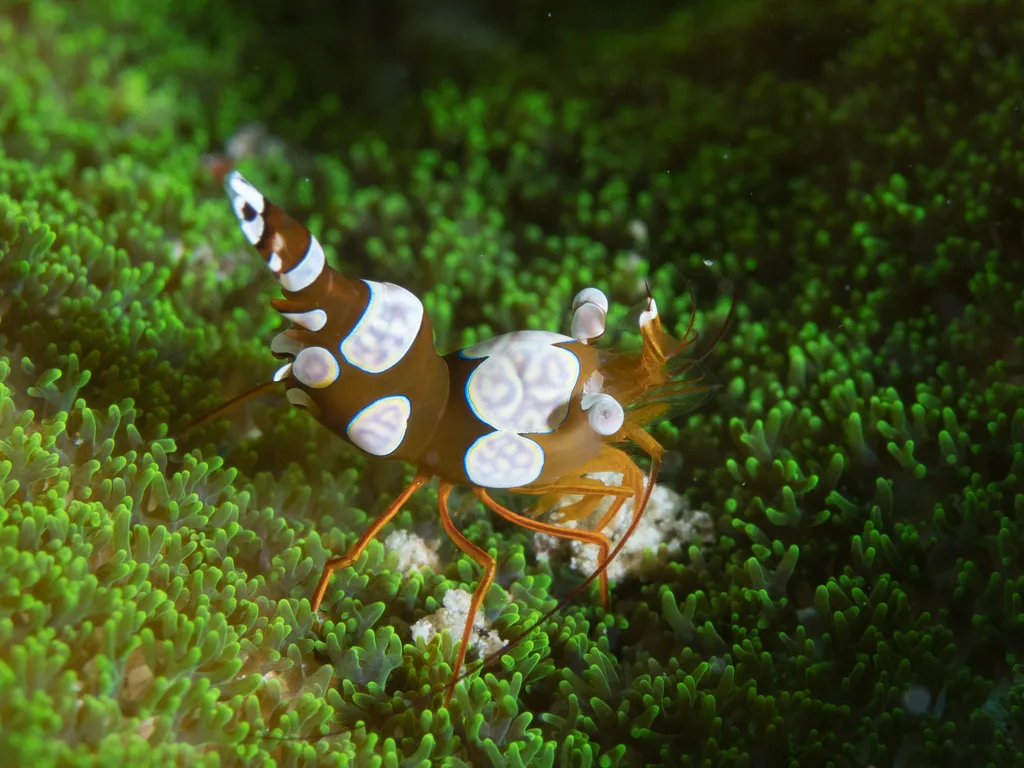
Photo by Rickard Zerpe / CC BY 2.0 via Wikimedia Commons
Finding hosts first
Brief for carpet anemones, bubble coral heads, and mushroom corals on shallow reefs. Jetty fouling and mooring-block anemones are underrated urban-reef stations in many destinations.
Approach and buoyancy
Settle outside the tentacle reach and let shrimp cycle into view. Fin kicks that collapse the anemone end the sighting immediately. Pairs often split to opposite tentacle bundles when stressed.
Photo tips
Side-on shots that include the arched abdomen read better than top-down dots. Reduce strobe power on white patches; blue edge lines clip fast. A +5 or +10 diopter helps, but host context often makes the story.
Ethics
Never poke or fan anemones to expose shrimp. Collapsing the host for a cleaner background damages the animal and teaches bad guide habits. If the shrimp hides, wait a surge cycle instead of forcing it.
Best Places to Dive with Sexy Shrimp
Lembeh
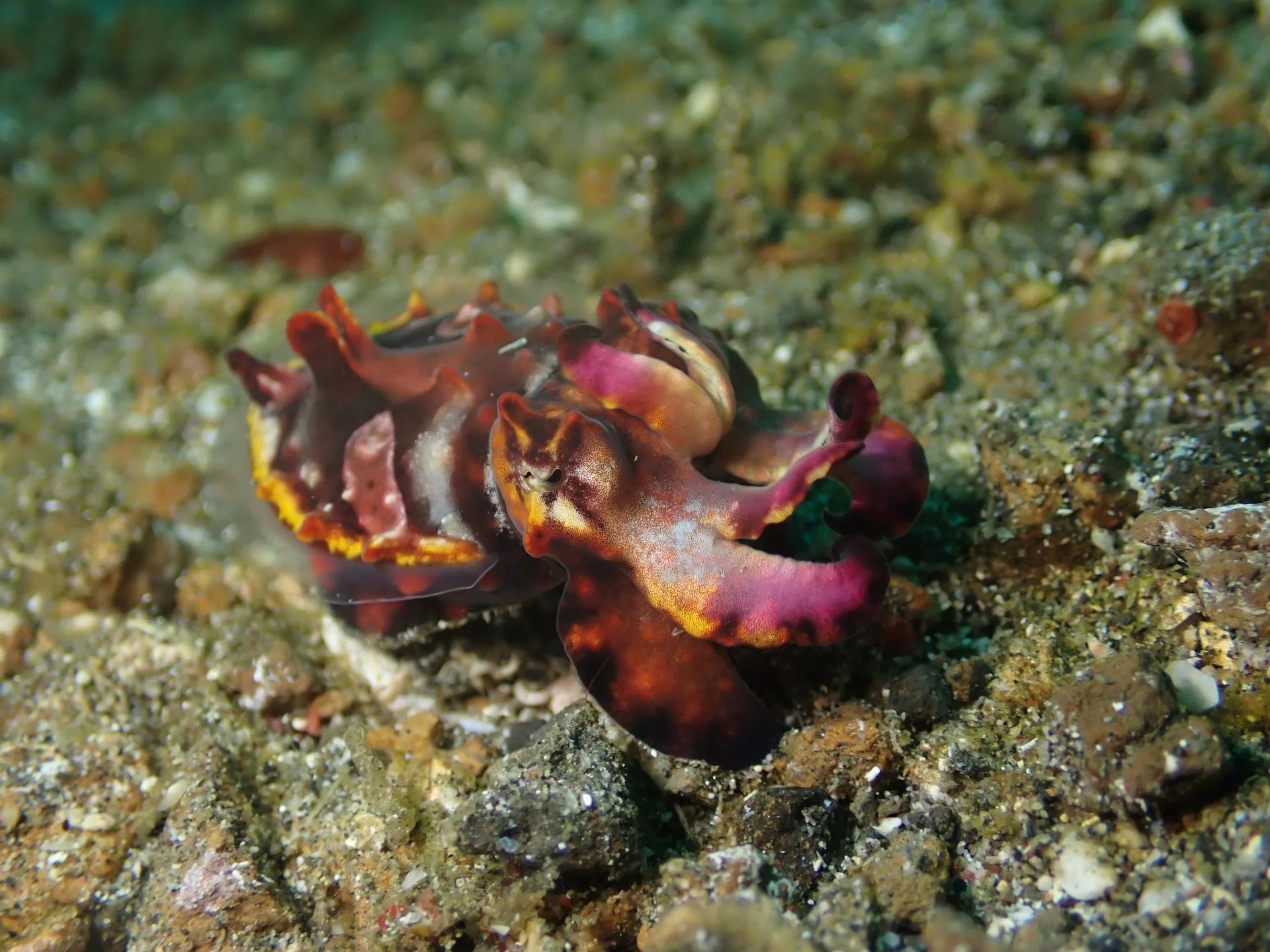
The Lembeh Strait in North Sulawesi has become famous as the muck‑diving capital of the world. At first glance its gently sloping seabed of black volcanic sand, rubble and discarded debris looks bleak. Look closer and it is teeming with weird and wonderful life: hairy and painted frogfish, flamboyant cuttlefish, mimic and blue‑ringed octopuses, ornate ghost pipefish, tiny seahorses, shrimp, crabs and a rainbow of nudibranchs. Most dives are shallow and calm with little current, making it an ideal playground for macro photographers. There are a few colourful reefs for a change of scenery, but Lembeh is all about searching the sand for critter treasures.
Anilao
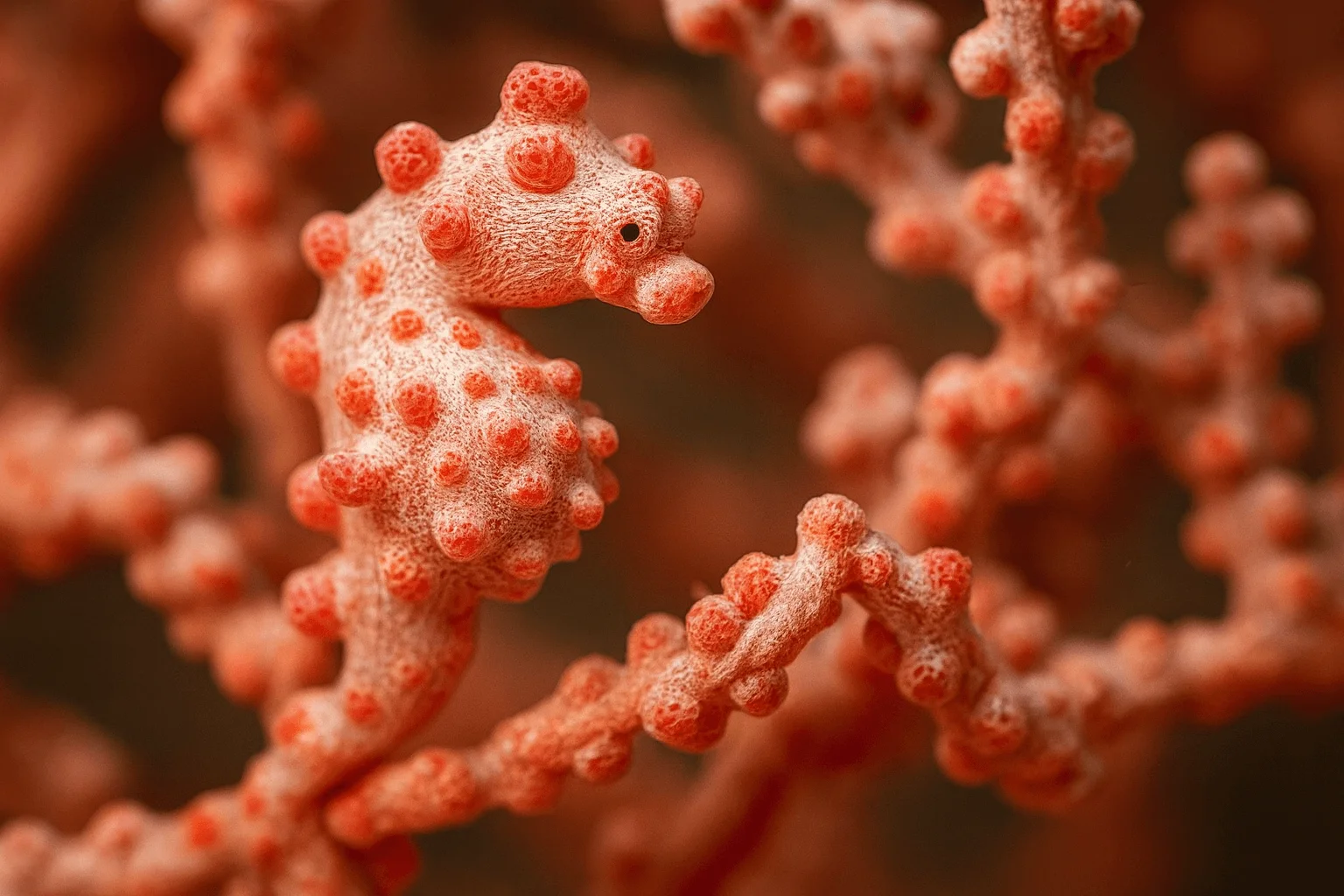
Anilao, a small barangay in Batangas province just two hours south of Manila, is often called the macro capital of the Philippines. More than 50 dive sites fringe the coast and nearby islands, offering an intoxicating mix of coral‑covered pinnacles, muck slopes and blackwater encounters. Critter enthusiasts come for the legendary muck dives at Secret Bay and Anilao Pier, where mimic octopuses, blue‑ringed octopuses, wonderpus, seahorses, ghost pipefish, frogfish and dozens of nudibranch species lurk in the silt. Shallow reefs like Twin Rocks and Cathedral are covered in soft corals and teem with reef fish, while deeper sites such as Ligpo Island feature gorgonian‑covered walls and occasional drift. Because Anilao is so close to Manila and open year‑round, it’s the easiest place in the Philippines to squeeze in a quick diving getaway.
Raja Ampat
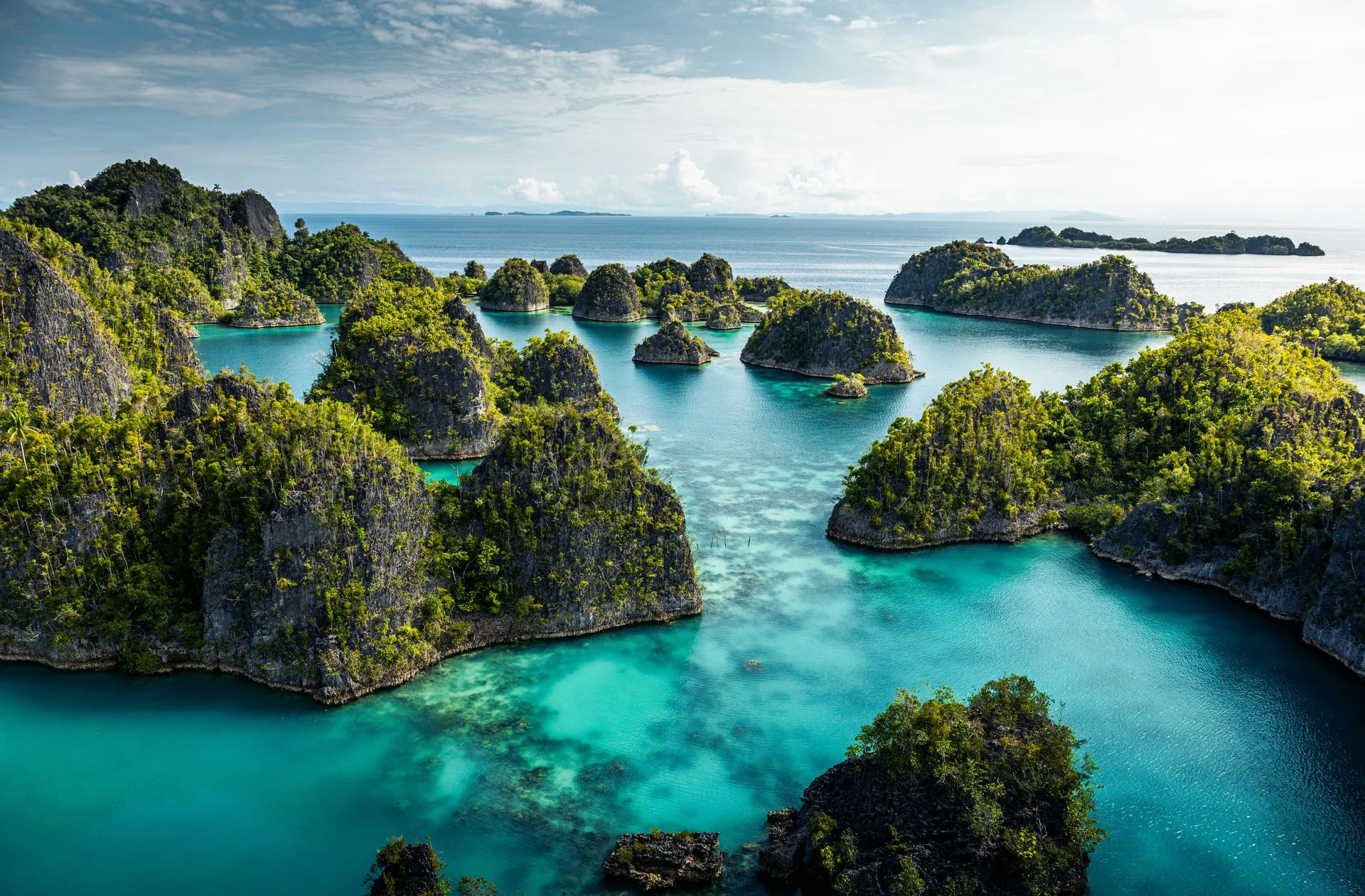
Raja Ampat, the “Four Kings,” is an archipelago of more than 1,500 islands at the edge of Indonesian West Papua. Its reefs sit in the heart of the Coral Triangle, where Pacific currents funnel nutrients into shallow seas and feed the world’s richest marine biodiversity. Diving here means gliding over colourful walls and coral gardens buzzing with more than 550 species of hard and soft corals and an estimated 1,500 fish species. You’ll meet blacktip and whitetip reef sharks on almost every dive, witness giant trevally and dogtooth tuna hunting schools of fusiliers, and encounter wobbegong “carpet” sharks, turtles, manta rays and dolphins. From cape pinnacles swarming with life to calm bays rich in macro critters, Raja Ampat offers endless variety. Above water, karst limestone islands and emerald lagoons provide spectacular scenery between dives.
Ambon
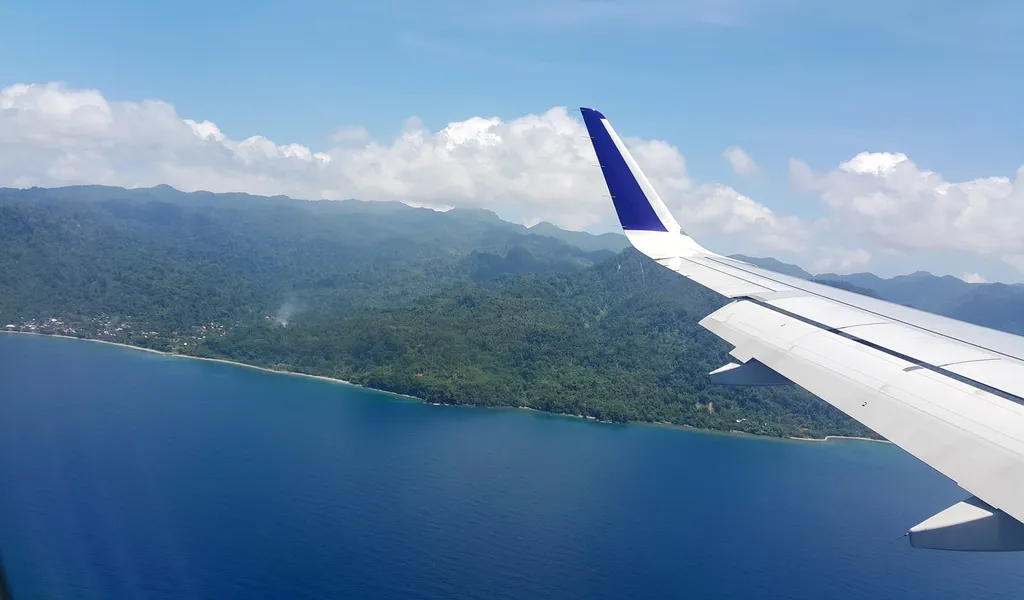
Ambon sits in Indonesia’s Maluku (Spice Islands) and is one of the world’s elite muck destinations—often ranked alongside Lembeh for rare critters, without the crowds. The heart of the action is Ambon Bay around Laha village near the airport: black volcanic sand slopes, rubble, pier posts and discarded debris that somehow host psychedelic frogfish (endemic to Ambon waters), rhinopias, flamboyant cuttlefish, mimic and wonderpus octopuses, ghost pipefish and endless nudibranchs. Most bay dives stay 5–35 m with long bottom times that photographers love. When weather allows, the south and east coasts flip the script—healthy hard coral, walls, arches at Pintu Kota, the swim-throughs of Hukurila Cave, and the critter-coated Duke of Sparta wreck. Expect modest lodging in Laha or resort packages further around the bay; July–August monsoon often closes operators.
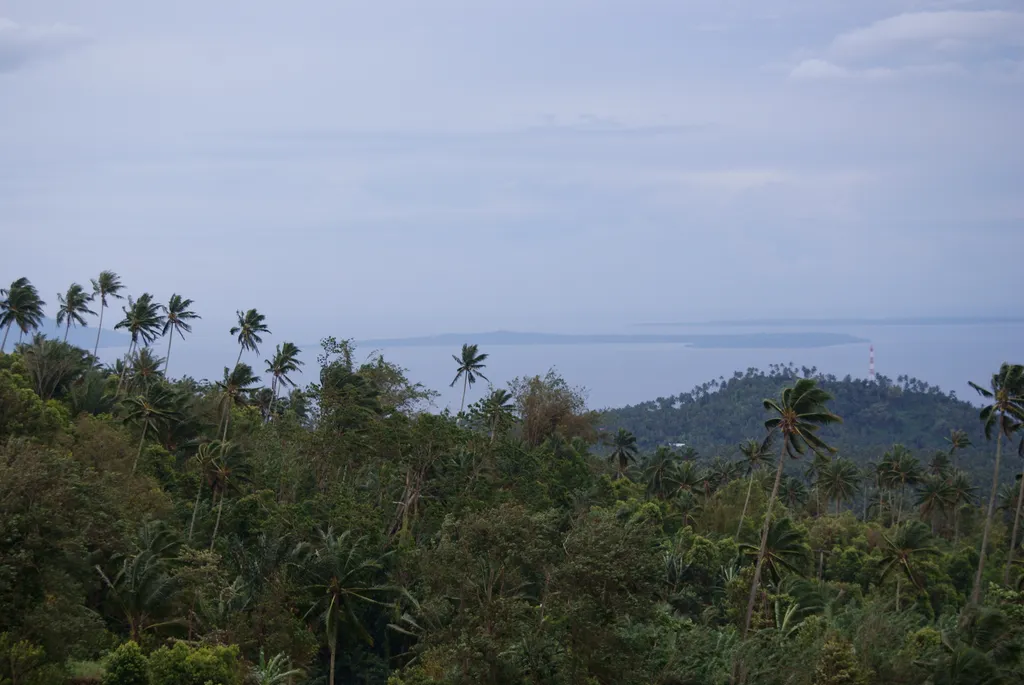
Bunaken
Bunaken National Park is wall-diving country: five volcanic islands—Bunaken, Manado Tua, Siladen, Mantehage, and Nain—ringed by drop-offs that fall from snorkel depth into hundreds of metres of blue. This is not the muck slopes of the Manado mainland; it is vertical reef, drift lines, and current-fed fish schools. The signature move is simple—roll off the boat at Lekuan or Muka Kampung, swim the shallow turtle flats, then hang on the wall while pyramid butterflyfish, fusiliers, and Napoleon wrasse stream past. Reef sharks patrol the corners, eagle rays cruise the blue, and barrel sponges the size of oil drums frame every wide-angle shot. Warm 27–29°C water, park protection since 1991, and island resorts that put you on the first boat at 08:00 make Bunaken the classic North Sulawesi wall trip—fly into MDC, transfer to the strait, and live on the reef for a week.
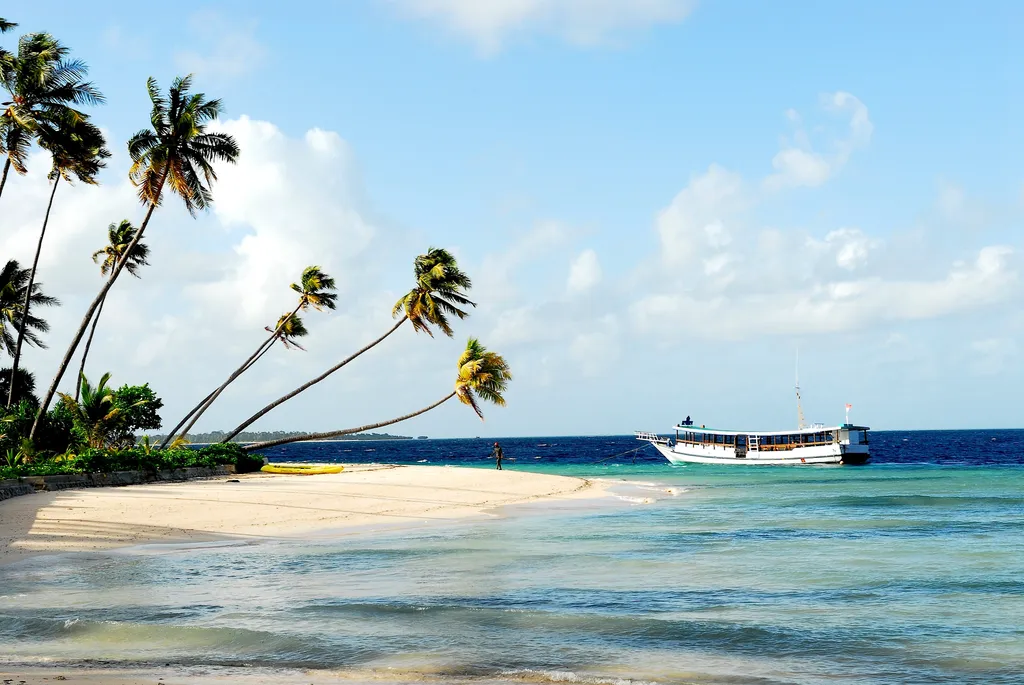
Wakatobi
Wakatobi National Park sits on the southeastern rim of Sulawesi, named from its four main islands—Wangi-Wangi, Kaledupa, Tomia, and Binongko. It holds some of the healthiest coral coverage in the Coral Triangle, with walls, seamounts, and fringing reefs that marine biologists still treat as a reference system. Visibility regularly hits 30 m and can stretch past 50 m on calm outer-reef days. Currents are usually mild and predictable, so you get long bottom times on colorful hard-coral gardens instead of fighting blue water. The signature experience is Wakatobi’s House Reef—walk-in shore diving a short swim from the jetty—backed by more than 40 day-boat sites, from beginner pinnacles like Roma to the knife-edge walls of Blade.
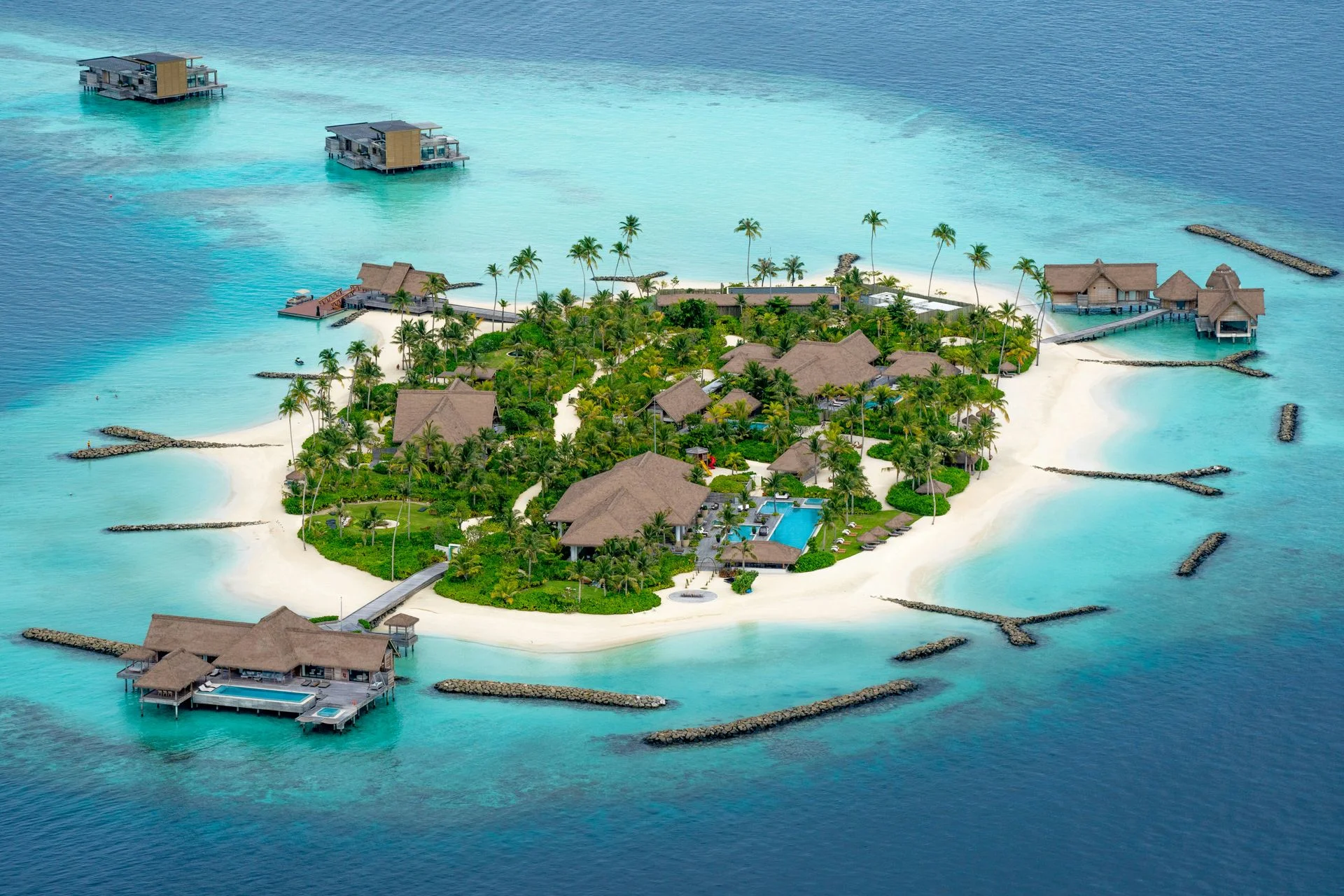
Maldives
Scattered across the Indian Ocean like strings of pearls, the Maldives’ 26 atolls encompass more than a thousand low‑lying islands, reefs and sandbanks. Beneath the turquoise surface are channels (kandus), pinnacles (thilas) and lagoons where powerful ocean currents sweep past colourful coral gardens. This nutrient‑rich flow attracts manta rays, whale sharks, reef sharks, schooling jacks, barracudas and every reef fish imaginable. Liveaboards and resort dive centres explore sites such as Okobe Thila and Kandooma Thila in the central atolls, manta cleaning stations in Baa and Ari, and shark‑filled channels like Fuvahmulah in the deep south. Diving here ranges from tranquil coral slopes to adrenalin‑fuelled drifts through current‑swept passes, making the Maldives a true pelagic playground.
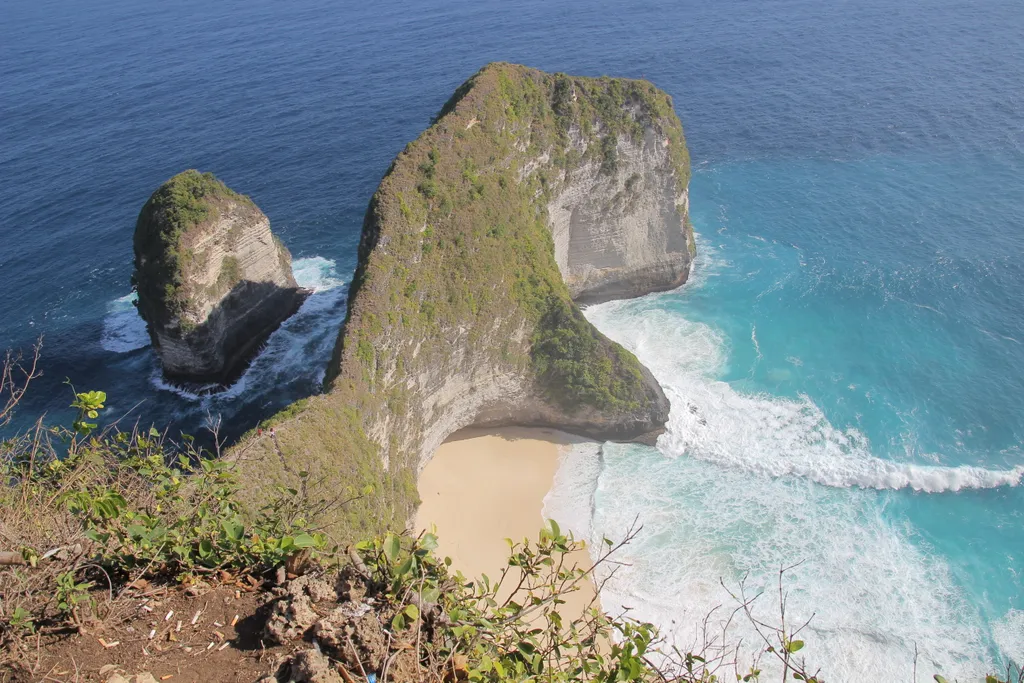
Nusa Penida
Nusa Penida is the big island in Bali's Nusa trio—and the one divers actually book a week for. The Lombok Strait funnels nutrient-rich water past sheer cliffs and deep channels, so even "easy" north-coast sites can turn into exhilarating drifts when the tide flips. South and west coasts deliver the headline acts: reef mantas at Manta Point and Manta Bay, and July–October ocean sunfish at Crystal Bay when cold thermoclines stack under 25 °C surface water. Most experienced divers base on Penida itself (Toyapakeh, Sampalan, or the north villages) rather than commuting from Sanur—early boats beat the swell, and you want slack-water windows for the south. The north-coast string—SD, PED, Sental, Buyuk—is where you rack up pretty reef drifts between manta days. Bring your AOW, respect the guides on current calls, and pack a thicker wetsuit for August thermoclines.
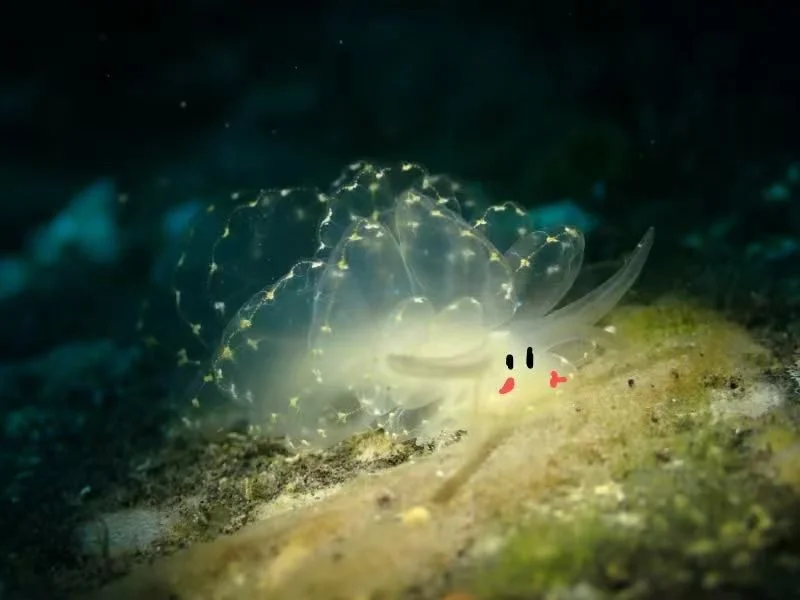
Tulamben(Bali)
Tulamben sits on Bali’s northeast coast and is best known for the USAT Liberty shipwreck – a 125‑metre cargo ship torpedoed in WWII that now lies just a short swim from shore. Warm water, mild currents and straightforward shore entries make diving here relaxed for all levels. Besides the wreck, divers can explore coral gardens, black‑sand muck sites and dramatic drop‑offs. Macro lovers will find nudibranchs, ghost pipefish, mimic octopus and pygmy seahorses, while big‑fish fans can encounter schooling jackfish, bumphead parrotfish and reef sharks. With a compact coastline packed with variety, Tulamben delivers world‑class wreck and critter diving without long boat rides.
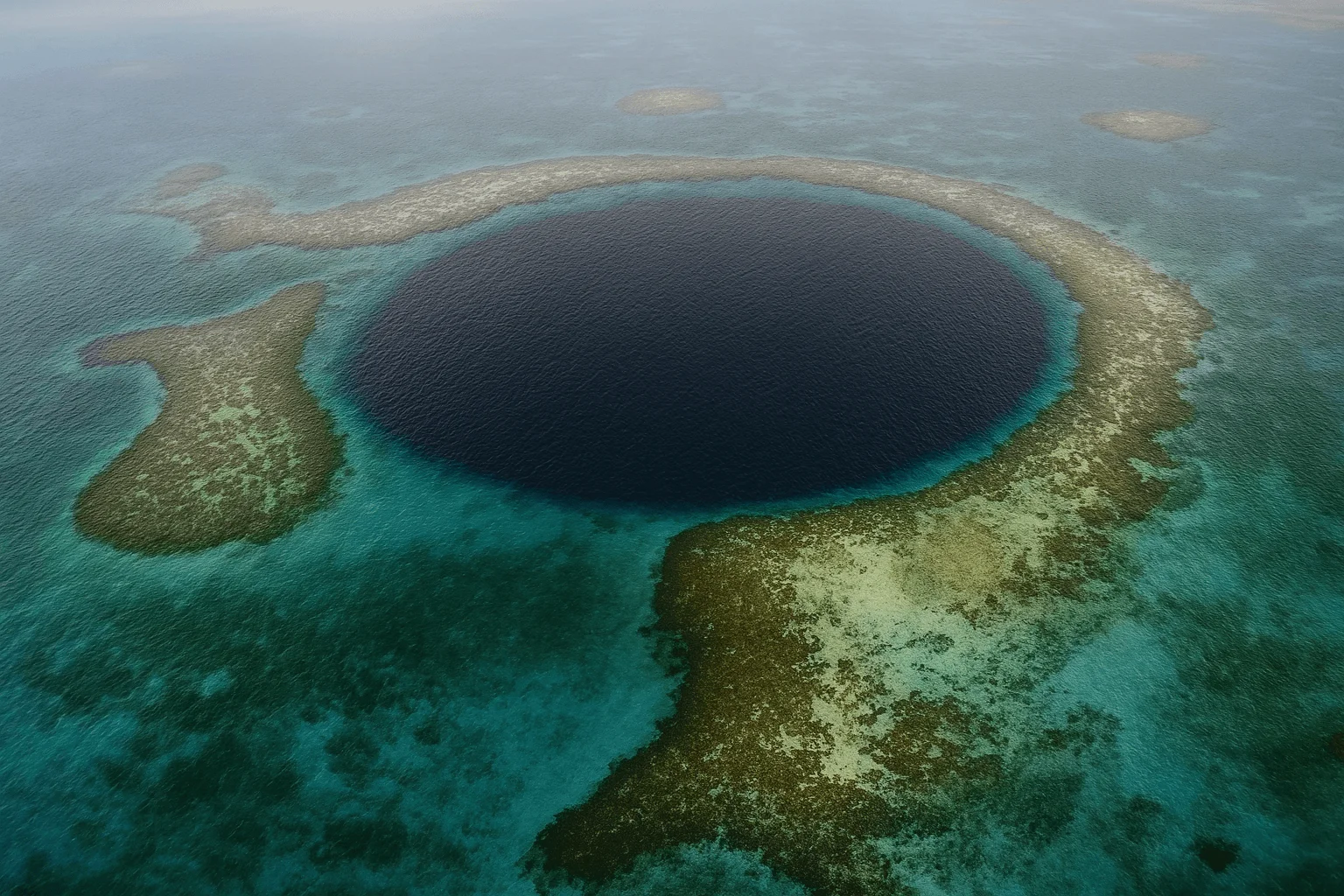
Dahab
Dahab is a laid‑back Bedouin village on Egypt’s Sinai Peninsula that has become a magnet for divers and free divers alike. The fringing reef starts just a few metres from the beach, dropping into a coral‑covered plateau and steep walls cut by canyons and chimney‑like holes. From beginner‑friendly shore entries at Lighthouse and Coral Garden to the legendary Blue Hole and Canyon, Dahab offers reef gardens full of anthias, butterflyfish and turtles as well as thrilling drift dives and deep blue walls. Year‑round sunshine, clear desert air and a bohemian vibe make it easy to spend weeks exploring the many dive sites along the shoreline and by boat.
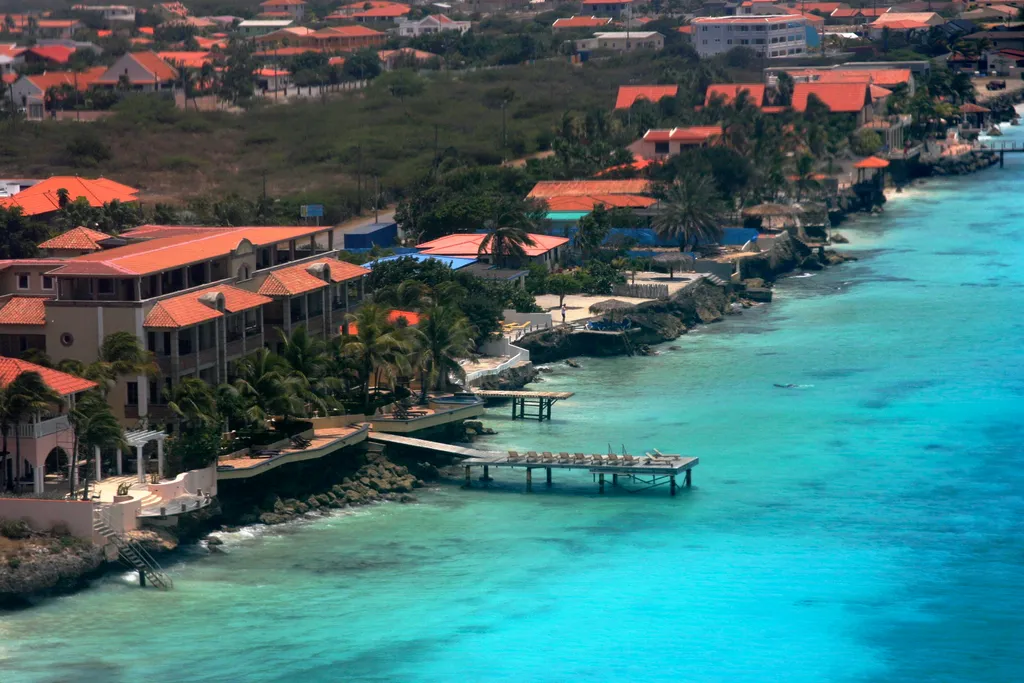
Bonaire
Bonaire is the Caribbean's shore-diving capital: pick up tanks at your shop, load the pickup, follow yellow-painted roadside markers to the entry, and you're on the reef in minutes. The entire leeward coast sits inside the Bonaire National Marine Park (BNMP), where decades of protection have left hard and soft corals in genuinely healthy shape—visibility often 20–40 m and water a comfortable 26–29 °C year-round. Most divers rent a truck, buy an unlimited shore-tank package, complete a mandatory orientation dive, then buddy-dive independently for the rest of the trip. Signature sites span easy west-coast reefs (Bari Reef, Angel City), iconic entries like 1000 Steps and Oil Slick Leap, the Hilma Hooker wreck, and short boat hops to Klein Bonaire. Macro hunters get frogfish and nudibranchs; wide-angle shooters chase schooling fish, turtles, eagle rays, and reef sharks. It's not a liveaboard rhythm—it's early-morning doubles, long surface intervals, and sunset or night dives when pier access allows.