
Tozeuma Shrimp
Tozeuma spp.
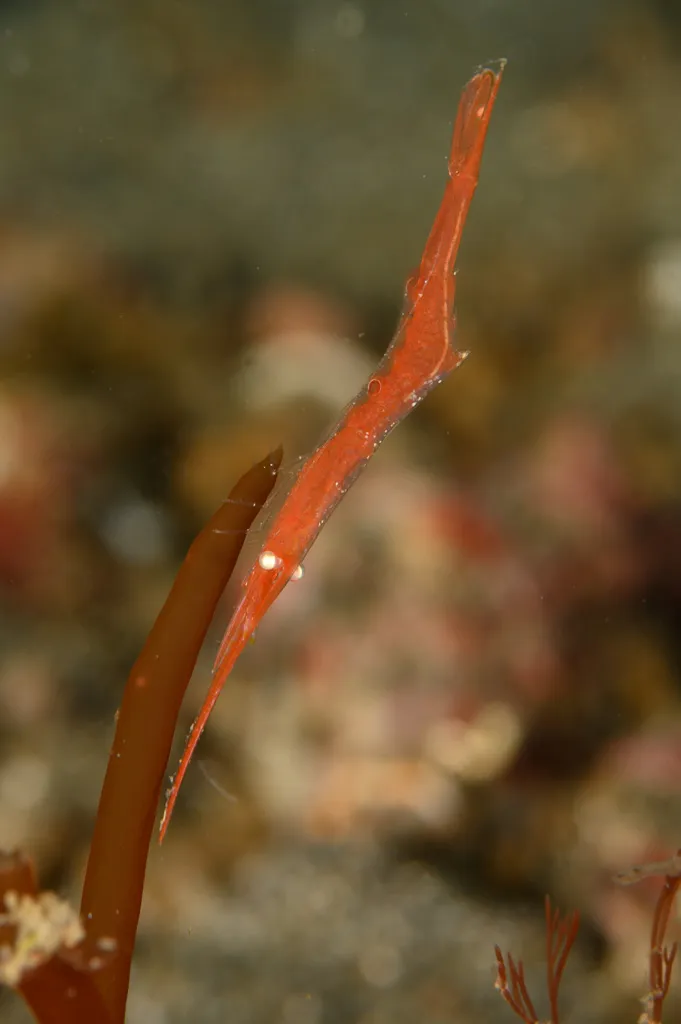
Photo by Stefan Brending (2eight) / CC BY-SA 3.0 via Wikimedia Commons
Tozeuma shrimp are the macro critters that make you stare at a sea whip until your neck hurts—and then realize the "stripe" on the whip has legs. The genus Tozeuma (Hippolytidae) is built around one idea: become the host. Bodies are needle-thin, rostra are long and sharp, and coloration tracks whatever the animal lives on—banded whip coral, black coral twigs, sponges, or algal turf.
In Lembeh and Anilao, guides distinguish two crowd favorites. Banded / sawblade types (Tozeuma armatum and kin) ride sea whips and black coral, copying transverse bands so well that groups of three to five can hide in plain sight. Ocellated types (Tozeuma lanceolatum) tuck into sponges and algae, often betrayed only by paired dark spots along the abdomen. Both are side-profile photo subjects: a 60 mm macro lens is the sweet spot for their length without losing detail.
🔬Classification
📏Physical Features
🌊Habitat Info
⚠️Safety & Conservation
Identification Guide
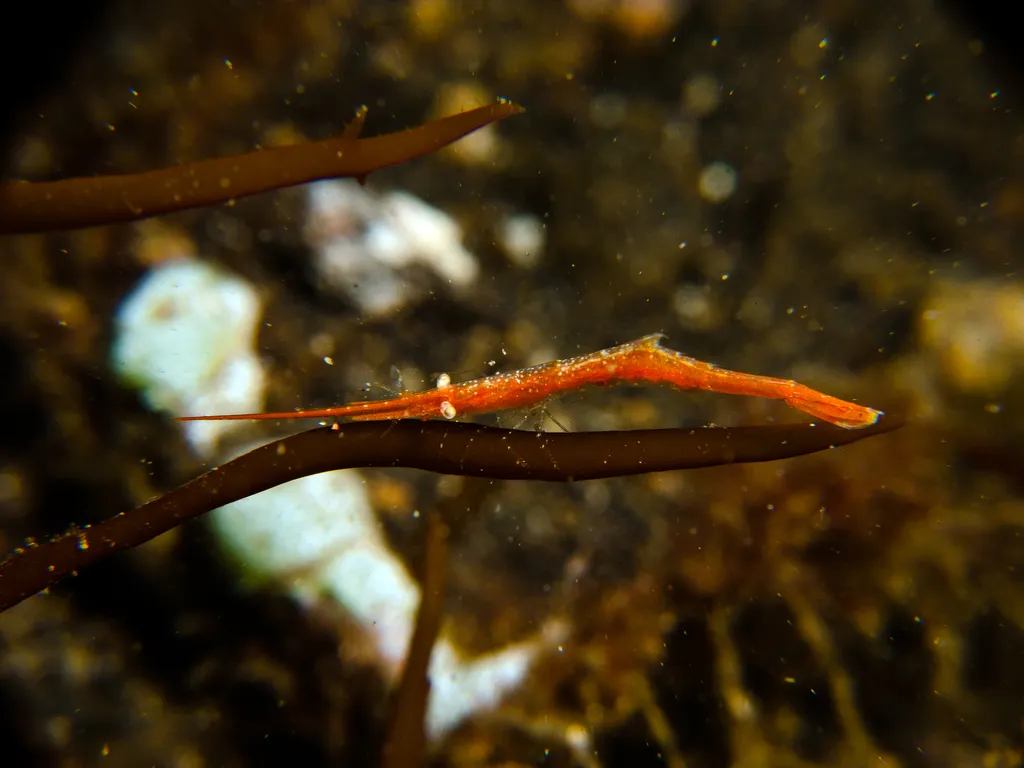
Photo by prilfish from Vienna / CC BY 2.0 via Wikimedia Commons
Stop treating this as a sand-bottom hunt. Scan vertical structures first: sea whips, Antipathes bushes, gorgonians, sponge fingers, and algal clumps on rubble slopes.
Genus Silhouette
- Needle-thin body much longer than typical cleaner shrimp
- Long, sharp rostrum; often held parallel to the host axis
- Legs and antennae tucked tight—outline reads as a coral twig, not a shrimp
Two Common Indo-Pacific Types
- Banded / sawblade (T. armatum): irregular transverse bands matching whip or black coral; solo to small groups
- Ocellated (T. lanceolatum): one or two dark ocelli per side on the abdomen; sponge/algae hosts more common
Search Pattern
Follow your guide to known whip patches rather than random muck. Once on a host, scan slowly along one branch at a time—movement is minimal, so patience beats coverage.
Top 10 Fun Facts about Tozeuma Shrimp
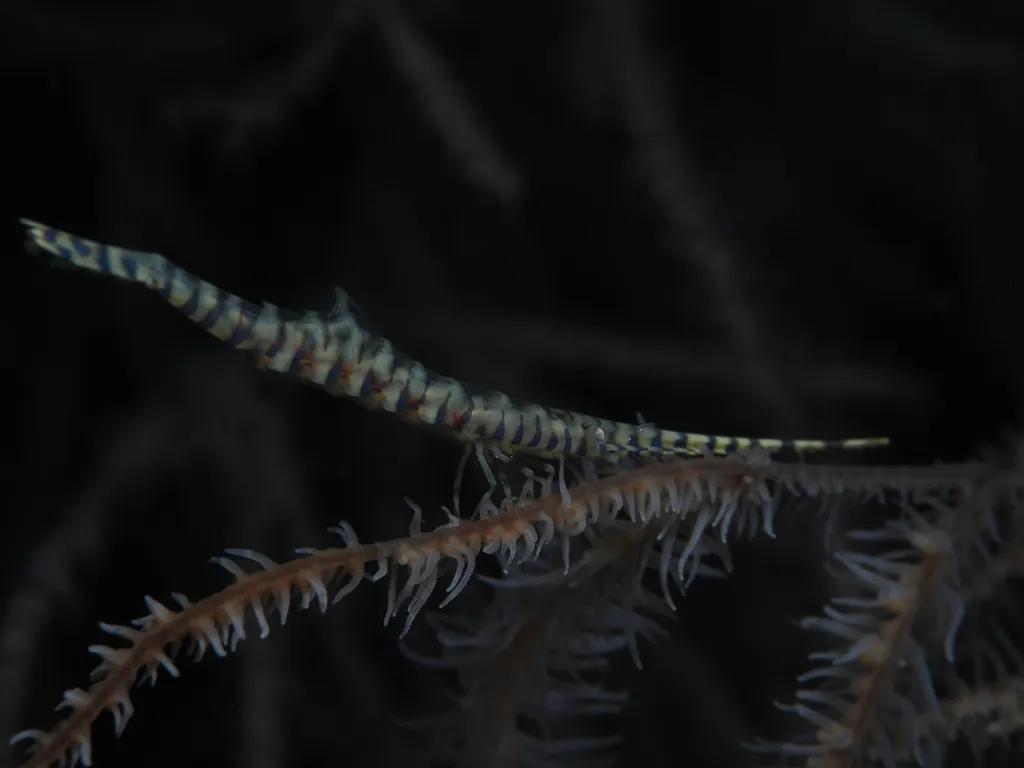
Photo by Rickard Zerpe / CC BY-SA 2.0 via Wikimedia Commons
1. The Name Is a 160-Year-Old Typo
Stimpson meant the Greek word for "arrow" (toxeuma) when naming the genus, but misspelled it as Tozeuma—and the incorrect spelling stuck because the proper name was already taken by a wasp genus.
2. Camouflage Copies the Host's Geometry
Banded types do not just match color—they align body axis with whip branches and mimic transverse band spacing so the shrimp reads as coral texture even at macro distances.
3. Ocelli Are a Cheat Code for T. lanceolatum
When bands are absent, paired dark spots on the abdomen are the fastest field mark for the ocellated species—often visible before you resolve leg detail.
4. They Can Camp on One Colony for Months
Dive guides report individuals staying on the same whip or black coral head for weeks to months, making repeat visits productive if you log the station.
5. Groups Are Normal on Whip Coral
T. armatum is frequently seen alone but also in clusters of up to five on a single host—each member banded to the same colony pattern.
6. Rare Color Morphs Exist
Yellow-and-blue band combinations are considered unusual prizes among Lembeh regulars; most animals mirror local host tones in white, yellow, orange, or red.
7. Depth Varies by Species and Site
Ocellated types are often logged around 10–20 m in sponge habitat; banded types and some offshore records push deeper—Singapore specimens of T. lanceolatum have come from 18 m crinoid grounds and over 70 m in trawls.
8. Taxonomy Was Historically Messy
Old literature confused T. armatum and T. lanceolatum across Southeast Asia; rostrum length, antennal scale, and ventral rostral teeth now separate them—relevant because photo labels on the internet are still mixed.
9. Side Profile Is the Signature Shot
The exaggerated length only reads in profile against the host. Top-down frames often collapse the animal into an unreadable sliver.
10. Touch the Host, Lose the Shot
Grabbing or bending sea whips to isolate a shrimp damages the colony and usually makes the animal retreat deeper into the branches—ethics and success rate align on hands-off framing.
Diving & Observation Notes
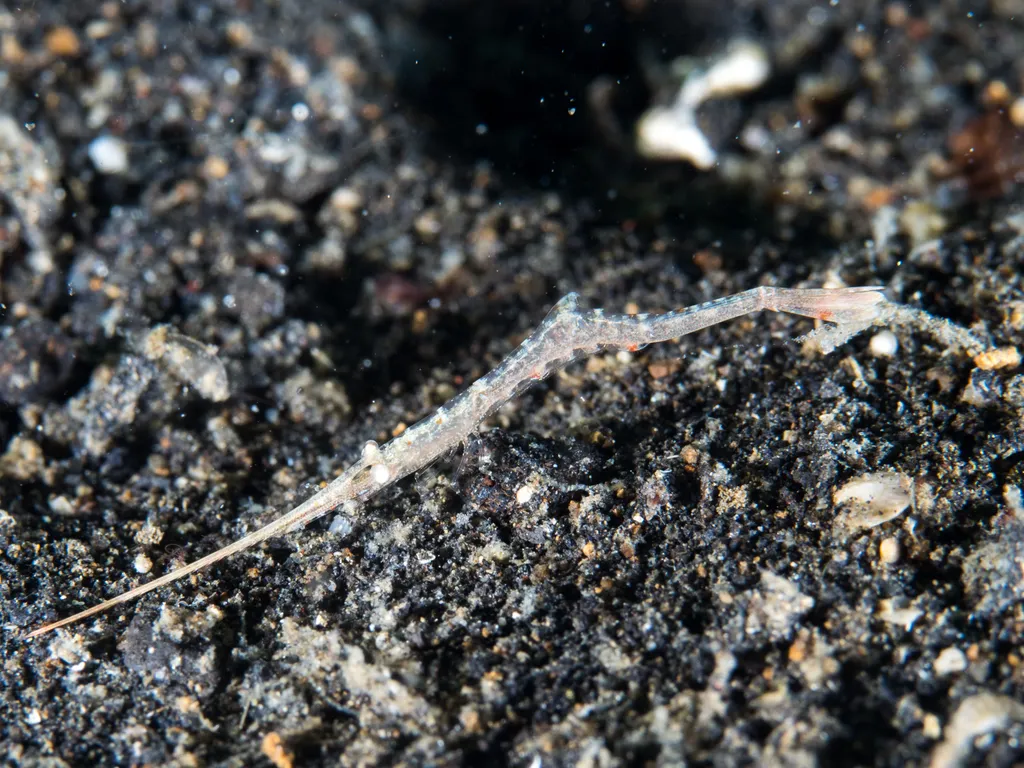
Photo by Rickard Zerpe / CC BY 2.0 via Wikimedia Commons
🧭 Finding Stations
Brief guides for tozeuma / sawblade / ocellated tozeuma specifically. Productive stations are sea whips, black coral patches, and sponge fingers on slopes—not open sand. Lembeh, Anilao, and Dumaguete teams often maintain mental maps of reliable whips.
🤿 Approach & Behavior
These animals freeze rather than bolt if you avoid touching the host. Current that sways the whip helps reveal outline mismatch—watch for a segment that does not flex like the branch. Stay off the colony; fin wash collapses delicate whips and ends the dive for everyone behind you.
📷 Photo Tips
60 mm macro is the classic choice for full-body profile with host context. Side light separates transparent tissue from the background without nuking pale morphs. If a group is present, frame one individual sharply and let others fall soft—chasing perfect alignment on all five rarely ends well.
🤝 Ethics
No bending whips, no poking into black coral, no harvesting host branches for tank shots. Log the station verbally for your guide instead of physically marking the reef.
Best Places to Dive with Tozeuma Shrimp
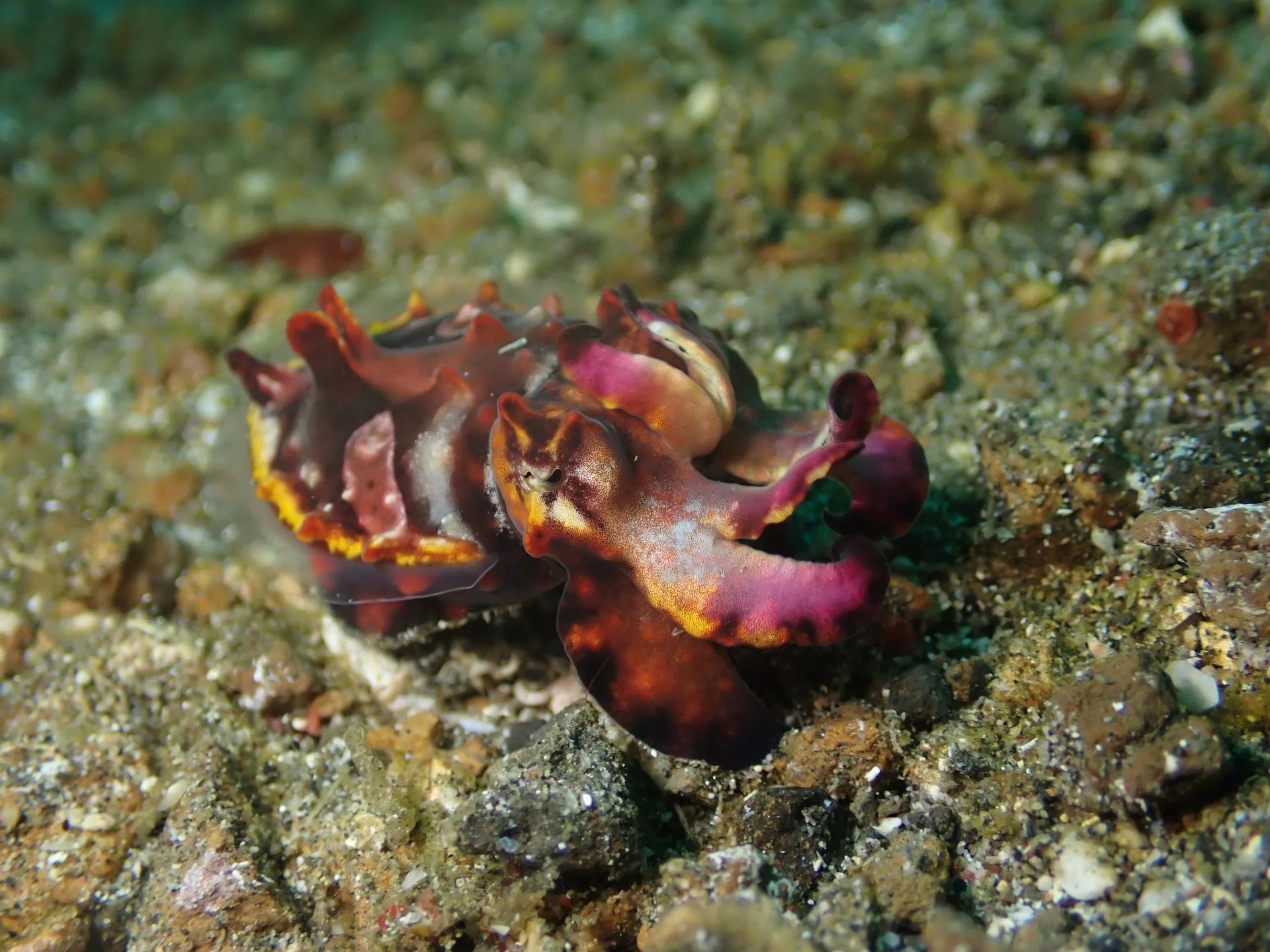
Lembeh
The Lembeh Strait in North Sulawesi has become famous as the muck‑diving capital of the world. At first glance its gently sloping seabed of black volcanic sand, rubble and discarded debris looks bleak. Look closer and it is teeming with weird and wonderful life: hairy and painted frogfish, flamboyant cuttlefish, mimic and blue‑ringed octopuses, ornate ghost pipefish, tiny seahorses, shrimp, crabs and a rainbow of nudibranchs. Most dives are shallow and calm with little current, making it an ideal playground for macro photographers. There are a few colourful reefs for a change of scenery, but Lembeh is all about searching the sand for critter treasures.
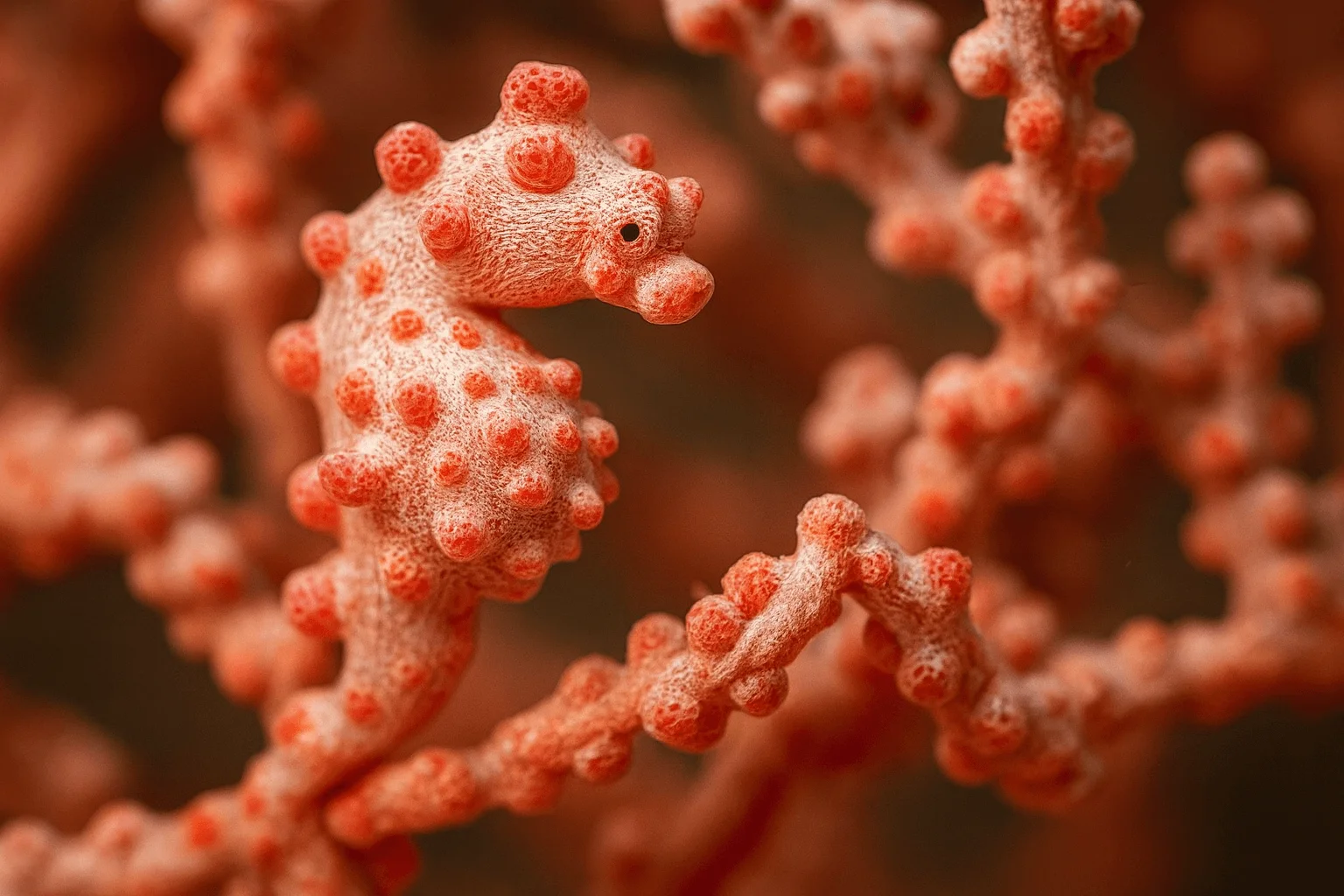
Anilao
Anilao, a small barangay in Batangas province just two hours south of Manila, is often called the macro capital of the Philippines. More than 50 dive sites fringe the coast and nearby islands, offering an intoxicating mix of coral‑covered pinnacles, muck slopes and blackwater encounters. Critter enthusiasts come for the legendary muck dives at Secret Bay and Anilao Pier, where mimic octopuses, blue‑ringed octopuses, wonderpus, seahorses, ghost pipefish, frogfish and dozens of nudibranch species lurk in the silt. Shallow reefs like Twin Rocks and Cathedral are covered in soft corals and teem with reef fish, while deeper sites such as Ligpo Island feature gorgonian‑covered walls and occasional drift. Because Anilao is so close to Manila and open year‑round, it’s the easiest place in the Philippines to squeeze in a quick diving getaway.
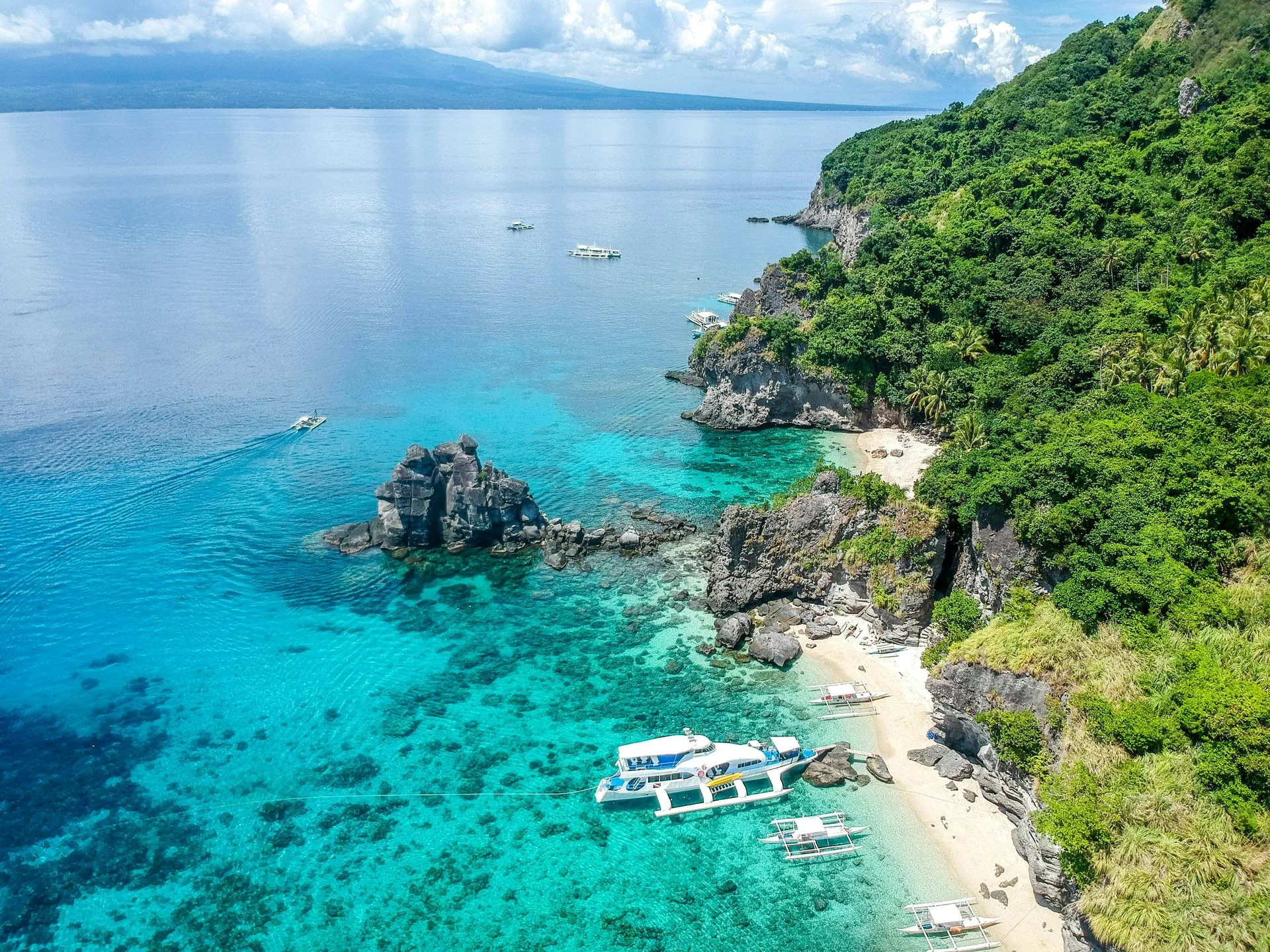
Dumaguete
Dumaguete on the southeast coast of Negros is the jumping‑off point for some of the Philippines’ most diverse diving. Along the nearby town of Dauin, a series of shallow marine sanctuaries and black‑sand slopes hide critters galore: frogfish, flamboyant cuttlefish, mimic octopus, ghost pipefish, seahorses, pipefish and nudibranchs. Artificial reefs made from car tyres and pyramids provide extra habitat. Offshore, Apo Island’s walls and plateaus burst with hard and soft corals, schooling jacks and barracudas, and friendly green turtles. With day trips to Oslob’s whale sharks or Bais’ dolphin‑watching, and excursions to nearby Siquijor, Dumaguete offers a perfect mix of macro muck diving and classic coral reefs.
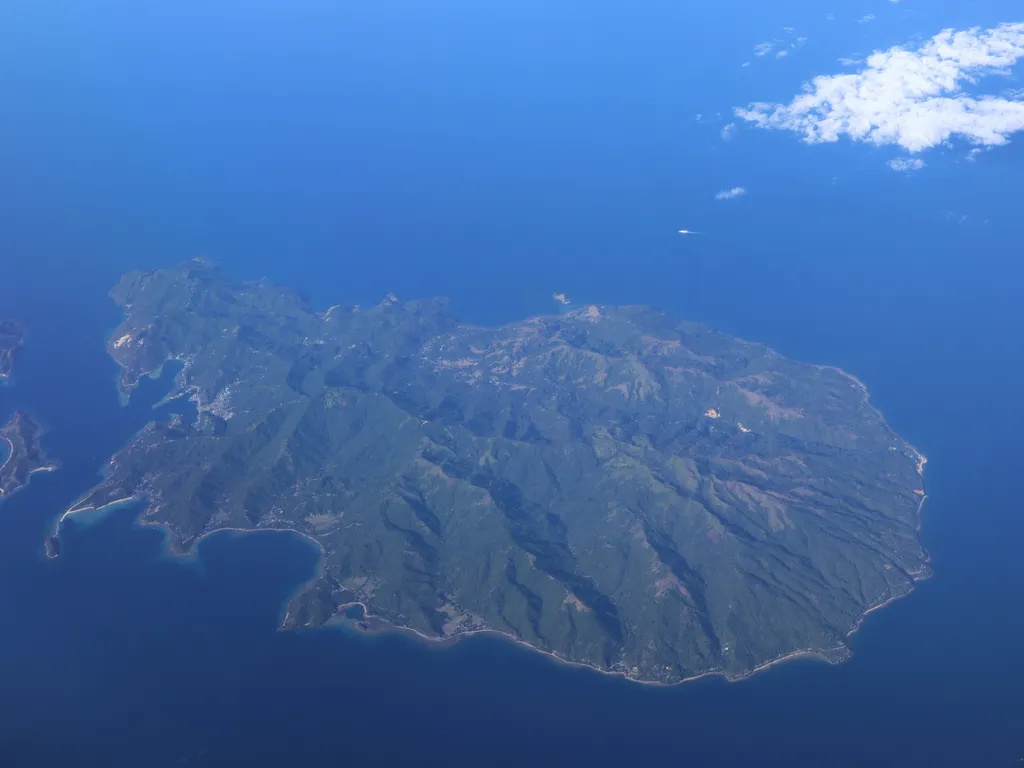
Romblon
Romblon is the Philippines' quiet answer to Lembeh—a province of small islands in the Sibuyan Sea where muck slopes, fan-coral walls and marine sanctuaries stack up without the resort sprawl. Most divers base in Lonos on Romblon Island, a short hop from Tablas, and spend days hopping between black-sand critter hunts and healthier reef drops. Signature finds include wunderpus, flamboyant cuttlefish, blue-ringed octopus, four pygmy seahorse species, Melibe colemani and Cyerce nudibranchs, plus eagle rays, sea snakes and schooling fish on the outer sites. Add a chimney dive at The Blue Hole on Tablas, cavern walls at Agpanabat, and night blackwater drifts over Romblon Pass when you want something stranger than another frogfish portrait.
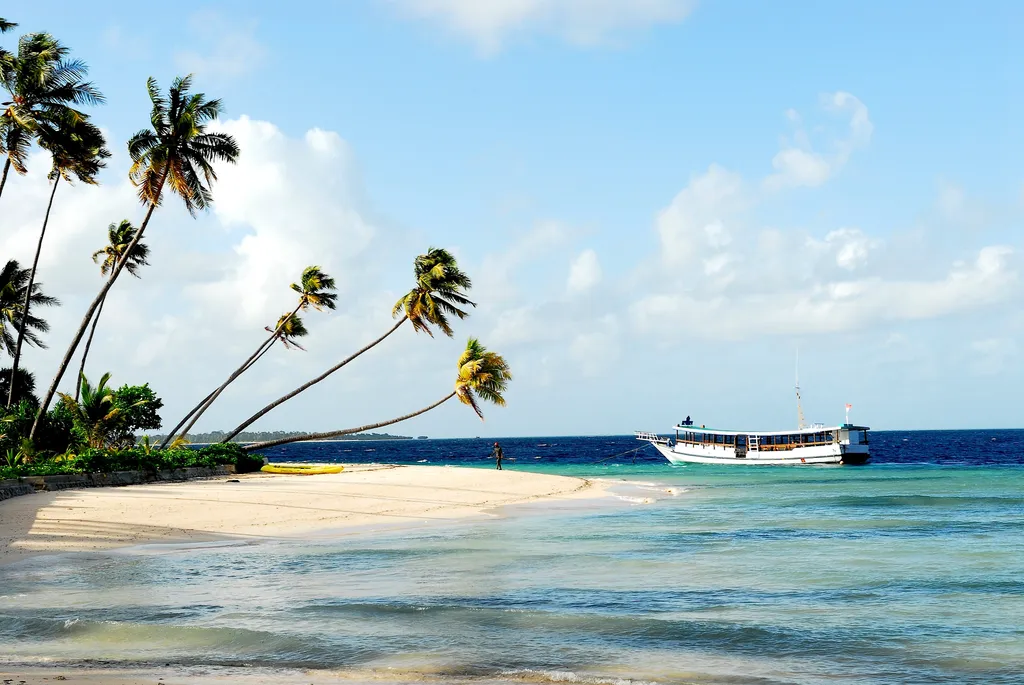
Wakatobi
Wakatobi National Park sits on the southeastern rim of Sulawesi, named from its four main islands—Wangi-Wangi, Kaledupa, Tomia, and Binongko. It holds some of the healthiest coral coverage in the Coral Triangle, with walls, seamounts, and fringing reefs that marine biologists still treat as a reference system. Visibility regularly hits 30 m and can stretch past 50 m on calm outer-reef days. Currents are usually mild and predictable, so you get long bottom times on colorful hard-coral gardens instead of fighting blue water. The signature experience is Wakatobi’s House Reef—walk-in shore diving a short swim from the jetty—backed by more than 40 day-boat sites, from beginner pinnacles like Roma to the knife-edge walls of Blade.
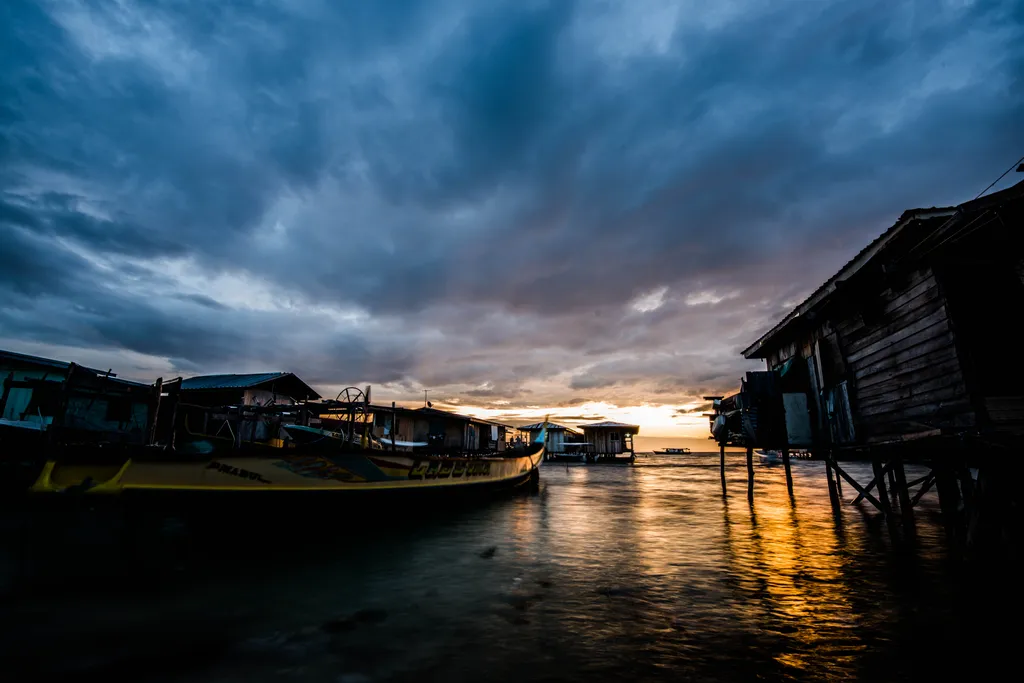
Mabul
Mabul is where you come to slow down and stare at sand. The island sits in the Semporna archipelago off eastern Sabah — a flat, palm-fringed speck ringed by shallow rubble slopes, artificial reef structures, and the occasional tyre stack that macro photographers lose their minds over. Visibility rarely tops 15 m and nobody cares: frogfish the size of your thumb, flamboyant cuttlefish pulsing purple and yellow, blue-ring octopus tucked in rubble, ornate ghost pipefish, ribbon eels, pygmy seahorses in sea fans, and nudibranchs on every spare surface. This is muck diving with resort convenience — walk from your bungalow to the boat, three dives before lunch, rinse and repeat. The signature sites circle the island and nearby Seaventures rig: Froggy Lair and Crocodile Avenue for classic critter hunts, Lobster Wall and Eel Garden when you want a bit of structure, Paradise 1 & 2 for mixed reef-and-rubble variety. Night dives here are excellent — mandarinfish mating dances at dusk, bobtail squid and Spanish dancer nudibranchs after dark. Most resorts run house-reef dives and unlimited shore access between boat trips. Sipadan's barracuda tornadoes and sheer walls are 45 minutes away by speedboat, and many packages include a day or two on permit — but that's the side dish. Base yourself on Mabul for a week of macro and you won't feel cheated if the permit lottery doesn't go your way. Bring a macro lens, a patient dive guide, and low expectations for viz; bring high expectations for critters.
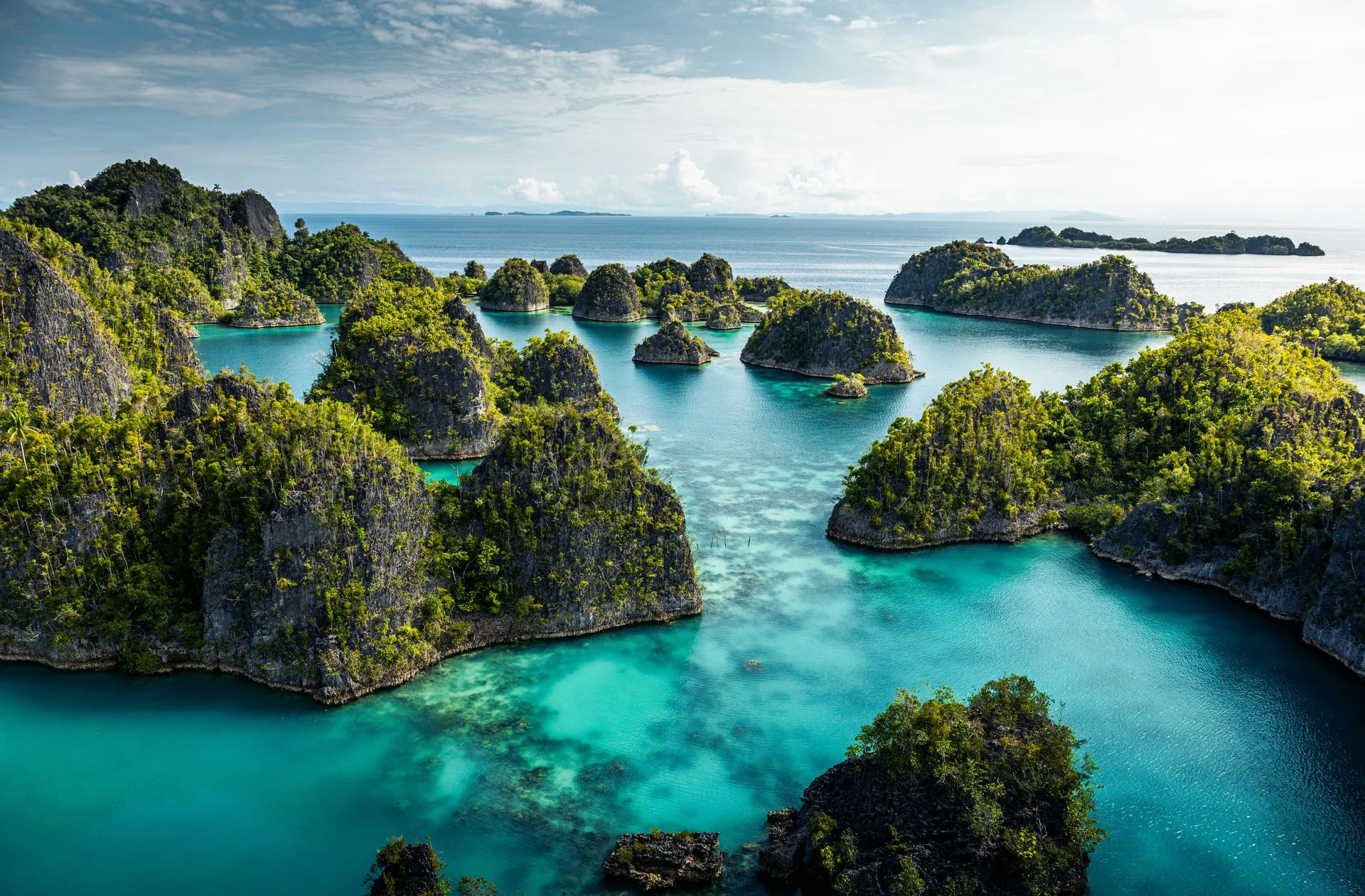
Raja Ampat
Raja Ampat, the “Four Kings,” is an archipelago of more than 1,500 islands at the edge of Indonesian West Papua. Its reefs sit in the heart of the Coral Triangle, where Pacific currents funnel nutrients into shallow seas and feed the world’s richest marine biodiversity. Diving here means gliding over colourful walls and coral gardens buzzing with more than 550 species of hard and soft corals and an estimated 1,500 fish species. You’ll meet blacktip and whitetip reef sharks on almost every dive, witness giant trevally and dogtooth tuna hunting schools of fusiliers, and encounter wobbegong “carpet” sharks, turtles, manta rays and dolphins. From cape pinnacles swarming with life to calm bays rich in macro critters, Raja Ampat offers endless variety. Above water, karst limestone islands and emerald lagoons provide spectacular scenery between dives.
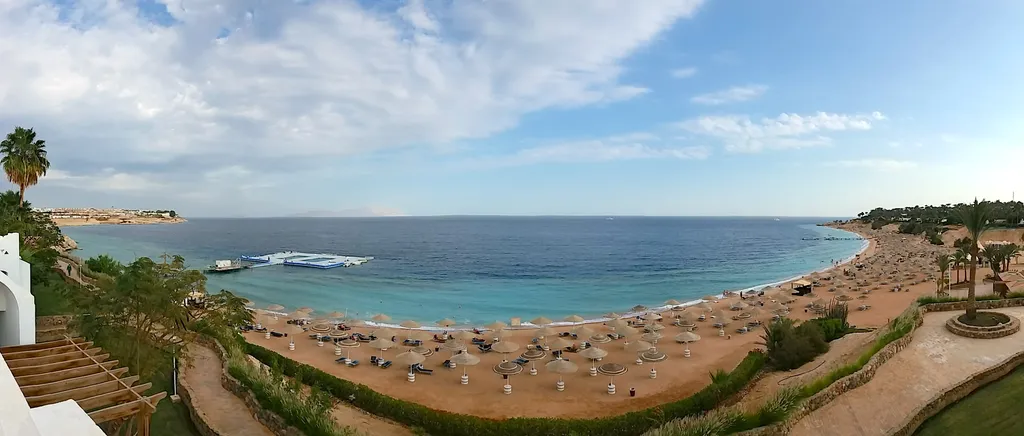
Sharm El Sheikh
Sharm El Sheikh sits at the southern tip of Egypt's Sinai Peninsula and functions as the Red Sea's busiest dive hub for good reason. Day boats run south to Ras Mohammed National Park—walls, current-swept pinnacles and the famous Shark Reef–Yolanda Reef double drop—and north through the Straits of Tiran past four reef towers where hammerheads patrol in season. Wreck divers book the early alarm for SS Thistlegorm, one of the world's great WWII cargo dives, and the coral-encrusted SS Dunraven on calmer days. Closer to Naama Bay and Sharks Bay, house reefs like Ras Um Sid, the Gardens and Temple deliver easy boat dives between the big-ticket runs. Visibility routinely clears 20 m, reefs are healthy by Red Sea standards, and the resort strip makes logistics painless: gear on, coffee, two-tank boat, back for lunch.