Zebra Crab
Zebrida adamsii
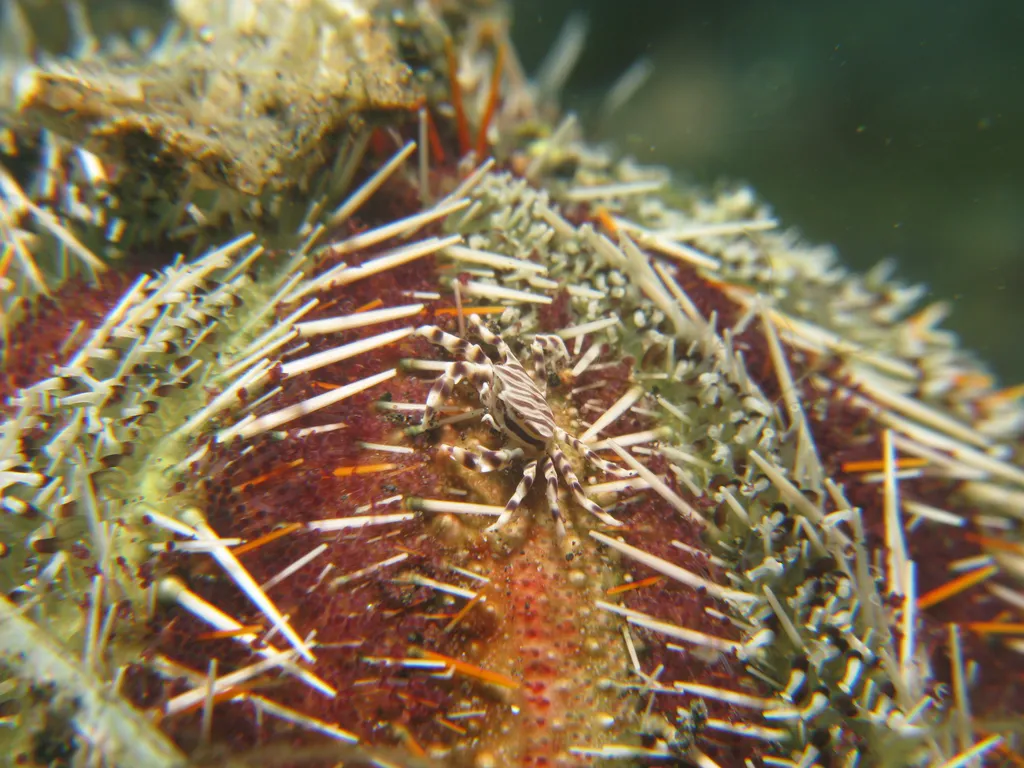
Photo by prilfish / CC BY 2.0 via Wikimedia Commons
If you are scanning open reef for a "crab silhouette," you will miss the Zebra Crab (Zebrida adamsii). This is a host-first macro animal: find the urchin, then look into the spines. The pale body and hard vertical striping resolve like a barcode jammed into a spine forest — and once you see one, you understand why every Lembeh guide starts with "count the urchins" instead of "hunt the crab."
Carapace width sits around 1–2.5 cm (records near 3 cm), so it belongs on rubble and muck slopes at roughly 3–28 m, not as a reef-fish distraction. Walking legs lock onto spines with a hook-shaped grip; the crab often stays put even when the urchin rolls. That stillness helps photos. It also punishes anyone who lunges in — many hosts are venomous fire urchins (Asthenosoma, Astropyga) or flower urchins (Toxopneustes). In Lembeh, Anilao, Ambon, Mabul, Dumaguete, Bohol, Komodo, Raja Ampat, and Wakatobi, a clean frame usually means your buoyancy held and your hands never touched the host.
🔬Classification
📏Physical Features
🌊Habitat Info
⚠️Safety & Conservation
Identification Guide
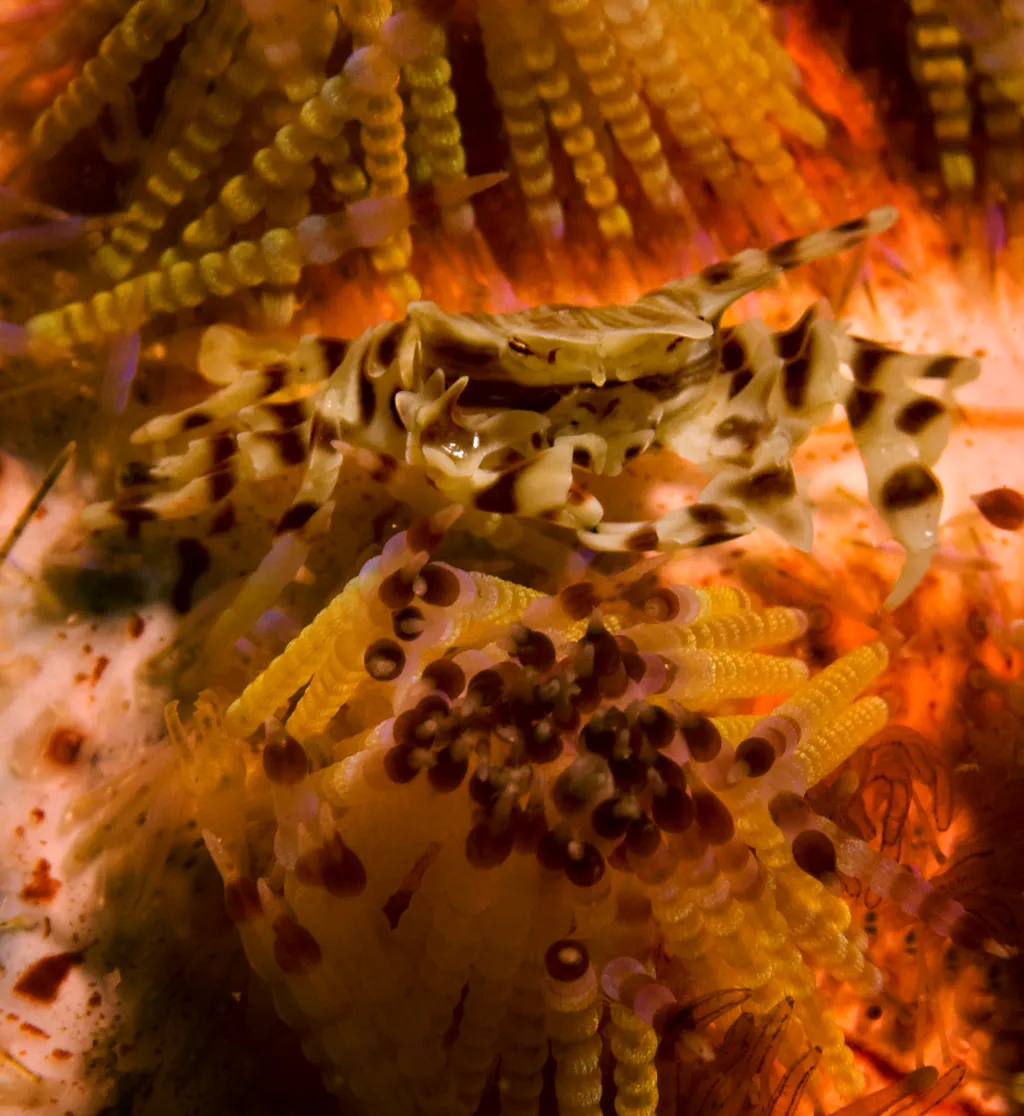
Photo by Jason Marks / CC BY-SA 3.0 via Wikimedia Commons
Don't burn bottom time on empty sand. Zebra crabs ride living urchins — hunt hosts on rubble slopes, reef–sand edges, and seagrass margins where short-spined venomous urchins sit exposed, then look into the spine bases from the side. Hands stay off; the hazard is the host, not the crab.
What locks the ID
- Carapace usually under 3 cm (often 1–2.5 cm) — if it looks fist-sized, you are probably on the wrong animal
- Bold vertical dark stripes on pale pink or cream — carapace and legs, not just the dorsal shell
- Limbs built for clamping spines: hook-shaped dactylus tips and a specialized propodus–dactylus joint, not legs made for roaming bare sand
- Almost always on a living urchin; free-roaming on open sand is the wrong search model
- Trapezoidal carapace with conspicuous horns — typically two between the eyes and one on each side — useful once you are already at macro distance
Easy mix-ups
- Other small crabs rarely combine crisp vertical striping and this obligate urchin habit — if it is not on a host, keep looking
- Some individuals look washed out in ambient light — stripe geometry plus host beat "is it colorful enough?"
- Decorator crabs wear rubble hats they assemble themselves; zebra crabs borrow a spine forest. Different silhouette once you look twice
- In typical Indo-West Pacific macro sites, expect Z. adamsii; sibling Zebrida longispina and Z. brevicarinata are mainly Indian Ocean / Western Australia problems
How to work a host
On slopes with lots of urchins, treat each one as a station: hover off to the side, read stripes in ambient light, then add strobe. If silt lifts, back off and return later — a second pass often beats fighting a brown-out. Revisit the same urchin later in the dive; males switch hosts more than females, so the occupant can change.
Top 10 Fun Facts about Zebra Crab
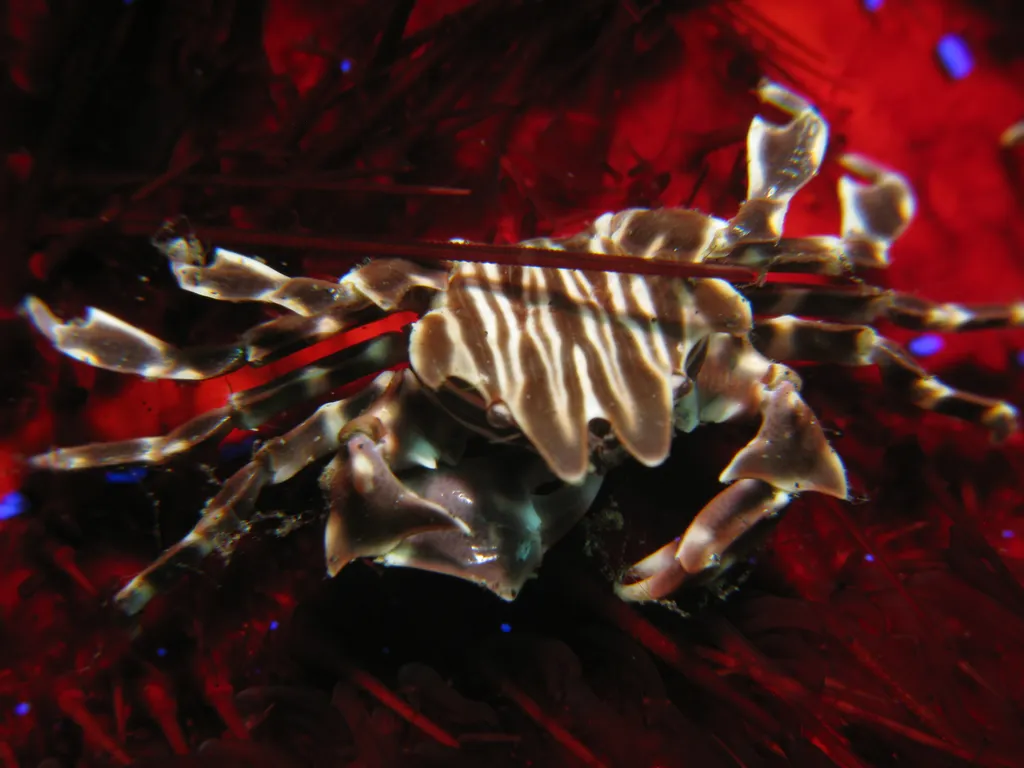
Photo by Prilfish / CC BY 2.0 via Wikimedia Commons
1. Adams named it on a survey voyage
Arthur Adams called it "a torpid, though elegant little crustacean" after material collected on HMS Samarang during the 1843–1846 expedition. White formally described the species in 1847; the type locality is near the Pantai River estuary, Borneo, around 11 m depth. Divers kept the zebra nickname because the stripe pattern reads cleanly through a viewfinder even when the crab barely moves — a Victorian naturalist's backhanded compliment turned into a field ID handle.
2. Stripes break up the outline among spines
Vertical reddish-brown bars on a pale pink or cream body disrupt the crab's shape inside a spine forest. To us the pattern can look loud under strobes; to predators it often still reads as spine shadow extending from the test. That is why a washed-out individual can still be hard to spot in ambient light — you are not judging saturation, you are reading geometry against a moving background of spines.
3. Walking legs lock onto spines with a hook grip
A specialized propodus–dactylus joint on the walking legs forms a hook-like grip at the dactylus tip. That is why the crab can ride a rolling urchin without constantly scrambling for a new foothold — the anatomy is built for clamping, not sprinting across sand. For photographers, the payoff is stillness; for anyone who tries to "steady" the host by hand, the same grip means the crab is not the part that will sting you.
4. The carapace is armored with horns
The trapezoidal carapace carries long horns — typically four in adults, with two between the eyes and one on each side — plus laminar teeth along the legs. Juveniles show a softer version of the same plan. Once you are close enough for macro, those horns help separate Zebrida from random small crabs that happen to be on rubble; they are a genus-level clue, not just decoration.
5. Females stay put; males move between hosts
Females are often slightly larger and may occupy one urchin alone for long stretches, sometimes with pink eggs visible under the abdomen. Males more often switch hosts while searching for mates — so revisiting the same urchin station later in the dive can show a different occupant. Do not assume "one crab per urchin" is a permanent rule; breeding season shifts the social layout without changing how you should search.
6. It grazes on the host, and hosts usually regenerate
Diet includes tube feet and epidermal tissue at spine bases and interambulacral zones on the urchin test. Urchins typically regenerate those tissues, so the cost to the host is chronic more than lethal — a slow graze, not a kill shot. Some field accounts also note cleared low-spine patches that look like a small "nest" on the test, as if the crab opened a workstation among the spines.
7. The host list is longer than most divers check
Documented hosts include fire urchins (Asthenosoma, Astropyga), flower urchins (Toxopneustes), long-spined Diadema, Tripneustes, Salmacis, and others. Short-spined venomous urchins get the most attention from divers because they sit visibly on rubble slopes — but only scanning one host genus will miss encounters. Ask your guide which urchin types they track locally; the crab does not read your checklist.
8. Wide Indo-Pacific range, sightings cluster on guide tracks
Distribution runs from the tropical Indian Ocean into the western and central Pacific, with depth records from roughly 3–28 m and DORIS summaries often centering on 5–20 m. Recreational photos pile up where guides already work urchin stations — Lembeh-style muck and Philippines / Indonesia critter sites lead the list. Encounter rate is less about oceanic luck and more about host density on slopes your operator already knows.
9. Venom risk is mostly the host, not the crab
The crab itself is not treated as toxic to humans — you are not handling a medically significant crab species. The real hazard is brushing venomous pedicellariae or spines on Asthenosoma, Toxopneustes, and similar hosts while leaning in for a tighter macro shot. A clean photo margin between your housing and the spine tips is part of the safety plan, not just composition.
10. Larvae start in the plankton before settling on an urchin
Laboratory rearing by Mori and colleagues describes four zoeal stages plus one megalopa before settlement onto a host. Females carry pink eggs under the abdomen — a visible sign when you are already at macro distance. That planktonic phase helps explain why local encounter rates swing with recruitment and host supply, not only guide luck on a given week.
Diving & Observation Notes
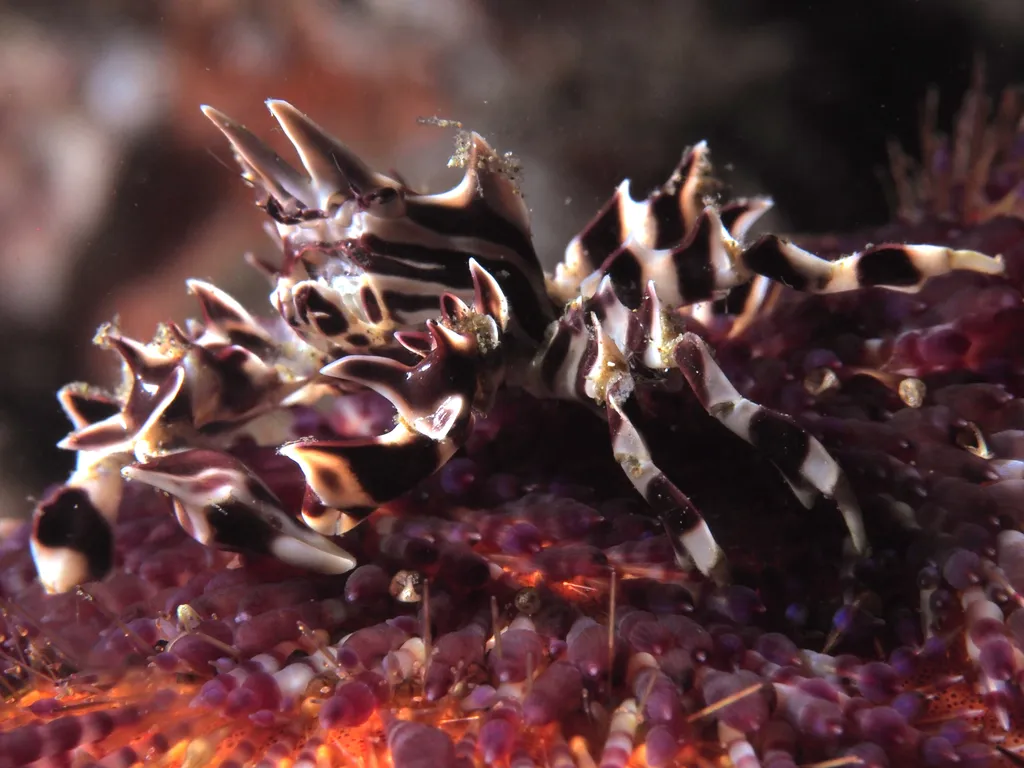
Photo by Rickard Zerpe / CC BY-SA 2.0 via Wikimedia Commons
Finding
Ask guides which urchin hosts they track on rubble slopes and muck sites — fire urchins, flower urchins, and short-spined venomous species are common starting points. Work 3–28 m (most often 5–20 m) on sand–rubble transitions, reef–sand margins, and seagrass edges where urchins sit exposed on the substrate. Treat each urchin as a station: approach from the side, stabilize buoyancy first, then scan the spine bases before adding light. If one slope is silted out, move to a cleaner urchin patch rather than stirring the same host repeatedly.
Approach
The crab often freezes when light intensifies — give it a few breath cycles before reframing. Never lift, poke, or reorient the urchin for a better angle; the host is both habitat and hazard. Keep fins up and exhalation gentle so spine bases stay readable. Revisit stations later in the dive; males may have switched hosts while females more often stay on the same urchin. If the crab tucked deeper into the spines, wait — lunging closer usually makes it vanish entirely.
Photo
- Run 60–105 mm macro and leave a fist-width buffer between your port and the spine tips
- Side or slightly low angle separates vertical stripes from spine clutter better than a straight-down shot
- Diffused strobes reduce specular blowouts on pale carapace; bare hard light flattens the zebra pattern
- Pre-focus on the carapace stripes, then wait for the crab to settle — it often holds still longer than you expect
- Shoot pairs when present, but a lone crab on one urchin is normal outside breeding windows
Ethics
No collecting, no host contact, and no clearing spines for a cleaner frame — the "nest" patches some crabs maintain are not an invitation to groom the urchin. Exit with the same urchin orientation you found; rolling a host to expose the crab stresses both animals. If silt rises, back off immediately — you can return on a later dive when visibility at the station recovers. Report cool finds to your guide; moving crabs between urchins for photos is never worth the damage.
Best Places to Dive with Zebra Crab
Lembeh
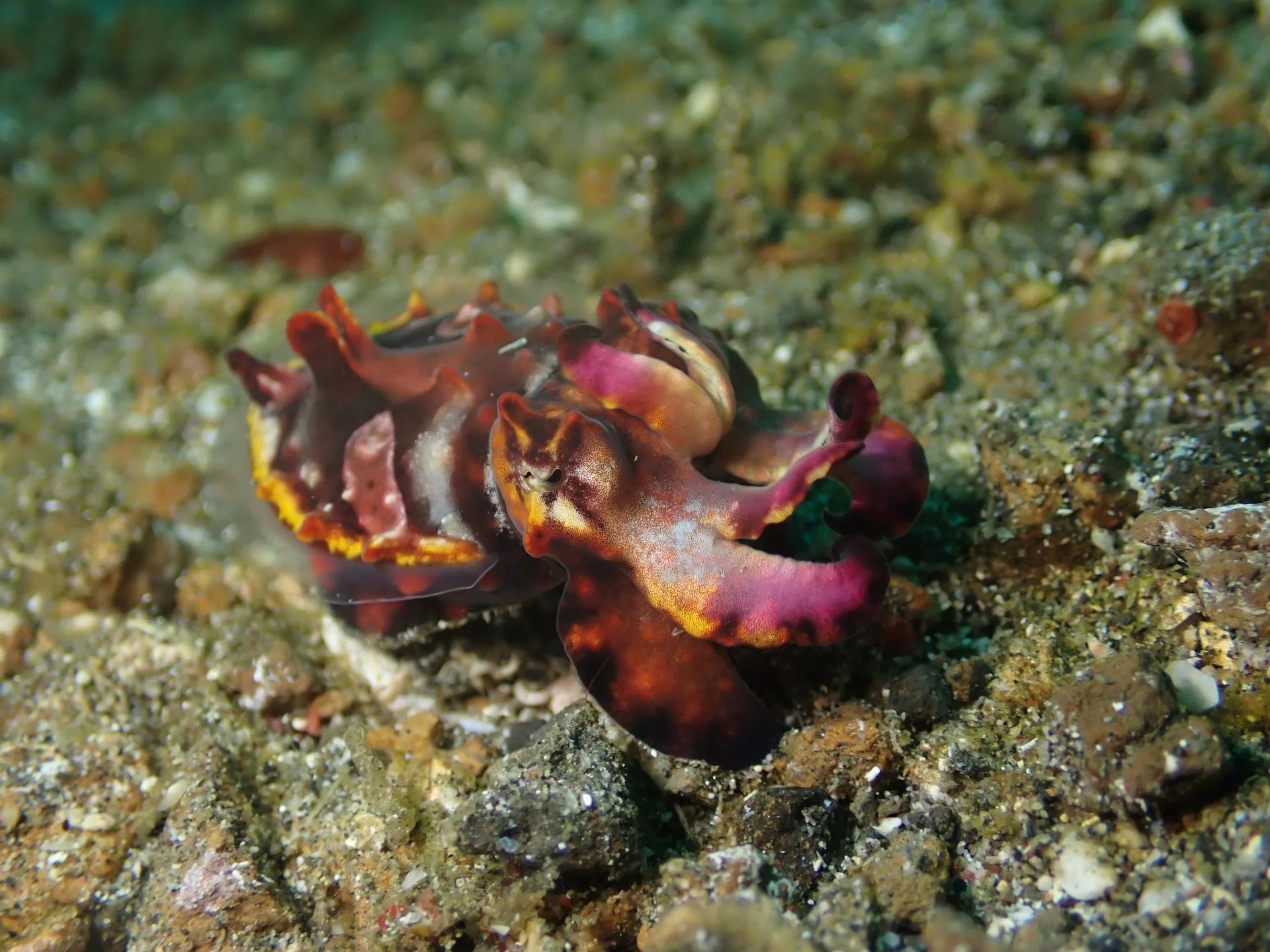
The Lembeh Strait in North Sulawesi has become famous as the muck‑diving capital of the world. At first glance its gently sloping seabed of black volcanic sand, rubble and discarded debris looks bleak. Look closer and it is teeming with weird and wonderful life: hairy and painted frogfish, flamboyant cuttlefish, mimic and blue‑ringed octopuses, ornate ghost pipefish, tiny seahorses, shrimp, crabs and a rainbow of nudibranchs. Most dives are shallow and calm with little current, making it an ideal playground for macro photographers. There are a few colourful reefs for a change of scenery, but Lembeh is all about searching the sand for critter treasures.
Anilao
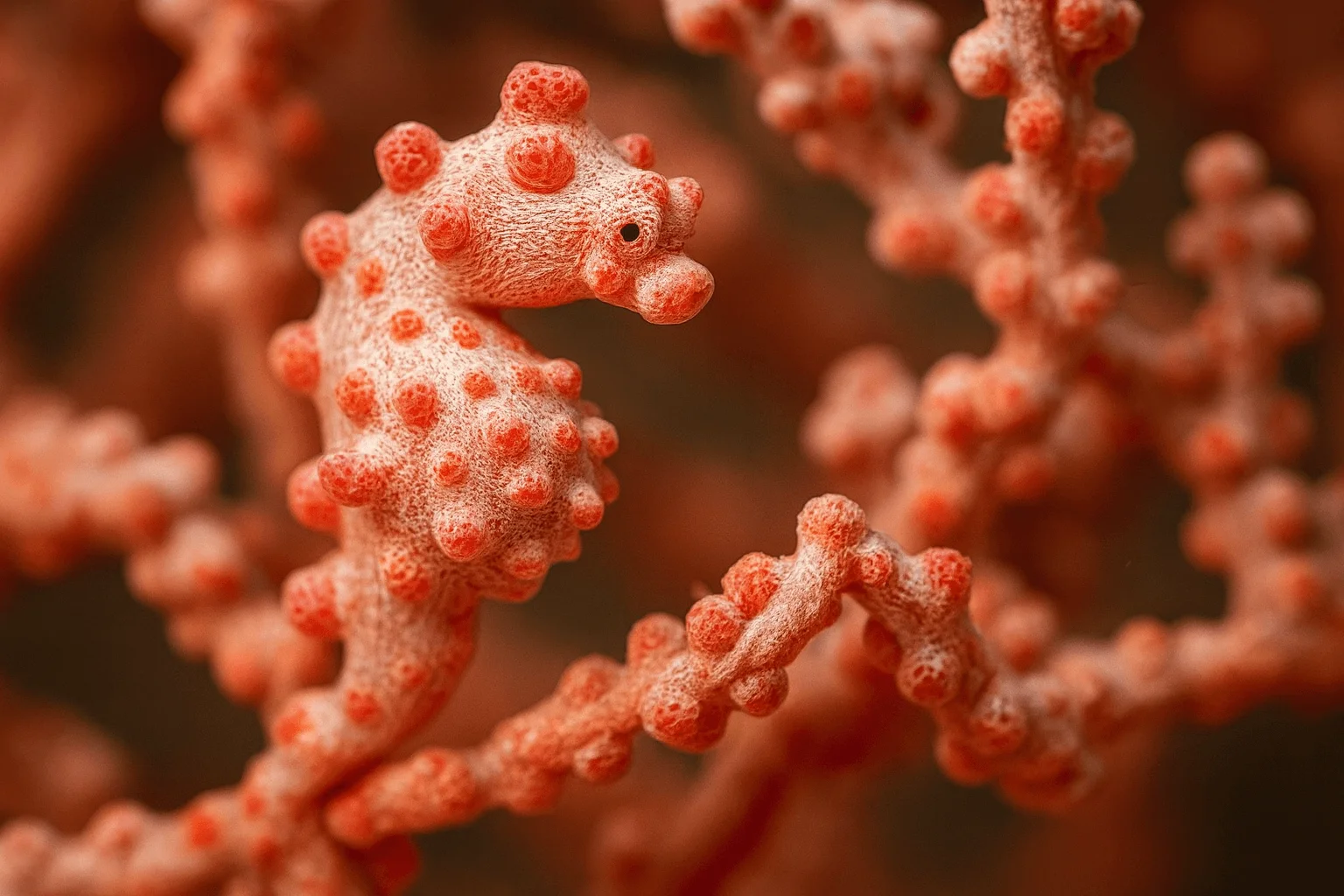
Anilao, a small barangay in Batangas province just two hours south of Manila, is often called the macro capital of the Philippines. More than 50 dive sites fringe the coast and nearby islands, offering an intoxicating mix of coral‑covered pinnacles, muck slopes and blackwater encounters. Critter enthusiasts come for the legendary muck dives at Secret Bay and Anilao Pier, where mimic octopuses, blue‑ringed octopuses, wonderpus, seahorses, ghost pipefish, frogfish and dozens of nudibranch species lurk in the silt. Shallow reefs like Twin Rocks and Cathedral are covered in soft corals and teem with reef fish, while deeper sites such as Ligpo Island feature gorgonian‑covered walls and occasional drift. Because Anilao is so close to Manila and open year‑round, it’s the easiest place in the Philippines to squeeze in a quick diving getaway.
Ambon
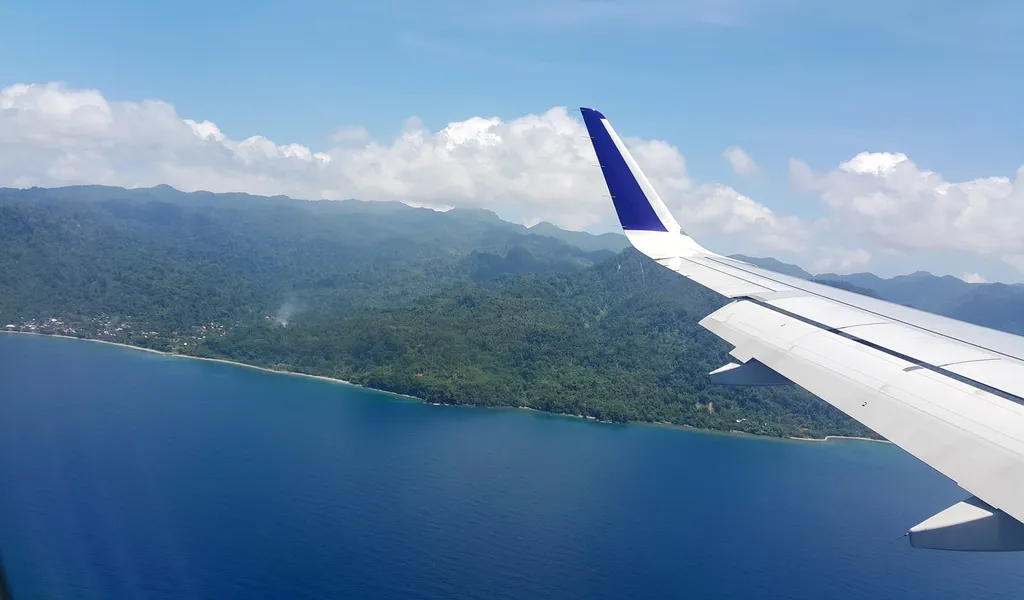
Ambon sits in Indonesia’s Maluku (Spice Islands) and is one of the world’s elite muck destinations—often ranked alongside Lembeh for rare critters, without the crowds. The heart of the action is Ambon Bay around Laha village near the airport: black volcanic sand slopes, rubble, pier posts and discarded debris that somehow host psychedelic frogfish (endemic to Ambon waters), rhinopias, flamboyant cuttlefish, mimic and wonderpus octopuses, ghost pipefish and endless nudibranchs. Most bay dives stay 5–35 m with long bottom times that photographers love. When weather allows, the south and east coasts flip the script—healthy hard coral, walls, arches at Pintu Kota, the swim-throughs of Hukurila Cave, and the critter-coated Duke of Sparta wreck. Expect modest lodging in Laha or resort packages further around the bay; July–August monsoon often closes operators.
Komodo
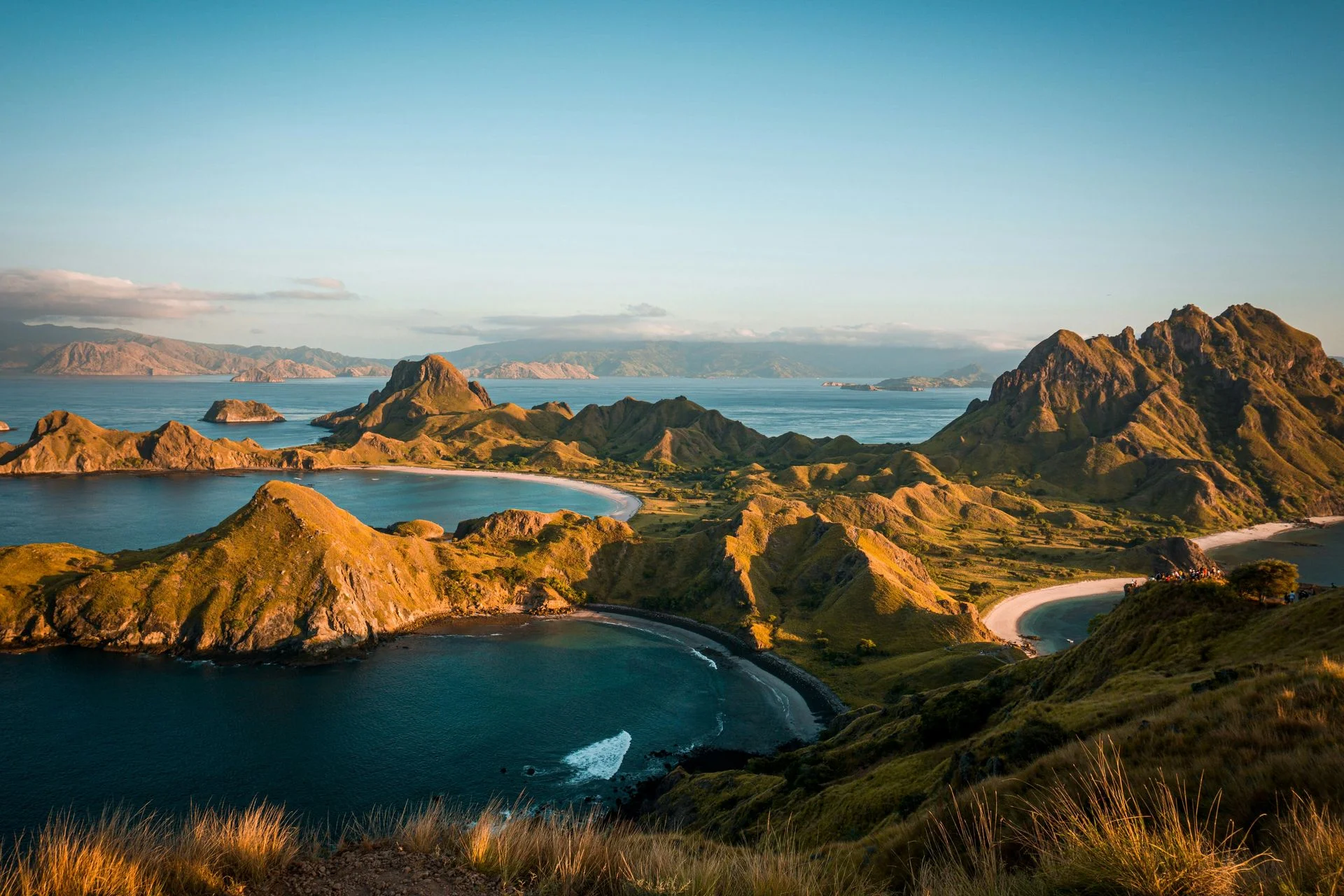
Komodo National Park is a diver’s paradise full of marine diversity: expect healthy coral gardens, reef sharks, giant trevallies, countless schools of fish, and frequent manta ray sightings at sites like Manta Point and Batu Bolong. Drift dives and dramatic reef structures add excitement, while both macro lovers and big-fish fans will find plenty to love. Above water, the wild Komodo dragons roam, giving a touch of prehistoric wonder to the whole trip.
Raja Ampat
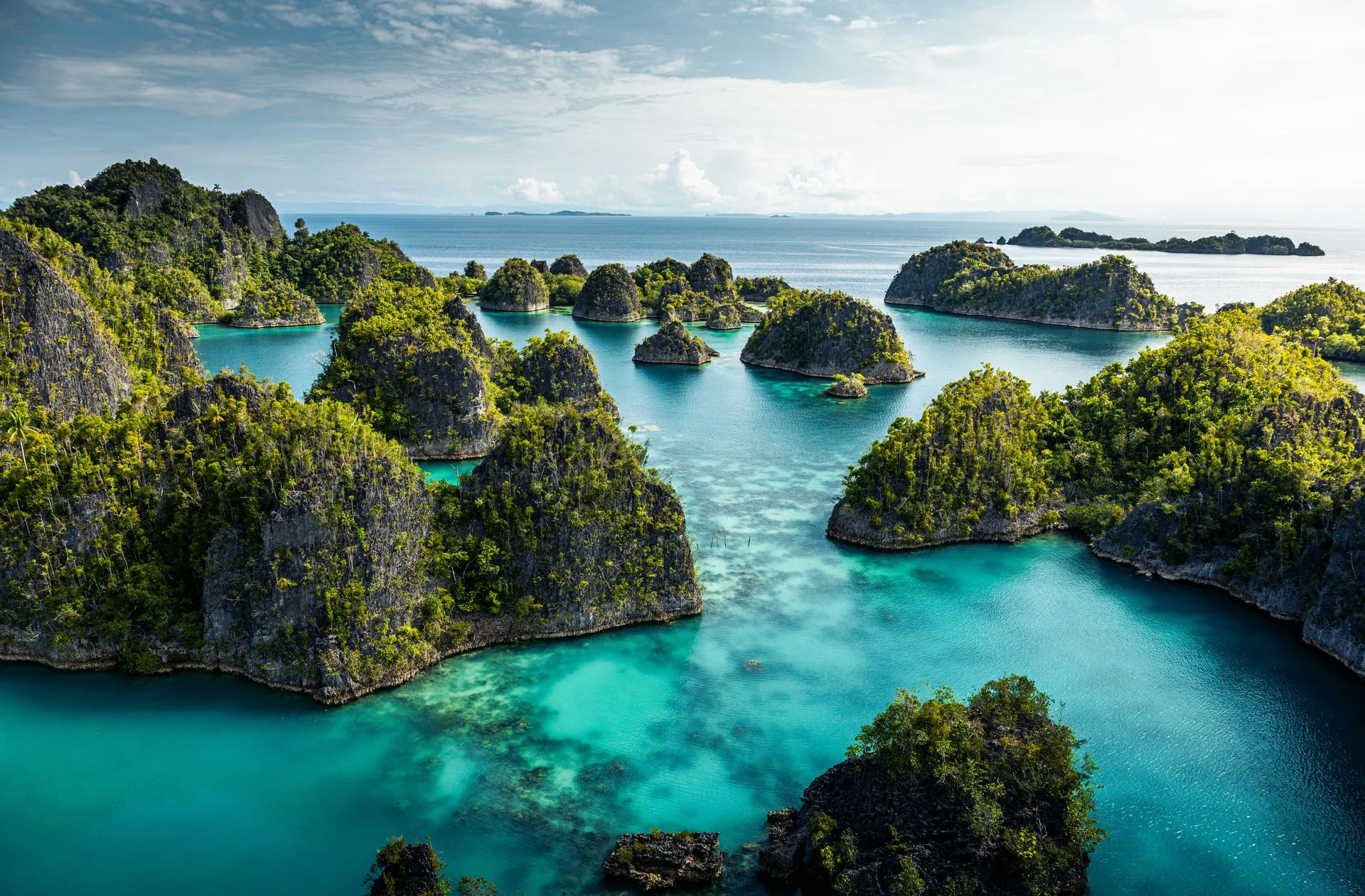
Raja Ampat, the “Four Kings,” is an archipelago of more than 1,500 islands at the edge of Indonesian West Papua. Its reefs sit in the heart of the Coral Triangle, where Pacific currents funnel nutrients into shallow seas and feed the world’s richest marine biodiversity. Diving here means gliding over colourful walls and coral gardens buzzing with more than 550 species of hard and soft corals and an estimated 1,500 fish species. You’ll meet blacktip and whitetip reef sharks on almost every dive, witness giant trevally and dogtooth tuna hunting schools of fusiliers, and encounter wobbegong “carpet” sharks, turtles, manta rays and dolphins. From cape pinnacles swarming with life to calm bays rich in macro critters, Raja Ampat offers endless variety. Above water, karst limestone islands and emerald lagoons provide spectacular scenery between dives.
Mabul
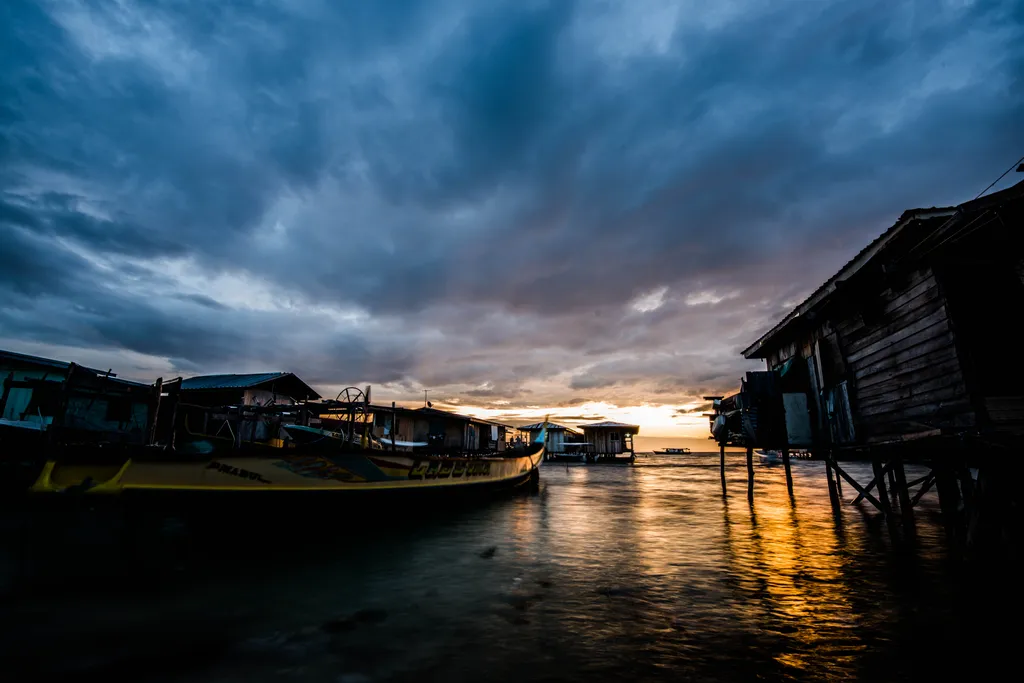
Mabul is where you come to slow down and stare at sand. The island sits in the Semporna archipelago off eastern Sabah — a flat, palm-fringed speck ringed by shallow rubble slopes, artificial reef structures, and the occasional tyre stack that macro photographers lose their minds over. Visibility rarely tops 15 m and nobody cares: frogfish the size of your thumb, flamboyant cuttlefish pulsing purple and yellow, blue-ring octopus tucked in rubble, ornate ghost pipefish, ribbon eels, pygmy seahorses in sea fans, and nudibranchs on every spare surface. This is muck diving with resort convenience — walk from your bungalow to the boat, three dives before lunch, rinse and repeat. The signature sites circle the island and nearby Seaventures rig: Froggy Lair and Crocodile Avenue for classic critter hunts, Lobster Wall and Eel Garden when you want a bit of structure, Paradise 1 & 2 for mixed reef-and-rubble variety. Night dives here are excellent — mandarinfish mating dances at dusk, bobtail squid and Spanish dancer nudibranchs after dark. Most resorts run house-reef dives and unlimited shore access between boat trips. Sipadan's barracuda tornadoes and sheer walls are 45 minutes away by speedboat, and many packages include a day or two on permit — but that's the side dish. Base yourself on Mabul for a week of macro and you won't feel cheated if the permit lottery doesn't go your way. Bring a macro lens, a patient dive guide, and low expectations for viz; bring high expectations for critters.
Dumaguete
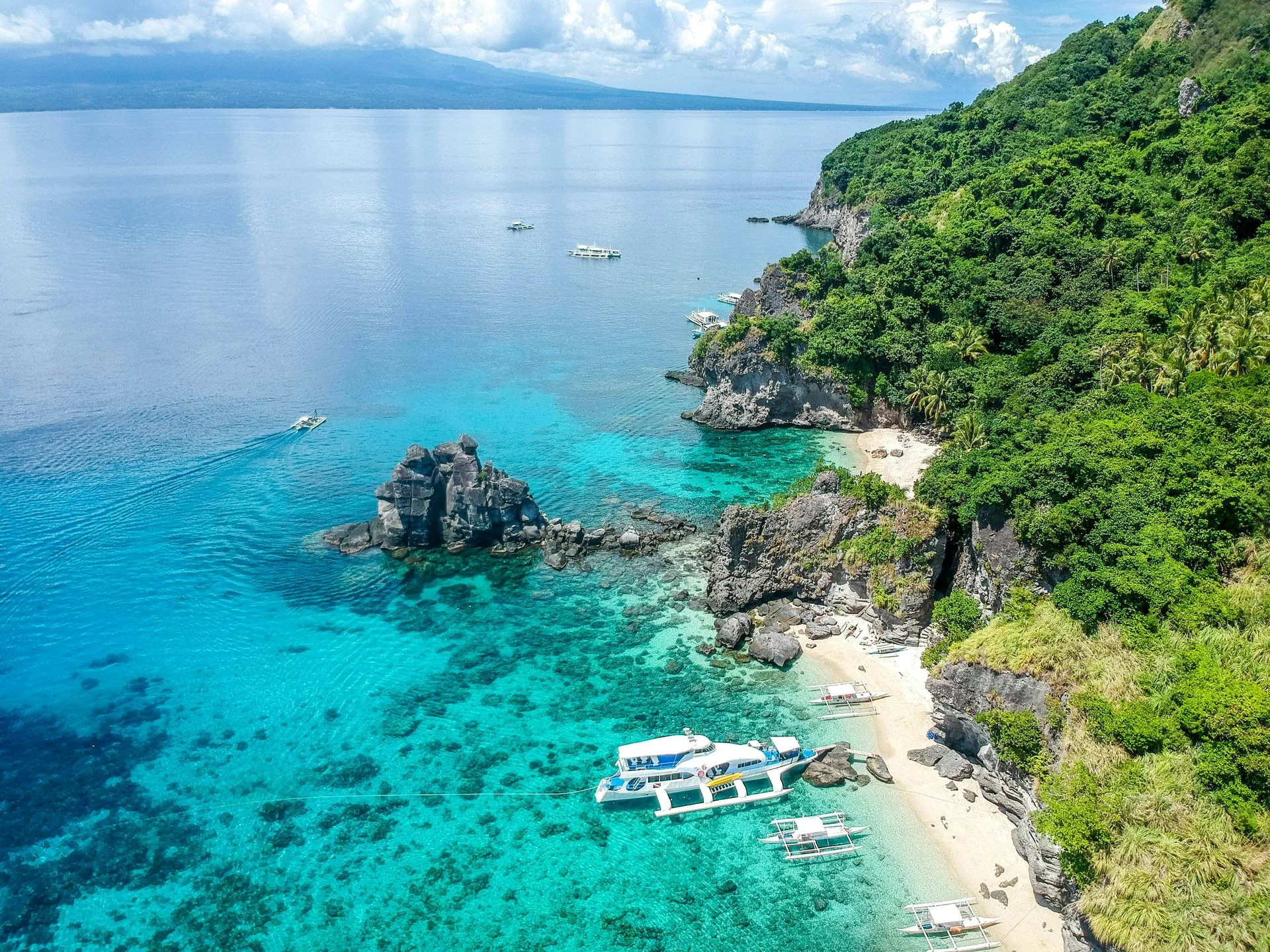
Dumaguete on the southeast coast of Negros is the jumping‑off point for some of the Philippines’ most diverse diving. Along the nearby town of Dauin, a series of shallow marine sanctuaries and black‑sand slopes hide critters galore: frogfish, flamboyant cuttlefish, mimic octopus, ghost pipefish, seahorses, pipefish and nudibranchs. Artificial reefs made from car tyres and pyramids provide extra habitat. Offshore, Apo Island’s walls and plateaus burst with hard and soft corals, schooling jacks and barracudas, and friendly green turtles. With day trips to Oslob’s whale sharks or Bais’ dolphin‑watching, and excursions to nearby Siquijor, Dumaguete offers a perfect mix of macro muck diving and classic coral reefs.
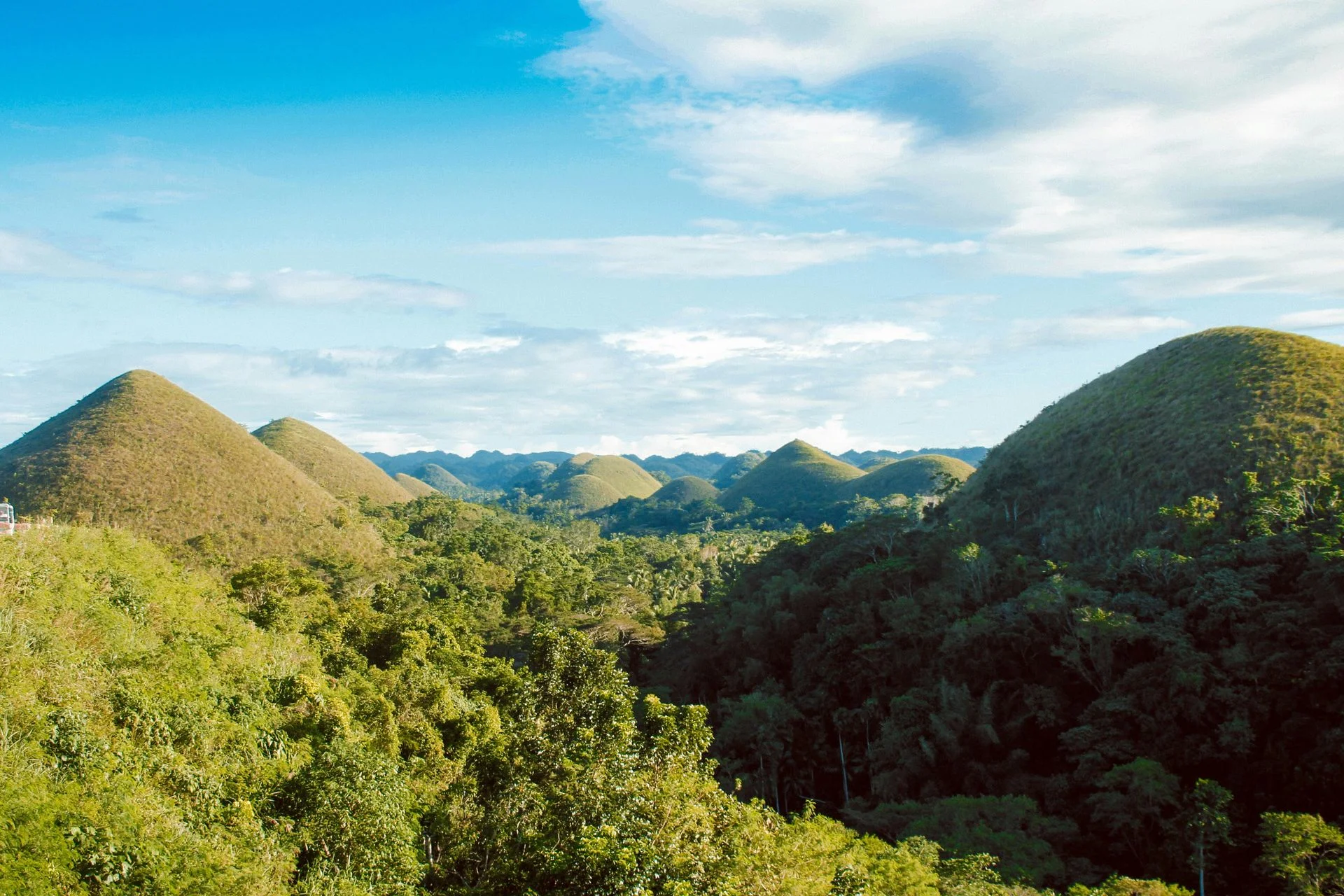
Bohol
Bohol, an island province in the central Visayas of the Philippines, is a diver’s playground with a huge variety of sites. The main hub is Panglao Island, where Alona Beach serves as the launch point for local reef dives and day trips. Nearby Balicasag Island is world‑class: its 5‑ to 18‑m plateau drops into walls where clouds of jackfish and sardines swirl and sleepy green and hawksbill turtles munch on soft corals. To the west, Cabilao’s reefs hide hammerhead sharks and pygmy seahorses, while the remote east coast of Anda offers muck dives, turtle nurseries and even mantas and whale sharks. Other favorites include Napaling’s year‑round sardine balls, Pamilacan’s manta and shark‑filled walls and Cervera (Snake Island) with its resident sea snakes. Whether you love colourful coral gardens, deep walls, big pelagics or tiny critters, Bohol has something for every diver.
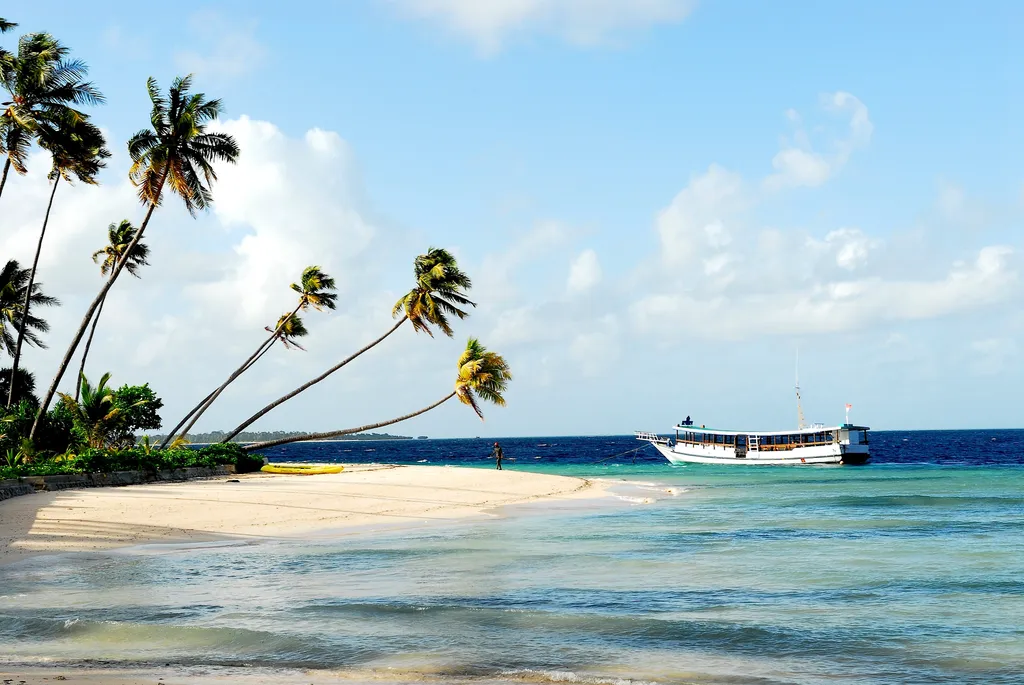
Wakatobi
Wakatobi National Park sits on the southeastern rim of Sulawesi, named from its four main islands—Wangi-Wangi, Kaledupa, Tomia, and Binongko. It holds some of the healthiest coral coverage in the Coral Triangle, with walls, seamounts, and fringing reefs that marine biologists still treat as a reference system. Visibility regularly hits 30 m and can stretch past 50 m on calm outer-reef days. Currents are usually mild and predictable, so you get long bottom times on colorful hard-coral gardens instead of fighting blue water. The signature experience is Wakatobi’s House Reef—walk-in shore diving a short swim from the jetty—backed by more than 40 day-boat sites, from beginner pinnacles like Roma to the knife-edge walls of Blade.